
What Makes a Good Aluminum Die Casting Auto Parts Factory?
2026-07-22
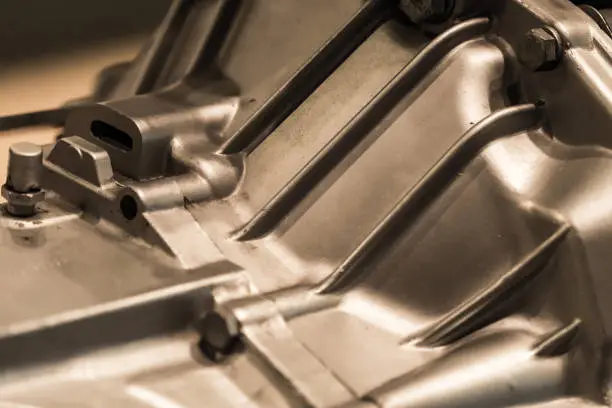
A good aluminum die casting auto parts factory distinguishes itself through several fundamental characteristics that directly impact component quality and supply chain reliability. The core markers include advanced High-Pressure Die Casting (HPDC) machinery capable of pressures exceeding 10,000 psi, comprehensive quality management systems certified to IATF 16949 standards, and integrated capabilities spanning mold design through precision CNC finishing. These factories demonstrate material expertise across aluminum alloys like A380, ADC12, and A360, maintaining dimensional tolerances within ±0.05mm while producing complex geometries with wall thicknesses down to 1.5mm. The combination of technical capability, process control, and customer-centric service separates exceptional suppliers from basic contract manufacturers.
Introduction
The auto business is under more and more pressure to make cars lighter while still meeting safety standards and structural strength. Aluminum die casting has become the industrial answer that faces this problem head-on. It makes parts that are light but strong, which helps electric vehicles get better gas mileage and go farther on a single charge. These precision-cast parts are essential to modern car engineering. They are used to make everything from gearbox housings to battery cases.
Choosing the right manufacturing partner affects more than just the cost per unit. A good factory makes sure that the dimensions stay the same from one production run to the next, keeps track of the materials to make sure they follow the rules, and makes parts that can handle high temperature changes and vibrations for the whole time they're in use. For procurement pros and engineering managers, knowing what makes a factory great is important for avoiding expensive delays in production, poor quality, and problems with the supply chain. This talk looks at the technical skills, quality processes, and ways of doing business that make the best aluminum die casting plants stand out in a global market that is becoming more and more competitive.
Understanding the Aluminum Die Casting Process for Auto Parts
What Makes Die Casting Ideal for Automotive Components
Aluminum die casting is a precise way to work with metal. Molten aluminum alloy is pressed into hardened steel molds at very high pressures, usually between 1,500 and 30,000 psi. This High-Pressure Die Casting method makes nearly net-shape parts with a great surface finish and precise measurement control, so a lot of secondary cutting is not needed. The process solves important problems in the car industry by casting complex shapes in a single piece, which cuts down on the need for assembly and the number of possible failure points. The built-in ability to make things lighter meets government standards for fuel efficiency, and the short cycle times allow for mass production at low costs.
Core Manufacturing Stages and Quality Drivers
The process of producing aluminum die casting auto part components starts with carefully designing a mold that has advanced gate systems that control the speed of the metal flow, improve filling performance, and reduce turbulence. During the injection phase, the cavity is filled with molten aluminum in milliseconds, which is critical for achieving high-quality aluminum die casting auto part products with excellent dimensional accuracy and surface finish. The temperature must be precisely controlled between 660°C and 720°C, depending on the alloy specification and the performance requirements of the automotive application. In the solidification step, intensification pressure is used to stop the metal from shrinking and prevent internal porosity, ensuring that aluminum die casting auto part components achieve reliable strength and durability. Some of the things that are done after casting are trimming, heat treatment to improve the mechanical properties, surface finishing, and CNC machining to get the final tolerances. Advanced manufacturers also use automated die casting equipment, precision tooling, aluminum alloy materials, and process monitoring systems to improve the consistency of aluminum die casting auto part production. Coordinate measuring machines (CMM) and X-ray analysis are used in strict checking routines to make sure that every part meets the requirements of the car OEM before it is shipped. Additional quality procedures, including material traceability, non-destructive testing, and IATF 16949 automotive certification, help ensure that aluminum die casting auto part components deliver long-term reliability in engine systems, transmission housings, and structural automotive applications.
Material Science: Aluminum Alloy Selection
Common alloys used in casting cars each have their own unique performance characteristics that make them best for certain tasks. A380 is good at both fluidity and pressure strength, which means it can be used for engine braces and gearbox cases. ADC12 is widely used in Asian markets because it produces better die casting results and is resistant to rust for structure parts. When anodizing is needed, A360 is the best choice because it resists rust better and has a better finish. These metals all have the same density, which is about 2.7 g/cm³, and a thermal conductivity of about 96–120 W/m·K. This means they can effectively get rid of heat in powertrain uses. The natural aluminum oxide layer protects against rust on its own, but powder coating or e-coating processes recommended by automakers can make it even better.
Critical Criteria to Evaluate a Good Aluminum Die Casting Auto Parts Factory
Advanced Manufacturing Capabilities and Equipment
A good factory's list of equipment shows how advanced its production is and how well it can meet strict automotive standards. Die casting tools with a mass range of 400 to 4,000 tonnes make it possible to make a wide range of part sizes. Adding automation, such as robotic part extraction and automatic cutting, lowers the variation in cycle time and the chance of mistakes made by humans. The fact that vacuum-assisted die casting equipment is present means that parts with minimal gaps can be made for important structural uses. Infrastructure for post-casting is just as important. Modern facilities have CNC machining centers, automated coordinate measuring systems, and dedicated heat treatment furnaces that work together in a controlled production flow.
Our line of equipment at Zhejiang Fudebao Technology is a good example of this unified approach. We keep high-speed machining centers, CNC lathes, and a number of die casting tools with different size capacities on hand. This setup supports the whole manufacturing process, from melting to surface treatment, so the raw material can be delivered all at once along with the finished part. Our level of accuracy goes up to ±0.05mm, which meets the exacting needs of aluminum die casting auto parts and other tough uses. We are committed to handling accuracy and precision, which is shown by our investment in American HAAS automation machine tools.
Quality Assurance and Certification Standards
Quality control methods make sure that the output is the same from one production batch to the next. The IATF 16949 certification covers quality standards for cars, including control plans, Failure Mode and Effects Analysis (FMEA) documentation, and the Production Part Approval Process (PPAP). Factories that keep this license show that they take a structured approach to preventing defects, improving all the time, and meeting the needs of each individual customer. Internal testing should include spectrometry to confirm the alloy's composition, tensile testing to confirm its mechanical properties, and non-destructive testing methods like ultrasonic inspection or computed tomography scanning to find internal flaws. Material tracking systems connect each part to the batch of materials that it came from. This is important information for investigations into car recalls or warranty claims.
Innovation and Process Optimization
When factories use Industry 4.0 technologies, they show that they are moving forward and are always trying to be more efficient and make better products. Mold flow modeling software finds the best gate designs and possible defect sites before the tool is made, which cuts down on development costs and times. Real-time process tracking systems keep an eye on the temperature of the cavity, the speed of the injection, and the hydraulic pressure. If any of these factors start to move out of control, the system sends an instant warning. Data analytics platforms find patterns across production runs, which lets maintenance be planned ahead of time and processes be made better. The ideas behind lean production get rid of waste in moving things around, shorten the time it takes to switch between tasks, and make tools work better overall. These investments in technology directly lead to more consistent products, shorter lead times, and lower prices for customers.
Comparing Aluminum Die Casting with Other Automotive Manufacturing Methods
Weight and Performance Considerations
When looking at different ways to make things for cars, aluminum die casting has a strength-to-weight ratio that is hard to beat. When magnesium is die cast, the density is about 1.8 g/cm³ lower than when aluminum is used. However, aluminum is stiffer and more resistant to rust in engine bays. Although steel parts are stronger, they are much heavier than aluminum ones because aluminum is only about one-third as dense as steel. This has a direct effect on how the vehicle moves and how much energy it uses. Plastic injection molding makes parts that are light, but they aren't very stable when heated and cooled, and they can't hold a lot of weight, which is needed for many powertrain and chassis applications. Forged aluminum parts have great mechanical properties, but they are very expensive because they need to be machined a lot. The only places they are worth it are for high-stress applications like suspension parts.
Cost Efficiency and Production Economics
When more than a few thousand units are made each year, the economic benefits of producing aluminum die casting auto part components become clear. Die casting mold tooling costs are a big upfront investment that can be moderate to significant based on the complexity and size of the part. However, as production volume rises, the cost per unit drops by a huge amount because cycle times are short, automation efficiency is high, and there are fewer secondary operations required for aluminum die casting auto part manufacturing. Sand casting has lower prices for tools, but the pieces have to be machined extensively to achieve a good surface finish and tight specifications, which raises the cost of each piece. CNC cutting from billet doesn't need any tools at all, but it wastes a lot of material and takes a long time, so it is only cost-effective for prototypes, samples, or very small quantities.
Overcoming Challenges in Aluminum Die Casting Auto Parts Production
Technical Obstacles and Defect Prevention
Porosity is still the biggest problem in aluminum die casting. It can happen when high-velocity injection traps air or when hydrogen gas is absorbed during melting. Experienced companies get around this problem by using vacuum-assisted systems to remove air from the cavity before injection, optimized gating designs that control the speed of the metal flow, and strict melt treatment procedures that include degassing and filtering. Thermal expansion during casting and following machining processes can make it hard to get accurate measurements. Advanced makers use mold flow modeling during design to guess how the material will shrink, build in compensations to the die design, and keep a close eye on the production process.
When it comes to complicated shapes with deep pockets or sharp transitions, surface finish standards can be especially hard to meet. Die temperature control is very important. Making sure that there are uniform thermal gradients across the mold surface stops the material from solidifying too quickly, which can cause flow lines or cold shuts. To make sure that the whole cavity is filled, precise control of the injection parameters and mold venting is needed for thin-wall sections that are less than 2 mm thick. Mold maintenance that includes cleaning, polishing, and checking for erosion or cracks on a regular basis keeps part quality high across production runs and extends the life of the tool.
Problem-Solving Expertise in Action
Our work at Fudebao Technology shows how technical problems can be turned into manufacturing benefits. A recent customer in the auto industry needed gearbox housing with walls that were between 2.5 mm and 6 mm thick and complicated internal passages. The first tests on the prototype showed some holes in places where several walls met. Our engineering team did a mold flow study and found that the gates weren't placed optimally, which led to choppy filling patterns. We changed the gating system by adding overflow wells in key spots and changing the injection velocity patterns. After that, production had X-ray check pass rates of over 98%, and the dimensions stayed the same during thermal cycle tests. Combining simulation technology with hands-on process knowledge, this methodical way of solving problems leads to reliable answers when manufacturing problems happen.
Selecting and Partnering with the Right Aluminum Die Casting Factory
Assessment Framework for Supplier Evaluation
That being said, finding a trustworthy manufacturing partner for aluminum die casting auto part production requires looking at more than just the price. Reputation in the industry gives you a good start—suppliers who have long-term ties with tier-1 automakers have proven their ability to meet strict requirements for aluminum die casting auto part quality, precision, and durability. Customer references provide an honest view of production consistency, communication efficiency, and problem-solving capabilities during manufacturing. Facility audits allow procurement teams to verify the actual conditions of the factory, including equipment performance, production capacity, quality control procedures, and workforce expertise. To confirm that the supplier has a mature quality management system, buyers should request certification records, calibration reports for inspection equipment, and examples of PPAP submissions. Reliable manufacturers of aluminum die casting auto part components should also demonstrate expertise in aluminum alloy selection, mold design, high-pressure die casting technology, CNC machining, and automated inspection systems. Reviewing material traceability documents, CMM inspection reports, process capability studies, and compliance with automotive standards such as IATF 16949 can help ensure that the selected supplier delivers consistent, high-performance aluminum die casting auto part solutions for long-term automotive applications.
Flexibility in production is important, especially when a new product is being introduced and when production is ramping up. Capable providers can handle small amounts of prototypes to test the design, a smooth transfer to pilot production to improve the process, and a smooth increase to mass production without lowering the quality. Your rules on minimum order quantities (MOQs) should be in line with how much you need to buy. Strict MOQs make it expensive to keep goods and put pressure on your cash flow. Customization is becoming more and more important as car designs include more complicated shapes and built-in features. Factories that have their own mold designers can help with value engineering to make things easier to make while also cutting costs.
Building Long-Term Collaborative Relationships
Supplier partnerships that work well go beyond simple purchase orders and involve real collaboration to reach shared business goals. Clear information about limits on capacity, changes in material costs, and technical issues allows for realistic production planning and group problem-solving. Progressive providers put in the time and effort to understand your product plan and application needs. They will then offer proactive ideas for design changes or different materials. Joint development deals for new parts, where the cost of tools and technical risk are split, make people more committed and make sure that everyone has the same goals. Regular reviews of the business that look at quality metrics, delivery performance, and efforts to cut costs keep the momentum for continuous improvement going. When both people see the partnership as strategic rather than just tactical buying, the relationship is at its best.
Conclusion
To find a great aluminum die casting auto parts factory, you need to look at more than just the factory's basic skills. You need to look at the combined systems, technical know-how, and quality culture that make the factory work consistently well. Factories that can meet strict OEM requirements have advanced HPDC equipment, strict quality management that is certified to automotive standards, and a wide range of in-house skills, from mold development to precision machining. Expertise in different types of aluminum alloys, along with modeling technology and data-driven process control, makes sure that the dimensions and mechanical qualities stay the same throughout production runs. As automotive engineering continues to move toward making cars lighter and electric, smart relationships with technically skilled die casting suppliers are becoming more and more important for staying ahead of the competition and making sure the supply chain stays strong.
FAQ
What dimensions of quality influence aluminum die casting outcomes?
Several factors that affect each other determine the quality of the final component. Material purity and the make-up of an alloy have a direct effect on its mechanical qualities and how it behaves when made. Metal flow and solidification patterns can be controlled by designing the mold so that it has the right gates, vents, and cooling pathways. Process variables like injection speed, cavity pressure, and die temperature need to be carefully managed within small ranges. After casting, steps like heat treatment and surface cleaning affect how resistant the metal is to rust and how stable its dimensions are. These factors stay the same across production batches thanks to full quality systems that include in-process inspection, statistical process control, and material traceability.
What lead times should be expected for custom aluminum die cast auto parts?
Production times depend a lot on how complicated the parts are and the state of the order. It usually takes 8 to 12 weeks to make a new tool, from the time the design is finalized to the time the mold is validated and PPAP approval is given. This includes making the mold, taking the first samples, checking the sizes, and making any necessary changes to the design. As soon as the tooling is approved, production runs for known parts usually ship within three to five weeks, though this depends on the number of orders and the current capacity load. Faster handling can be used to meet urgent requests, but there are usually extra costs involved. Clear contact during the quote phase sets reasonable goals for delivery.
Can aluminum die casting accommodate highly customized automotive components?
These days, aluminum die casting can be changed in a lot of ways to fit the needs of a particular purpose. Advanced mold design with side-action cores and collapsible parts can make complex shapes with undercuts, internal pathways, and different wall thicknesses possible. Insert molding lets threaded inserts, bearing surfaces, or different materials be molded into the casting. You can choose from different surface finishing choices, such as as-cast roughness, powder coating, anodizing, or machined surfaces, to make the product look and work the way you want it to. Depending on the setting in which it will be used, the choice of alloy can be made to focus on certain qualities, such as heat conductivity, corrosion resistance, or mechanical strength.
Partner with Fudebao Technology—Your Trusted Aluminum Die Casting Auto Parts Supplier
Zhejiang Fudebao Technology is ready to help you with your needs for aluminum die casting auto parts. They have a history of working with automakers around the world. Our combined facility includes all stages of production, from melting to precise CNC finishing. It is supported by high-tech tools such as HAAS machining centers and several die casting machines. Our ±0.05mm accuracy standards are important for car precision uses, and our IATF 16949-aligned quality systems make sure that all of our production runs are the same. Our technical team works together to make sure that designs are easy to make and don't cost too much. This is true whether you need a prototype, pilot production, or high-volume production. Email Hank Shen at hank.shen@fdbcasting.com to talk about the specific parts you need and find out how our services can help you reach your sourcing goals.
References
1. North American Die Casting Association (NADCA). "Product Specification Standards for Die Castings Produced by the Semi-Solid and Squeeze Casting Processes." NADCA, 2019.
2. Kaufman, J. Gilbert, and Elwin L. Rooy. "Aluminum Alloy Castings: Properties, Processes, and Applications." ASM International, 2004.
3. International Automotive Task Force. "IATF 16949:2016 Quality Management System Requirements for Automotive Production and Relevant Service Parts Organizations." IATF, 2016.
4. Vinarcik, Edward J. "High Integrity Die Casting Processes." John Wiley & Sons, 2003.
5. Bonollo, Franco, et al. "Aluminum Alloy Engineering for the Automotive Industry." Springer Series in Materials Science, 2018.
6. Society of Automotive Engineers. "SAE J1737: Aluminum Die Casting Alloy Data." SAE International Standards, 2021.



YOU MAY LIKE