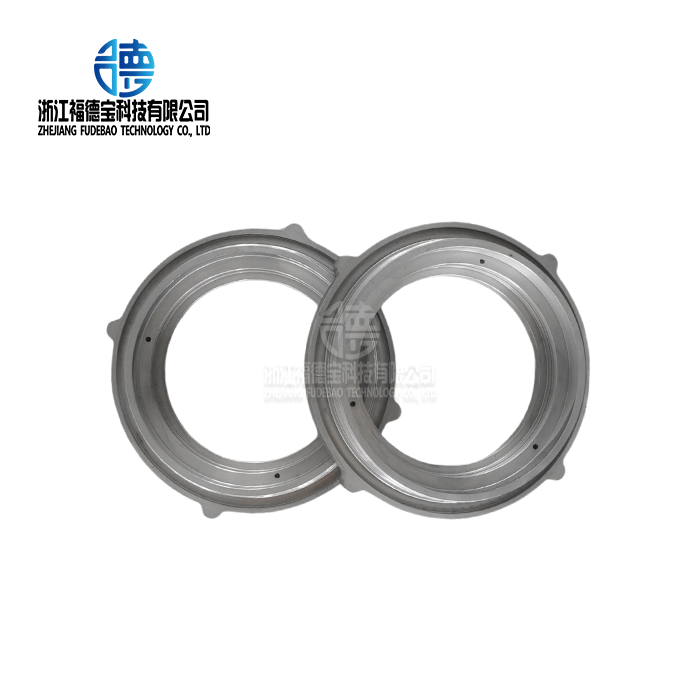
Copper Casting: Techniques, Benefits, and Applications
2026-03-31
Copper casting is an advanced metalworking method in which liquid copper or copper alloys are put into precise molds to make parts with great electrical and thermal qualities. This way of making things is essential for businesses that need high-performance parts because it can make complicated shapes that would not be possible with standard machining. The process solves important problems, like the need for parts that are better at conducting electricity, prevent corrosion, and stay the right size. This makes copper casting an important technology for uses in automobile, electrical, and industrial settings.
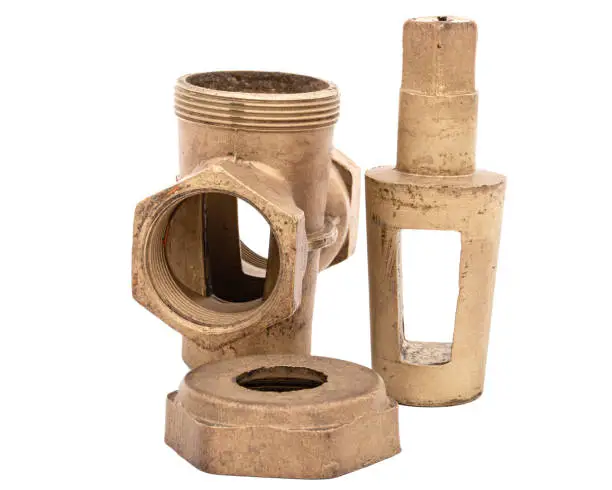
Understanding Copper Casting: Process and Techniques
Using molds to control the cooling process, liquid copper and its alloys are turned into solid parts. This is the basic idea behind metal casting. Copper alloys are different from aluminum or steel casting because they have better heat dissipation qualities and better electrical conductivity up to 100% IACS. Because of these qualities, copper-based parts are necessary in situations where controlling heat and electrical performance are very important.
Sand Casting and Investment Casting Methods
Sand casting is still the most flexible way to make copper metal parts because it can be used to make both small and large parts with relatively simple tools. This method works great for making parts that weigh anywhere from a few ounces to several tons, which makes it perfect for use in industrial machines. Using patterns to make sand models is how the process works. This lets for complex internal holes and undercuts that would be too expensive to machine.
Investment casting, which is also called "lost-wax casting," gives copper parts better surface finishing and more accurate measurements. This method works especially well for electrical parts with a lot of moving parts and precise mechanical parts that need to be within 0.05 mm of the actual size. When investment casting, clay shell molds are used because they can handle the high temperatures of molten copper and still reproduce very fine details.
Die Casting and Continuous Casting Technologies
Die casting maintains high efficiency for producing copper alloy components in large quantities, which ensures that thousands of parts are all the same size and shape. This method works well for electrical and mechanical tasks that need to be repeated and have a smooth surface. Die casting uses fixed models that allow for fast production cycles and great rates of material utilization.
Continuous casting is a better way to make copper casting metal billets and forms that need to be machined later. Compared to standard ingot casting ways, this method makes the material more uniform and wastes less. The controlled solidification setting makes sure that the mechanical properties are the same across the whole casting cross-section.
Benefits of Copper Casting for Industrial Applications
Cast copper metals are better than many other materials in challenging situations because of their mechanical qualities. Copper castings have tensile strengths between 30,000 and 85,000 psi, based on the metal they are made of. They are also very flexible and don't wear down easily. When parts are loaded and unloaded many times and then heated and cooled, these qualities become very important.
Electrical and Thermal Performance Advantages
Copper's natural ability to conduct electricity is very useful in electrical uses. Cast copper parts keep their conductivity levels higher than aluminum options by almost 60%. This makes sure that electrical equipment loses as little power as possible. Copper castings' high thermal conductivity allows for rapid heat removal, which helps keep parts from breaking under heavy loads.
One more big benefit of copper casting in chemical and saltwater settings is that it doesn't rust. Copper-nickel metals are very resistant to corrosion in salt water, which is why they are used for naval propulsion systems and tools used abroad. Because of its natural strength, it doesn't need any protective coats, which are expensive and need to be maintained.
Cost-Effectiveness and Manufacturing Efficiency
When it comes to buying things, copper castings are much more cost-effective than other ways of making things. When compared to parts made from solid billets, casting's ability to produce parts with near-net shapes cuts down on the amount of cutting needed by up to 70%. This decrease directly leads to lower costs for production and faster wait times.
Batch production gives makers the freedom to choose the best order numbers based on what they think customers will want. Sand casting is great because it can handle different batch sizes without having to make big changes to the tools. This gives the supply chain flexibility that forged or machined options can't match. Lead times for normal copper alloy casts are usually between two and four weeks, which lets production schedules be flexible.
How to Choose the Right Copper Casting Method for Your Project?
To choose the right copper casting methods, you need to carefully look at a number of project factors. The amount needs to be produced has a big impact on the choice of method. Die casting is better for producing large quantities, while sand casting is more cost-effective for producing small to medium quantities. The choice of method is also affected by the complexity of the part, since investment casting can handle complicated shapes that would be hard to do with other methods.
Tolerance and Quality Requirements Assessment
Dimensional tolerances have a direct effect on the choice of casting method and the costs that come with it. Investment casting can get tolerances of ±0.003 to .005 inches per inch, while sand casting can get tolerances of ±0.030 inches per inch. Knowing about these skills helps make sure that goals are in line with quality standards and project budgets.
Specifications for the surface finish make it even easier to choose a method. For example, investment casting gives you 63–125 RMS surface finishes right from the mold. Sand casting makes surfaces that are harder, so they need more work to be finished before they can be used in important situations. These things affect both the original prices and the processing that needs to be done later.
Supplier Selection and Sourcing Strategies
To find good copper casting suppliers, you need to look at their certifications, quality processes, and production skills. For most uses, ISO 9001 certification is enough, but for aerospace purposes, AS9100 approval is needed. Audits of suppliers should check the powers of tools, quality control methods, and systems for tracking goods.
Geographic sourcing balances the benefits of lower costs with the risks of the supply chain and the need for longer lead times. When it comes to contact, quality control, and protecting intellectual property, domestic suppliers are better than international ones. However, foreign suppliers may be cheaper for high-volume needs. Setting up dual-source methods lowers the chance of supply disruptions while keeping prices low.
Ensuring Quality and Safety in Copper Casting Operations
Quality control starts with choosing and preparing the right mold material. To get stable physical accuracy, sand casting molds need to be used with care, paying close attention to the sand grain size, binder systems, and moisture content. Investment casting depends on the type of clay shell used and the way it is fired to keep the model intact during copper pouring.
Defect Prevention and Mitigation Strategies
Some common casting flaws that can affect how well a part works are porosity, shrinking holes, and inclusions. Porosity usually happens when gas gets trapped or the gates aren't designed correctly, which means that the pouring process or mold release needs to be changed. Shrinkage flaws happen when there isn't enough feeding material to make up for the loss of solidification volume.
Visual inspection, dimensional proof, and non-destructive tests for copper casting should all be part of quality inspection processes, depending on the needs of the application. X-ray inspection finds internal flaws that could cause the product to fail early, and measurement inspection makes sure that the product meets the requirements of the plan. These quality controls protect both the image of the provider and the happiness of the customers.
Safety Protocols for Molten Metal Handling
Personal protective equipment, ventilation systems, and emergency reaction plans are all part of the safety standards for copper casting processes. Temperatures of molten copper are higher than 2000°F, so special clothes and face covers are needed to keep people from getting burned. When melting and spilling, poisonous fumes are released. Good ventilation gets rid of these fumes.
Possible metal spills, putting out fires, and medical response methods must all be covered in emergency action plans. Regular safety training makes sure that workers know how to handle things properly and what to do in an emergency. These efforts in safety protect important human resources and make sure that rules are followed.
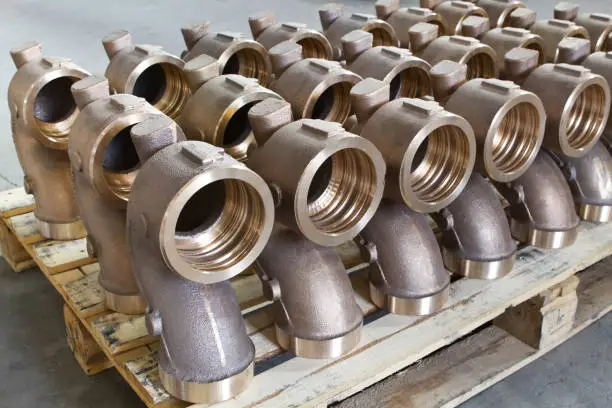
Applications and Future Trends of Copper Casting in Industry
The biggest use for copper castings is in electrical infrastructure, which includes parts for switches, transformers, and grounding systems. Copper's excellent conductivity and resistance to corrosion make these uses possible and ensure stable power transfer. More copper castings are needed in wind turbine engines and solar panel mounting systems because the green energy industry is growing.
Automotive and Transportation Applications
For electrical car parts like motor housings, battery connectors, and charging system components, copper casting is used more and more in automotive uses. Copper's better thermal control makes electric motors work more efficiently while lowering the size and weight of their parts. These benefits are in line with the auto industry's moves toward electric vehicles and making cars more fuel-efficient.
Marine industry demands specialized copper-nickel castings for propeller and pump uses. Copper alloys are less likely to get biofouling, which means they need less upkeep, and they resist corrosion better than stainless steel options. These features come in very handy for offshore green energy uses where accessing the equipment for upkeep is hard.
Digital Manufacturing and Sustainability Trends
New digital production technologies, such as 3D printing, are starting to change the way standard casting is done. Even though 3D printing can't yet match the output volumes of traditional casting, it is better for making prototypes and complicated tools. To cut down on development time and prices, hybrid manufacturing methods use both 3D printed patterns and standard casting methods.
Sustainability concerns are becoming more and more important in choosing materials and where to get them. Copper is very easy to recycle, which makes closed-loop manufacturing methods possible that decrease waste and the cost of raw materials. Responsible buying methods help keep the supply chain stable over the long run and make sure that environmental laws are followed.
Conclusion
Copper casting is still an important way to make things for many different industries, from building electricity systems to making parts for cars. Copper metals are unbeatable in tough situations because they are good at conducting electricity, withstanding high temperatures, and not rusting. By learning about the different casting methods, quality standards, and application factors, you can make smart purchasing choices that improve performance and reduce costs. As digital production and environmentally friendly practices continue to improve, copper casting processes will be able to do more and be better for the environment.
FAQ
What distinguishes copper casting from bronze casting?
Both copper casting and bronze casting use copper-based alloys, but copper casting uses pure copper or alloys with a high copper content (over 90% copper), while bronze casting uses copper-tin alloys with tin content between 5% and 25%. Pure copper is the best conductor of electricity, while bronze is stronger and more resistant to wear in industrial uses.
How can casting flaws in copper parts be kept to a minimum?
To avoid defects, you need to pay close attention to the design of the gates, the temperature control during pouring, and the preparation of the mold. The right feeding systems can make up for the shrinking that happens during solidification, and controlled pouring rates keep turbulence and gas buildup to a minimum. Good sand preparation and enough mold ventilation also make it less likely that defects will happen.
Are custom low-volume copper casting services available?
Most foundries can handle unique orders for small amounts, especially when they use sand casting methods that don't require a lot of money to buy tools. Investment casting is also good for small-scale production because it gives you better surface finish and accuracy of dimensions. Minimum order amounts range from 10 to 100 pieces, depending on the provider and the complexity of the part.
Partner with Fudebao Technology for Expert Copper Casting Solutions
Precision copper casting solutions are provided by Fudebao Technology, which blends decades of metalworking experience with cutting-edge production skills. Our combined facilities cover the whole production cycle, from melting to finishing. They can achieve dimensional accuracy of ±0.05mm, which is very good for car, electrical, and aircraft uses. As a reliable copper casting provider, we offer full engineering help and quality control to make sure your parts meet all the requirements. Get in touch with hank.shen@fdbcasting.com to talk about your project needs and see how Fudebao Technology can help you.
References
Davis, J.R. "Copper and Copper Alloys: ASM Specialty Handbook." ASM International Materials Park, 2001.
Beeley, Peter R. "Foundry Technology, Second Edition." Butterworth-Heinemann, 2001.
American Foundry Society. "Casting Design and Performance." American Foundry Society, 2009.
Campbell, John. "Complete Casting Handbook: Metal Casting Processes, Metallurgy, Techniques and Design." Butterworth-Heinemann, 2015.
Sahoo, Manas and Sahu, Sam. "Principles of Metal Casting, Third Edition." McGraw-Hill Education, 2014.
Copper Development Association. "Standards Handbook: Cast Copper Alloy Products." Copper Development Association, 2018.



_1756352400994.webp "chassis enclosure")
_1756349957728.webp "metric v belt pulley")
_1756348356531.webp "Automobile engine oil pan")
_1756348227989.webp "Aluminum casting movable U frame")
_1756345858191.webp "Aluminum casting crafts")