
What Are the Best Die Casting Aluminum Alloys for Industrial Applications?
2026-08-04
Selecting the right die casting aluminum alloys is fundamental to achieving durability, precision, and cost-efficiency in industrial manufacturing. The optimal choices depend on your specific application requirements—whether you need superior thermal conductivity for heat dissipation, exceptional corrosion resistance for outdoor environments, or high strength-to-weight ratios for automotive and aerospace components. Generally, alloys like A380 dominate automotive applications due to excellent castability and mechanical properties, while A360 serves electrical components requiring enhanced corrosion resistance. For high-performance aerospace parts, alloy 354 offers superior strength after heat treatment. Understanding alloy composition, mechanical characteristics, and industry-specific demands enables informed procurement decisions that balance performance with manufacturing scalability.

Understanding Die Casting Aluminum Alloys: Composition and Properties
What Makes Die Casting Aluminum Alloys Unique?
Die casting aluminum alloys are man-made materials that are made to work with high-pressure injection moulding. These metals are mostly aluminum mixed with silicon, copper, magnesium, and small amounts of other elements that change their mechanical and physical properties in big ways. Silicon content is usually between 5% and 12%. It makes the material more fluid during casting and less likely to shrink, which means fewer flaws and tighter standards for size. Adding copper—usually between 1% and 4%—increases tensile strength and hardness. This makes the parts suitable for load-bearing uses like engine brackets for cars and industrial gearbox housings.
The fact that these metals have balanced property ratings is what makes them so beautiful. They keep their density at about 2.7 g/cm³, which is about a third of that of steel. This meets important requirements for lightweighting in the transportation sector. Depending on the makeup, thermal conductivity can reach 96–120 W/m·K, which makes it better than many other materials for managing heat in places like LED housings or power electronics cases. The oxide layer that forms naturally on aluminum surfaces protects them from corrosion, so they don't need as much post-treatment in many situations.
Common Alloy Series and Their Chemical Signatures
Die casting processes depend on Al-Si metals to work. The A380 alloy, which is made up of about 8.5% silicon and 3.5% copper, is a great example of this type of alloy because it is easy to shape and fill in dies and stays the same size through thermal cycles. Some types of Al-Si-Cu, like 383, raise the amount of silicon a little while changing the amount of copper. This makes alloys that work best for thin-wall castings, where metal flow is very important. By changing these parts of the composition, manufacturers can change the mechanical properties to fit the needs of the assembly. For example, they can trade some ductility for higher hardness or change the thermal expansion coefficients to fit the needs of the assembly.
Aluminum alloys have a number of useful benefits over magnesium and zinc options. Magnesium saves a little more weight than aluminum, but it can rust when mixed with metals that are not the same, which makes designing assemblies more difficult. Zinc metals have a great finish on the outside, but they cost more and don't work as well at high temperatures. Aluminum is the best of both worlds: it can be recycled without losing any of its properties, it's cheap enough to be used on an industrial scale, and it can keep its shape in temperatures ranging from -40°C to 200°C, which is the temperature range that most cars and machines operate in.
Mechanical Properties That Matter in Real-World Applications
Understanding how the qualities of a material affect real-world situations helps buying teams decide what to specify. The tensile strength of most die casting aluminum alloys is between 240 and 330 MPa, which is strong enough for structural braces and housings that have to handle both standing and moving loads. The yield strength, which is the stress level at which a material stops permanently deforming, is usually between 160 and 240 MPa. This gives engineers clear safety margins when designing. Even though elongation values are only 2% to 6%, they are still good enough for parts that don't need to be very flexible.
Different types of alloys respond very differently to heat treatment. Standard A380 doesn't change much when it's aged, but special alloys like 354 get a lot stronger when they go through T6 heat treatment protocols, reaching tensile strengths of more than 440 MPa. When creating aircraft parts or high-stress industrial machinery parts, where material performance directly affects safety certifications and operating lifespan, this skill becomes necessary. The Brinell scale shows that the surface hardness of most die-cast metals is between 75 and 120 HB. This means that they have a good level of wear protection for parts like pump housings and motor mounts that get moderately worn down over time.
Top Aluminum Alloys for Die Casting in Industrial Applications
A380: The Industry Workhorse for Automotive Components
For strong technical and financial reasons, the A380 is the best choice for die casting aluminum alloys in the car industry. Its silicon content makes it very fluid, which means that molten metal can fill complex mould shapes with thin walls and intricate features. For example, gearbox housings with built-in cooling channels or engine blocks with exact cylinder bore spacing are examples of this. The metal doesn't crack easily when heated, which lowers the amount of scrap that is made during high-volume production runs, where accuracy directly affects profits.
Automotive providers choose A380 for engine mounts, steering column parts, and structural frames because it has solid mechanical qualities and doesn't need to be heat treated, which makes the production process easier. The alloy doesn't rust when exposed to road salt and water under the body, but protective coatings can make it last longer in harsh environments. We've seen procurement teams specifically ask for the A380 for projects that need PPAP documentation and long-term dimensional stability—it's become the standard way for OEMs and tier-1 suppliers to describe their needs.
A360: Optimized for Corrosion Resistance and Pressure Tightness
A360 is different because it has less copper in it. This means that it is less strong, but it is also more resistant to rust and better at keeping pressure inside, which are both very important for parts that hold fluids or gases under pressure. This alloy is used for electrical enclosures that are in marine or industrial environments where galvanic corrosion could weaken the seal. The lower amount of copper also makes the anodising process better, but high silicon still makes the finishes darker than with wrought metals.
Manufacturers of industrial equipment use A360 for parts of compressor housings, hydraulic valve bodies, and air system components where leak paths show problems with how they work. Because the alloy is so easy to cast, thin-wall sections can be made that reduce the weight of parts without sacrificing their structural integrity. Customers in the electrical industry like A360 for motor housings and generator cases because it is both thermally conductive and resistant to rust, which helps get rid of heat and ensures long-term dependability in outdoor settings.
Alloy 383: Balancing Fluidity with Mechanical Performance
Alloy 383 raises the silicon content higher, usually to about 10.5%, which makes the material more fluid and easy to die-fill. Because of this, 383 is the best metal for parts with very thin walls or complicated shapes that are hard for normal alloys to handle. As a trade-off, the aircraft has slightly worse mechanical qualities than the A380. However, these differences are usually small enough for most technical uses.
We see 383 specifications in housings for consumer electronics, parts for small appliances, and telecommunications infrastructure where complex heat sink designs need better metal flow during casting. The alloy is very resistant to hot tears, which lowers the number of defects in production and lowers the cost per unit in high-volume manufacturing situations. Procurement managers like that 383 often lets them cast features in a single operation that would normally need to be put together again. This streamlines supply chains and cuts down on the number of quality control points that need to be visited.
Alloy 354: Premium Performance for Aerospace and High-Stress Applications
Alloy 354 is the best die-cast aluminum for efficiency. It has high amounts of copper and magnesium and reacts very well to T6 heat treatment. After treatment, the tensile strength can be over 440 MPa, and the yield strength can be close to 315 MPa. This gives the steel mechanical qualities that are on par with some aluminum forgings. Because of this, 354 can be used for structural parts in aircraft, housings for defence equipment, and high-performance car parts where material performance directly allows weight reduction strategies.
The alloy needs more complex rules for processing. To get the desired qualities, heat treatment methods must be carefully handled so that distortion or leftover stress doesn't happen, which makes the measurements less accurate. Aerospace quality directors set the standard 354 for clamps, mounting interfaces, and secondary structures. Every kilogram saved over the life of an aeroplane saves fuel. The process of certifying the alloy through AS9100 quality systems costs more, but it gives the traceability and paperwork that is needed for aerospace and defence contracts.
Comparing Die Casting Aluminum Alloys with Alternative Materials
Aluminum vs. Magnesium: Weighing Performance Against Practicality
With a mass of about 1.8 g/cm³, magnesium metals are appealing to designers because they are about 35% lighter than aluminum. When looking at real-world component design, this advantage becomes much smaller. Because magnesium has lower elasticity, walls need to be thicker to stay stiff, which partly cancels out weight gains. Corrosion behaviour causes bigger problems; magnesium corrodes easily in damp places and needs pricey coats to protect it, which makes recycling more difficult.
When die casting, die casting aluminum alloys keep their shapes better over a wide range of temperatures, which is harder for magnesium to do. When buying teams look at lifetime costs, aluminum's easy surface treatment needs and well-established recycling facilities often tip the scales in its favour. More and more, automotive uses prefer aluminum for structural integration where parts meet steel body structures. This is because aluminum is galvanic compatible, which means it doesn't need to be isolated as magnesium assemblies do. This cuts down on the number of parts needed and the complexity of the assembly.
Aluminum vs. Zinc: Strength, Temperature, and Economic Realities
Zinc die casting metals have a very smooth surface and are very close to being in the right shape, which means that less machining is needed for cosmetic uses. Zinc's lower melting point makes dies last longer and uses less energy per cycle. Zinc metals, on the other hand, creep at temperatures above 95°C, which means they can't be used in places like car engine bays or industrial equipment that has to work at high temps. Tensile strength is limited to about 280 MPa, which means it can't hold much weight.
The way prices change depends on the prices of commodities, but aluminum is usually a better value for uses that need to work at high temperatures or have higher strength-to-weight ratios. We tell our clients to use zinc for parts like door handles, decorative trim, and small electrical housings where the specifications are based on how the surface looks. Aluminum is the best material for parts that need to be welded or machined, go through thermal cycling, or need to keep their shape across temperature ranges that make zinc less stable.
Die Casting vs. Sand Casting: Process Selection Impacts Material Performance
Die casting and sand casting are two very different ways of making things that have very different material effects. High-pressure die casting pushes molten aluminum into steel dies at speeds of more than 40 m/s. This makes microstructures with fine grains that have better mechanical properties and surface finishes. Without machining, dimension errors often reach ±0.1mm, which is very important for parts that need to fit together tightly or have precise mounting surfaces. But the fast solidification can catch gases, leaving holes inside that make it hard to keep the air inside without vacuum-assist systems.
Sand casting can make parts of larger sizes and lower volumes with little investment in tools. The slower solidification makes the grain structures rougher and the mechanical qualities worse than die-cast versions. Most of the time, grinding is needed to get a smooth surface, and the limits for size start at ±0.5mm. Customers of industrial machines often use two different methods for different parts. For big, low-volume housings, they will use sand casting, while for high-volume brackets, covers, and precision interfaces, they will use die casting, where the amortised tooling costs save them money per unit.
Material choices are being affected by environmental factors more and more. Aluminum can be recycled over and over again without losing any of its properties. This is in line with the circular economy ideas that are now emphasised by regulations and business sustainability promises. Die casting scrap goes straight back into melting operations, and aluminum that has already been used has the same performance in new castings. Because of this closed-loop possibility and the fact that aluminum has less embodied energy than primary steel or titanium, die casting aluminum alloys do well in lifecycle studies, which are now something that smart buying organisations do all the time.
Procurement Guide: Buying Die Casting Aluminum Alloys for B2B Clients
Critical Supplier Evaluation Criteria
To find high-quality die casting aluminum alloys, you have to do more than just compare prices with other suppliers. Quality management certifications are the building blocks. ISO 9001 sets the basic rules for how things should be done, and IATF 16949 covers the specifics of automotive quality systems, like the PPAP documentation, control plans, and MSA protocols that automakers need. For aerospace uses, you need AS9100 approval that shows you have traceability systems, special process controls, and configuration management skills that regular providers might not have.
In addition to certifications, you should look at how well suppliers can test and control the process. Spectroscopic analysis tools should check the alloy makeup of both raw materials and finished casts, making sure that all production lots are the same. Mechanical testing labs that can do tensile testing, hardness verification, and metallographic analysis show that a supplier cares about quality more than just getting certifications. For important uses where speed directly affects safety or following the rules, we suggest asking for the right to test with a witness and for third-party verification choices.
Understanding Pricing Dynamics and Volume Strategies
Aluminum prices change based on quotes from the London Metal Exchange. This creates a level of commodity volatility that suppliers usually work through with set lead times. Die casting aluminum alloys are more expensive than primary aluminum because the alloying elements are more expensive and the process is more complicated. Expect 15% to 35% adders, based on the makeup and market conditions. When a supplier offers set prices, the contract needs to be carefully looked over. This is because the supplier is either hedging their market exposure or adding risk premiums to their quotes that may make the actual prices go up over the term of the contract.
When you make a volume promise, you can use better pricing models. Standard alloys like A380 might have a one-ton minimum order quantity, while specialised alloys like 354 might need a five-ton minimum, which is based on how much it costs to process in batches. Annual volume agreements that make demand clear help suppliers get the most out of their inventory costs and production schedules. They can share the savings they make through tiered pricing structures. Blanket purchase orders with scheduled releases give you buying options while securing volume discounts. This is especially helpful when dealing with changes in seasonal demand or rolling out a project in stages.
When standard specs don't exactly match the needs of an application, custom alloy development is another way to get what you need. Suppliers who have their own metallurgical experts can change the amounts of silicon, copper, or magnesium to get the best properties for different uses, like making it more resistant to corrosion in marine settings or better at managing heat. Custom metals usually have a 10-ton minimum order and development costs, but the improved performance can make the investment worth it for high-value uses or unique product strategies.
Logistics and Communication Best Practices
To have good relationships with suppliers, you need to be able to communicate clearly and set realistic goals. The alloy name, critical dimensions with tolerances, surface finish requirements, and any special processing like heat treatment or surface coating should all be written on the engineering drawings. Specifications that aren't clear lead to expensive revision cycles and delays, so take the time to write down all of your requirements clearly from the start. When changes need to be made, official change management methods that keep track of revisions keep people from miscommunicating and throwing off production schedules.
When you source goods from around the world, processes like wait times, shipping methods, and customs procedures become more complicated. Ocean freight from Asian suppliers takes 30 to 45 days to travel, plus time for customs clearance. This means that accurate demand forecasting and buffer inventory strategies are needed. Air freight shortens lead times but raises shipping costs. It can work for prototypes or emergency supplies but not for normal production. Although domestic suppliers charge more, they are more responsive and lower the risk of disruptions in the supply chain, which has made them more important from a strategic point of view.
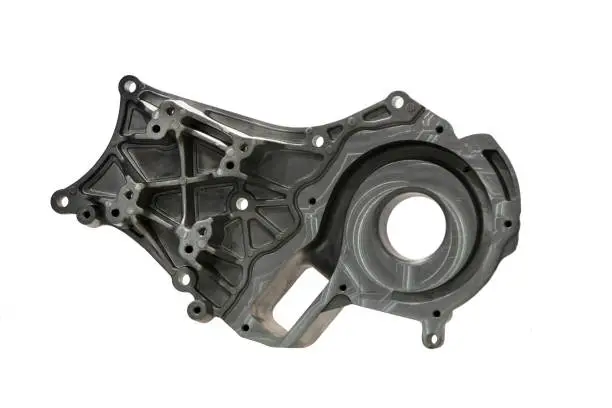
Future Trends and Innovations in Die Casting Aluminum Alloys
Next-Generation Alloy Development
Researchers are looking for die casting aluminum alloys that have performance levels that are above and beyond what is possible with die casting. Scandium-modified alloys have amazing effects on fine-graining, which improves their mechanical properties and resistance to corrosion. However, scandium is hard to come by and costs a lot, so it isn't widely used in industry yet. More practical progress in the near future will focus on improving standard alloying elements by better controlling their composition and managing trace elements. This will lead to small improvements in performance that add up to big benefits.
As more cars become electric, there is a need for metals that conduct heat better so that battery temperature management systems can meet their needs. Power electronics in EV inverters produce large amounts of heat that need to be efficiently removed through aluminum castings. Researchers are looking into ways to increase the amount of silicon in alloys and add magnesium in ways that balance thermal performance with mechanical strength. The goal is to make alloys that work best in electric powertrain applications, which have different temperature profiles than traditional internal combustion environments.
Process Technology Advances
Vacuum-assisted die casting systems are an example of an old technology that is becoming more popular as people demand higher quality. Getting rid of the air in the die cavities before the metal is injected greatly lowers porosity. This makes it possible to make pressure-tight castings that can be used for fluid-handling tasks without using impregnation processes. By getting rid of gas-related flaws that limit traditional die casting design rules, the process allows for thinner walls and more complex geometries. The initial costs are higher than those of normal die casting tools, but the wider range of capabilities makes the investment worthwhile for uses that need the highest level of integrity.
Using semi-solid metal casting methods changes the way aluminum solidifies by adding partially solidified metal slurries that have globular microstructures instead of dendritic solidification patterns. By lowering thermal shock, the process lowers porosity, improves tensile qualities, and makes dies last longer. Specialised uses are still the only ones where die casting is used commercially, but structural parts for cars are a good example of a place where semi-solid processing could make die casting a good alternative to forgings or extrusions.
Sustainability and Circular Economy Integration
As sorting and manufacturing technologies get better, recycled aluminum alloys start to work as well as raw metals. Modern spectroscopic dividers sort used aluminum by the alloy family they are made of, keeping the compositional purity that lets the aluminum be melted directly into die casting specs. Using recycled content cuts embodied energy by about 95% compared to making aluminum from scratch. This greatly lowers lifetime carbon footprints, which is now a measure that is tracked by both company sustainability reports and customer buying scorecards.
The most environmentally friendly way to recycle is in closed-loop systems where manufacturers take back their own used products. Automakers are testing programs that collect used cars, sort aluminum parts by alloy, and send the material back to casting suppliers to be used to make new parts. For these circular processes to work, the present infrastructure only partly supports supply chain coordination and tracking systems. However, governmental pressure and corporate promises point to faster adoption over the next ten years.
Conclusion
To choose the best die casting aluminum alloys, you have to find a balance between technical performance, cost, ease of manufacture, and the needs of the application. The A380 is still the best choice for general car and industrial uses, while the A360 is better for places where rust is a problem and for electrical parts. Specialised metals like 354 are used in high-performance situations where better strength justifies more work during processing. As circular economy ideas catch on, more and more environmental concerns are being taken into account when choosing materials. To be a good buyer, you need to carefully evaluate suppliers, communicate clearly with them about technology issues, and know how prices change over time. Modern alloys and method improvements offer better results, making aluminum die casting a more advanced way to make things in many different industries.
FAQ
Why do aluminum alloys dominate die casting compared to other metals?
Because they have the best mix of qualities, die casting aluminum alloys work great for die casting. The material's low melting point of about 660°C makes heat stress on dies less severe, which extends the life of tools compared to metal materials that need much higher temperatures. With a density of 2.7 g/cm³, aluminum saves a lot of weight, which is important for shipping, without losing enough strength for most structural needs. Aluminum's natural oxide layer makes it resistant to rust, and its high thermal conductivity makes it perfect for parts in electronics and power systems that remove heat.
How can I identify the optimal alloy for my specific industrial application?
Alloy selection should systematically evaluate your component's operational requirements. Begin with mechanical loading. Parts that will be under a lot of stress need higher-strength alloys, such as A380 or 354, that have been heat treated. Check the environment; marine or chemical settings are better for lower-copper alloys like A360, which are better at resisting corrosion. Check the temperature; parts that work above 150°C might need special alloys that are better at resisting creep. Think about things like the width of the walls, the complexity of the shapes, and the finish you want on the outside. When you involve manufacturers early on in the design process, they can make metal suggestions that meet both performance needs and the cost of production.
What benefits do custom alloy compositions provide for specialized applications?
Custom metal creation lets you precisely improve properties when standard alloys don't meet the needs of an application. Changing the amount of silicon in the mix fine-tunes the flexibility and casting properties for complicated shapes. Changing the amount of copper in something strikes a balance between strength and resistance to rust in certain environments. Adding magnesium makes things stronger and improves how they respond to heat treatment for high-performance uses. Custom alloys need bigger commitments in terms of volume and higher metallurgical development costs, but the performance gains make the investment worthwhile when standard alloys fall short of design goals or when material optimisation makes a difference in demanding applications that are competitive.
Partner with Fudebao Technology for Your Die Casting Aluminum Alloys Requirements
It takes a lot of time and effort for engineers and buyers to figure out how to choose the right alloy and make sure that the supplier is qualified. These problems can't happen with Zhejiang Fudebao Technology Co., Ltd. because they have a wide range of skills, including knowledge of die casting aluminum alloys, modern manufacturing, and quality assurance systems. Our facility has high-pressure die casting machines, CNC machining centers, and full finishing operations. We can deliver parts from raw materials to finished parts that are ready to meet specifications. We keep the accuracy of our measurements within ±0.05mm, which meets the strict needs of industries that use precise parts in cars, spacecraft, and factories. We offer IATF 16949 certification, full PPAP documentation, and engineering support throughout your product development cycle as an established manufacturer serving international brands. Email our technical team at hank.shen@fdbcasting.com to talk about your specific alloy needs, see our quality credentials, and get detailed quotes that are based on your volume and specification needs.
References
1. American Foundry Society (2021). Aluminum Casting Technology. Des Plaines: AFS Publications.
2. Kaufman, J. Gilbert and Rooy, Elwin L. (2019). Aluminum Alloy Castings: Properties, Processes, and Applications. Materials Park: ASM International.
3. North American Die Casting Association (2020). NADCA Product Specification Standards for Die Castings Produced by the Semi-Solid and Squeeze Casting Processes. Wheeling: NADCA.
4. Becker, Hans and Wagner, Daniel (2022). "Lightweight Aluminum Die Castings for Automotive Electrification." SAE International Journal of Materials and Manufacturing, 15(3): 287-301.
5. Lumley, Roger N. (2018). Fundamentals of Aluminium Metallurgy: Recent Advances. Cambridge: Woodhead Publishing.
6. International Aluminium Institute (2023). Global Aluminium Cycle: Sustainability Through Recycling. London: IAI Publications.



YOU MAY LIKE