What are the Advantages of Using a Professional Sand Casting Service?
2026-04-23
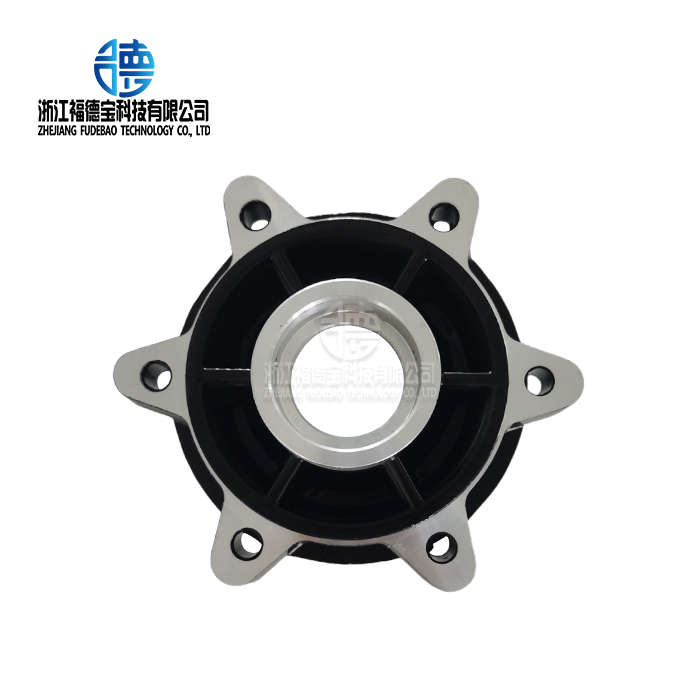
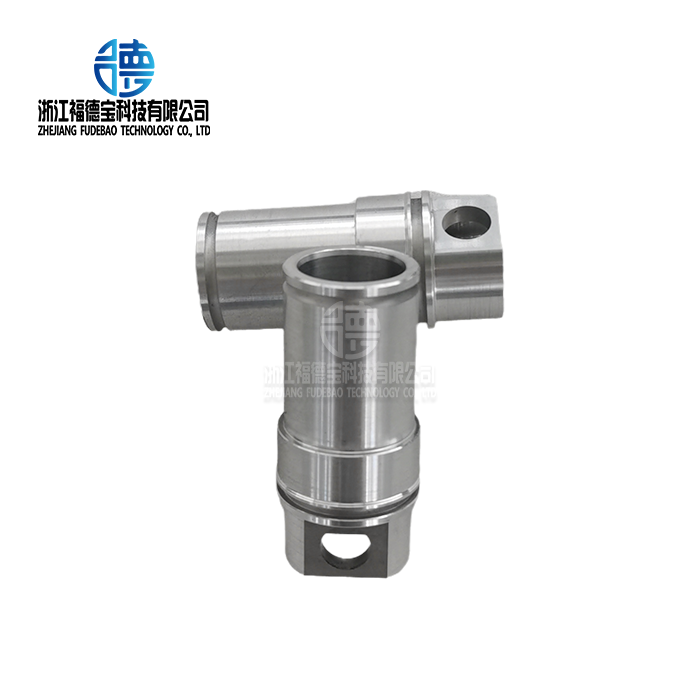
Professional sand casting services add value by blending foundry techniques that are hundreds of years old with current precise engineering. Green sand or resin-bonded sand are carefully mixed sands that are used in this manufacturing method to make models that can be used more than once and can make metal parts weighing from ounces to over 100 tons. The benefits include lower costs, more design options, better material qualities, and lower danger. Professional service providers make these benefits even better by using strict quality control systems, high-tech tools, and a lot of knowledge about the business. When procurement teams are in charge of handling complicated supply chains, they can turn raw materials into mission-critical parts that meet exact performance and size requirements by working with experienced casting experts.
Understanding Professional Sand Casting Services
What Defines Professional Sand Casting?
Professional sand casting is a way to shape metal in which tightly linked sand mixes make patterns that can be used again and molds that can be thrown away. The first step is to make a pattern, which can be made of wood, metal, or 3D-printed tools and forms the shape of the hollow. The pattern is packed down with sand and binders, and then the pattern is taken away, leaving a bad image. When molten metal flows into this hole, it hardens, and the sand breaks away to show the final casting. The "collapsibility" of sand molds stops hot breaking while they cool, which is especially helpful for metals that shrink a lot when they solidify.
Materials and Alloy Flexibility
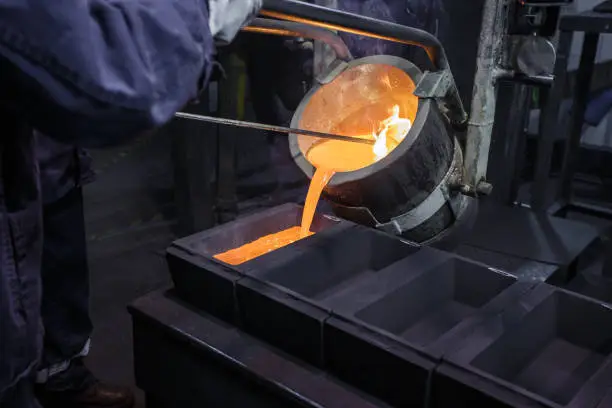
Almost any metal that can be cast can be used in this method, such as copper alloys, stainless steel, carbon steel, ductile iron, and even high-temperature superalloys like Inconel. Sand casting can handle materials hotter than 1600°C, as opposed to die casting, which has trouble with heavy metals and high melting points. Chemical bonds keep the mold together during the pour, and silica sand can handle these high temperatures without melting. This alloy's adaptability is very important when the requirements for a part call for specific mechanical qualities, like tensile strength, corrosion resistance, or heat conductivity, that can only be provided by certain materials.
Industry Applications Across Sectors
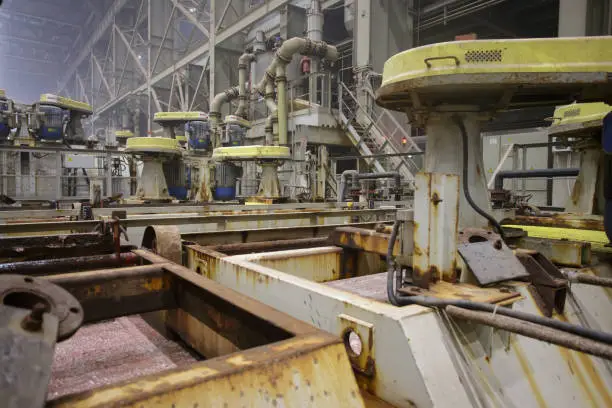
Powertrains in cars use sand-cast engine blocks and transmission housings, which have complicated core assemblies for the cooling passageways inside. Large valve bodies and pump cases made of duplex steel can withstand the harsh conditions found offshore in the energy industry. Heavy machinery parts, like backhoe counterweights, gearbox housings, and structural frames, use the process's ability to make huge casts that reduce vibrations and add mass to the structure. Manufacturers of industrial equipment use sand-cast parts for pumps, hydraulic systems, and processing equipment because they are more durable than they look on the surface.
What Sets Professional Providers Apart?
Professional sand casting foundries set themselves apart by having quality management systems that are approved to meet the requirements of ISO 9001, IATF 16949 for car suppliers, and AS9100 for aerospace uses. For these certificates, processes must be written down, traceability rules must be followed, and efforts must be made to keep improving. Providers with a lot of experience keep up metallurgical labs for analyzing chemical makeup, mechanical testing equipment for checking tensile and hardness, and measurement inspection tools like CMM systems. Their engineering teams help with design for manufacturability reviews, which include finding the best gate placement, lift size, and cutting allowances before spending money on tools.
Enhanced Quality and Precision with Professional Sand Casting
Advanced Molding Technologies
Modern foundries use automatic sand casting lines to make sure that the mold stiffness and sand compaction density stay the same from one production run to the next. Horizontal and vertical molding tools get rid of the human factors that used to change the regularity of dimensions. Precision core-making equipment makes complicated internal geometries that are always accurate. This is very important for parts that have internal pathways or complex hollow sections. When you use furan or phenolic binders with resin sand systems, the dimensions are usually tighter (ISO 8062 CT10 to CT12) than with green sand (CT13), which means that less cutting is needed afterward.
Rigorous Inspection and Quality Assurance
Professional services use multi-stage inspection methods that begin with checking the raw materials that come in. Spectroscopy checks the chemistry of the metal before it melts, and temperature tracking makes sure the right conditions are met for pouring. Radiographic inspection, ultrasonic testing, and magnetic particle inspection are all non-destructive testing methods that can find internal holes or inclusions before cutting is done. Using a CMM to check the dimensions of important features makes sure they match up with engineering models. These multiple quality checks lower the chance that bad parts will make it to the assembly steps, which protects your production plans and brand image.
Surface Finish and Dimensional Capabilities
Die castings have smoother surfaces than sand castings, but skilled foundries can get the best finish by controlling the size of the sand grains, the coatings on the molds, and the process factors. Aluminum alloys usually have a surface roughness of between 6.3 and 12.5 Ra microns, which is fine for many uses and doesn't need much finishing. Tolerances for measurements depend on the size and complexity of the casting, but experienced providers can always get within ±0.5mm of key dimensions for parts shorter than 500mm. Linear tolerances get even better when as-cast features are combined with planned CNC cutting on precise bores and mating surfaces.
Cost-Effectiveness and Efficiency Benefits
Lower Initial Tooling Investment
Sand casting patterns cost significantly less than permanent metal dies required for die casting or investment casting. For example, making a complicated metal design could take two to six weeks, while making hardened steel dies could take months. Because of the lower cost of the tools needed, this process can be used to make between 50 and 50,000 pieces per year, which is in between the small numbers needed for prototypes and large amounts needed for mass production. Product development teams can try different designs more cheaply before committing to expensive fixed tooling, which makes it easier to make changes to designs.
Economies of Scale and Material Efficiency
Professional sand casting foundries get the most out of melting by mixing similar metal together in batches. This cuts down on the amount of energy needed for each casting. Their buying power gets them better prices on raw materials, and runners, gates, and failed castings are reused in recycling methods that have been around for a long time. Sand reclamation systems clean and recondition used molded sand, which cuts down on the cost and damage to the environment of dumping. These working savings lead to competitive piece prices without lowering quality standards. This is especially clear when producing in medium to large quantities.
Streamlined routines cut down on dealing that doesn't add value between steps of a process. Integrated facilities do all of the melting, casting, shakeout, and finishing in one place. This cuts down on shipping delays and the cost of keeping supplies on hand. Schedulers with a lot of experience combine the ability to prepare molds with the ability to pour metal so that output stays steady. Just-in-time shipping methods work better when lead times are shorter, which helps with inventory management. Accurate forecasting is made easier by predictable production cycles, which help procurement teams coordinate casting supplies with assembly plans while reducing the amount of storage space needed in warehouses.
Reduced Waste and Rework Rates
Common flaws like gas pores, cold shuts, and sand inclusions can be avoided with mature process controls. Calculations of sand permeability make sure that there is enough air flow, and the design of the gate system helps control the flow of metal and direct solidification. Simulation software finds possible flaws before the actual production of the tools. This lets engineers make changes that keep expensive fixes from having to be made later. Less rejection means fewer rush orders to repair broken parts, which protects your production and keeps you from having to pay extra for faster shipping.
Customization and Flexibility to Meet Diverse Needs
Complex Geometries and Design Freedom
When sand casting molds harden, they break apart, which makes it possible to make undercuts and other features that can't be done with fixed molds that need draft angles. Core assemblies make hollow sections, cooling channels, and complex internal shapes inside of a single casting, so there are no welded parts or possible leak paths. Wall thickness can change a lot within a single component, which helps place materials in the best way to make them stronger while also lowering their total weight. This design freedom lets engineers combine several made parts into a single casting, which cuts down on the number of fasteners and assembly work needed while making the structure stronger.
Size Range Capability
The process can handle huge differences in size within the same building. Precision castings that weigh only a few ounces are used in electronics and electrical uses, while huge parts that weigh more than several tons support the structures of heavy equipment. This scalability is important if your product line includes both small assemblies and big structural elements. It lets you buy from a single source instead of having to manage a bunch of different specialized providers. When you use large castings instead of welding fabrications, which can warp and leave behind stress, you get better physical stability for important uses.
Prototype Through Production Volumes
Professional sand casting foundries help you with every step of the product process, from validating your initial idea to mass production. Rapid prototyping uses 3D-printed patterns or soft tools to make quick models that let you test and confirm the design before committing to production patterns. When going from prototyping to production numbers, the same process factors and quality standards are used without any problems. This consistency cuts down on qualification time and makes sure that the performance of the prototype is accurately transferred to the production parts.
Foundries with a lot of experience can handle the changes in volume that are normal in industry markets. Peaks in seasonal demand, the release of new products, and guarantee repairs that come up out of the blue all require supply chain partners who can quickly increase or decrease capacity. Professional service providers keep in touch with network foundries to make sure they have enough extra capacity and that quality standards are met by using the same review criteria and specs. Your buying team will be able to change order amounts without having to commit to long-term volume levels or pay a penalty for missing a minimum order.
Risk Mitigation and Reliable Supply Chain Partnerships
Predictable Lead Times and Delivery Reliability
Based on true capacity and cycle times, professional sand casting services make production plans that are reasonable. Making patterns, making molds, and ending work all follow set schedules that take into account factors that affect how complicated the job is. Clear communication lets you know about the state of your orders on a regular basis, letting you know about any delays early enough to make plans for how to handle them. Because of this, your production planning teams can safely schedule assembly operations, which cuts down on the need for safety stock and the costs that come with it.
Quality Consistency Across Production Runs
Consistency from batch to batch depends on strict process control and written rules. Professional foundries keep thorough process sheets that list the amounts of sand and binder to use, as well as the compression pressures, temperatures, times, and temperatures for pouring and cooling. Statistical process control keeps an eye on important factors and takes corrective steps before changes in dimensions or mechanical properties happen. When source capability studies show that the process is stable, your quality teams don't have to spend as much time checking new castings. Instead of 100% verification, they can just do sampling inspections.
Long-Term Partnership Benefits
Building ties with reliable casting providers gives you more and more benefits over time. Foundries that know what your product needs can predict what engineers will need and offer design changes that lower the cost of production or improve performance. Sharing investments in tools for bringing new products to market speeds up collaborative development efforts and keeps development costs low. When capacity is limited, preferred customer status gives you priority schedule, and when demand changes, it gives you freedom.
Geographical diversity and technical duplication make the supply chain more resilient. If main suppliers are interrupted by things like broken equipment, labor problems, or regional situations, qualified casting partners can step in and fill the gap. Dual-source plans work best when both suppliers use the same quality systems and processes, which lets you switch providers quickly without having to wait for requalification. Your risk management strategy gets stronger as you rely less on single-source bottlenecks.
Conclusion
There are practical benefits to using professional sand casting services that go beyond just making parts. Design flexibility, material versatility, cost-effectiveness, and scalability work together to meet the needs of a wide range of industries, including those in the aircraft, heavy equipment, energy, and automobile sectors. Quality-focused providers use new technologies, strict checking methods, and ongoing efforts to make processes better than they were before. Some of the benefits of the supply chain are lower tooling risk, reliable shipping performance, and partnerships that help businesses reach their long-term goals. When purchasing teams look at casting suppliers, they should focus on ones that have proven quality systems, technical skills, and collaborative ways of working that match production knowledge with the needs of your particular application.
FAQ
What materials work best for sand casting applications?
Aluminum alloys, copper alloys, different types of steel, malleable iron, and high-temperature superalloys can all be made in sand casting. Aluminum has a great strength-to-weight ratio, making it perfect for parts in cars and spacecraft. For big tools and building projects, steel castings are the strongest option. The choice of material is based on the mechanical properties needed, the working conditions, and the cost factors that are unique to each application.
How does sand casting compare to die casting for production efficiency?
Die casting has shorter cycle times and better standards, but it costs a lot to make the tools, so it's not cost-effective for orders below 5,000 to 10,000 pieces. Sand casting is a cheap way to make between 50 and 50,000 units a year with a lower starting investment. Because die casting can't work with many ferrous metals and high-melting-point alloys, the choice relies on the amount of material that needs to be made, the size requirements, and the alloy specs.
Can sand castings achieve dimensions suitable for direct assembly?
As-cast, many features can meet the needs of assembly, especially non-critical surfaces and exterior shapes. To get the smoothness, roundness, and positional tolerances needed, CNC cutting is usually done after mating surfaces, precision bores, and threaded holes. Hybrid methods lower the cost of production by casting forms that are close to the net and only milling important features that need to be precise.
Partner with Fudebao Technology for Precision Sand Casting Solutions
Zhejiang Fudebao Technology makes products out of aluminum alloy, copper alloy, and stainless steel. They work with companies all over the world that make cars, industrial equipment, and machines. Our integrated center handles the whole process, from melting to surface treatment, so we can deliver everything from blanks to final parts all in one place. We can also machine parts with an accuracy of up to ±0.05mm. Core equipment includes CNC lathes, high-speed machining centers, low-pressure casting machines, and die casting systems that let production plans be changed easily. We are a reliable sand casting company that offers engineering help, PPAP paperwork, and quality systems that meet foreign standards. Get in touch with hank.shen@fdbcasting.com to talk about the parts you need and find out how our technical skills can help you make your supply chain more reliable.
References
American Foundry Society. (2021). Casting Process Selection Guide: Technical and Economic Considerations. Schaumburg: AFS Publications.
Campbell, J. (2015). Complete Casting Handbook: Metal Casting Processes, Metallurgy, Techniques and Design (2nd ed.). Oxford: Butterworth-Heinemann.
Brown, J.R. (2019). Foseco Ferrous Foundryman's Handbook (11th ed.). Oxford: Elsevier Science.
ASM International. (2018). Casting Design and Performance. Materials Park: ASM International Handbook Committee.
Beeley, P.R., & Smart, R.F. (2017). Investment Casting and Sand Casting: A Comparative Analysis of Process Capabilities. International Journal of Metalcasting, 11(3), 432-448.
Schifo, J., & Nadolny, K. (2020). Modern Sand Casting Technologies for Industrial Applications. Manufacturing Engineering Society International Conference Proceedings, 245-259.



YOU MAY LIKE
_1756360265131.webp "Aluminum casting chair legs")
_1756348711711.webp "anti surge turbo housing")