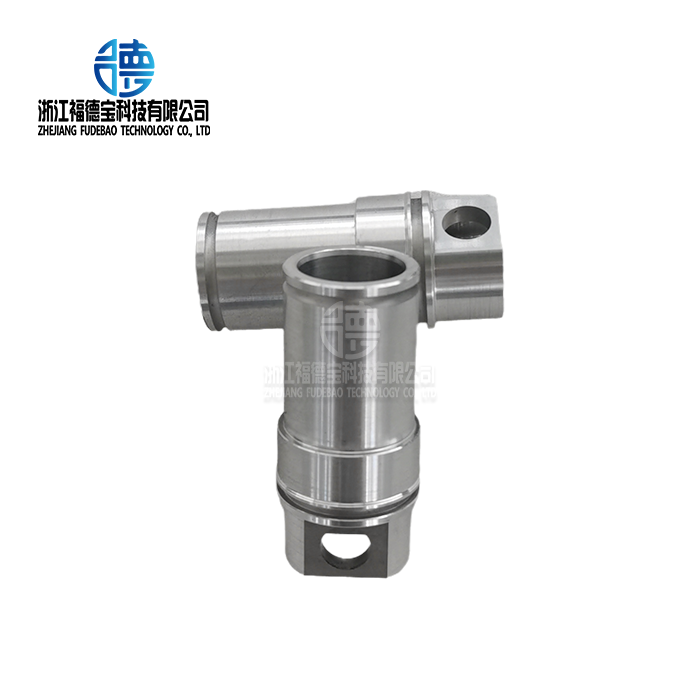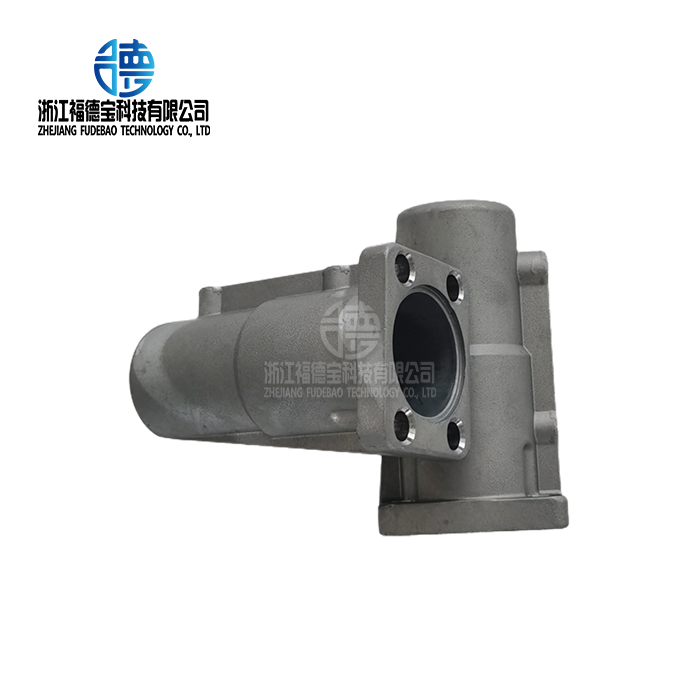
What are the Environmental Considerations in Aluminum Die Casting?
2026-04-24
Environmental issues in aluminum die casting include how much energy is used, how trash is handled, how emissions are controlled, and how much water is used during the whole production process. To heat aluminum alloys and keep the input pressure steady, modern high-pressure die casting processes need a lot of power, which adds to their carbon footprints. But aluminum is an eco-friendly choice because it can be recycled naturally and keeps 95% of its energy value after being processed again. Responsible foundries use closed-loop systems for recovering scrap, pollution filtering systems, and water treatment methods, and they also try to get standards like ISO 14001 to help the environment and support goals for a sustainable supply chain.
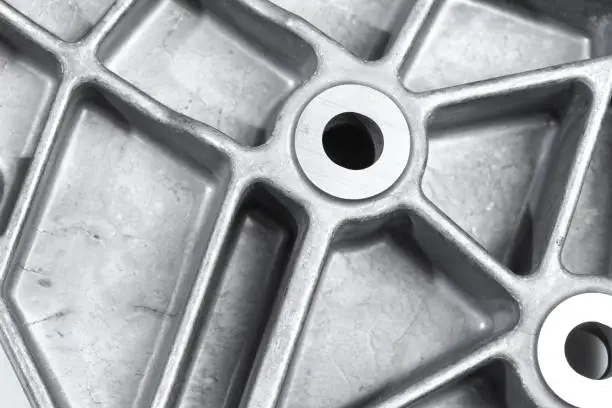
Understanding Environmental Challenges in Aluminum Die Casting
Energy Consumption and Carbon Footprint
During the melting and injection processes, aluminum die casting tools use a lot of electricity. Aluminum alloys like A380 and ADC12 need to be heated to around 660°C (1220°F), and keeping ovens keep the temperature steady during production runs. The need for power is increased by hydraulic devices that create pumping pressures of 1,500 to 30,000 psi. Carbon emissions are directly linked to the total amount of energy used, especially in places where power grids are built on fossil fuels.
High-volume production of car parts makes this problem worse. A single factory that makes battery housings and transmission cases might run several die casting cells all the time, with energy costs making up 15 to 20 percent of the cost of making the goods. Without better heat management and more efficient equipment, foundries' carbon footprints will grow, which is not in line with the environmental scorecards of OEM suppliers.
Waste Generation and Scrap Management
During the casting process, leftover material comes from a number of different places. Gate and runner systems, which are tubes that bring molten metal into mold holes, harden and make up 20–30% of the shot weight. They can't be avoided. Porosity, cold shuts, or flash can cause dimension problems that need to be rejected and remelted. Maintenance on molds creates more waste, such as used oils and worn steel parts that need to be thrown away.
Process controls that don't work well add to waste problems. Temperature changes can make fill patterns less uniform if injection factors are not monitored in real time. This makes the defect rate higher. Automotive tier-1 suppliers that have to follow PPAP paperwork rules can't stand differences in dimensions, which means they have to throw away more parts when the process isn't stable. To keep the material's value during remelting processes, good waste management sorts reusable aluminum alloys by grade.
Air Emissions and Water Use Concerns
Particles and flammable organic substances are released during melting, especially when working with magnesium or zinc metals. When emissions aren't managed, they hurt the air quality in the area and break environmental laws in places like California (SCAQMD rules) and the EU (Industrial Emissions Directive). Melting furnaces that use combustion make nitrogen oxides and sulfur dioxide, which need to be controlled by emission devices.
Large amounts of water are used by cooling towers and quench devices in aluminum die casting to quickly harden casts and keep their shape. Without closed-loop water recycling, facilities release heated wastewater that has chemicals and metal particles in it. Coastal foundries that work with marine and aerospace materials must keep waterways clean, which means they need to build filtration and treatment facilities before they can release.
Strategies to Minimize Environmental Impact in Aluminum Die Casting
Energy-Efficient Equipment and Process Optimization
More and more modern foundries are using variable-frequency drive systems on their hydraulic pumps. These systems cut down on power use by up to 40% when the pumps are not in use. Advanced aluminum die casting tools from well-known brands have regenerative brakes, which stores kinetic energy during filling cycles. Servo-electric systems take the place of traditional hydraulic control, which saves energy and improves shot-to-shot uniformity, which is important for making precise parts for cars.
Digitalizing processes to make them more efficient has measured environmental benefits. Real-time monitoring systems keep an eye on the melting point, the speed of the injection, and the time it takes to cool down. This lets workers change the settings on the fly. Statistical process control finds drift before failure rates rise, which stops the production of scrap. After putting in place Industry 4.0 monitoring methods, auto parts makers that make engine blocks and transmission housings say they use 12 to 18% less energy.
Closed-Loop Scrap Recycling Programs
The fact that aluminum can be recycled is a strategic advantage when it is handled in a planned way. Foundries that are responsible separate gating systems, failed castings, and machining chips by the type of metal they are made of before sending them straight into melting furnaces. Remelting aluminum uses only 5% of the energy that is needed to make raw aluminum from bauxite ore. This means that each component has a much lower carbon density.
Internal junk recycling lowers the cost of getting materials and reduces the amount of trash that ends up in landfills. We have closed-loop methods in all of our production lines that reuse more than 90% of the aluminum scrap that is made during die casting and CNC milling. This method supports the cycle economy ideas that are valued by companies that make electrical equipment and green energy sources that need housings that don't rust and have clear sustainability credentials.
Emission Controls and Water Treatment Systems
To meet strict air quality standards, baghouse screens and wet scrubbers gather particulate emissions from melting furnaces with a rate of 99% or more. Activated carbon systems take in volatile organic chemicals that are released when molds are oiled and surfaces are treated. For foundries that work with defense companies and aircraft OEMs that need environmental audits, regular emissions testing is a must to make sure they are following the rules.
The infrastructure for treating water includes settling tanks that get rid of suspended solids, pH adjustment systems that neutralize acidic or alkaline discharge, and filtering steps that catch metal particles. In closed-loop cooling systems, there is no release at all. Instead, evaporative fans get rid of heat while recycling water all the time. These systems protect local environments while lowering the cost of getting water, which fits with the sustainable goals of people who buy industrial equipment that works in areas with limited water.
Quality Control to Reduce Defects
Tough quality control for aluminum die casting has a direct effect on environmental performance by keeping broken parts from having to be thrown away and remade. Coordinate measuring machines (CMM), X-ray porosity analysis, and metallographic study are some of the advanced checking methods used to find flaws in castings before they go to the next step in the process. Statistical sample plans that are in line with NADCA tolerances make sure that the sizes of automobile brackets, electrical motor housings, and aircraft structure elements are all the same.
Process failure mode and effects analysis (PFMEA) predicts where problems might happen and how to stop them. Mold temperature controls make sure that all holes stay at the same temperature, which stops cold shuts in complicated shapes. With vacuum-assisted casting, porosity is reduced in high-integrity aircraft parts, and failure rates drop to less than 0.5%. Foundries that care about quality save energy, materials, and water throughout the production cycle by reducing the amount of repair and scrap they do.
Selecting Environmentally Responsible Aluminum Die Casting Partners
Essential Certifications and Standards
When a foundry gets ISO 14001 approval, it shows that it cares about environmental management by having clear policies, measurable goals, and ways to keep improving. Certified sites do regular audits of their environmental impact, keep an eye on metrics for how resources are used, and take appropriate steps when performance gaps show up. When reviewing sellers, procurement teams should check that the certificates are still valid and look over the results of any surveillance audits.
Environmental concerns are built into quality control systems that have IATF 16949 approval, which is required for suppliers to the car industry. RoHS compliance makes sure that aluminum die casting parts don't have any banned chemicals like cadmium or lead in them. This is important for electrical housings and consumer gadgets sold in North America and Europe. Aerospace companies need to be NADCAP-accredited to do non-destructive tests and process controls. Quality standards include external factors.
Evaluating Supplier Sustainability Practices
Transparent environmental reporting sets responsible foundries apart from rivals who make claims that can't be proven. Leading suppliers put out yearly reports on how much energy is used to make one ton of casts, how much scrap is recycled, how much water is used, and how the carbon footprint is changing. Third-party verification through groups like the Aluminum Stewardship Initiative boosts trustworthiness, especially when working with original equipment manufacturers (OEMs) that have strict environmental scorecards for suppliers.
Site surveys show how environmental practices are done in real life. Managers in charge of buying things should follow the rules for sorting scrap, check the systems that control emissions, and look over the paperwork for water treatment. Talking to foundry management about investments in sustainability, like solar panels, energy-efficient furnaces, or zero-waste-to-landfill programs, shows real commitment rather than just lip service. References from past clients are very helpful, especially for businesses that are controlled.
Key Questions for Supplier Assessment
Targeted questions asked during RFQ processes reveal what suppliers can do and what they promise to do. There should be questions about how much scrap is recycled ("What percentage of internal scrap is recycled, and how is alloy segregation maintained?"), energy sources ("What percentage of electricity comes from renewable sources, and are carbon offset programs used?"), and emission controls ("What monitoring systems are used to control melting furnace emissions, and what are the measured particulate levels?").
Questions about water management for aluminum die casting look into cleaning plans and the quality of the flow. People who want to get certified should ask to see copies of their ISO 14001 certificates, RoHS compliance declarations, and any environmental qualifications that are specific to their business. Asking partners about planned investments in sustainability over the next two to three years shows partners who are thinking ahead and will likely be able to keep up their competitive environmental performance as rules get stricter and customer standards change.
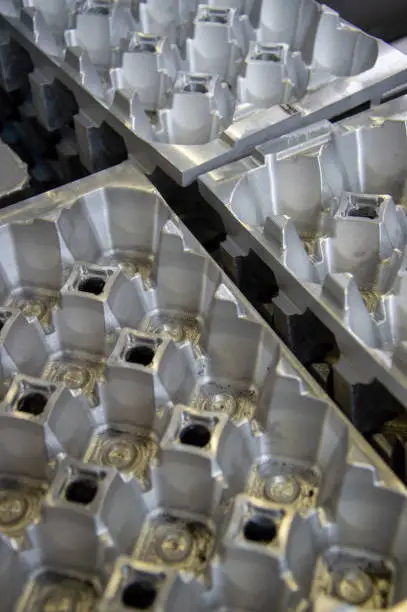
Future Trends and Innovations Improving Environmental Performance in Aluminum Die Casting
Advanced Machinery and Hybrid Systems
Next-generation aluminum die casting machines use 25–35% less energy than older machines because they combine servo-electric movement with better hydraulic systems. Vacuum-assisted methods make castings better and allow for smaller wall sections, which means that less material is used for each part. Hybrid machines instantly switch between hydraulic and electric modes based on the needs of the process. This makes them more efficient across a wide range of products.
Predictive maintenance algorithms keep an eye on how well equipment is working and plan repairs before they fail and waste energy or cause a lot of defects. Based on past data, machine learning models find the best injection profiles by combining parameters that result in the lowest scrap rates and energy use. Automotive companies that make housings for electric vehicle batteries use these technologies to meet strict weight-reduction goals while staying true to their environmental promises.
Next-Generation Alloys and Material Innovation
The main goal of alloy creation is to make things more recyclable without affecting their mechanical qualities. When compared to fresh aluminum, secondary aluminum alloys made just for die casting use 90% less primary metal, which means they contain 90% less carbon. Controlled trace element limits make sure that the performance stays the same across recycling cycles. This eases the minds of aerospace and defense buyers who need strict material tracking.
Magnesium-aluminum blend metals that are still being developed could make even lighter car parts for aluminum die casting, which would increase the range of electric vehicles and keep them safe in crashes. New developments in surface treatment, such as chromate-free conversion coatings and water-based powder coatings, get rid of the need for dangerous chemicals in finishing processes. These improvements are in line with government policies and regulations that favor low-impact material options.
Digitalization and Industry 4.0 Integration
Real-time energy tracking dashboards show how much energy is being used on each production line, so workers can see right away where inefficiencies are happening. Digital twin simulations make mold designs better in a computer, which cuts down on actual prototyping processes and the waste of materials that comes with them. Material tracking allowed by blockchain makes it easy to see how much recovered content is in products, which backs up claims of sustainability all the way through the supply chain, from the foundry to the OEM assembly.
Artificial intelligence programs can figure out the best times to do maintenance, which extends the life of mold and stops catastrophic fails that waste materials. Machines that are linked to the cloud share performance measures across global production networks. This makes it faster for best practices to be adopted. These technologies help companies that make industrial equipment and buy electrical parts by making quality more consistent and lowering weather variations across supply bases with multiple sites.
Regulatory Drivers and Market Incentives
California, the EU, and China are all putting stricter rules on emissions, so foundries have to buy control tools or else they can't do their jobs. Carbon price systems in developed markets make environmental costs more internalized. This makes it more cost-effective for businesses to use less energy. Extended producer responsibility rules put the costs of managing end-of-life products on makers. This encourages designers to make products that can be recycled.
Government incentive programs help people accept clean technologies, which makes environmental spending easier to afford. Grants and tax credits for installing green energy sources make it easier for foundries that serve cost-conscious manufacturing customers to make money. Suppliers who are actively looking for these opportunities should be contacted by procurement professionals because they show that they are financially stable and have forward-thinking management, which are both important for long-term relationships.
Conclusion
When it comes to aluminum die casting, environmental care strikes a balance between technical efficiency and resource responsibility. Foundries can leave less of an impact on the environment while still making precision parts that meet the needs of the automobile, aircraft, and industrial sectors. They do this by using energy-efficient equipment, closed-loop recycling, emission controls, and water treatment infrastructure. Die casting is a better way to make things than other methods because aluminum is naturally recyclable and has a higher strength-to-weight ratio. This supports the circular economy and business sustainability standards.
Choosing certified sellers who are committed to open and honest sustainability practices lowers risks in the supply chain and boosts your environmental reputation. New technologies, such as servo-electric machines and AI-driven process optimization, promise to keep making the world better. When procurement professionals work with foundries that care about the environment, they gain a competitive edge through lower compliance risks, better brand image, and agreement with how the market is changing to expect sustainable production.
FAQ
How does aluminum die casting compare environmentally to other metal forming processes?
Aluminum die casting makes a lot less trash than sand casting because the steel molds can be used again and again, and the parts are almost perfectly round, so they don't need much cutting. When compared to CNC cutting from metal, die casting removes 60–80% less material, which means less waste and less energy used per part. The short cycle times (often less than 90 seconds) of the process make it more energy efficient for large production runs like those found in car and industrial settings.
Which certifications verify a foundry's environmental commitment?
IATF 16949 makes environmental concerns a part of vehicle quality systems, and ISO 14001 approval shows that environmental management is done in a planned way. RoHS compliance makes sure that parts don't contain dangerous substances that aren't allowed in electrical and computer equipment. Credentials that are specific to an industry, like NADCAP for aircraft or Aluminum Stewardship Initiative approval, give extra proof that suppliers are being socially and environmentally responsible.
Can customized components be produced sustainably through die casting?
Of course. Modern aluminum die casting can handle complicated shapes, built-in features, and tight standards while still being environmentally friendly. Digital modeling virtually improves custom mold designs, cutting down on wasteful development. Because aluminum can be recycled, even custom runs of a small amount can support the circular economy. This is because scrap from trial processes and test runs can be used in melting operations for other projects without harming the material.
Partner with Fudebao Technology for Sustainable Aluminum Die Casting Solutions
Zhejiang Fudebao Technology offers precision casting that is good for the earth. They are certified by ISO 14001 and use advanced sustainability practices. Our sites are all connected and can do CNC machining, low-pressure casting, and high-pressure aluminum die casting. They also have closed-loop aluminum recycling methods that get back over 90% of output scrap. We keep dimensional precision to ±0.05mm while reducing environmental effect through energy-efficient machinery and thorough pollution controls. We serve car original equipment manufacturers, industrial equipment manufacturers, and electrical component providers around the world.
Our engineering team works with sourcing experts to make sure that the designs of our parts are as environmentally friendly as possible without sacrificing performance. Get in touch with us at hank.shen@fdbcasting.com to talk about your needs with an experienced aluminum die casting company that wants to help you reach your green supply chain goals through open sustainability reports and efforts to keep getting better.
References
North American Die Casting Association. (2022). Product Specification Standards for Die Castings Produced by the Semi-Solid and Squeeze Casting Processes. NADCA Technical Publications.
International Organization for Standardization. (2021). ISO 14001:2015 Environmental Management Systems — Requirements with Guidance for Use. ISO Standards Catalogue.
Aluminum Association. (2023). The Environmental Footprint of Semi-Finished Aluminum Products in North America. Sustainability Report Series.
European Aluminum. (2022). Environmental Profile Report for the European Aluminum Industry. Life Cycle Inventory Data and Impact Assessment.
Das, S.K., & Green, J.A.S. (2021). Aluminum Industry and Climate Change: Assessment and Responses. Journal of Materials, 73(6), 1703-1711.
Society of Manufacturing Engineers. (2023). Sustainable Manufacturing Practices in Metal Casting Operations. SME Technical Paper Series, MS23-194.



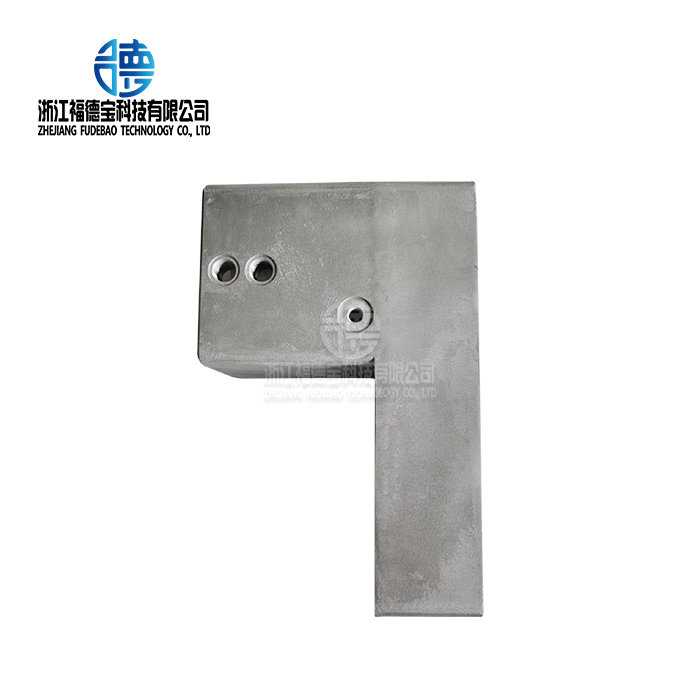
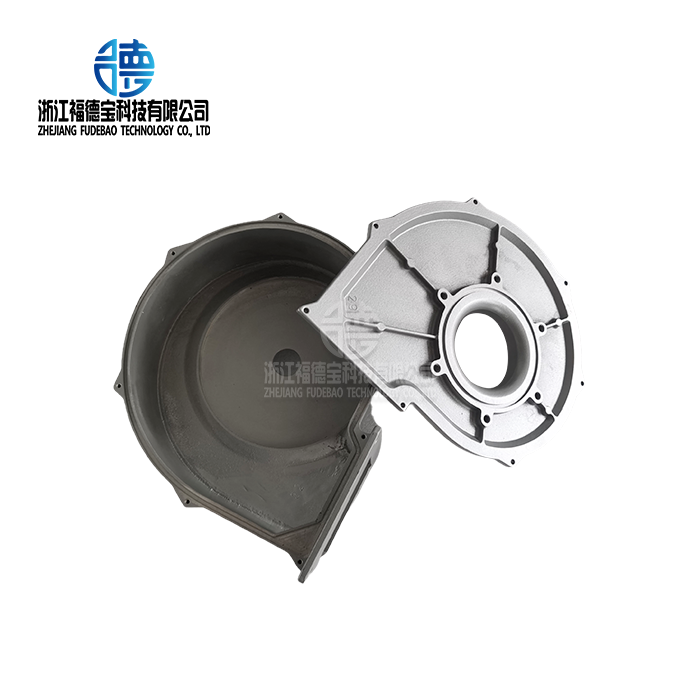
_1756346371362.webp "separator housing")
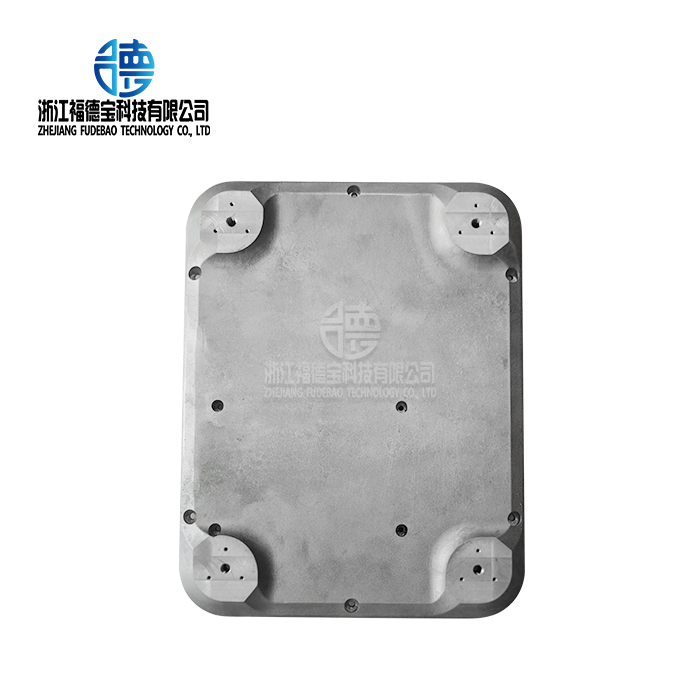
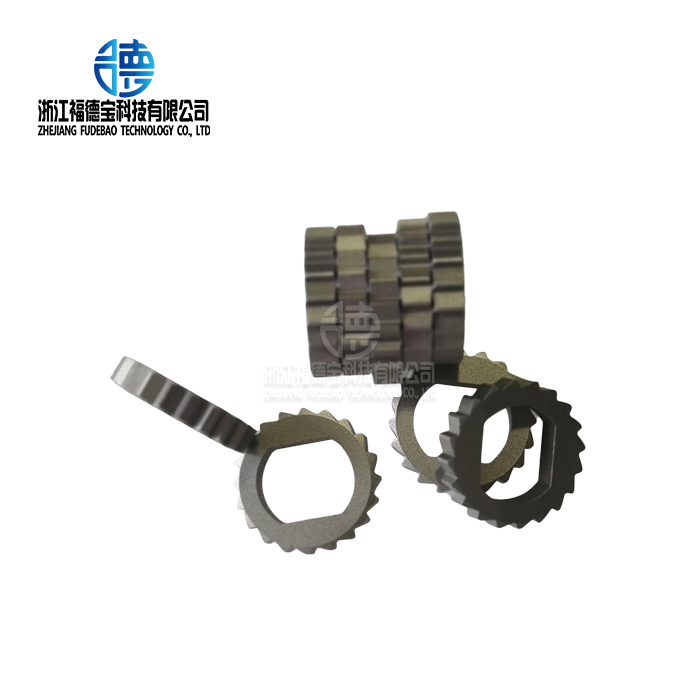
_1756346205762.webp "hinge casting")