



What are the Advantages of Low Pressure Die Casting?
2026-05-20
Low pressure casting is a revolutionary way to make things that helps automakers, military companies, and companies that make industrial tools solve important problems. This controlled casting method uses light pneumatic pressure (between 0.02 and 0.1 MPa) to pour liquid aluminium or magnesium metals into moulds. The result is parts with excellent structural stability and few internal flaws. Low pressure casting gets rid of turbulence while keeping precise control over metal flow, unlike high-pressure die casting, which traps gases, or gravity casting, which has fill patterns that aren't always constant. This makes parts with better mechanical properties, less porosity, and uniform measurement accuracy, which is exactly what quality directors and engineering managers want for mission-critical uses.
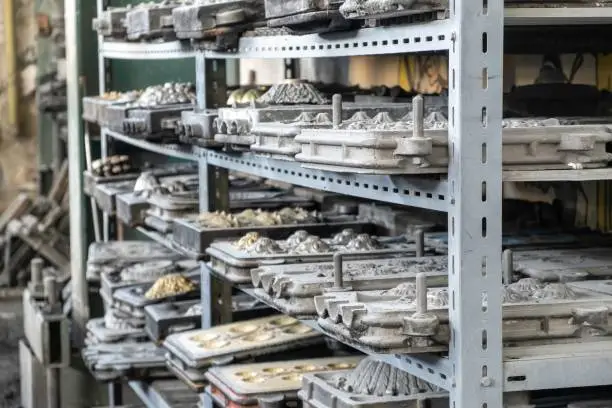
Understanding Low Pressure Die Casting: Process and Materials
How the Counter-Gravity Process Works?
A counter-gravity filling device changes the way molten metal enters the mould hole and makes the low pressure casting method work. A rising tube links a sealed holding furnace to the mould. The liquid metal is gently pushed up against gravity by controlled air pressure. This method of slowly filling usually takes between 60 and 120 seconds. It lets the metal flow easily without the rough splashing that happens with other pouring methods. The laminar flow pattern stops oxide from forming on the melt surface, which would make the finished part weak in other ways.
Material Selection for Performance Applications
Most low pressure casting jobs are done with aluminium alloys, especially A356 and A357 types, which have great strength-to-weight ratios after being heated to T6. These metals have a carefully managed amount of silicon for good flow and magnesium for hardening through precipitation. Also, there is more demand for magnesium metals in the housings of electric car batteries, where every gramme counts to get the best range. Copper alloys are used in specific electrical tasks that need better heat and electrical efficiency. The main benefit is that the controlled pressure setting keeps the alloy's chemistry without the oxidation losses that happen with open-pour methods.
Equipment Components and Process Control
High-tech PID control systems built into modern low pressure casting tools make it possible to control pressure curves with amazing accuracy. The heater keeps the temperature stable within ±3°C, which stops solidification before it's time or problems caused by too much heat. Most permanent steel moulds are made from H13 tool steel and can handle 30,000 to 50,000 production runs before they need major repairs. Covering the inside of the mould with refractory wash covers the steel surface and makes it easier to remove the part. When the pressure is released, the leftover metal in the riser tube flows back into the furnace, making the whole system work like a closed loop. This feature greatly increases the amount of material that can be cast compared to traditional ways.
Core Advantages of Low Pressure Die Casting for Industrial Applications
Low pressure die casting has technical perks that give manufacturers in many fields a clear edge over their competitors. Here are the main benefits this technology brings to industrial settings that are hard to work in:
Better Internal Soundness: The controlled filling and prolonged feeding pressure during solidification get rid of almost all shrinking holes in important parts. Automotive tier-1 suppliers always make sure that the radiographic quality of their suspension parts meets ASTM E155 Level 1 or 2. This is a standard that is very hard to reach with gravity casting. When parts have to last millions of wear cycles without breaking down completely, this internal integrity can't be compromised.
Excellent Use of Materials: In low pressure casting, material output rates often go over 90%, while in gravity casting with big feeders, they are only 50 to 60%. Because there aren't any over-sized steps, less metal needs to be remelted, which saves energy and lowers the carbon footprint of each part. We found that this speed alone can cut the cost of raw materials by 25–35% over the course of a production run. This means that the process is still a good deal for medium- to high-volume uses.
Heat Treatment: High-pressure die-cast parts blister during solution heat treatment because of air stuck inside, but low-pressure cast parts can handle full T6 processing. This makes it possible to get yield strengths above 240 MPa and stretch values above 8%, which are mechanical qualities that parts that are structural or safety-critical must have. When vetting sources for aeroplane structural brackets, aerospace quality directors look for this skill in particular.
Longer Tool Life and Consistent Dimensions: The softer filling pressures cause lasting moulds less heat shock than high-pressure die casting, where metal hits at speeds of over 40 m/s. Tool steel moulds keep their sizes stable over time, making sure that parts always meet the standards required by ISO 8062 CT6–CT7 grades. This uniformity cuts down on the need for further cutting and makes quality control easier.
Because of these benefits, low pressure die casting is the best option when the performance of a part directly affects the safety, efficiency, and long-term dependability of the whole product. This process answers basic problems in metalworking that other ways have.
Low Pressure Die Casting vs. Other Casting Methods: Strategic Comparison
Comparing LPDC to High-Pressure Die Casting
When it comes to thin-walled consumer product housings with a focus on looks, high-pressure die casting is the best method. Extreme injection speeds cause turbulence that catches air and forms oxide films all over the casting, which means that heat treatment can't be done. Low pressure casting takes longer than high pressure casting, but it gives the inside quality needed for load-bearing structure parts. A control arm for an automobile made with LPDC can be heated to T6 to make it flexible enough for crash safety, but an arm made with HPDC would fail brittle fracture tests. When a part fails and could lead to a guarantee claim or a safety recall, sourcing leaders choose LPDC.
Advantages Over Gravity and Sand Casting
Gravity permanent mould casting only uses hydrostatic head to fill the space, which leads to flow patterns that are hard to predict and cold shuts in complicated shapes. The managed pressure of low pressure casting makes sure that the mould is filled all the way, even in thin parts that are far from the gate. Sand casting lets you be creative with the design, but the surface finish is rough, and the limits for size are very large. The fixed mould design in LPDC gives surfaces roughness values of Ra 3.2–6.3 µm, which means that secondary finishing processes are often not needed at all.
Real-World Application: Aerospace Structural Brackets
A company that makes parts for spacecraft recently switched from investment casting to low pressure die casting for aluminium support frames. To get the finished measurements, the investment casting method needed a lot of secondary machining, which added cost and wait time. Low-pressure casting made net-shaped frames that met aircraft standards right out of the mould. More importantly, ultrasonic testing showed that there were no internal breaks, which helped the supplier get AS9100 approval. Part-to-part differences that had been a problem with the old process were gone because the dimensions were the same across production lots. This cut checking time by 60%. This case shows how choosing the right process has a direct effect on how efficiently products are made and how much work is done for quality checking.
Addressing Common Challenges and Defects in Low Pressure Die Casting
Finding Gas Porosity and Stopping It
Gas porosity is still the most important flaw to watch out for in any casting process. Porosity usually comes from three places in low pressure casting operations: air that gets caught during filling, hydrogen that dissolves in the molten aluminium, or gas that escapes from mould coats. When releasing is done right, stored air can escape as the metal rises through the hole. Using rotating nitrogen input to degas the melt lowers the amount of hydrogen dissolved to less than 0.15 ml per 100 g of aluminium. Mould coating chemistry needs to be carefully managed because too much volatile material creates gas at the metal-mold contact, making holes in the surface that can't be seen but can be seen on x-rays or during leak tests.
Cold shuts and flow lines should be taken away.
When two metal fronts meet without joining, a cold shut happens. This makes a straight flaw that concentrates stress. These flaws happen when the melt temperature isn't high enough or the filling speed is too slow. Programming the pressure-rise curve to keep the metal speed at the gate steady, usually between 0.3 and 0.5 m/s, is part of process optimisation. Flow lines show up as waves on the surface where oxide films fold over while the hole is being filled. Usually, these surface flaws can be fixed by raising the melt temperature by 20 to 30°C above the liquidus point and changing the rate at which the pressure rises.
Using more advanced monitoring tools
Recent improvements in sensor technology make it possible to keep an eye on important process factors in real time. Thermocouples built into the mould keep track of temperature changes during the casting process and give information that helps improve the flow of cooling water. Pressure transducers make sure that the furnace pressure curve fits the setpoint that was programmed. This lets workers know when equipment is drifting before problems happen. Some high-tech facilities use sound emission monitors to pick up gas movement during solidification, which lets problems be fixed right away. With these tracking systems, casting goes from being an art to a managed science, which greatly lowers the amount of scrap.
It makes a difference between steady quality and long-term defect problems whether you work with foundries that spend in process control technology and hire metallurgists who know how aluminium solidifies. Before giving production contracts to suppliers, procurement teams should check how well they can do mould temperature analysis, statistical process control application, and non-destructive testing.
Procurement Insights: How to Choose Low Pressure Die Casting Solutions
Checking the technical skills of suppliers
The first step in choosing a provider is to look at their core professional skills. What kind of current low pressure casting tools does the foundry use? Does it have automatic pressure control systems? Can they show that they have successfully made parts that are the same size and complexity as the ones you need? Ask for case studies that show mechanical test results and data from measuring dimensions from past projects. Certifications like IATF 16949 for cars or AS9100 for aeroplanes show that quality control systems are well-established. Being able to do mould design, mould flow simulation, and fast prototyping in-house shows that the company has more scientific knowledge than a simple job shop.
Figuring out the total cost of ownership
The initial piece price is only one part of the total cost. Look at how long the cost of the tools will last based on how many parts you plan to make. For example, low pressure casting moulds cost more than sand casting patterns, but they make a lot more parts before they need to be replaced. When you think about additional processes, a casting that is given with tighter tolerances cuts down on the time and wear on cutting tools. How much you scrape and rework affects both the dependability of deliveries and the cost of keeping supplies. Transportation costs depend on where the provider is located, but when technical changes happen quickly, it's usually best to source from within the country. Instead of choosing providers based only on stated unit prices, we suggest making financial models that take these factors into account.
Finding the right match between process capabilities and application needs
Casting providers need to be able to do different things for each industry. For automotive uses, you need PPAP paperwork, physical plan reports, and material certificates that can be linked to heat numbers. Buyers of industrial machinery often state how often the machine will be tested and what the acceptance standards are. Mechanical properties like tensile strength and impact resistance are important to them. Electrical equipment makers need providers who know what EMI protection needs and how to control the porosity of the casting to stop electromagnetic interference. Full tracking, in-process inspection records, and following DFARS supply chain limits are all required by aerospace and defence contracts.
By asking specific questions about the supplier's experience in your industry, you can tell if they really understand the quality standards you have set or if they are just making claims that they can work in any industry. To get a better idea of how well they can solve problems, their engineering staff should be involved in technical talks, not just sales reps.
Conclusion
Low pressure casting gives modern manufacturing the exact mix of mechanical strength, accurate dimensions, and high production efficiency that it needs. The controlled filling process gets rid of the internal flaws that make the part less reliable. At the same time, the best use of materials cuts down on costs and damage to the environment. LPDC can solve problems that other methods can't, like making aircraft brackets with zero defects or car suspension parts that need to be resistant to fatigue. The technology keeps getting better through better process tracking, automation, and alloy creation, which makes it more useful in more fields. If you choose providers who buy new equipment, hire skilled metallurgists, and keep strict quality systems up to date, you can be sure that your parts will always meet performance requirements throughout production runs.
FAQ
In what range of wall thicknesses can low pressure casting be used?
Low pressure casting usually makes wall sections with a minimum thickness of 2.5 mm to 3.0 mm. This is done by matching how fluid the metal is with how long it takes to solidify. This ability is in the middle of sand casting, which can't go below 4mm, and high-pressure die casting, which can go up to 1.5mm in thin parts. The lowest level that can be reached relies on how far the flow is from the gate, the type of metal used, and the temperature of the mould. For full filling, areas with more complicated shapes and long flow paths may need to be a little thicker.
Can this process handle complicated shapes and internal holes?
LPDC has a modest pressure level of about 1 bar, which lets sand or shell cores be used to make internal pathways without crushing them. In HPDC, on the other hand, extreme pressures are higher than the compression strength of most core materials, which is what makes low pressure casting different. This is shown by cylinder heads with complex cooling lines and motor housings with attachment holes inside them. Undercuts, cored holes, and other design features that would need expensive extra steps in easier casting ways can be made possible by this method.
How does low pressure casting help reach goals for sustainability?
The amount of energy used per kilogram of finished casting is much lower than in high-pressure die casting. This is because the machine needs less mass and cycles take longer, which makes the best use of heat. Material return rates above 90% reduce the need to remelt scrap metal, which uses a lot of energy. The longer tool life means that moulds don't have to be replaced as often, which saves the resources needed to make tool steel. When these things work together, they lower the carbon footprint of parts. This helps companies meet their sustainability goals and meet customer requests for supply lines that are good for the environment.
Partner with Fudebao Technology for Premium Low Pressure Casting Solutions
Zhejiang Fudebao Technology uses advanced low pressure casting techniques to make precision-engineered aluminium and copper alloy parts for use in automobile, aircraft, industrial gear, and electrical equipment. Our fully integrated production plant has cutting-edge low pressure casting machines, high-speed CNC machining centres, and a full range of finishing services. This means that we can deliver your products from molten metal to final inspection all in one place. We keep limits to ±0.05mm and make sure the internal stability your safety-critical parts need. As a top low pressure casting maker that works with global names like American HAAS automation and ESS energy storage systems, we know what global OEMs need in terms of quality standards, documentation, and being able to track products. Our engineering team helps with PPAP documentation, mould flow analysis, and continued technical teamwork throughout the lifecycle of your product. Email us at hank.shen@fdbcasting.com about how our low pressure casting knowledge can improve the performance of your parts, lower their total cost, and speed up their time to market for your next project. You can look at our services and ask for a full potential statement at fdbcasting.com.
References
American Foundry Society (2021). "Low Pressure Permanent Mold Casting: Process Fundamentals and Quality Control." AFS Transactions, Volume 129, pp. 187-203.
Campbell, J. (2015). "Complete Casting Handbook: Metal Casting Processes, Metallurgy, Techniques and Design." Butterworth-Heinemann, Second Edition, Chapter 8: Low Pressure Casting.
International Journal of Metalcasting (2020). "Advances in Low Pressure Die Casting for Automotive Structural Components." Volume 14, Issue 3, pp. 612-628.
ASM International (2018). "ASM Handbook Volume 15: Casting." ASM International Materials Park, Section on Permanent Mold and Low Pressure Casting Technologies.
Society of Automotive Engineers (2019). "SAE Technical Paper 2019-01-0584: Optimization of Low Pressure Die Cast Aluminum Alloy Components for Electric Vehicle Applications."
North American Die Casting Association (2022). "Industry Best Practices for Low Pressure Casting Process Control and Defect Prevention." NADCA Publication 401-2022.



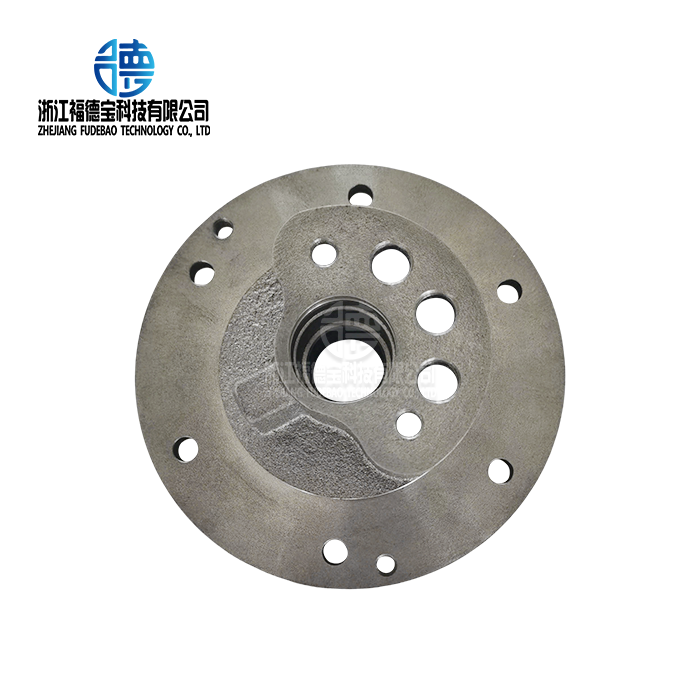
_1756348543350.webp "Automotive Turbine Casting")
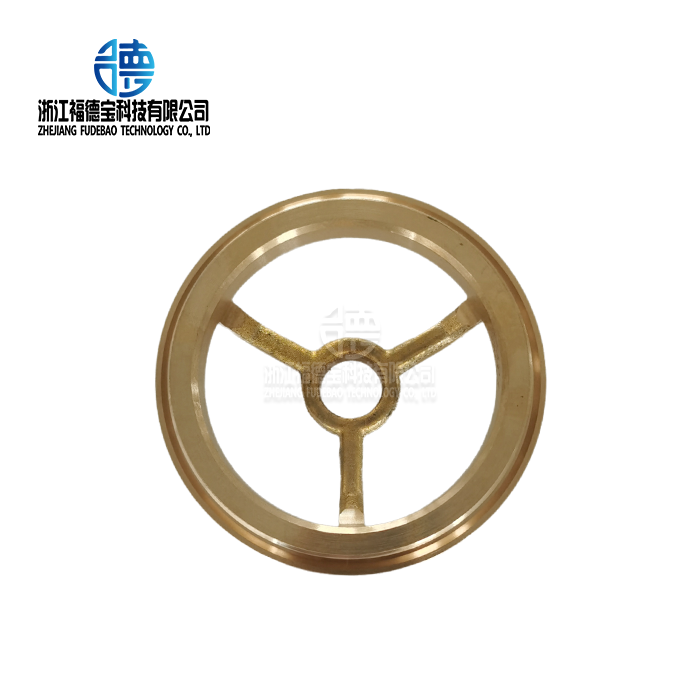
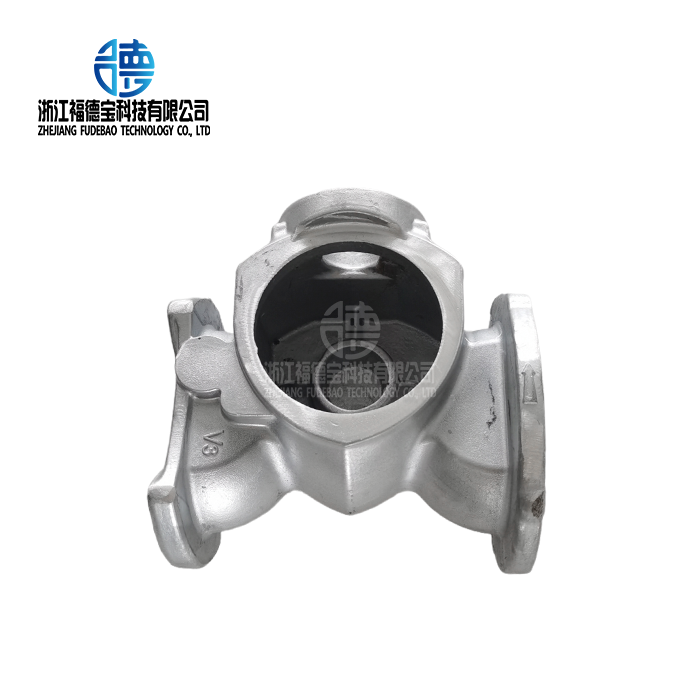
_1756361494985.webp "sliding block copper castings")
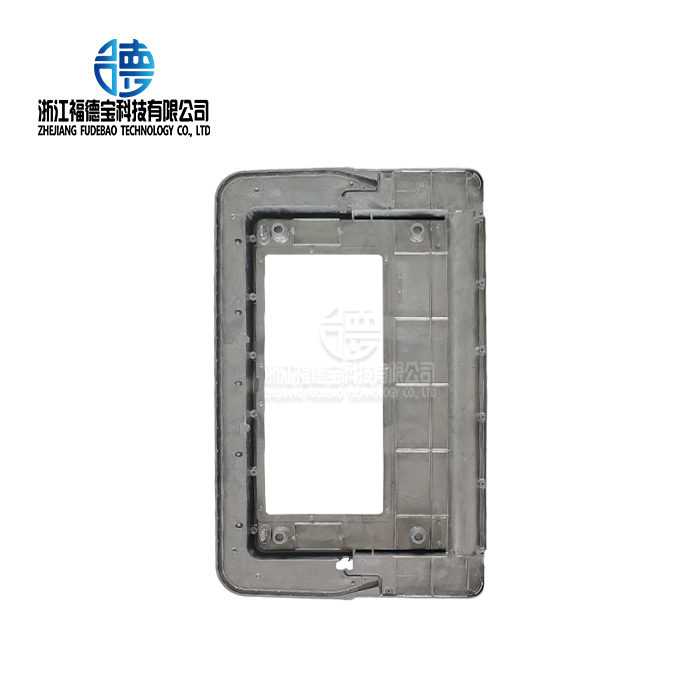
_1756344684491.webp "Explosion-proof lamp housing aluminum casting")
