Aluminum Die Casting Design Guide - Tips for Producing Better Aluminum Parts
2026-05-20
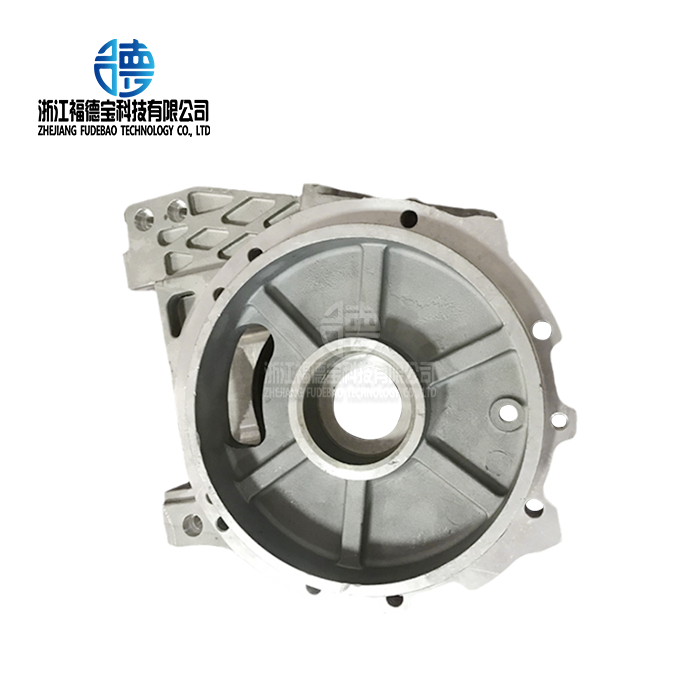
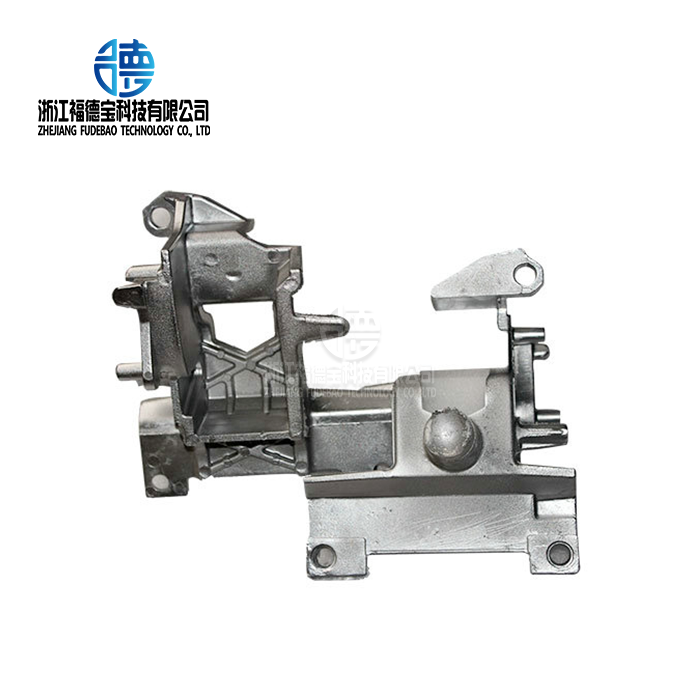
Making better aluminum die casting parts starts with making smart design choices early on in the development process. By pouring the material under very high pressure—usually between 1,500 and 30,000 psi—into precise steel molds, aluminum die casting turns molten aluminum alloy into complicated, high-strength parts. This way of making things makes sure that the dimensions are correct and that the surfaces are perfectly smooth, all while keeping the limits tight. Engineering teams can make parts that meet strict performance standards while cutting costs and speeding up time-to-market for automotive, industrial equipment, and electrical uses if they know how design parameters affect manufacturing capabilities.
Understanding Aluminum Die Casting Process and Design Fundamentals
The Core Mechanics of High-Pressure Die Casting
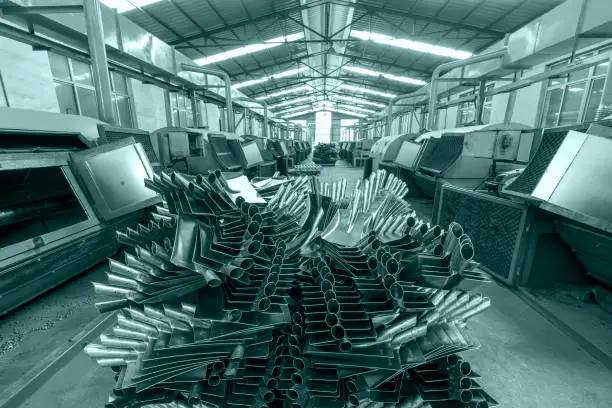
When the liquid aluminum alloy hits the right pouring temperature, which is usually between 1,200°F and 1,300°F, the high-pressure aluminum die casting (HPDC) process can begin. At speeds of up to 100 feet per second, injection devices push this liquid metal into sharpened steel dies, filling complex holes in milliseconds. When you quickly inject aluminum, you make the fine grain structure that makes die-cast aluminum stronger than sand casting or fixed mold methods.
Material Selection for Performance Requirements
Picking the right aluminum metal has a direct effect on how well a part works in a variety of settings. A380 metal is mostly used in cars because it has good fluidity, die-filling properties, and controlled mechanical properties. This metal has about 8.5% silicon in it, which makes it easier to cast and less likely to crack when heated. A383 has a lot of the same benefits, but it has a little more silicon in it, which makes it more fluid in thin-wall parts. A356 aluminum is the best choice when parts need to be heat treated or welded after they are made. Because this metal has magnesium in it, it can be treated with T6 heat, which gives it tensile strengths of over 40,000 psi and good corrosion protection in harsh conditions.
Critical Process Stages That Influence Design
Knowing the whole process of making something helps creators think of problems that might happen before they start making the tools. Ejector pins pull the casting out of the die after filling and the first solidification. The shape of the part has to be able to handle these ejection points without affecting the part's structural integrity or surface finish standards. Often, cutting, drilling, tapping, and CNC machining are the next steps. These are done for important features that need tighter standards than die casting alone can provide. Surface processes like powder painting, anodizing, or chromate conversion keep metals from rusting and make them look good at the same time.
Design Guidelines to Achieve High-Quality Aluminum Die Cast Parts
Wall Thickness Uniformity and Structural Optimization
One of the most important design factors is keeping the wall width the same all the way through the component. Most sections are between 0.040 inches and 0.150 inches thick, with 0.080 inches being the best standard for most uses. When a substance solidifies, sudden changes in thickness cause internal forces that can cause porosity, bending, or hot tears. If designers need to change the thickness of something, they should do it gradually, with changes that are no higher than 3:1 over an acceptable distance.
Ribs strengthen parts of structures without adding too much material, but their design needs to be carefully thought out to avoid mistakes. To keep sink lines from showing on the other side, the thickness of the ribs should be between 50% and 80% of the wall next to it. When you space ribs about three times the width of the wall, you get the best stiffening without making heavy areas that cool slowly and trap gas pores.
Draft Angles and Mold Release Considerations
Every surface that is not parallel to the die splitting line needs a draft angle to help the part come out without damaging the surface. Surfaces on the outside usually need a draft of 1° to 3°, but features on the inside need higher angles of 3° to 5° because metal shrinks onto cores when it cools. Textured surfaces need more draft—about 1° for every 0.001 inches of pattern depth. Early on, designers working on parts with deep pockets or tall bosses should work with machine engineers to come up with the best draft specs that balance the needs of function with the ability to make the part.
Preventing Common Casting Defects Through Design
Porosity is still the most common flaw in aluminum die casting. It can be caused by trapped air, gas escaping from the hot metal, or shrinking as the metal hardens. The right placement of gates and the form of runners let air escape before the moving metal front. Keeping heavy parts from being separated stops shrinkage porosity by making sure that the component cools at the same rate all the way through. If thick parts can't be avoided, designers can add interior coring or turn solid areas into ribbed structures that are just as strong but take up less space.
Comparing Aluminum Die Casting With Other Metal Forming Techniques
Performance Advantages Over Traditional Casting Methods
Sand casting is a cost-effective way to make small to medium-sized parts because it requires less expensive tools and can make more than 1,000 pieces per year. However, a lot of extra grinding is needed to get the surface smooth, and the tolerances for size are usually around ±0.030 inches, while they can be as low as ±0.005 inches with aluminum die casting. Low-pressure casting has better mechanical qualities because there is less turbulence when the mold is filled, but cycle times are longer, which limits the amount that can be made. Fudebao Technology's building uses both low-pressure casting tools for specialized tasks and high-pressure die casting machines for large-scale production. This lets us suggest the best process for each project's unique needs.
Cost Analysis Across Production Volumes
Die casting tools require a big initial investment. For example, complicated automotive molds can cost anywhere from $50,000 to $200,000, based on the size of the part and the number of cavities they have. This investment pays for itself very quickly when a lot of units are made. For many parts, the cost per unit drops below $2 when more than 50,000 units are made each year. CNC cutting from billet aluminum is too expensive for amounts larger than prototypes because of waste and longer cycle times. Investment casting can make complex shapes, but the turn times are hours instead of minutes, which limits the amount of work that can be done at once.
Material Alternatives and Their Trade-offs
Magnesium die casting is 35% lighter than aluminum, which makes it a good choice for small devices and aircraft uses where every gram counts. However, magnesium isn't very stiff and costs a lot of money, so it can only be used in situations where saving weight is worth the extra cost. Zinc die casting is great for small parts that need to be very detailed and fit together tightly, but because zinc is almost three times as dense as aluminum, it can't be used for uses that need to be light. Aluminum is widely used in automobile powertrains, industrial enclosures, and electrical housings because it is easy to make, has good mechanical qualities, doesn't rust, and can handle heat well.
Procurement Insights: How to Source Custom Aluminum Die Casting Services
Evaluating Supplier Technical Capabilities
When looking at possible production partners, you need to look at their range of tools, quality systems, and expert support. Computerized process control should be used in modern aluminum die casting operations to keep an eye on the metal temperature, input pressure, and cycle factors in real time. CNC machine centres that can work on a fourth axis make secondary processes faster and more accurate, to within ±0.0002 inches. Our Huzhou plant has modern die casting cells and American-made HAAS automation machine tools that help with the whole production process, from raw materials to finished parts that meet PPAP standards for the car industry.
Prototyping and Development Partnership Approach
Before making the tools for making the parts, factory experts look over the drawings to make sure they can be made. This is the first step in the successful development of a component. Rapid development using 3D-printed templates or soft tooling lets you test how something works and make changes to the design without spending a lot of money on changes to production tools. We ask customers to share their early ideas early on in the development process. This lets our engineering team offer changes to the design that make it easier to make without affecting the performance standards. This partnership-based method cuts development times by about 30% and keeps expensive tooling repairs from having to be done again.
Lead Time Management and Production Planning
It takes 10 to 16 weeks to make a standard die casting tool, based on how complicated it is, how many cavities it has, and how busy the shop is at the moment. If needed, simple tools with only one cavity and few core slides can be sped up to six weeks. Production wait times depend on the number of items ordered and the shop's schedule, but for first production runs, they are usually between 3 and 6 weeks. Vendor-managed inventory arrangements help established production programs with stable demand patterns. In these arrangements, suppliers keep a safety stock to account for changes in usage and support just-in-time supply plans.
Best Practices and Advanced Tips for Optimizing Aluminum Die Casting Designs
Implementing Design for Manufacturability Principles
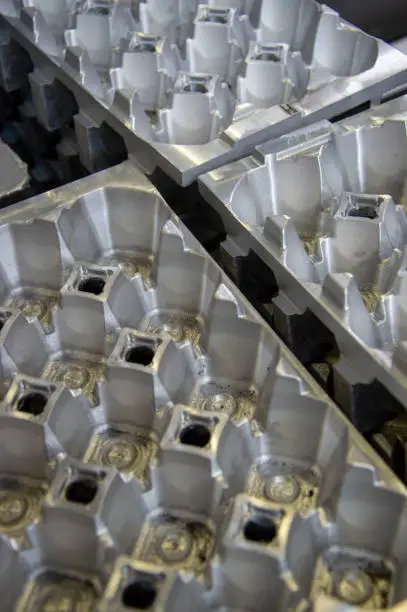
Design for Manufacturability (DFM) thinking builds limits on the production process into the design of parts from the very beginning. This method checks how parts of the design affect the complexity of the tool, the time it takes to make a batch, and the chance of a failure. By combining several made parts into a single die cast part, building steps are cut out, and the system's weight and cost are also reduced. We regularly look at customer assemblies to find ways to combine them into one. By strategically redesigning car bracket assemblies and industrial equipment housings, we've been able to cut costs by up to 40%.
The tolerance approach has a big effect on the quality and cost of manufacturing. It is normal for aluminum die casting to have a range of ±0.005 inches for dimensions that are parallel to the splitting line and ±0.010 inches for dimensions that are not parallel to it. Tightening these standards requires more CNC cutting tasks, which adds to the cost and time of production. Designers should only use precise tolerances on important functional features, such as mounting surfaces, bearing bores, or fitting contacts. In other places, they should let standard die casting tolerances apply.
Leveraging Simulation Technology for Process Optimization
Today's casting modeling software models how the metal moves, how the temperature changes, and how the solidification process moves through the die hole. These digital tools find possible flaws before the actual tools are made. This lets design changes get rid of problems before they happen. Flow analysis shows places where rapid filling might bring in air, suggesting that the gate be moved or an overflow be put in those places to get rid of gases effectively. Solidification modeling predicts where the material will shrink, which helps designers move materials around or change the layout of cooling channels in the tools.
Emerging Technologies Transforming Die Casting Manufacturing
Die casting businesses can now connect to the internet and use data analytics thanks to Industry 4.0 projects. Real-time tracking systems keep an eye on hundreds of process factors across many machines, finding small changes that show signs of quality problems before they happen. Predictive maintenance algorithms look at shaking patterns, hydraulic pressures, and electrical current usage to plan service for equipment during planned breaks instead of having to fix problems as they happen.
With vacuum-assisted die casting, air is sucked out of the die cavity right before metal is injected. This makes important structure parts much less porous. This technology lets die-cast parts be heated, which lets them reach T6 temper strength levels that were only possible with high-end casting methods before. Vacuum die casting is now used for parts like control arms and suspension brackets in cars to meet strict service life standards while still taking advantage of the cost savings that come with mass production.
Conclusion
To make a good aluminum die casting design, you have to find a balance between useful needs and the facts of production. Even wall thickness, the right draft angles, and smart rib placement stop common problems and improve the structure's performance. Knowing the limits of a process helps engineering teams set the tightest specs possible and choose alloys that work well in certain conditions. When you compare die casting to other ways of making things, you can see that high-pressure casting is often the better choice because it reduces weight, produces better surfaces, and is more cost-effective for large quantities. Partnering with experienced suppliers who offer full engineering support, up-to-date tools, and tried-and-true quality systems speeds up development and makes sure that output parts always meet strict requirements.
FAQ
What are the typical lead times for aluminum die casting projects?
Making a die casting tool usually takes 10 to 16 weeks, but this depends on how complicated the part is and how the cavities are set up. When project deadlines require it, simple single-cavity tools can be sped up to 6 weeks. Production runs usually last between 3 and 6 weeks after the tool is finished, but this depends on the number of orders and other factors like schedules. Established production programs can turn around orders faster thanks to vendor-managed inventory arrangements and better planning of production based on how orders have been placed in the past.
How do I determine which aluminum alloy suits my application best?
Aluminum A380 is great for general-purpose uses that need it to be easy to cast and have balanced mechanical qualities. It's perfect for making car housings and industrial brackets. A383 gives thin-wall areas better mobility. The T6 tempering method makes the A356 metal stronger, which makes it useful for uses that need to be welded or heated. A413 metal should be used for electrical parts that need to conduct heat as quickly as possible. Talking to experienced die casting engineers before choosing a material makes sure that it will work best in a certain setting and meet certain useful needs.
What tolerances can aluminum die casting achieve without secondary machining?
Standard die casting allows a range of ±0.005 inches for dimensions that are parallel to the parting line and ±0.010 inches for dimensions that are not parallel to it. Most holes have sizes of ±0.005 inches and center-to-center hole spacing of ±0.010 inches. For tighter standards, CNC machining processes are needed. As-cast surface finishes run from 125 to 250 microinches Ra, and can be made better by cutting to 63 microinches or better. Understanding these natural process powers during the design phase keeps manufacturers from making too many demands, which raises costs without need.
Partner With Fudebao Technology for Your Aluminum Die Casting Manufacturing Needs
Zhejiang Fudebao Technology Co., Ltd. has been in the production business for 30 years and offers a wide range of casting and precision cutting services. Our combined center oversees the whole production process, from melting the metal to finishing it. For precision parts for cars and machinery, we keep the dimensions accurate to within 0.05 mm. We use high-tech HAAS CNC machines, modern aluminum die casting cells, and low-pressure casting tools as a certified aluminum die casting provider for foreign automakers and industrial OEMs. To help you make the best parts for production, our engineering team offers free design review, DFM analysis, and fast prototyping services. Email our technical experts at hank.shen@fdbcasting.com to talk about the details of your project and find out how our services can help you reach your product development goals.
References
North American Die Casting Association. (2021). Product Design for Die Casting: Engineering Guidelines and Best Practices. NADCA Publications.
Kaufman, J.G. & Rooy, E.L. (2020). Aluminum Alloy Castings: Properties, Processes, and Applications. ASM International.
Brevick, J.R. (2019). High Integrity Die Casting Processes: Design and Manufacturing Considerations. Society of Manufacturing Engineers Technical Paper Series.
Hu, H. (2022). "Advanced Die Casting Technologies for Automotive Lightweight Applications." Journal of Materials Processing Technology, Vol. 301, pp. 117-135.
Campbell, J. (2021). Complete Casting Handbook: Metal Casting Processes, Metallurgy, Techniques and Design. Butterworth-Heinemann, 2nd Edition.
Bonsack, W.P. (2020). "Design for Manufacturability in High-Pressure Die Casting: Tolerance Management and Cost Optimization." International Journal of Metalcasting, Vol. 14, Issue 3, pp. 789-804.



YOU MAY LIKE
_1756352822273.webp "Stainless steel plugs")
_1756352472762.webp "steel threaded plug")