Aluminum Die Casting for LED Heat Sink Manufacturing Explained
2026-05-21
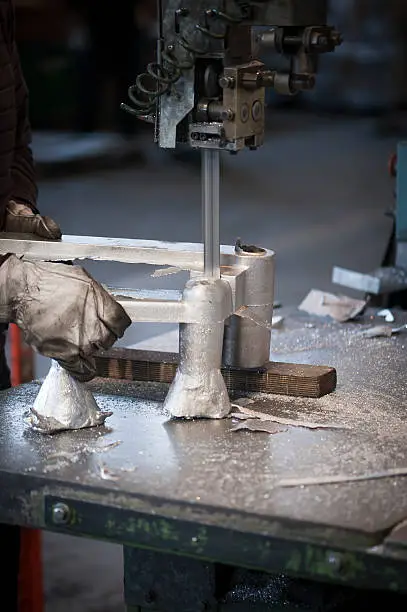
Aluminum die casting is a basic way to make things. Molten aluminum metal is pushed under high pressure—often more than 10,000 psi—into specially designed steel molds. This makes complex LED heat sink parts that are very accurate in their measurements. This high-pressure die casting method creates thermal management solutions with better cooling through complicated fin geometries and internal pathways. These are necessary to make LEDs last longer in lighting systems for cars, industrial equipment, and energy-efficient buildings. Because aluminum alloys naturally conduct heat well and can be made quickly, this method is essential for meeting the high performance and volume needs of current B2B buying teams.
Understanding Aluminum Die Casting in LED Heat Sink Manufacturing
The Core Process Behind Precision Thermal Components
Aluminum alloys, like ADC12, A380, or AlSi9Cu3, are melted at temperatures around 660°C to start the aluminum die casting process for LED heat sinks. At speeds of up to 100 meters per second, cold-chamber machines pour this liquid metal into hardened tool steel molds. This fast injection makes sure that all the holes are filled, even in designs with very thin fins (1.5 mm) or complicated cooling lines inside that are too complicated for traditional cutting to be cost-effective. The high pressure squeezes the material together, getting rid of any air pockets and making sure that the mechanical features stay the same over thousands of production cycles.
Alloy Selection and Thermal Performance
Picking the right metal material has a direct effect on how well heat is transferred. The thermal conductivity of A380 metal is about 96 W/m·K, which means it is easy to make and does a good job of keeping heat in. When better heat transfer is needed, like in high-power LED modules for car headlights or 5G base station electronics, engineers choose AlSi9Cu3, which has better conductivity that is close to 120 W/m·K. While the amount of silicon in the metal affects how fluid it is during casting, the addition of copper makes it stronger. This means that heat sinks can handle high stresses and vibrations in tough settings like those found in transportation or industrial machines.
Mold Design Optimized for Thermal Pathways
Tooling engineers make molds with gates and runners placed in specific ways to control the flow of metal and stop turbulence that could cause cracks. Ejector pins are placed carefully so that they don't damage the delicate structures of the fins. Cooling lines cut into the mold walls control how fast the material solidifies, which has a direct effect on the structure of the grains and their stability in terms of size. Because of these design factors, every cast heat sink meets the tight tolerances—often within ±0.05mm—needed for easy integration with LED modules and mounting tools in precision systems.
Benefits of Aluminum Die Casting for LED Heat Sinks
Superior Thermal Management Through Material Excellence
The natural heat conductivity of aluminum is much better than that of zinc (113 W/m·K) or magnesium (156 W/m·K in pure form, but much worse in alloys). More importantly, aluminum die casting makes parts that are almost net-shaped and have the best surface area-to-volume ratios for convection cooling. The process lets designers add dense fin arrays and perfectly angled surfaces that help air flow well. This lowers junction temperatures in LED circuits by up to 30% compared to heat sinks that are extruded or pressed.
Before talking about specific practical benefits, it's important to look at how this way of making things adds real value to production and performance measures. Here are the main reasons why aluminum die casting is better than other materials used in temperature management:
- Design Complexity Without Cost Penalties: The process makes mounting bosses, alignment features, and cable routing channels all in one casting operation. This gets rid of the need for extra assembly steps that raise labor costs and could cause problems in industrial and automotive equipment.
- Scalability Meets Consistency: Dimensional uniformity within microns is maintained during production runs of 5,000 to 500,000 units. This is very important when LED heat sinks need to fit perfectly with electronic housings in power equipment or renewable energy inverters, where the thermal interface materials depend on flatness requirements.
- Lightweighting for System Efficiency: Aluminum heat sinks, which have a specific gravity of 2.7 g/cm³, make assemblies 60% lighter than copper ones. This directly helps with fuel economy in automotive applications and makes mounting easier in industrial lighting installations that hang from the ceiling.
These benefits in production lead to real changes in the efficiency of the supply chain and the performance of the finished product, especially when procurement teams look at the total cost of ownership instead of just the prices of individual parts.
Key Considerations and Challenges in Aluminum Die Casting for LED Heat Sinks
Managing Porosity and Internal Defects
When high-velocity injection traps gas, it can leave tiny holes that weaken the structure and make it harder for heat to move through it. Modern foundries use vacuum-assisted aluminum die casting methods to lower the pressure in the cylinder before the metal is injected. This keeps the gas porosity below 2% by volume. Metallurgical analysis using X-ray inspection or computed tomography makes sure that the quality inside meets aerospace standards. This has a bigger impact on requirements in the defense and car industries, where a broken heat sink could cause major system problems.
Addressing Shrinkage and Dimensional Accuracy
When aluminum solidifies, it shrinks by about 6%, which could cause large, flat heat sink bases to twist or thin-walled fin sections to bend. Engineers deal with this problem by using mold flow simulation software to guess how the solidification will happen. This lets them place gates and change mold temperatures in a smart way. Progressive die designs use compensation factors to change the shape of the hole ahead of time. This makes sure that the finished casts meet the ±0.05mm standards needed for precision CNC machining to finish the surface.
Tool Longevity and Maintenance Protocols
Extreme temperature changes and rough touch with molten aluminum wear down die casting molds, especially in the gate areas and ejector pin paths. With surface processes like nitriding or PVD coats, special H13 tool steel makes molds last longer than 100,000 shots. Predictive repair schedules based on shot counts and visual checks keep molds from breaking in terrible ways. This protects production continuity for automakers using just-in-time supply chains or industrial equipment makers with long-term contracts that have tight delivery windows.
Making an Informed Choice: Aluminum Die Casting vs Other Manufacturing Methods for LED Heat Sinks
Comparative Analysis of Manufacturing Approaches
Zinc die casting has lower melting points and is easier to work with, but at 113 W/m·K, it doesn't conduct heat as well as aluminum, so it can't be used for high-power LED uses above 50W. Sand casting lets you make bigger parts and uses cheaper tools, but the surface finish isn't smooth and there are a lot of holes in it, which makes thermal contact bad. This means that a lot of extra work has to be done, which takes away any initial cost benefits. Plastic injection molding with thermal fillers can make complicated forms at low cost per unit, but it can't transfer heat well (below 5 W/m·K), so it's only useful for low-power lighting and not for managing heat in factories or cars.
Evaluating Manufacturing Partners for Critical Applications
When buying LED heat sinks, procurement teams should check that the seller has the right certifications, such as IATF 16949 for managing quality in the car industry and ISO 9001 for general manufacturing systems. Mold flow analysis reports, first-article inspection papers, and production part approval process forms that show dimensional control and material traceability are some of the ways that advanced facilities show what they can do. When a partner can offer complete solutions, from improving the design to applying surface treatments like powder finishing or anodizing, they are ready to handle difficult OEM needs without causing quality problems through broken supply chains. Along with standard aluminum die casting tools, our building has high-speed CNC machining centers and low-pressure casting equipment. This allows for hybrid manufacturing methods that improve both thermal performance and production costs. This variety of equipment helps car tier-1 suppliers that need PPAP documentation and industrial equipment OEMs that need flexible batch sizes without giving up the ±0.05mm accuracy that is needed for precision assemblies.
Procuring Aluminum Die Cast LED Heat Sinks: Process and Best Practices
Understanding Lead Times and Production Scheduling
Usually, making a prototype tool for an LED heat sink takes 4 to 6 weeks, and you can get your first samples 8 weeks after the plan is approved. This schedule allows for multiple rounds of heat testing and checking the dimensions before committing to making the production tools, which takes an extra 6 to 8 weeks. Cycle times that are designed for high-volume production runs are between 45 and 90 seconds per casting, based on the complexity of the part. This means that a single mold set can produce more than 50,000 units per month.
Structuring Cost-Effective Procurement Strategies
In aluminum die casting processes, volume agreements have a big effect on unit economics. Tooling amortization is spread out over bigger quantities with annual contracts that cover 100,000 or more units. This lowers the cost per piece by 25 to 40 percent compared to spot buying. When new models of cars come out or when demand for industrial equipment changes with the seasons, procurement teams should work out variable call-off plans that balance the costs of keeping inventory with the availability of production slots. When custom die casting services do design-for-manufacturability reviews during the quote phase, they often find ways to cut costs that general RFQ replies miss, like combining different machined features into the as-cast shape.
Regional Supplier Considerations for Global Supply Chains
Asia's manufacturing hubs, especially China's, have low labor costs and well-established supply chains for aluminum alloys and machining steels. This makes them appealing for projects that need to be cheap but don't need to be very precise. European suppliers put a lot of emphasis on precise engineering and following strict environmental rules. Their products are good for aircraft and medical gadget uses that need to be able to fully trace their materials. Automakers that need to make quick technical changes and just-in-time (JIT) deliveries can benefit from North American sites' closeness, but labor costs are usually 30–50% higher. Beyond just comparing prices, weighing these trade-offs against total landing costs, the need to protect intellectual property, and the ease of communication helps procurement teams choose partners who are in line with their strategic goals.
Conclusion
For making LED heat sinks, aluminum die casting has the best thermal performance and industrial efficiency. It combines great material conductivity with design freedom in a way that traditional methods can't do cheaply. The process meets important needs in the aircraft, automobile, industrial machinery, and electrical infrastructure industries, such as the need to make parts lighter and more precise in their dimensions. There are some problems, like managing porosity and spending money on tools, but these problems are lessened by modern casting technologies and strict quality systems. When B2B buying teams work with makers that show they have a wide range of skills, are fully certified, and have a history of turning thermal management needs into production-ready solutions that make LED systems more reliable and last longer, they gain a competitive edge.
FAQ
What makes aluminum die casting ideal for LED heat sink manufacturing?
The best thing about aluminum die casting for making LED heat sinks is the method is very good at making thin fin structures with large aspect ratios and complicated internal shapes that make the most of surface area for getting rid of heat. Aluminum metals can easily move heat from LED junctions because they have a thermal conductivity of 96 to 120 W/m·K. The high-pressure injection makes sure that the density and mechanical qualities of the material are the same across all production amounts. This is very important for keeping the thermal interface contact pressure in precision assemblies.
What are typical prototype lead times for custom LED heat sinks?
Usually, making a prototype tool takes 4 to 6 weeks, and the first samples of the casts are sent out 8 weeks after the design is approved. This time range includes making the mold, doing test runs, and checking the sizes. Through faster tool steel sourcing and prioritized machining plans, accelerated programs can cut down on lead times by 20 to 30 percent. However, this usually comes with higher costs that procurement teams have to weigh against the need to get products to market quickly.
Can aluminum die casting achieve the tight tolerances required for modern LED components?
As-cast tolerances for high-pressure aluminum die casting are usually ±0.1mm, and important mounting surfaces and interface planes can reach ±0.05mm thanks to CNC finishing processes that are built in. This accuracy makes sure that the heat sink lines up correctly with the LED modules and thermal interface materials. This has a direct effect on the thermal resistance and long-term dependability in tough situations like headlights for cars or high-bay lighting systems in factories.
Partner with Fudebao Technology for Your Aluminum Die Casting LED Heat Sink Needs
At Fudebao Technology, we are an expert at providing precisely engineered aluminum die casting solutions for thermal control uses in the energy, industrial equipment, and automobile sectors. Our full range of manufacturing skills, including low-pressure casting, high-pressure die casting, and advanced CNC cutting, means that we can offer LED heat sinks that are exactly what you need. We can help with everything from making prototypes to mass production runs because our accuracy can reach ±0.05mm and we offer a wide range of surface treatment choices. As a reliable manufacturer that works with OEMs around the world, we offer full PPAP paperwork and quality assurance that meets global standards. Contact our engineering team at hank.shen@fdbcasting.com to talk about your unique heat sink needs and find out how our knowledge can turn thermal problems into competitive benefits.
References
North American Die Casting Association. (2021). Product Specification Standards for Die Castings Produced by the Semi-Solid and Squeeze Casting Processes. NADCA Technical Publication.
ASM International. (2020). Casting Design and Performance. ASM Handbook Volume 15: Casting, Materials Park, Ohio.
Lumileds Holding B.V. (2019). Thermal Management of High-Power LED Systems. Technical White Paper on LED Heat Dissipation.
Society of Automotive Engineers. (2022). Aluminum Alloys for Lightweight Automotive Applications. SAE Technical Paper Series 2022-01-0721.
International Journal of Metalcasting. (2023). "Optimization of Die Casting Parameters for Thin-Wall Aluminum Components." Volume 17, Issue 2, pp. 1134-1149.
European Aluminium Association. (2021). Aluminum in Thermal Management: Properties and Applications. Brussels: EA Publications Division.



_1756361323684.webp "column guide sleeve")
_1756350092126.webp "radiator cover")
_1756346144394.webp "aluminum die casting hinge")
_1756346043433.webp "guardrail connecting block")