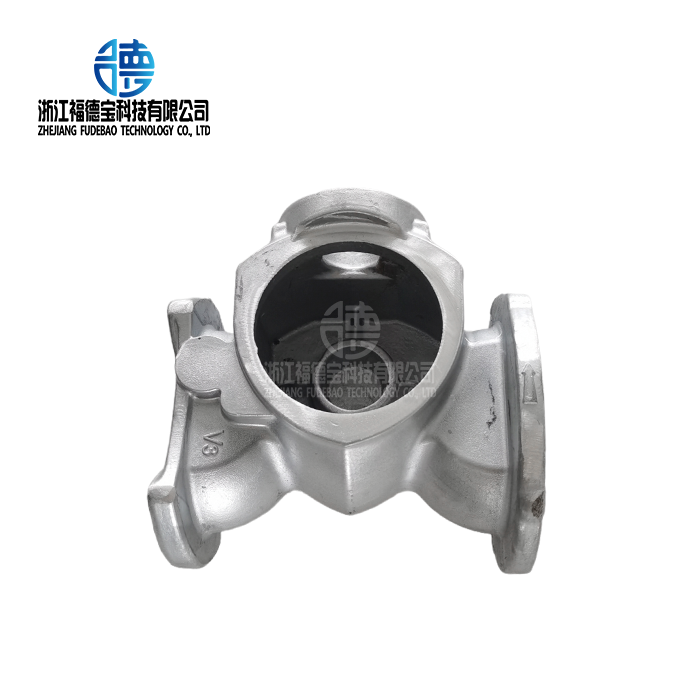
Applications and Types of Sand Casting
2026-03-25
Using bonded sand mixes to make disposable models for molten metal casting, sand casting is one of the most flexible and widely used ways to shape metal in modern industry. This basic method is used for more than 60% of all metal castings done in the world. It is very flexible and can be used for both small prototypes and large production runs in the energy, aircraft, automobile, and industrial machinery industries. Casting weights can range from ounces to over 100 tons, and the process is cost-effective and flexible enough for design changes that fixed mold methods can't offer.
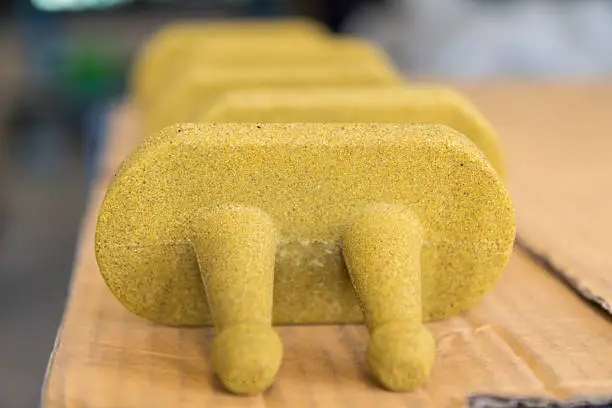
Understanding Sand Casting: Basics and Industrial Applications
Sand casting offers flexible, cost-effective production for diverse metals and complex industrial components.
Core Principles and Material Flexibility in Sand Casting
Sand casting is a simple but complex process that involves making holes in sand models that have been specially made. High-refractoriness silica or manmade sands are used in this method. They can withstand temperatures above 1600°C without melting on the metal surface. These molds have bonding systems built in, like bentonite clay for green sand casting or furan-phenolic resins for chemically-bonded uses.
The main benefit of this casting method is that it can be used with a wide range of materials. Die casting and investment casting need expensive fixed tools, but sand molds can hold almost any castable metal, even ones with high melting points like steel, iron, and titanium. This versatility is very helpful for companies that need a wide range of material qualities in their parts.
Raw Materials and Equipment Requirements
To get uniform mold properties, modern foundries use complex methods for preparing the sand. Green sand systems use clay-water bonds that make them very cost-effective and easy to reuse for large-scale production. Resin-bonded sand systems have better surface finish and accuracy in size, which makes them perfect for precise parts that don't need much post-casting cutting.
Facilities for making patterns, molding tools, melting kilns, and finishing processes are all part of the equipment infrastructure. Modern foundries use computerized process controls and automatic molding lines to keep quality high while cutting down on worker costs. This complete setup lets you respond quickly to changing customer needs without having to wait for production lead times that come with fixed mold processes.
Competitive Advantages Over Alternative Casting Methods
When sand casting is compared to die casting or investment casting, it has some unique advantages that buying workers should think about. The process is still very cost-effective for low- to medium-volume uses because the prices of the tools are still much lower. Instead of expensive die rework, pattern changes can be made quickly to make changes to the design.
The process is also great for making big, complicated parts with complicated internal shapes. For example, engine blocks for cars can do this because they have complicated cooling paths and fastening bosses that would be too expensive to make with fixed molds. In the same way, industrial pump casings can benefit from having complicated flow routes that are best for hydraulic performance built in.
Types of Sand Casting and Their Unique Features
Modern foundries use a number of different types of sand casting, each of which is best for a different set of output needs and quality standards. By knowing these differences, buying teams can choose the process that best fits the needs of their components while keeping cost, quality, and delivery in mind.
Green Sand Casting Systems
Green sand casting uses clay agents that react with water to make modeling sand that can be used again and again. This traditional method works very well for many different purposes and doesn't cost too much. Soaking the sand in water makes it easy to shape while still being strong enough for complicated shapes.
Automotive parts, industrial machinery parts, and architectural hardware are all common uses where modest surface finish standards make production cost-effective. Lead times are kept to a minimum because patterns can be changed quickly and sand preparation doesn't need as much drying time as chemical glue systems.
Dry Sand and No-Bake Casting Technologies
Chemically active binders that cure at room temperature are used in dry sand methods. This gets rid of flaws caused by moisture and improves the accuracy of the dimensions. No-bake methods use furan or phenolic resins, which make the mold stronger and more stable while the metal is being poured.
With these high-tech methods, dimensions can be made close to ISO 8062 CT10-CT11 grades, and the surface finish is usually between 6.3 and 12.5 Ra microns. The higher accuracy cuts down on the amount of cutting that needs to be done and makes sure that the parts are the same across production runs.
Shell Molding and Advanced Mold Technologies
Shell molding is a combination method that combines the freedom of sand casting with better surface quality. Using resin-coated sand heated against metal designs, this process makes thin, hard mold shells. This method is a mix of the old sand ways and the accuracy of investment casting.
With gas-activated curing methods that offer great physical stability, cold box processes make mold technology even better. These methods work especially well for aircraft parts that need to be made with tight tolerances and a smooth, durable surface without the high costs that come with investment casting.
Applications-Driven Approach: Matching Sand Casting Types to Procurement Needs
To make procurement plans work, they need to make sure that casting methods match the needs of the end use while also taking into account the total cost of ownership. Along with standard cost and delivery measures, this method looks at a lot of factors, such as mechanical qualities, resistance to environmental factors, and regulatory compliance.
Automotive and Transportation Applications
For engine parts with complicated internal geometries, the car industry heavily counts on sand casting. Internal sand cores are used in engine blocks and cylinder heads to make cooling channels that would not be possible with fixed mold methods. During their service life, these parts must be able to survive high thermal cycling and combustion pressures while keeping their shape.
The process can make metal casts that are both light and strong, which is useful for transmission cases and differential housings. Being able to add mounting bosses, cooling fins, and access ports during the casting process gets rid of the need for extra steps and improves the integration of components.
Commercial car parts like brake drums, suspension bolts, and frame members can also be used in heavy-duty ways. Controlled solidification in sand molds gives these parts the better material qualities they need, especially for ductile iron uses that need to be resistant to impact.
Industrial Machinery and Equipment Sectors
In industry, it is used for things like pump housings, valve bodies, and engine parts that need to be strong and resistant to rust. Large centrifugal pump volutes show how the process can be scaled up, with casts that weigh several tons and have complex internal flow shapes that are best for hydraulic efficiency.
It is possible to cast high-strength aluminum alloys that have cooling fins and fixing holes built right in. This makes compressor parts better. It's possible for the process to handle both thick sections needed for pressure vessel uses and thin wall parts needed for heat transfer.
Energy and Electrical Industry Applications
Sand-cast parts are used to make transformer housings, motor frames, and switchgear cases for power producing equipment. For these uses, the electromagnetic properties and temperature management must be very good. This can be done by carefully choosing the metal and heating it.
Wind turbine parts are a growing area where big, complicated castings are used to keep structures strong while keeping weight low. Hub assemblies and generator housings show that the process can make parts that weigh several tons and have built-in features that get rid of the need for welded structures.
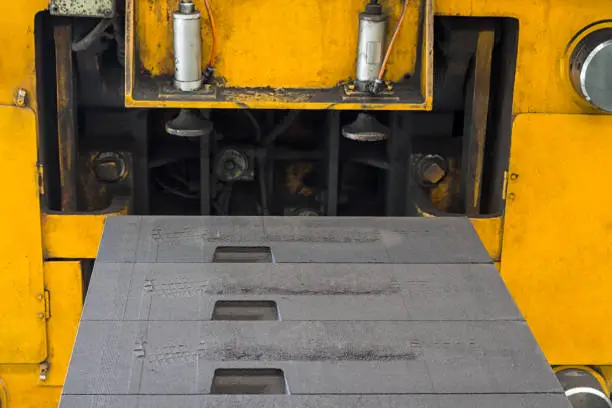
Key Factors to Consider in Sand Casting Procurement
For buying to go well, suppliers' skills need to be looked at in more depth than just comparing prices. Quality systems, process rules, and efforts to make things better all have a direct effect on how well parts work and how reliable the supply chain is.
Quality Control and Certification Requirements
Leading foundries have strict quality control methods that include checking arriving materials, keeping an eye on the process, and checking finished parts. While ISO 9001 certification is a basic way to make sure of quality, industry-specific standards like TS 16949 for car uses make sure that the process is even more rigorous.
Radiographic inspection, ultrasound testing, and magnetic particle examination are all types of non-destructive testing that can be used to make sure that an object is internally sound, which is important for safety-critical uses. Statistical process control finds trends before they affect production quality, and dimension verification with coordinate measuring tools makes sure that the specifications in the drawings are always followed.
Cost-Performance Optimization Strategies
The total cost of ownership includes more than just the price per piece. It also includes the costs of maintaining supplies, amortizing tools, and planning for transportation. When it comes to tooling, sand casting is especially helpful because it lets you change the design without having to make a lot of new investments, which is needed for fixed molding methods.
Pattern lead times, flexible production schedules, and managing source capacity are all parts of lead time optimization. By knowing about these things, procurement teams can find the best mix between cost goals, shipping needs, and keeping the right amount of safety stock on hand.
Supplier Capability Assessment
A full assessment of a supplier looks at their technical skills, financial security, and mindset of ongoing growth. Along with quality system execution, site audits should check the capabilities of tools, process controls, and the skills of the workforce.
When planning capacity, things to think about are the ability to handle surges, the availability of backup tools, and the reliability of the supply chain. Geographic diversification methods might need more than one suitable provider to keep costs low and reduce the risk of regional chaos.
Conclusion
Sand casting is still the most flexible and cost-effective way to make a wide range of products in the energy, aerospace, automobile, and industry sectors. Modern manufacturing methods can't work without this process because it can handle complicated shapes, different materials, and changing production numbers. If procurement workers know the differences between green sand, dry sand, and new molding technologies, they can make better choices about where to buy things while still meeting their cost, quality, and delivery goals. To be successful, you need to do more than just compare prices when evaluating suppliers. You need to look at their technical skills, quality systems, and attitude of continuous growth.
FAQ
What distinguishes green sand from resin sand casting methods?
Green sand uses clay binders that are triggered by water, which makes it a cost-effective choice for high-volume uses with normal tolerance needs. Chemical fillers are used in resin sand systems to make the surface smoother, the dimensions more accurate, and the mold stronger for bigger, heavy parts, but the materials are more expensive.
How can gas porosity be prevented in sand casting operations?
Controlling gas porosity in sand means making sure the grains are the right size, making sure the mold has the right opening, and using degassing agents when treating hot metal. The right pouring temperature control and gate system design also keep gas from getting trapped in the mold while it's being filled.
What minimum wall thickness capabilities does sand casting achieve?
For non-ferrous metals, the minimum wall thickness is usually between 3 and 5 mm. For ferrous materials, it's usually between 5 and 9 mm. Thinner parts are more likely to have cold shut flaws, which happen when the metal hardens before it fills the mold hole all the way. This needs careful thermal control and optimization of the gates.
Partner with Fudebao Technology for Advanced Sand Casting Solutions
When it comes to precision-engineered solutions for car, industrial equipment, and aircraft needs, Fudebao Technology is the best at sand casting. Our extensive range of services includes casting in aluminum alloy, copper alloy, and stainless steel, as well as precise cutting with tolerances of up to ±0.05mm. We help with all stages of product creation, from the idea to the finished parts. Our high-tech tools include CNC lathes, high-speed machining centers, and automatic finishing systems. Email our technical team at hank.shen@fdbcasting.com to talk about your unique needs and find out how our knowledge can help you improve the performance of your parts and the efficiency of your supply chain.
References
Campbell, John. "Complete Casting Handbook: Metal Casting Processes, Techniques and Design." Second Edition. Butterworth-Heinemann, 2015.
Brown, John R. "Foseco Ferrous Foundryman's Handbook." Eleventh Edition. Butterworth-Heinemann, 2000.
ASM International Handbook Committee. "ASM Handbook Volume 15: Casting." ASM International, 2008.
Beeley, Peter R. "Foundry Technology." Second Edition. Butterworth-Heinemann, 2001.
Davis, Joseph R. "ASM Specialty Handbook: Cast Irons." ASM International, 1996.
Blair, Martin. "The Full Mold Process: Principles and Practice." American Foundry Society, 2005.



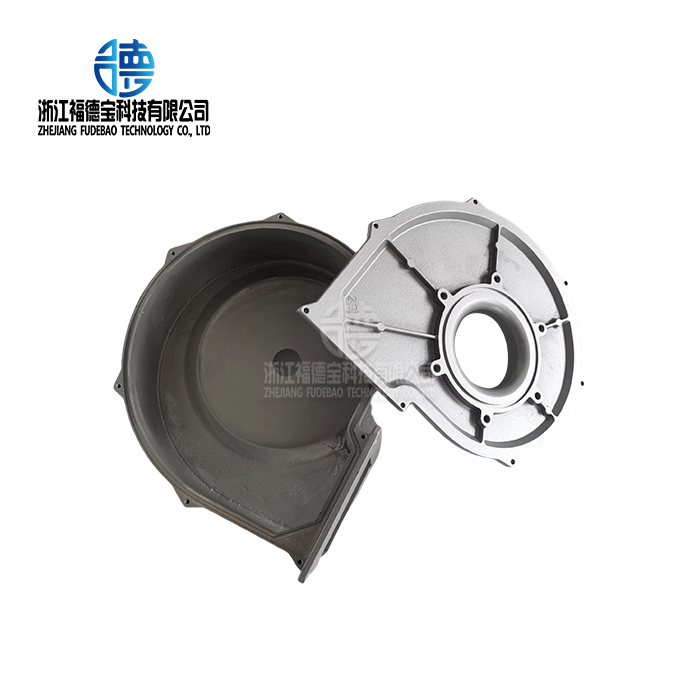
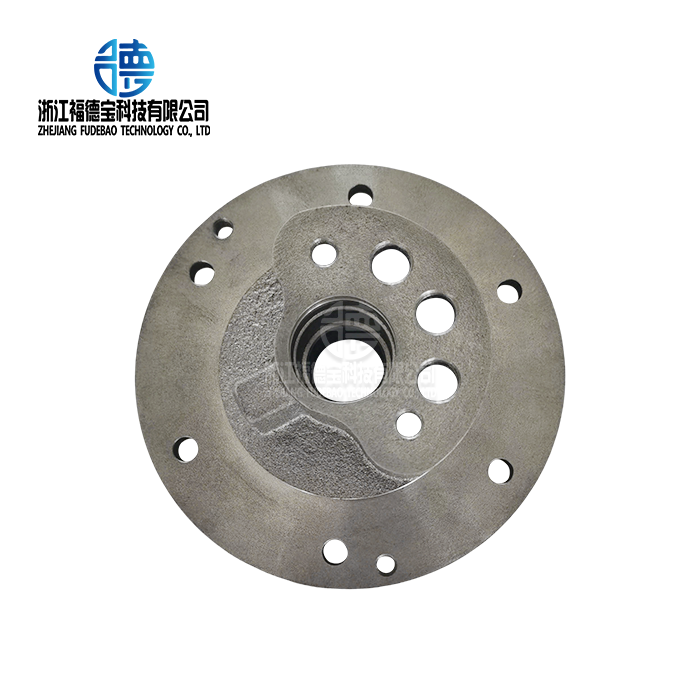
_1756349862928.webp "belts pulleys")
_1756349071334.webp "HAAS mounting bracket")
_1756348780785.webp "porting turbo compressor housing")
_1756348489473.webp "Automobile intake valve")
_1756348356531.webp "Automobile engine oil pan")