Ultimate Aluminum Die Casting Design Guide
2026-03-30
The aluminum die casting method is a very accurate way to make things. Molten aluminum metal is pushed into hardened steel molds under a lot of pressure, usually between 1,500 and over 30,000 psi. This detailed guide covers all the important design factors, material choices, and buying strategies that quality teams, sourcing leaders, and engineering managers need to know in order to make the best component specifications. By looking at design principles, manufacturing comparisons, and supplier evaluation criteria in a planned way, this resource gives decision-makers the tools they need to make the best use of die casting while ensuring accuracy in dimensions, weight reduction, and long-term dependability in electrical, aerospace, industrial, and automotive settings.
Understanding Aluminum Die Casting: Fundamentals and Process
Making complicated, nearly net-shaped metal parts with High-Pressure Die Casting (HPDC) is one of the most efficient ways to make things. For this process to work, liquid aluminum alloy is pushed into precisely made steel dies at speeds of up to 60 meters per second. This causes the alloy to solidify quickly and keep its shape very well. This quick cooling makes fine-grained microstructures that make the tensile qualities better than other methods like sand casting.
Key Aluminum Alloys and Their Properties
Choosing the right materials is a very important part of getting the best results. The most common material for general-purpose uses is still A380 aluminum alloy, which has a tensile strength of about 324 MPa and is very smooth and resistant to rust. The ADC12 is mostly used in Asian markets. It has great die-filling properties and a thermal conductivity of 96 W/m·K, which makes it perfect for uses that need to get rid of heat. When secondary processes are needed, A383 is easier to machine, and AlSi9Cu3 is better at keeping its strength at high temperatures for parts of car powertrains.
Common Defects and Mitigation Strategies
Knowing about possible casting flaws lets you make changes to the design ahead of time that stop quality problems. The most common flaw is porosity, which can happen when gas gets trapped or when the material shrinks while it hardens. This risk is kept to a minimum by placing overflow wells strategically and using the right control design. If there isn't enough metal flow convergence, cold shuts happen. These can be fixed by making the gates bigger and controlling the metal temperature. If you use the right die coatings and temperature control rules, you can stop die soldering, which is when metal joins to the surface of the die.
International tolerance standards, such as ISO 8062 and NADCA guidelines, set the amounts of accuracy that can be achieved for dimensions. For sizes up to 25 mm, the typical tolerances for aluminum die casting are ±0.1 mm. If needed, extra grinding can improve the linear accuracy to ±0.05 mm.
Design Guidelines for Optimal Aluminum Die Casting Parts
The quality of the aluminum die casting, the cost of production, and the speed of production are all directly affected by how well the parts are designed. The most important design element is the wall width. The best ranges are between 2.5 mm and 6 mm, which provide enough strength and ensure full die filling. Different cooling rates can cause warping or stress buildup inside the structure if the wall thickness is not the same.
Essential Design Parameters
Draft angles make it easier for parts to come out of the aluminum die casting die hole and reduce the number of surface flaws. Draft angles must be at least 1 degree on the outside, and between 1.5 and 3 degrees on the inside, based on the depth. Ribs improve structural stability without making the part much heavier. The best rib thickness is between 50% and 75% of the thickness of the wall next to it. Generous fillet circles, usually at least 1.5 mm, lower stress densities and make it easier for metal to move.
To keep tools simple and reduce the need for upkeep, undercuts should be avoided whenever possible. When undercuts are needed, slide cores or lifter systems make the tools more expensive and could cause them to break. When filled, blind holes that are deeper than twice their width may trap air, which means they need to be vented or the core needs to be changed.
Alloy-Specific Considerations
Different aluminum metals have different temperature and shrinkage qualities that affect how they need to be designed. The linear loss of A380 metal is about 0.5%, so die sizes need to be adjusted to account for this. Alloys with a lot of silicon, like A383, are better at flowing, but they wear down die surfaces faster, which changes how long you think a tool will last. Copper-containing metals are stronger, but they are less resistant to rust in some settings.
These ideas are successfully shown through real-world examples. Different wall thicknesses are used in automotive gearbox housings to improve casting flow while still meeting structural needs. Electronic cases have attachment holes and EMI shielding elements built in as a single unit, which eliminates the need for setup and increases dependability.
Comparing Aluminum Die Casting with Alternative Manufacturing Methods
To make a strategic choice about manufacturing, you need to know a lot about the process's powers, costs, and quality results. Die casting works best for large-scale production where needed accuracy in dimensions and surface finish justifies the cost of buying the initial tools. For easy shapes, production rates can go over 1000 parts per hour, which greatly lowers the cost per unit compared to other options like machining.
Cost-Effectiveness Analysis
When performing an aluminum die casting cost analysis, the costs of the tools used range from modest expenses for simple geometries to large sums of money for complex multi-slide tooling. Depending on how complicated the part is and how much it would cost to make it in another way, break-even numbers are usually between 10,000 and 50,000 pieces. It's cheaper to make tools for sand casting, but the finished product doesn't have the best surface finish or dimensions, so it needs more cutting, which can cancel out the initial savings.
Die casting in magnesium and zinc can make walls smaller and reproduce details better, but it costs more and has lower strength-to-weight ratios. Zinc metals are great for uses that need a smooth surface and stable dimensions, but they don't have the heat conductivity and corrosion protection of aluminum.
Production Speed and Quality Comparison
Cycle times for die casting aluminum parts can be anywhere from 30 seconds to several minutes, based on the size and complexity of the part. This ability to make things quickly helps with just-in-time manufacturing methods and keeps quality standards constant. As-cast Ra values for surface finishes are between 1.6 and 3.2 micrometers, which means that extra finishing steps are often not needed like they are with sand casting or investment casting.
When it comes to production speeds, injection molding of industrial plastics is about the same, but it doesn't handle temperatures as well and doesn't protect electromagnetic fields as well. CNC cutting is better at accurate measurements, but it wastes a lot of material and takes longer to turn, so it's only really useful for prototypes or low-volume production.
Procurement Essentials: How to Source the Best Aluminum Die Casting Services?
When evaluating a supplier, you need to take a close look at their technical skills, quality control methods, and output ability. ISO 9001 certification is the basic quality standard, and TS 16949 certification is specific to the needs of the car business. Being a member of NADCA shows that you support best practices in your field and gives you access to professional tools.
Technical Capability Assessment
When figuring out how much an aluminum die casting company can make, they should look at the die casting machine mass numbers, which are usually between 150 and 4000 tons. Bigger machines can make bigger or more complicated parts. CNC milling and turning centers are examples of secondary cutting tools that can be used to finish a part in a single location. Surface treatments like anodizing, powder coating, and chromate conversion make it possible to use the metal in more ways and protect it from rust.
Implementing statistical process control, having coordinate measuring machines, and having material tracking tools for aluminum die casting should all be part of quality assurance processes. Suppliers should show that they can make PPAP documents for use in the car industry and keep up with material certifications for use in aircraft applications. Minimum order numbers change a lot depending on how complicated the tooling is and how efficiently it can be made. They usually range from a few hundred pieces for simple geometries to thousands of pieces for complex multi-cavity tooling.
Risk Mitigation Strategies
Protocols for evaluating samples should include checking the sizes, trying the materials, and making sure the samples work well in real-world settings. Trial runs of production help find problems with the way things are made before they are committed to on a large scale. An evaluation of the seller's financial security keeps the supply chain running smoothly, and the qualification of a backup supplier makes sure there is no interruption during times of high demand.
You need to know about the manufacturing plans for tools (8 to 16 weeks for new dies), as well as the timelines for production planning and getting materials. Most of the time, rush requests can be filled, but they may cost more and require resources to be moved from other projects.
Leveraging Aluminum Die Casting for Diverse Industrial Applications
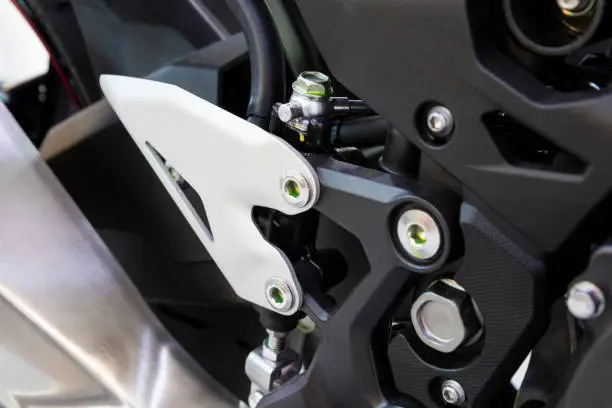
Die-cast parts are replacing multiple welded pieces in lightweight design solutions that are still being driven by automotive uses. For electric car battery housings that require aluminum die casting to keep the batteries cool and protect the structure, aluminum metals are the best materials to use. Die casting makes it possible to make complex internal shapes with mounting features built in and precise bearing surfaces for transmission cases.
Industry-Specific Requirements
Parts like pump housings, motor brackets, and gearbox casings are used in industrial machines where sturdiness and heat protection are important. These uses often work in harsh settings that need extra corrosion protection from special surface treatments. When equipment needs to keep working well between service times that are longer, dimensional stability under thermal cycle becomes very important.
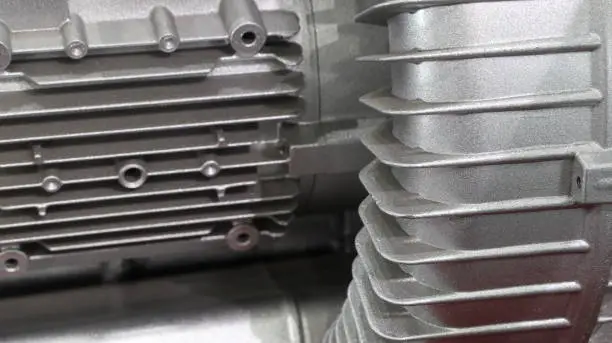
Aluminum's good conductivity and electromagnetic protection qualities are used in electrical and energy-related industries. Power equipment housings need to be exactly the right size to make sure they close properly and still allow for easy upkeep. Power electronics heat sinks use die casting to make complicated fin shapes that have a lot of surface area for transferring heat.
Initiatives to recycle materials are being driven by new trends in sustainability, and aluminum die casting can be recycled almost completely without losing any of its properties. As engineers try to find ways to cut down on weight without affecting performance, lightweighting efforts in many fields keep growing the uses of die casting. The main goals of developing advanced alloys are to make them stronger while also making them lighter and better at handling heat for use in future technologies.
Conclusion
This detailed design guide shows how aluminum die casting can be used as a smart manufacturing option in a wide range of industrial settings. Design optimization, material selection, process knowledge, and supplier review all work together to make a plan for how to carry out a project successfully. Some important things to think about are the consistency of the wall thickness, the right draft angles, matching the material properties to the needs of the application, and evaluating the supplier's abilities. Quality standards, like TS 16949 for cars, and the right tolerances make sure that products are always the same. Strategic purchasing choices weigh the cost of tools against the amount of work that needs to be done, taking into account wait times and the technical skills of the suppliers. By understanding how these factors affect each other, engineering teams can make the most of the benefits of die casting while avoiding common mistakes that can hurt the success of a project.
FAQ
What are the typical lead times for aluminum die casting projects?
Lead times are very different depending on how complicated the tools are and how much work needs to be done. Making a new die usually takes 8 to 16 weeks, but this depends on how complicated the part is and how busy the seller is. It can take 6 to 8 weeks to finish a simple single-cavity die, but 20 weeks or more to finish a complicated multi-slide casting. After the tools are finished, production wait times range from two to six weeks, based on the number of orders and the level of finishing needed.
How do flaws in the casting affect the dependability of the part, and what are the best ways to stop them?
Porosity is the biggest problem with dependability because it can cause stress concentration places that cause things to break too soon. Some ways to stop this from happening are to improve the design of the gates, follow the right degassing steps, and keep the metal temperature under control. If you make sure the gates are the right size and improve the metal flow patterns, you can stop cold shuts from creating leak paths in pressure-containing parts. Statistical process control tracking helps find patterns before they affect the quality of the production.
What certifications should suppliers have for automotive and aerospace applications?
Suppliers to the auto industry need to have TS 16949 approval, which shows that they have quality control systems that are designed specifically for making cars. For tier-1 provider ties to work, PPAP (Production Part Approval Process) must be able to be used. For aerospace uses, you need AS9100 approval that lets you track down materials and do advanced inspections. Being a member of NADCA shows that you support best practices in your business and gives you access to technical tools and training programs.
Partner with Fudebao Technology for Your Die Casting Needs
To be the best at making aluminum die casting components, you need a partner with advanced skills and proven knowledge. Fudebao Technology uses its many years of knowledge and state-of-the-art tools to make precise parts for use in aircraft, industry, and cars. Our factory has modern die casting machines, high-speed machining centers, and CNC lathes that help with the whole production process, from melting to finishing the surface. We can keep our wait times low while still getting accurate measurements to within ±0.05mm. Get in touch with hank.shen@fdbcasting.com to talk about your needs for an aluminum die casting source and find out how our wide range of services can improve the quality of your products and the efficiency of your supply chain.
References
North American Die Casting Association. "Product Design for Die Casting." NADCA Technical Manual, 3rd Edition, 2018.
Totten, George E., and D. Scott MacKenzie. "Handbook of Aluminum: Physical Metallurgy and Processes." Marcel Dekker Inc., 2003.
Vinarcik, Edward J. "High Integrity Die Casting Processes." John Wiley & Sons, 2002.
American Society for Testing and Materials. "Standard Specification for Aluminum-Alloy Die Castings." ASTM B85-03, 2019.
International Organization for Standardization. "Geometrical Product Specifications: Dimensional and Geometrical Tolerances for Moulded Parts." ISO 8062-3:2007.
Society of Automotive Engineers. "Casting Quality Standard for Aluminum and Magnesium Sand and Permanent Mold Castings." SAE J1148, 2021.



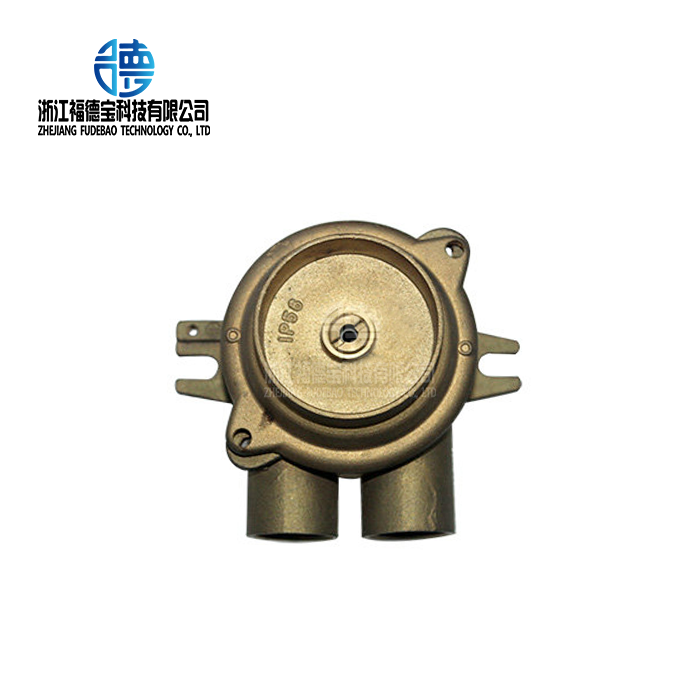
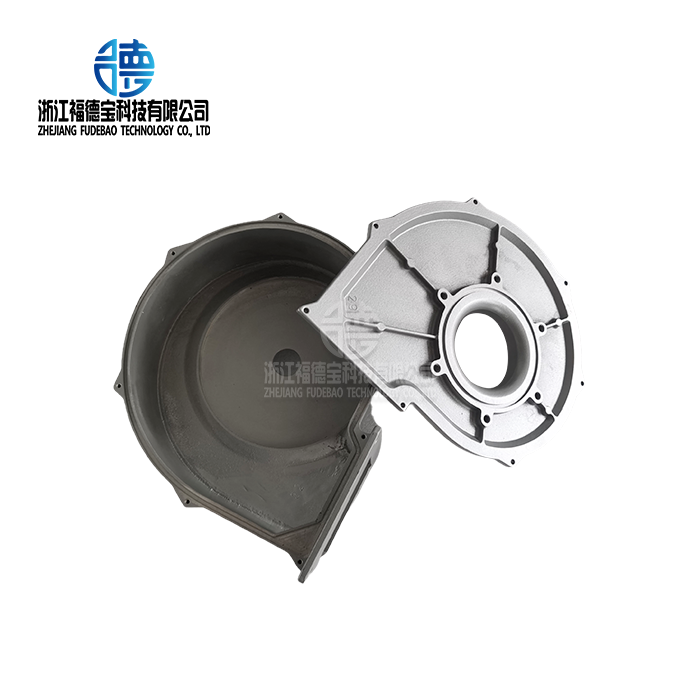
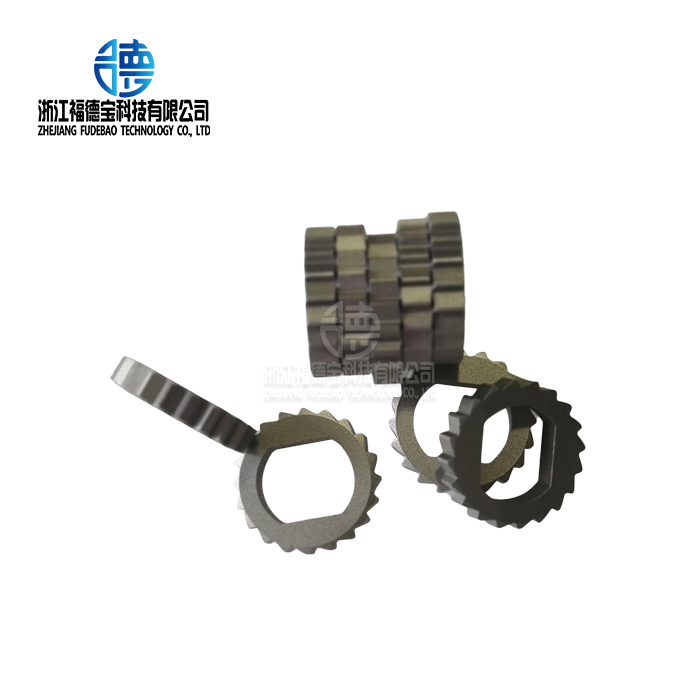
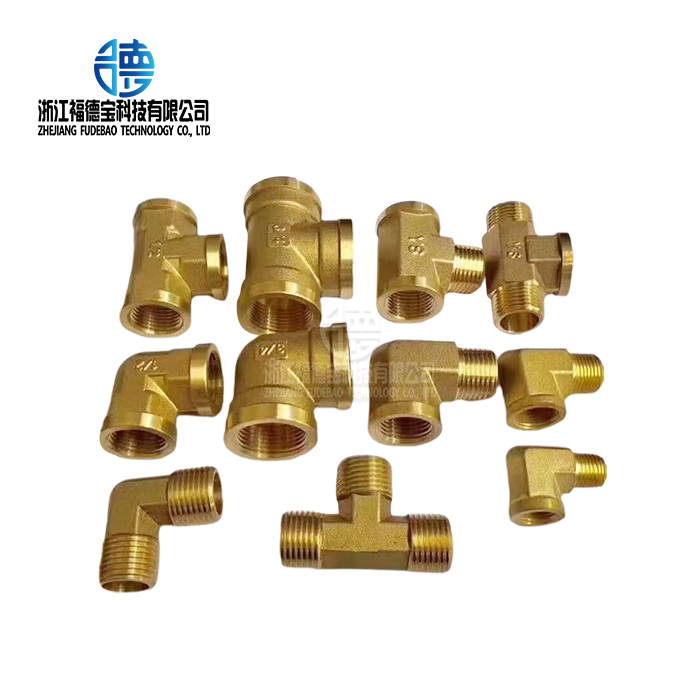
_1756350046757.webp "Heat sink aluminum casting")
_1756346613780.webp "Aluminum tent base Casting")