
What is the Sand Casting Process?
2026-03-30
Sand casting is a way to shape metal by using bonded sand mixes, usually green sand or resin sand, to make molds that can be thrown away after the metal has been put into them. This flexible manufacturing method solves important production problems that other methods can't. It is an important part of the foundry business and makes up more than 60% of all metal casts. It gets rid of the very high costs of making the molds needed for die casting for small to medium-sized batches, can handle casting weights from ounces to over 100 tons, and gives you the most alloy options for working with high-melting-point metals, both ferrous and non-ferrous.
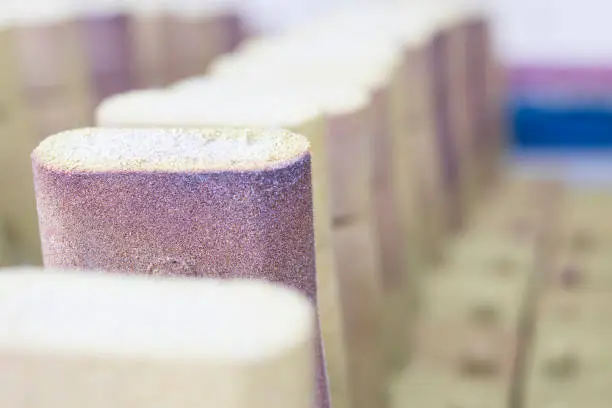
Introduction to the Sand Casting Process
Modern production needs metal parts that are more and more complicated and need to balance performance, cost, and design freedom. It turns out that sand casting is the best way to make metal products that meet all of these different needs in fields like aircraft and car powertrains. This tried-and-true method has changed a lot since its early days. It now uses modern materials science and precise engineering to produce reliable, high-quality results.
This method of making things will always be useful in today's competitive world because it is so flexible. Permanent mold methods need a lot of money to make certain shapes, but sand molding can handle quick design changes and sample development without having to pay a lot for tools. This adaptability is very helpful for global business-to-business buying plans, where buyers need to balance quality standards with limited funds and delivery times.
Why Sand Casting Dominates Modern Manufacturing
This process is always chosen by engineering managers and buying directors because it solves three important manufacturing problems in a way that no other method does. This method can be used for both small runs of prototypes and medium-volume production, and it doesn't need expensive fixed tools. The process can also handle parts with weights ranging from small, delicate electronic housings to huge, heavy industrial machines. The best thing about this method is that it can work with almost any castable metal, even tough ones like titanium and high-carbon steels that are hard to work with with other methods.
It can be used with a lot of different materials and shapes, making it very flexible. The design freedom that disposable molds offer is useful for many things, including internal cooling tunnels in engine blocks for cars, complicated valve bodies for oil and gas uses, and complicated structure parts for spacecraft. Quality teams like how the process can keep dimensions consistent while adapting to changes in engineering without having to spend a lot of money on new tools.
Key Steps in the Sand Casting Process
By understanding the steps that go into sand casting, buying professionals can better judge the skills and quality control measures of suppliers. To get the exact measurements and smooth surface finish needed for modern commercial uses, each step needs to be done carefully and by someone with the right skills.
Pattern Making and Mold Design
The process of making patterns is the basis for good casting operations. Skilled workers or automatic machinery make exact copies of the part that is needed, taking into account the shrinkage that happens with each metal at different temperatures. For samples, modern designs use a wide range of materials, from traditional wood to aluminum or steel for large-scale production runs. To make sure the mold fills properly and the dimensions are correct, the pattern design has to take draft angles, parting line placement, and the inclusion of the gating system into the design into account.
Modern manufacturers use pattern making tools that are linked with CAD, which lets them make changes quickly and accurately control the sizes. This combination of technologies is especially useful in the aircraft and automobile industries, where precise patterns are needed because of small tolerances and complicated shapes. Putting money into making precise patterns has a direct effect on the quality of the casting and lowers the need for machining later on.
Sand Selection and Mold Preparation
The type of sand used has a big effect on the quality of the casting and how accurate the measurements are. Green sand systems use bentonite clay binders that are mixed with water to get the best strength and moldability. When normal dimensional tolerances are enough for high-volume car uses, these cost-effective methods work really well. To get better physical stability and surface finish quality, resin-bonded sand systems use chemical binders such as furan or phenolic substances.
Pay close attention to the moisture content, clay percentage, and compactability measurements during the sand preparation process. Automated mixing systems make sure that the properties of the sand stay the same throughout production runs. Testing in the lab makes sure that the sand's permeability and hardness meet the needs of casting. Quality makers keep thorough records on the properties of their sand so that it can be tracked and so that they can keep improving.
Core Making and Assembly
For parts with complicated internal shapes, you need sand cores that can handle the heat and pressure of metal pours. When making cores, resin-bonded sands are usually used. These sands harden into structures that can keep their shape during the casting process. The cores need to be strong enough to withstand metal pressure while still being able to be collapsed enough to avoid hot tearing during solidification.
For core assembly to work, it needs to be carefully placed and securely anchored inside the mold cavity. Modern cores are made with automatic tools that keep the dimensions accurate and cut down on work costs. Using 3D printing for complicated core shapes is a new trend that makes internal configurations possible that weren't possible before.
Advantages and Limitations of Sand Casting for Industrial Use
Understanding the pros and cons of sand casting helps people make smart choices about how to source parts. This fair view helps match the process's skills with the needs of the application while also finding ways to make things better.
Economic and Design Advantages
The main economic benefit is that pattern making doesn't require as much money up front as fixed mold casting does. Because of this, sand casting is a great way to make parts that need to be designed more than once or that need to be made in medium quantities. Scalability is unmatched, as the process can handle weights ranging from small electronic housings to huge industrial machinery parts weighing more than 50 tons.
The ability to change the design is another big benefit that tech teams like. It's easy for this process to handle complicated internal passages, undercuts, and complex exterior shapes that would be hard or impossible to do with machining. When the design of a component changes, only the pattern needs to be changed instead of expensive new tools. This lets engineers respond quickly to requirements.
Compatibility with materials includes almost all castable metals, even difficult ones like high-temperature superalloys used in aircraft. The process works just as well with non-ferrous and ferrous metals, giving you more options for how to source materials for a wide range of applications. This flexibility is especially helpful for businesses that have to manage various product lines with different material needs.
Technical Limitations and Mitigation Strategies
When compared to precision casting methods, the main problem is that they can't handle very tight tolerances on dimensions. Tolerances usually fall between ISO 8062 CT10 and CT13, which means that important mating surfaces may need extra machining to be done. Modern producers get around this problem by using better sand systems, automatic molding tools, and statistical process control techniques that make the dimensions more consistent.
The surface finish usually has characteristics that run from 6.3 to 12.5 Ra microns, which means that finishing processes may be needed for cosmetic uses. Leading foundries get around this problem with special sand systems, better gating designs, and surface treatment processes that happen after the casting is done. By investing in advanced finishing tools, producers can make sure that the parts they send meet strict standards for surface quality.
Due to the need to prepare the mold, production cycle times are usually longer than those of die casting methods. Strategic makers use automatic molding lines, parallel processing, and lean production concepts to cut down on cycle times. These changes cut wait times by a lot while keeping quality standards the same.
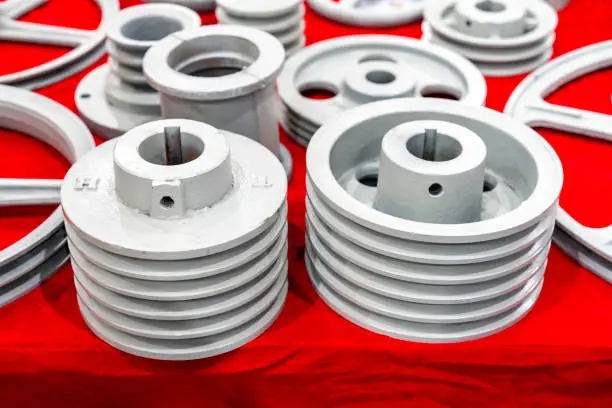
Choosing the Right Sand Casting Partner for Your Business Needs
The choice of supplier for sand casting has a big effect on the quality of the parts, the dependability of delivery, and the success of the relationship in the long run. Professionals in procurement have to look at a lot of different factors to find makers that can meet their unique needs and offer value-added services that make the supply chain work better.
Technical Capabilities and Quality Systems
Leading sellers are different from commodity companies because they can make more advanced products. Look for factories that have fully automated molding lines, computer-controlled melting systems, and a wide range of checking tools, such as spectrometers and coordinate measuring machines. These investments show a dedication to precise production and consistent quality.
As a minimum, quality management systems should have ISO 9001 certification. For example, TS 16949 certification is needed for automotive applications, and AS9100 certification is needed for aerospace components. Check the supplier's statistical process control methods, inspection protocols, and corrective action systems to make sure they meet your quality standards. The ability to document must meet the needs for traceability and make it easier to implement projects for continuous growth.
Engineering Support and Customization Capabilities
Strategic suppliers offer technical help that adds value and makes sure that the design of parts is made in a way that is both cost-effective and easy to make. Check out the supplier's design review skills, how they use simulation software, and how they make prototypes. These services are very helpful while a product is being developed and make it possible to move smoothly to production numbers.
Customization should include help choosing an alloy, extra machining services, and choices for surface treatment. Integrated providers that offer full finishing services make the supply chain simpler and make it easier to coordinate deliveries. Being able to offer one-stop options for everything from raw casting to finished parts makes buying much more efficient.
Communication and Partnership Approach
Communication tools that work well let you solve problems before they happen and keep track of projects without any problems. Check to see how well the seller can handle projects, how well they can make reports, and how quickly they can answer technical questions. Reporting on quality metrics, production status updates, and engineering change management processes should all be part of regular communication procedures.
The supplier's desire to spend in relationship-specific skills and ongoing improvement projects shows that they want to work with you as a partner. Look for makers that genuinely want to understand your business needs and come up with creative solutions that improve the performance of parts or lower the total cost of ownership.
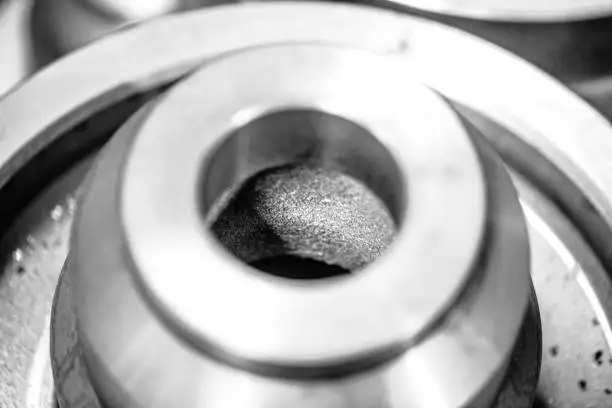
Conclusion
Sand casting keeps showing that it is a useful, flexible, and inexpensive way to make things that can be used in many different industries, such as aircraft, energy, tools, and cars. The process is an important part of modern production methods because it allows for flexible design, works with a wide range of materials, and is cost-effective. This guide explains the technical aspects, benefits, and selection criteria so that buying workers can make smart choices that improve the quality of parts while keeping costs low.
FAQ
What materials work best with sand casting processes?
Aluminum, copper, steel, iron, and specialty alloys like titanium are just a few of the metals that can be made in sand molding. Because they are so strong for how light they are, aluminum alloys are very popular in the aircraft and automobile industries. Castings made of steel and iron work very well in heavy tools where strength and longevity are important. With temperatures above 1600°C, the process works with both ferrous and non-ferrous metals.
How does sand casting compare to die casting for medium-volume production?
Due to lower equipment costs, sand casting is a very cost-effective way to make things in medium quantities. Die casting has better surface finishes and tighter standards, but the high cost of the original tools makes it hard to do for runs less than 10,000 pieces. Sand casting gives designers more freedom and can make parts that are bigger than what a die casting machine can handle.
What dimensional tolerances can sand casting achieve consistently?
Dimensional limits usually fall between ISO 8062 CT10 and CT13, which is about ±0.5 to 2.0 mm. This depends on the size and complexity of the casting. When advanced makers use automated molding tools and statistical process control, they can get closer tolerances on important measurements, getting close to ±0.3mm. To get precise fits and meet practical needs, critical mating areas usually need to be machined.
Partner with Fudebao Technology for Superior Sand Casting Solutions
Zhejiang Fudebao Technology Co., Ltd. is ready to turn your needs for parts into precision-engineered sand casting solutions that go above and beyond what you expect. Our modern factory has cutting-edge casting systems, digital process controls, and full quality management that work together to make sure that the measurements are accurate to within ±0.05mm. We are experts at making aluminum alloy, copper alloy, and stainless steel for use in cars, factories, and spacecraft all over the world. For more information on why top manufacturers choose Fudebao Technology as their trusted sand casting supplier for important parts, email hank.shen@fdbcasting.com and let our expert team talk about your unique needs.
References
Campbell, John. "Complete Casting Handbook: Metal Casting Processes, Metallurgy, Techniques and Design." Butterworth-Heinemann, 2015.
American Foundry Society. "Sand Casting: Principles and Practice in Modern Foundry Operations." AFS Technical Publications, 2018.
Beeley, Peter R. "Foundry Technology: A Source Book of Information on the Theory and Practice of Foundry Work." Newnes-Butterworths, 2016.
International Organization for Standardization. "ISO 8062: Geometrical Product Specifications for Castings - System of Dimensional Tolerances and Machining Allowances." Geneva: ISO, 2017.
Heine, Richard W., Carl R. Loper, and Philip C. Rosenthal. "Principles of Metal Casting." McGraw-Hill Education, 2019.
Modern Casting Magazine. "Annual Census of World Casting Production: Global Foundry Industry Statistics and Trends Analysis." American Foundry Society, 2023.



YOU MAY LIKE
_1756346371362.webp "separator housing")
_1756348543350.webp "Automotive Turbine Casting")
_1756360265131.webp "Aluminum casting chair legs")
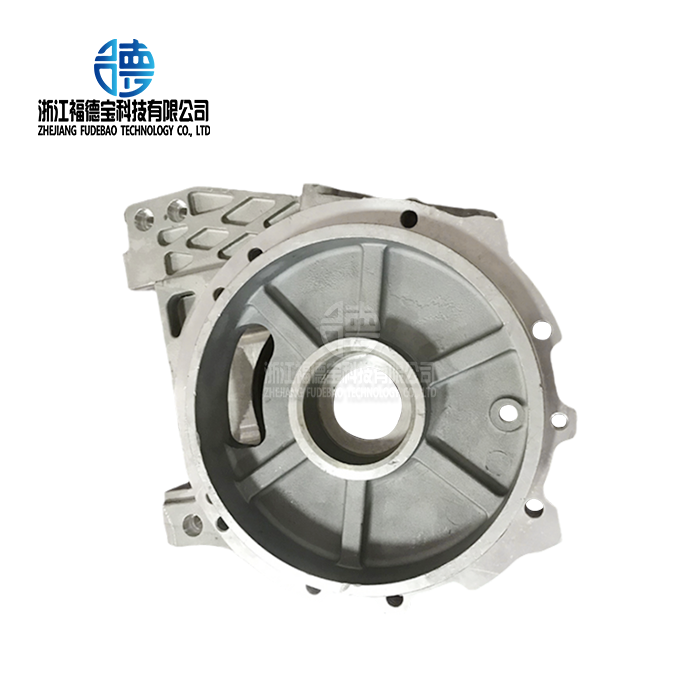
_1756348780785.webp "porting turbo compressor housing")
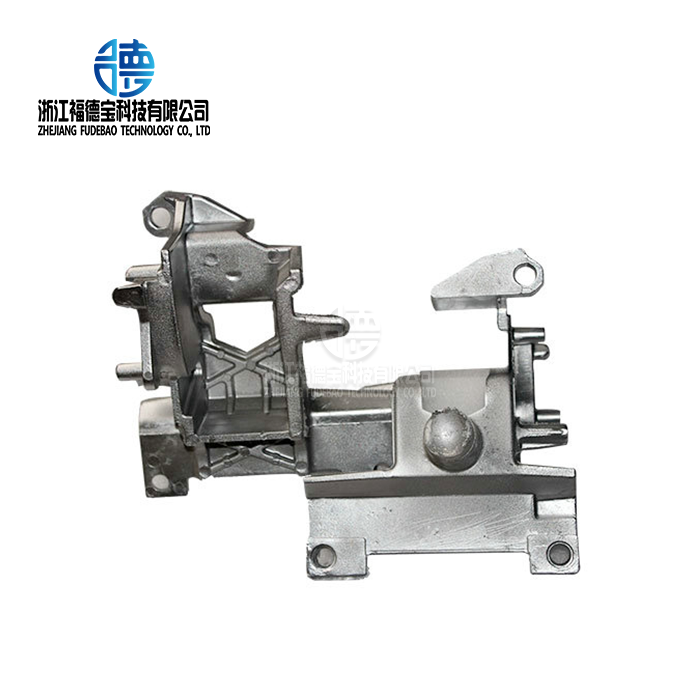
_1756346613780.webp "Aluminum tent base Casting")