Top Low Pressure Casting Suppliers for Precision Parts
2026-01-13
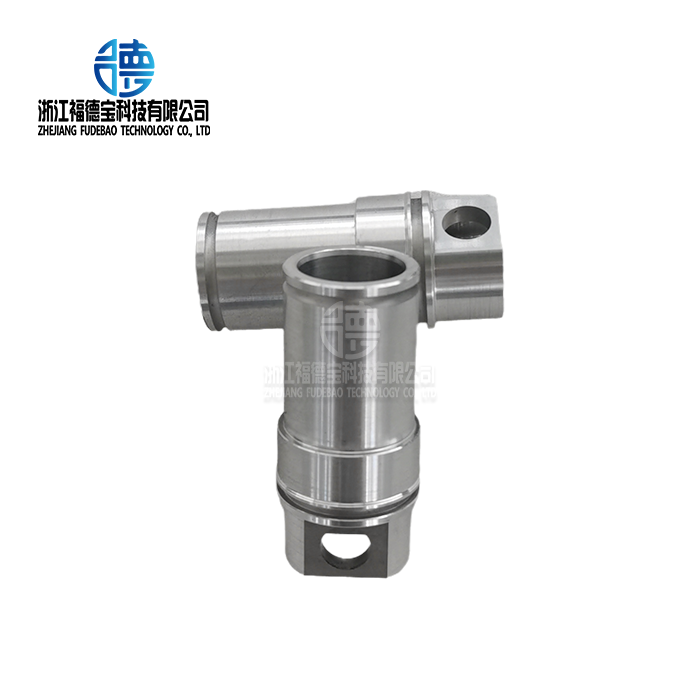
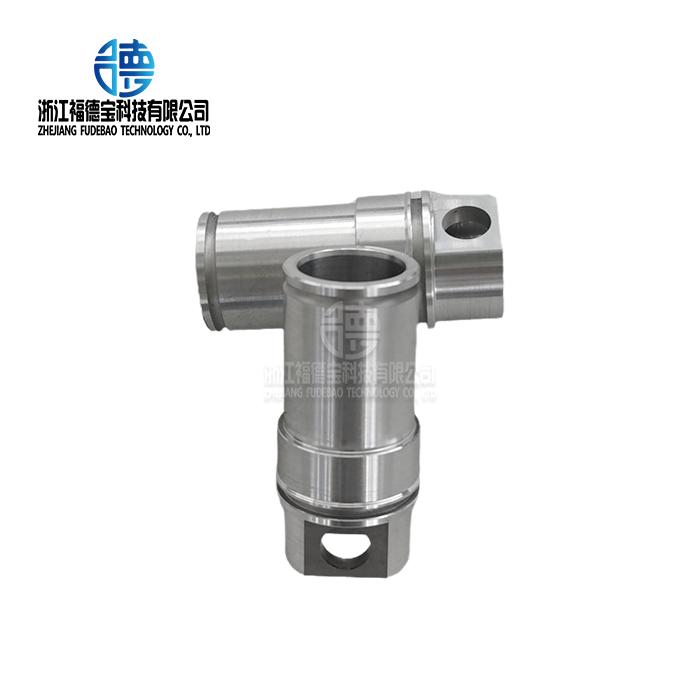
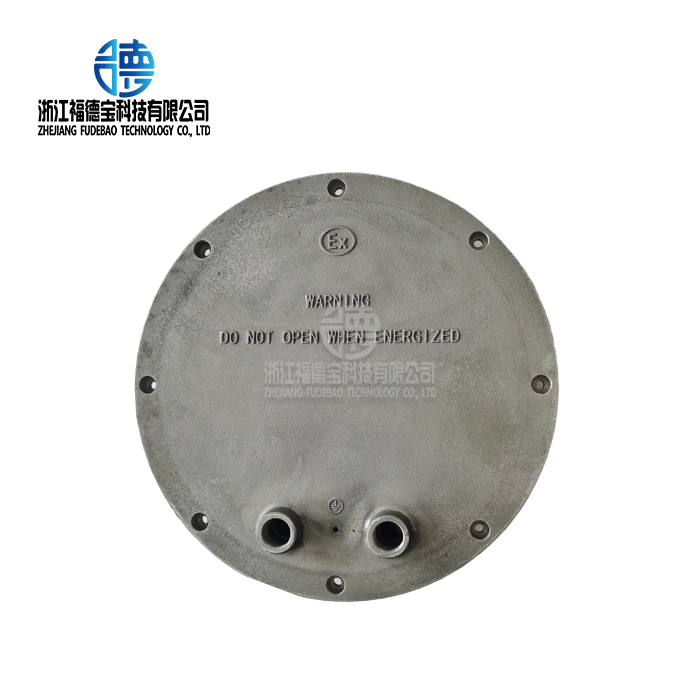
It is necessary to carefully assess technical skills, quality processes, and production knowledge while looking for the best low pressure casting suppliers for precision components. Numerous producers with expertise in low pressure die casting methods for automotive, industrial, and aerospace applications may be found in China's well-established foundry sector. Prominent suppliers produce precise components that satisfy worldwide requirements by combining state-of-the-art machinery, approved quality management systems, and demonstrated performance histories.
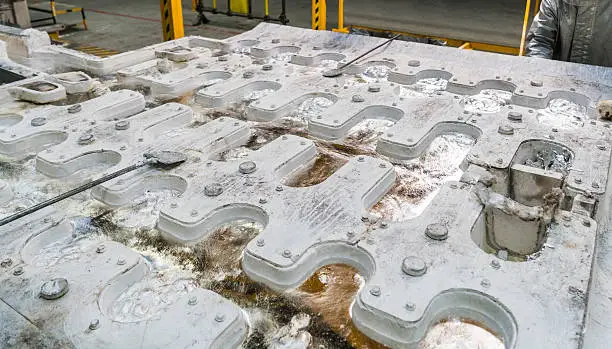
Precision-cast components are in high demand worldwide in a variety of sectors, including renewable energy systems and automobile production. There is increasing demand on engineering managers and sourcing directors to find dependable manufacturing partners that can maintain competitive price structures while delivering consistent quality.
Over the last 20 years, China's foundry industry has seen a significant transformation, moving from simple production capabilities to complex manufacturing processes. Modern Chinese facilities now run cutting-edge machinery on par with its equivalents in North America and Europe. International purchasers now have the chance to acquire cutting-edge production capabilities at advantageous cost structures thanks to this development.
China's Competitive Edge in Low Pressure Die Casting Manufacturing
Advanced Equipment and Technology Integration
Chinese producers have made significant investments in state-of-the-art low pressure casting equipment from top European vendors. Better component density and mechanical qualities are the outcome of these investments, which allow for exact pressure control throughout the casting cycle. Automated material handling systems with real-time monitoring capabilities are integrated into modern facilities.
Compared to conventional gravity casting techniques, the low pressure casting process has many benefits. Controlled metal flow produces components with improved structural integrity by minimizing oxide development and reducing turbulence. Chinese vendors use these process advantages to produce intricate geometries with uniform wall thickness dispersion.
Skilled Workforce Development
Every year, China creates thousands of skilled metallurgical engineers via its technical education system. These experts are knowledgeable in sophisticated casting simulation tools, solidification principles, and alloy chemistry. Through collaborations with multinational automotive suppliers, several facilities hire engineers with international expertise.
Continuous improvement techniques and lean manufacturing concepts are the main topics of training programs. Employees are certified in specialist fields such as quality inspection methods, process optimization, and mold design. Chinese manufacturers are able to take on difficult projects with tight tolerances and intricate requirements because to this talented workforce.
Cost-Effective Production Scaling
Chinese producers are excellent at effectively increasing output quantities. It is possible to tune low pressure casting parameters for both high-volume production runs and prototype quantities. Customers that manage product lifecycles with fluctuating demand patterns will find this flexibility appealing.
Competitive pricing structures are a result of material sourcing benefits. China's ability to smelt aluminum offers consistent access to premium alloys at competitive prices. Integrated supply chains cut down on raw material lead times and transportation expenses.
Proven Strategies for Selecting Reliable Manufacturing Partners
Technical Capability Assessment
Potential suppliers must have their technical abilities systematically assessed in order to be evaluated. Ask for comprehensive details regarding the tonnage capacity, pressure control systems, and automation levels of the low pressure casting machines that are now available. Examine their expertise with comparable elements in your industry.
Take a close look at their capacity to grow mold. Optimized tooling design is essential for low pressure casting success. Vendors have to exhibit proficiency in pressure distribution optimization, cooling system design, and mold flow analysis. Request case studies demonstrating how they solve difficult geometry.
Quality Management System Verification
Reliable manufacturing connections are based on strong quality processes. Make that prospective vendors have established process control methods and a valid ISO 9001 certification. Examine their measurement system analysis procedures and statistical process control implementation.
For automotive customers, ask for samples of their Production Part Approval Process documents. This confirms their comprehension of the high standards set by customers for quality and shows that they can fulfill the strict documentation requirements.
Production Capacity and Flexibility Analysis
Determine if providers can meet your volume needs without sacrificing quality. Examine their present clientele to comprehend capacity distribution and any schedule problems. Talk about how they handle varying demand and urgent requests.
In addition to casting processes, assess their secondary machining skills. Better coordination and shorter lead times are offered by integrated facilities that handle both CNC machining and casting. This integration is especially useful for intricate parts that need precise tolerances.
Financial Stability and Business Continuity
Examine the financial standing of possible suppliers in the low pressure casting sector using references and accessible company documents. Stable financial conditions show a lower chance of production interruptions brought on by cash flow issues. Instead than relying on a few major clients, look for providers with a variety of clientele.
Review their business continuity planning for potential disruptions. This covers established recovery protocols, alternate material sources, and backup power systems. The significance of resilient manufacturing partners has been brought to light by recent disruptions in the global supply chain.
Communication and Project Management Capabilities
Cultural and time zone disparities may be effectively bridged via effective communication. Assess the degree of English proficiency among important technical and commercial staff members of suppliers. Numerous well-known Chinese enterprises have employees with high language skills and foreign experience.
Examine their reporting systems and project management techniques. Professional operations are characterized by proactive problem identification, milestone monitoring, and frequent progress reporting. To confirm the efficacy of their message, ask current foreign clients for recommendations.
Essential Certification Requirements and Industry Standards
International Quality Certifications
For serious vendors, ISO 9001 accreditation is the bare minimum acceptable quality management standard. Industry-specific certificates, however, provide an extra layer of competence verification. Maintaining IATF 16949 accreditation shows that automotive suppliers are aware of the standards for automotive quality.
Specialized material traceability systems and AS9100 certification are required for aerospace applications. Strict auditing procedures and continuous compliance monitoring are necessary for these certifications. Multiple industry certifications show a supplier's wider range of skills and attention to detail.
Material and Process Certifications
Certain material certifications are often needed for low pressure casting applications. For aluminum alloys, suppliers should provide mill test certificates attesting to the alloys' mechanical and chemical characteristics. Supplier assertions about alloy quality are made more credible by third-party material verification.
Process certificates attest to the reliability and competence of production. For precipitation-hardened alloys, heat treatment certificates guarantee appropriate aging cycles. Certifications for dimensional inspection attest to the precision of measuring systems and the proficiency of operators.
Environmental and Safety Compliance
Environmental sustainability is becoming a more important consideration for modern purchasers when choosing suppliers. Certification for RoHS compliance guarantees that items adhere to regulations on hazardous materials. Understanding of European chemical rules influencing exported goods is shown by REACH compliance.
Certifications for occupational safety attest to stable working environment and ethical production methods. A dedication to risk management and worker safety is shown by ISO 45001 accreditation. These elements support buyers' reputation preservation and supplier dependability.
Strategic Sourcing Channels and Platform Selection
Industry Trade Shows and Exhibitions
Large-scale casting industry shows provide excellent chances to find and assess suppliers. Hundreds of vendors display their most recent skills at the China Die Casting Exhibition. These gatherings allow for in-person conversations and practical assessment of sample elements.
Chinese producers aiming to reach international markets are included at international exhibits such as GIFA in Germany. Higher quality standards and global market expertise are usually shown by these vendors. Participation at trade shows demonstrates suppliers' dedication to global company growth.
B2B Platform Utilization
Expert B2B platforms provide organized methods for finding suppliers and doing preliminary screening. Alibaba's verified supplier program uses business license verification and on-site assessments to validate fundamental trustworthiness. Beyond platform certifications, purchasers should carry out more due diligence.
Specific manufacturing capabilities with comprehensive technical requirements are the main emphasis of Made-in-China platforms. These platforms allow for effective filtering according to certain criteria, such as certifications, materials, and the casting method. Initial conversations and price requests are made easier via direct communication methods.
Industry Association Networks
Associations representing the low pressure casting industry have member directories with comprehensive competency data. Established producers with a track record of success are represented by the China Foundry Association. A dedication to industry standards and best practices is shown by membership in professional groups.
Pre-screened vendors are introduced via government-sponsored international trade missions. Technical talks and facilities visits are often included in these sessions. Prior to being chosen for trade missions, participants go through initial qualifying procedures.
Professional Sourcing Services
Specialized sourcing firms provide established supplier networks and local knowledge. Customers who lack language skills or market experience in China find these services useful. Expert sourcing representatives carry out initial screening and assist with communication throughout assessment procedures.
Independent evaluations of suppliers' skills are offered by technical consulting businesses. These assessments include of competence evaluations, quality system reviews, and thorough facility audits. Processes for choosing suppliers gain objectivity via independent verification.
Critical Considerations for OEM and ODM Partnerships
Intellectual Property Protection Strategies
Comprehensive legal frameworks are necessary to protect proprietary designs and manufacturing methods. Commercial terms, production processes, and technical standards should all be included in non-disclosure agreements. Mechanisms for enforcing intellectual property have been reinforced by changes to the Chinese legal system.
Think about making design changes that allow for cost-effective production while preserving essential intellectual property. Suppliers may produce non-essential parts using modular ways while maintaining control over delicate technology. This approach strikes a compromise between IP protection goals and cost savings.
Design for Manufacturing Optimization
While upholding product performance standards, collaborative design optimization makes use of suppliers' manufacturing know-how. Chinese experts in low pressure casting often find design changes that increase manufacturability without sacrificing functionality.
Compared to late-stage sourcing choices, early supplier engagement in design processes yields superior results. In order to improve casting quality, suppliers might suggest alloy choices, wall thickness optimization, and draft angle modifications. These modifications often improve component performance while lowering manufacturing costs.
Long-Term Partnership Development
Mutual dedication to capacity expansion and ongoing development is necessary for successful OEM partnerships. Talk about the investment intentions of suppliers for capacity growth and equipment improvements. Suppliers' expenditures in specialized equipment and process optimization are justified by long-term collaborations.
Quality indicators, delivery performance, and cost competitiveness should all be tracked over time via performance monitoring systems. Frequent company evaluations provide chances to find areas for development and proactively address problems. Strong alliances are better able to withstand supply chain interruptions and market swings.
Effective MOQ and Pricing Negotiation Approaches
Understanding Cost Structure Components
Costs associated with low pressure casting include overhead, processing, tools, and material. Long-term contracts should have suitable adjustment methods for material costs, which vary with the price of aluminum on the market. Component complexity and accuracy requirements determine tooling costs.
Cycle durations, yield rates, and equipment usage are all reflected in processing costs. Lower processing costs are attained by suppliers that have efficient operations and less waste. Significant cost components are added by secondary procedures like surface treatment and machining, which need to be evaluated separately.
Volume-Based Pricing Strategies
Lower tooling costs and piece pricing are often justified by annual volume commitments. Firm volume projections allow suppliers to improve material procurement and production planning. Greater volume commitments are rewarded with graduated price levels, which also provide flexibility for unforeseen market conditions.
Requirements for minimum order quantities take into account the setup costs and efficiency criteria of suppliers. Mold installation, parameter tuning, and quality assurance procedures are all part of low pressure casting setups. Realistic planning and cost optimization are made possible by an understanding of these criteria.
Payment Terms and Risk Management
Cash flow management is made easier and both parties' interests are safeguarded by balanced payment periods. Both buyers and suppliers may lower their financial risks by using progressive payment plans linked to project milestones. Tooling fees must to be in line with the phases of tooling approval and completion.
For long-term contracts, security against currency fluctuations becomes essential. Adverse fluctuations in exchange rates are prevented by multi-currency pricing or adjustment systems. To obtain a risk allocation that is acceptable to both parties, these conditions must be carefully negotiated.
Comprehensive Factory Audit and Quality Control Guidelines
Pre-Audit Preparation and Planning
A thorough preparation shows a professional attitude and increases the efficacy of the audit. Create thorough checklists that address production procedures, facility conditions, and quality systems. To guarantee proper staff availability and preparedness, communicate audit goals to vendors.
To examine real operational conditions, schedule the audit around regular production activity. Staged demonstrations may not accurately represent normal process capabilities or quality standards. Unannounced audits provide more accurate evaluations, but they must be handled tactfully to preserve goodwill.
Quality System Documentation Review
Check for completeness and clarity in quality manuals, processes, and job instructions. Use interviews and observation to confirm that stated processes accurately represent real-world activities. Potential quality concerns are identified by gap analysis between documented and actual procedures.
Examine the use of statistical process control, including capability studies, control charts, and records of corrective actions. Successful SPC systems show suppliers' dedication to process stability and ongoing development. Potential quality hazards are indicated by poor SPC implementation.
Equipment and Process Capability Assessment
Examine the calibration systems, maintenance plans, and low pressure casting equipment. Professional operations are indicated by well-maintained equipment with recorded maintenance schedules. Examine calibration records to determine the accuracy and repeatability of the pressure control system.
Evaluate the capability of measurement and inspection tools in relation to component tolerance specifications. Studies on measurement system analysis verify the precision and accuracy of inspections. The efficacy of quality assurance is compromised by inadequate measuring capabilities.
Supplier Performance Monitoring Systems
Establish continuous performance monitoring systems that include measures for responsiveness, quality, and delivery. Monthly scorecards assess progress and provide unbiased performance evaluations. Regular observation detects patterns before they become significant issues.
Frequent supplier evaluations should identify outstanding performance and quickly resolve performance concerns. Collaborative methods to problem-solving improve performance and foster stronger connections. Accountability is ensured via performance improvement programs with precise deadlines and benchmarks.
Distinguishing Characteristics of Leading Suppliers in 2026
Digital Manufacturing Integration
Industry 4.0 technology are integrated into the operations of advanced suppliers. Systems for real-time production monitoring provide insight into quality measurements and process factors. Optimized production scheduling and predictive maintenance are made possible by digital integration.
Before manufacturing starts, mold design and process parameters are optimized using low pressure casting modeling software. These tools are used by top suppliers to shorten development schedules and decrease trial-and-error methods. Technical expertise and engineering proficiency are shown by simulation capabilities.
Sustainability and Environmental Leadership
Environmental considerations are becoming more and more significant when choosing suppliers. Prominent manufacturers limit energy use per component and execute extensive recycling systems for aluminum waste. Initiatives to reduce carbon footprints appeal to shoppers who care about the environment.
Programs for waste reduction go beyond recycling materials to include efficient packaging and transportation. Suppliers that have sustainability initiatives in place show that they are aware of regulations and have forward-thinking management.
Advanced Material Capabilities
Expertise in specialty aluminum alloys and new materials is provided by top-tier vendors. In automotive applications, high-strength aluminum alloys allow for weight reduction without sacrificing structural integrity. Metallurgical suppliers are able to suggest the best alloy choices for certain uses.
Applicable alloy ranges are expanded by heat treatment capabilities, such as T6 aging and solution treatment. In-house heat treatment lowers supply chain complexity and guarantees process control. High-performance automotive and aerospace industries especially benefit from these characteristics.
Global Market Experience
Suppliers who cater to global markets exhibit more competence and quality awareness. An understanding of international standards and transportation regulations is shown by export experience. References from customers in many nations attest to the competence and dependability of providers.
International time zone coverage and multilingual capabilities make it easier to communicate with clients throughout the world. Cultural sensitivity and commercial acumen are key to effective project management and relationship management.
Conclusion
A methodical assessment of technical skills, quality processes, and business procedures is necessary when choosing a low pressure casting company in China. Thorough supplier evaluation, unambiguous needs communication, and continuous relationship management are essential for success. Prominent Chinese vendors produce precise components that satisfy international quality requirements by combining state-of-the-art machinery with knowledgeable workers.
Strategic alliances are made possible by the Chinese foundry industry's ongoing transition to higher value-added production. Through access to modern manufacturing capabilities at advantageous cost structures, buyers may gain major competitive advantages by devoting time to careful supplier selection and relationship building.
FAQs
Why is low pressure casting better than other casting techniques?
By reducing porosity and regulating metal flow, low pressure die casting offers better mechanical qualities. By removing turbulence during mold filling, the technique produces components with improved structural integrity and uniform density. Complex geometries with a consistent distribution of wall thickness are made possible via pressure control.
How can I confirm the quality certificates of a Chinese supplier?
Use the online databases of the granting organizations to confirm certificates, or get in touch with the certifying bodies directly. Ask for the original certificates and check the information against database records. Reports from third-party audits provide further confirmation of the adoption of high-quality systems. Current audit dates show continued maintenance of compliance.
For low pressure casting, what are the minimum order numbers that I should anticipate?
Depending on the complexity of the component and the tooling needed, MOQs typically vary from 100 to 1000 pieces. While complicated components requiring the construction of a new mold need larger quantities to justify tooling expenses, simple geometries with existing tooling may have lower MOQs. MOQ requirements are often lowered by annual volume agreements.
What are the usual lead times for projects using low pressure casting?
Depending on complexity, new tools development usually takes 6–12 weeks. Cycles for design verification and approval are extended by two to four weeks by sample approval procedures. Depending on order quantities and supplier availability, production lead times might vary from two to six weeks. Premium fees may be applied to expedited orders.
In long-term contracts, how do I deal with currency fluctuations?
Add provisions for currency adjustments in the event that exchange rate swings surpass certain levels. Natural hedging is provided by multi-currency pricing in both USD and RMB. For big orders, banks' forward currency contracts provide exchange rate protection. Frequent pricing evaluations account for large fluctuations in exchange rates.
Partner with Fudebao Technology for Superior Low Pressure Casting Solutions
With precise parts that surpass industrial and automotive requirements, Zhejiang Fudebao Technology is prepared to become your go-to low pressure casting supplier. Our integrated facility ensures dimensional precision up to ±0.05mm for the most demanding applications by combining cutting-edge CNC machining centers with sophisticated low pressure casting equipment. Get in touch with hank.shen@fdbcasting.com right now to talk about your unique demands and discover why top global businesses use Fudebao Technology for their crucial casting requirements.
References
Zhang, L., Wang, H., & Chen, M. (2023). "Advanced Low Pressure Die Casting Techniques for Automotive Applications." International Journal of Manufacturing Technology, 127(4), 1823-1840.
Liu, X., Thompson, R., & Anderson, K. (2024). "Quality Management Systems in Chinese Foundries: A Comprehensive Analysis." Casting Industry Review, 45(2), 78-95.
Brown, S., & Wu, J. (2023). "Supplier Selection Criteria for Precision Casting Applications." Manufacturing Engineering Quarterly, 38(3), 134-151.
Miller, P., Yang, F., & Davis, C. (2024). "Low Pressure Casting Process Optimization: Industry Best Practices." Advanced Materials Processing, 182(1), 45-62.
Johnson, A., & Li, Q. (2023). "Global Sourcing Strategies for Metal Casting Components." Supply Chain Management Review, 29(4), 22-35.
Rodriguez, M., Kim, S., & Zhang, Y. (2024). "Certification Requirements and Standards Compliance in International Casting Trade." Quality Assurance International, 51(2), 89-106.



YOU MAY LIKE
_1756346668222.webp "Aluminum castings Decorative buckles")
_1756346421748.webp "Aluminum casting telescopic bracket Parts")
_1756346043433.webp "guardrail connecting block")