Low Pressure Casting vs Gravity Casting: Key Differences Explained
2026-06-25
When deciding between low pressure casting and gravity casting, the main things that matter are the needs of the product and the goals for production. Using controlled pneumatic pressure (usually 0.2 to 1.0 bar), low-pressure casting pushes molten aluminum or magnesium metals into permanent molds. This makes parts with better structural stability and less internal porosity. Gravity casting, on the other hand, only uses gravity to fill molds. It is easier to use and requires less tools, but the mechanical qualities are worse and there are more defects. As we've worked with car OEMs, industrial equipment manufacturers, and aerospace clients over the years, we've seen how choosing the right casting process has a direct effect on how quickly parts are made, how well they work, and how much they cost in the long run.
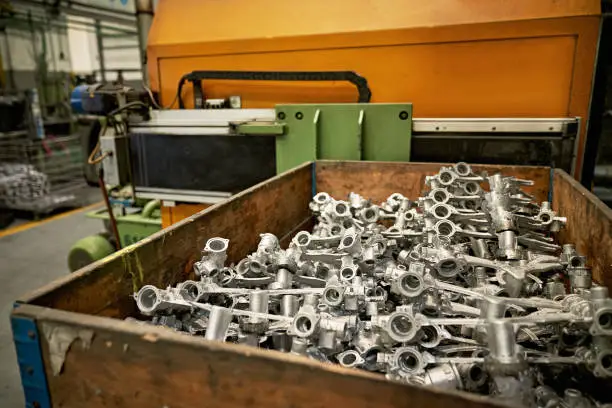
Understanding Low Pressure Casting and Gravity Casting
In modern metalworking, each casting method is used for a specific purpose. Knowing how they work technically helps buying teams make smart sourcing choices that meet product requirements and price limits.
What Defines Low Pressure Casting?
Low-pressure die casting, or LPDC, is a precise, counter-gravity filling method in which a holding furnace that is under pressure is directly connected to the permanent mold body by a lift tube. During the filling cycle, the process keeps the air pressure between 20 and 100 kPa. This ensures smooth flow, which reduces turbulence and the formation of oxide films. This controlled environment lets the liquid metal feed shrinkage constantly while it solidifies, so thick feeders aren't needed like they are in gravity ways. Material yields often go over 90%, which is much higher than the 50–60% that is normal of gravity processes. This lowers remelting costs by a large amount and improves sustainability measures. The process works best with magnesium alloys and aluminum alloys like A356. It makes casts that meet ASTM B618 standards and strict car porosity requirements set by ASTM E155.
How Gravity Casting Operates
In gravity casting, liquid metal is poured into permanent or semi-permanent molds using only gravity and hydrostatic head to fill the forms. The method works with different metals, like aluminum, copper, and zinc combinations, so you can choose any material you want. There are many types of molds, from simple fixed steel molds to complicated sand cores with complex internal shapes. Even though the equipment is cheap and doesn't take long to set up, the chaotic filling process adds more air and oxide particles, which limits the mechanical qualities that can be reached even after heat treatment. Gravity methods work well for making prototypes, small batches of products, and parts where saving money at first is more important than getting exact measurements and making sure the parts won't break down over time.
Material Compatibility and Alloy Selection
Choosing the right material has a big effect on how well a casting method works. When flexibility, strength, and the ability to be heated and shaped are very important, low-pressure methods make aluminum-silicon alloys (A356, A380) and magnesium alloys work better. It's possible to do full T6 heat treatment cycles (solution and age hardening) that improve tensile strength and elongation without blistering because of the controlled filling environment. This isn't possible with high-pressure die casting because of stored gas. Gravity casting can work with a wider range of alloys, such as copper-based materials and zinc, but it's still hard to get the best mechanical qualities. At Fudebao Technology, we follow strict chemical spectral analysis methods. For example, we make sure that the iron content in our premium castings is less than 0.15% and keep an eye on the amounts of strontium modification to make sure that the elongation qualities meet the needs of the car and aerospace industries.
Key Differences Between Low Pressure Casting and Gravity Casting
When engineering managers and sourcing heads know how these low-pressure casting and gravity casting methods work differently, they can match the process's abilities with the needs of the parts, the amount of output, and the quality standards.
Process Mechanics and Filling Dynamics
The main difference in low pressure casting is in how the gaps are filled. Low-pressure systems use customizable pressure-rise curves that are managed by PID loops to keep the speed at the gate constant and stop the flow-front oxidation that happens a lot when gravity pouring. This laminar filling makes sound casts with few trapped flaws, which is important for safety-critical car suspension parts like steering knuckles and control arms that are loaded and unloaded millions of times. The rough flow in gravity casting creates oxide films and porosity clusters, especially in sections with thin walls and far away from gates. Post-casting heat treatment can reduce stress, but it can't get rid of internal cracks that were there to begin with, which lowers the wear life and leak-tightness.
Dimensional Accuracy and Surface Quality
Low-pressure methods can usually hit ISO 8062 CT6–CT7 grades of tolerance, which means that important features can have dimensions within ±0.3mm. Surface finishes run from Ra 3.2 to 6.3 µm, which means less machining is needed afterward and direct assembly is possible in situations like EV motor housings where precise mounting surfaces are necessary. Gravity casting usually gets accuracy grades of CT8 to CT9, but the surface is harder and needs more work to be finished. The pressure-fed method also allows for thinner minimum wall thicknesses (2.5–3.0mm) than the usual 4.0mm minimum thickness for gravity. This helps with weight reduction efforts that are important for improving the range of electric vehicles and the efficiency of aircraft payloads.
Defect Profiles and Quality Outcomes
The most important difference between these methods is their internal soundness. The constant pressure feeding during solidification in low-pressure casting almost completely removes shrinkage porosity in thick sections, making X-ray quality that meets aircraft radiographic standards. The porosity levels usually meet the ASTM E155 Class 1 standards, and most of the defects are found near the gate areas, which are easy to fix by making small changes to the process. Gravity-cast parts have random holes in them all over the casting volume, especially in heavy places where the feeding paths aren't good enough. This difference is shown by leak tests: pressure-decay tests on hydraulic manifolds and wheel castings show much lower leak rates in low-pressure parts. This has a direct effect on OEM clients' insurance costs and brand image.
Equipment Investment and Technical Complexity
The cost of capital for low-pressure devices is much higher than for gravity casting setups. A full LPDC line with a pressurized furnace, robots that handle molds, and process tracking equipment costs a lot of money, but it's worth it because the company makes more than 10,000 units a year and can't have failure rates above 2%. Gravity systems are easy for smaller foundries and pilot shops to use because they only need basic tilt-pour or fixed equipment and not a lot of technical know-how. Tool life is also different. H13 tool steel molds for low-pressure uses can usually last between 30,000 and 50,000 cycles with proper care and refractory coating replacement. However, gravity molds show faster thermal fatigue, especially when aluminum solidifies and shrinks a lot.
Advantages and Limitations: A Comparative Analysis
Each casting method has its own benefits that rely on the production situation, the complexity of the part, and the performance requirements. Finding the best process decision depends on how well these things are balanced.
Strengths of Low Pressure Die Casting
There are many benefits that are linked to the controlled pressure environment that make it appealing to aircraft and car tier-1 providers. Laminar mold filling and constant pressure feeding create fine-grained microstructures with few breaks, which leads to better mechanical integrity. This feature of the structure allows for full T6 heat treatment cycles that raise the mechanical properties (yield strength, tensile strength, and elongation) to levels that can't be reached by gravity methods. This is necessary for parts that are loaded and unloaded dynamically and that are exposed to thermal cycling. Material efficiency above 90% return lowers the cost of raw materials and the damage they do to the environment. This helps companies meet their sustainability goals while also improving their bottom line in high-volume production. By integrating a sand core, the process can handle complicated shapes like undercuts and internal cooling passages. This is possible because the low 1-bar pressure doesn't cause core crushing like high-pressure die casting does. Because of these factors, low-pressure casting is the best choice for metal wheels, EV engine housings, and important chassis parts that can't fail and would cause a lot of damage.
Practical Limitations of LPDC
Smaller manufacturers and low-volume uses are hampered by the need for more cash in low pressure casting. Complex equipment needs skilled operators who know how to set pressure curves, handle mold temperatures, and understand metallurgical principles. However, not everyone has access to this kind of knowledge. Cycle times are longer than with gravity or high pressure because filling speeds can be controlled and pressure-holding periods can be lengthened. This means that production rates can only be low in situations where quality deserves a lower throughput. Mold prices go up because they need to be precisely machined and integrated with a heated furnace. This means that production volumes over several thousand units per year are needed for the business to break even.
Benefits of Gravity Casting
When adaptability, quick prototyping, and low cost are important, gravity methods shine. Short production runs can be done quickly and cheaply, which makes the process perfect for trying designs before investing in high-volume tools or making replacement parts whose demand is hard to predict. Simplifying equipment lowers the need for user training and upkeep costs, which makes it possible to store a wide range of products in a single facility. The flexibility of the material allows it to work with metals that aren't good for pressure-fed systems, such as some copper-based compositions and experimental alloys that are still being developed. Because of these benefits, gravity casting is a good choice for companies that make industrial machinery and need long-lasting pump housings and compressor parts in small to medium quantities, where high-quality mechanical qualities are not as important as material strength and resistance to rust.
Constraints in Gravity Methods
Porosity, oxide inclusions, and dimensional variation require higher scrap limits and more thorough inspection processes, so defect rates are naturally higher than with low-pressure options. Because leak-tight castings can't be made without extra processes, they can't be used in hydraulic systems, pressure tanks, or electrical housings that need to be shut. Existing gas porosity still makes heat treatment less effective because it leads to scorching and warping during solution heat treatment cycles. Because of these quality problems, gravity casting can only be used for non-essential tasks or with lower performance standards, which could make the finished product less competitive in markets that need high standards.
Cost, Lead Time, and Procurement Considerations for B2B Clients
Different casting methods have very different financial modeling and supplier evaluation standards. This means that procurement experts need to look at the total cost of ownership instead of just piece prices.
Comparative Cost Structures
When the number of units made is low, low-pressure casting usually costs more per unit because the tools wear out and the equipment costs more. Break-even analysis usually favors LPDC at yearly volumes above 5,000 to 10,000 units, depending on how complicated the part is. This is because material savings, less waste, and fewer secondary processes more than make up for the initial investment. Gravity casting is cheaper for prototypes and small batches (less than 1,000 units per year), but it costs more to check and there is a chance that it will fail in the field, which could affect the guarantee. Total cost models need to include things like machining stock removal (gravity parts often need extra material clearance), impregnation for porosity filling, and quality-related scrap rates. From our experience at Fudebao Technology, we know that a full cost analysis often shows that LPDC is the best option for automotive and aerospace applications, even though the piece prices are slightly higher. On the other hand, gravity methods are still the most cost-effective way to make industrial equipment and electrical housings that don't need to meet strict performance standards.
Production Lead Times and Scheduling
Launch plans for projects are greatly affected by how long it takes to make tools. For car clients, designing, machining, and validating low-pressure molds takes 8 to 14 weeks. This includes a first-article inspection and PPAP paperwork. Because gravity molds are easier to build, output can be sped up to 4 to 8 weeks, which is helpful for projects that need to be done quickly. For single parts, gravity casting has longer production cycles (2 to 5 minutes per casting vs. 5 to 12 minutes for LPDC), but this benefit isn't as big when you consider that low-pressure processes require less scrap rework and secondary operations. Strategic procurement teams plan the launch of tools at the same time as the design approval steps. This keeps timeline changes to a minimum and makes sure that process capability studies match the needs of the production ramp.
Supplier Selection and Quality Assurance
To find trustworthy casting partners, you need to look at more than just price quotes. You should also look at their technical skills, certifications, and quality systems. As a basic requirement for quality management, ISO 9001 certification is an important qualification for suppliers. Automotive suppliers should also have IATF 16949 registration, which shows they know how to do the production part approval process (PPAP). Radiographic testing tools, spectrometers for checking alloys, and mechanical testing labs that give material approvals that can be tracked back to specific heats should all be part of an inspection's capabilities. Site visits show how well the company's tools, process controls, and workers are doing, all of which are signs of consistent quality delivery. Fudebao Technology's Zhejiang facility combines low pressure casting machines with high-speed CNC machining centers and coordinate measuring machines. This allows for one-stop delivery of molten metal to finished precision parts with accuracy levels up to ±0.05mm, which takes away the need for global procurement teams to coordinate with multiple suppliers.
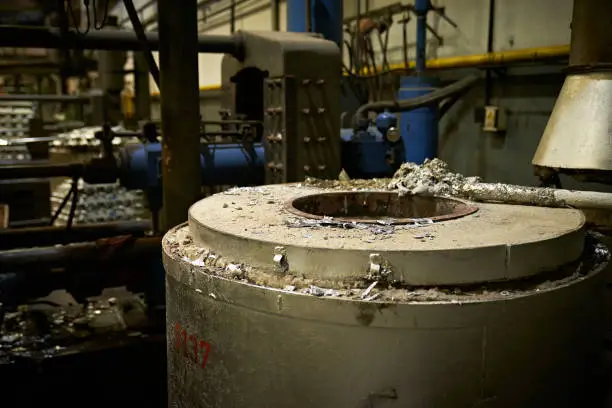
Future Trends and Quality Optimization in Casting Technologies
Casting process innovations offer better powers, longer life, and tighter supply chain integration that makers who want to stay ahead of the competition should keep an eye on.
Digital Transformation and Industry 4.0 Integration
Real-time process tracking with built-in sensors and machine learning algorithms improves casting quality and predicts repair needs before they cause production to stop. Pressure curves, mold temperatures, and metal chemistry data are sent to analytics platforms, which find process drift trends that humans can't see. This lets top facilities make predictions that lower defect rates to less than 0.5%. Customers can also be connected digitally through secure portals that show them the state of their orders, let them see quality documents, and integrate inventory management, which makes just-in-time shipping easier to coordinate. New aircraft supply chains are using blockchain-based tracking systems to keep permanent records that connect certified raw materials, casting parameters, and final inspection results. These records can be audited and help with quick root-cause analysis when problems happen in the field.
Sustainable Manufacturing and Circular Economy Practices
Closed-loop metal recycling, energy-efficient melting technologies, and waste heat recovery systems are all used because of rules about the environment and business social duty. The higher material output of low-pressure casting naturally supports sustainability goals by reducing the amount of waste created. Also, improvements in refractory coatings make molds last longer and reduce the amount of toxic waste that is released. Because aluminum can be recycled over and over again without losing any of its properties, both casting methods are good for the circular economy. This is especially true as cars become lighter and more use aluminum instead of steel, which creates strong secondary metal supply chains. Carbon footprint evidence is becoming more and more important in purchasing decisions, with sellers that can show real reductions in emissions through the use of green energy and better logistics networks being favored.
Advanced Alloy Development and Performance Enhancement
Metallurgical research is still going on to make aluminum alloys that are easier to cast, work better at higher temperatures, and have better mechanical qualities. This is to help with the thermal management problems in electric vehicles and to meet the weight reduction requirements in aircraft. Scandium-modified aluminum alloys are very good at welding and resisting rust, making them useful for marine and defense uses. On the other hand, silicon-enriched compositions make the metal more fluid, which lets thinner wall sections be made. These new materials work best with low-pressure casting's controlled solidification environment, allowing performance levels that used to require expensive titanium or magnesium replacements. Foundries, OEMs, and metal suppliers can work together on development projects that speed up the approval process. This means that next-generation materials can be put into production more quickly than with traditional linear development models.
Conclusion
In conclusion, if you want to choose between low pressure casting and gravity casting, you should look at more than just the price of the first piece. You should also think about the production numbers, quality needs, and total ownership costs. Low-pressure die casting gives you better mechanical properties, accurate dimensions, and a defect-free metallurgical structure that you need for high-performance, safety-critical automotive, and aerospace applications. This higher initial investment is justified by lower scrap, fewer secondary operations, and more reliable products. Gravity casting is still useful for prototyping, small-batch production, and uses that can handle bigger tolerance bands and middling performance levels. It is easy to use and can be used with a variety of materials. As procurement strategies put more emphasis on supply chain resilience, sustainability metrics, and digital integration, working with foundries that are technically capable of both processes gives companies the freedom to adapt to changing product lines and market needs while keeping quality standards high.
FAQ
Which casting method works best for aluminum automotive wheels?
Low-pressure casting is the main method used to make wheels for cars because it provides the structural stability and fatigue resistance needed for safety-critical moving parts. The process produces a thick microstructure with no shrinkage porosity. This makes sure that wheels stay airtight even when they are being loaded and unloaded quickly and easily, and they pass strict impact testing methods. Gravity-cast wheels don't have the consistent metal quality needed for OEM approval, and there are more guarantee claims for them.
Can gravity casting produce leak-tight hydraulic components?
To get acceptable leak rates, gravity-cast hydraulic housings usually need to be vacuum-impregnated with sealant resins a second time. This adds cost and processing time. Through constant pressure feeding, low-pressure casting gets rid of porosity interconnections during solidification. This makes casts that are naturally leak-tight and can be used for hydraulic manifolds, pump bodies, and sealed electrical boxes without the need for extra closing steps.
What minimum order quantities justify low pressure casting investment?
Depending on the complexity of the part and the quality standards, economic viability usually starts at 5,000 to 10,000 units per year. However, strategic factors like performance needs and long-term production plans may make earlier adoption more appropriate. When equipment costs are spread out over small numbers of units, making pressure-fed processes too expensive per piece, gravity methods are the best choice for prototypes and small production runs of less than 1,000 units.
Partner with Fudebao Technology for Advanced Casting Solutions
Companies that care about quality and need a reliable low-pressure casting provider can use our all-in-one services, which include precision cutting, surface treatment, and melt preparation. Zhejiang Fudebao Technology uses high-tech LPDC machines, high-speed machining centers, and CNC lathes to make finished aluminum alloy parts with tolerances of ±0.05mm for tier-1 car projects, aerospace applications, and industrial equipment installations. Our knowledge in metallurgy makes sure that the mechanical properties stay the same by using controlled alloy chemistry and proven heat treatment protocols. Full quality systems, such as X-ray inspection and pressure testing, provide proof that meets PPAP and aerospace certification needs. Get in touch with our engineering team at hank.shen@fdbcasting.com to talk about your unique component needs, look into your material choices, and come up with manufacturing solutions that will help your global supply chain strategy improve performance, cut costs, and ensure on-time delivery.
References
American Foundry Society (2021). Aluminum Casting Technology: Processes and Metallurgy, 4th Edition. Schaumburg, IL: AFS Publications.
Campbell, J. (2015). Complete Casting Handbook: Metal Casting Processes, Metallurgy, Techniques and Design. Oxford: Butterworth-Heinemann.
ASTM International (2020). ASTM B618-20: Standard Specification for Aluminum-Alloy Investment Castings and Aluminum-Alloy Permanent Mold Castings for Aerospace Applications. West Conshohocken, PA.
Kaufman, J.G. & Rooy, E.L. (2004). Aluminum Alloy Castings: Properties, Processes, and Applications. Materials Park, OH: ASM International.
SAE International (2019). AMS 4283: Aluminum Alloy Castings, Low Pressure Die. Warrendale, PA: Society of Automotive Engineers.
European Aluminium Association (2018). Aluminium Automotive Manual: Casting Design and Properties. Brussels: EAA Automotive Working Group.



YOU MAY LIKE
_1756348543350.webp "Automotive Turbine Casting")
_1756349071334.webp "HAAS mounting bracket")