The Benefits of Aluminum Die Cast Parts in Aerospace Weight Reduction
2026-07-06
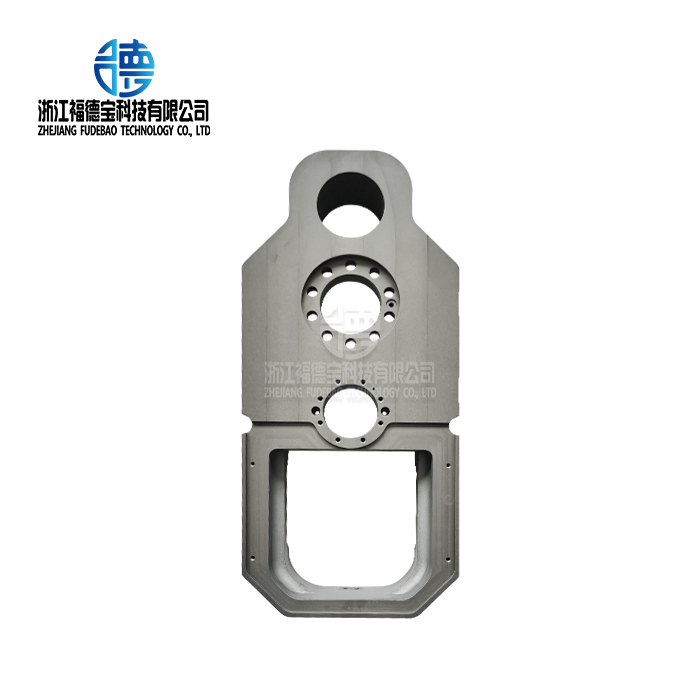
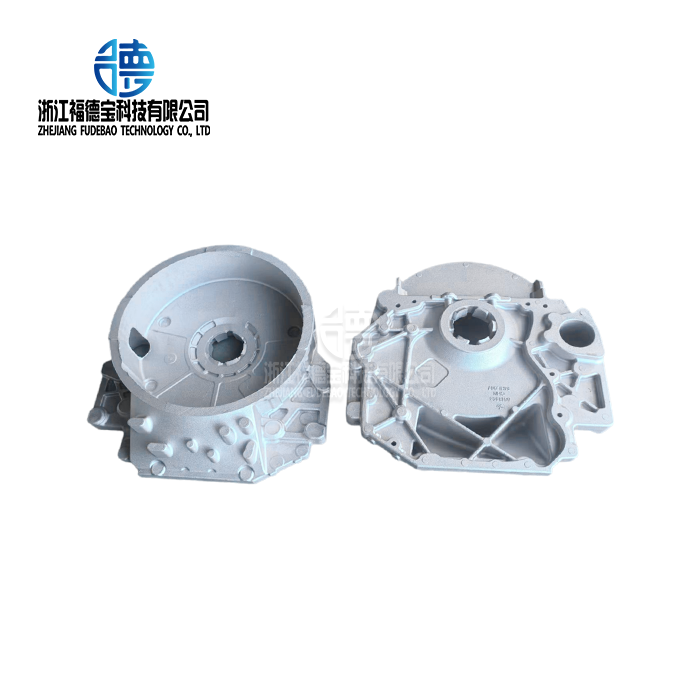
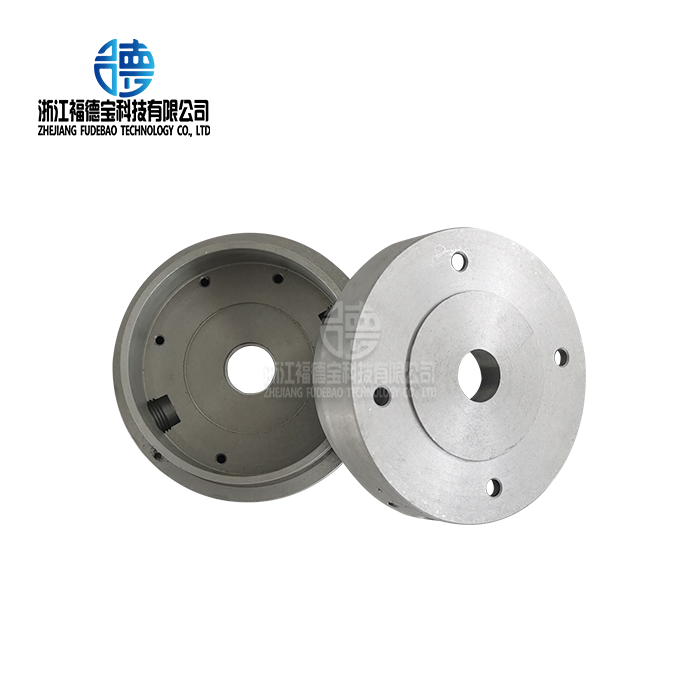
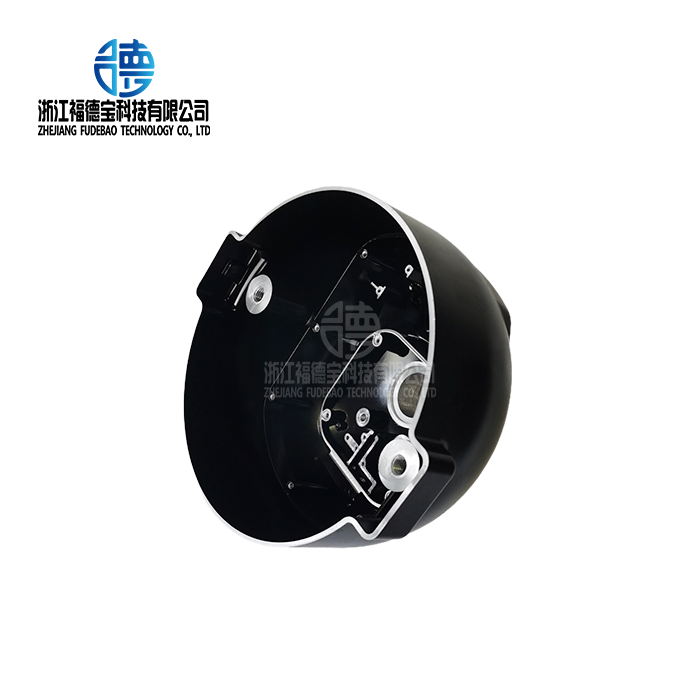
In aerospace uses, aluminum die casting offers exceptional weight savings by allowing makers to make high-strength parts that weigh much less than conventional options. Under high pressure, this precise manufacturing method pours molten aluminum alloy into hardened steel molds. This makes complicated shapes with thin-walled sections that lower the total weight of the airplane.
Less weight means better fuel economy, longer flight range, and lower emissions, all of which are very important for aircraft OEMs that have to deal with stricter environmental rules. In addition to being lightweight, aluminum die cast parts have very good thermal properties, accurate dimensions, and natural resistance to corrosion. These qualities make them essential for structural frames, housings, and useful aircraft parts.
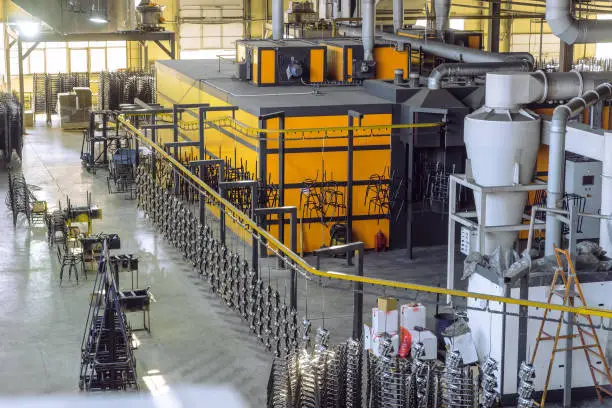
Understanding Aluminum Die Casting in Aerospace Applications
The High-Pressure Die Casting Process
Pressuring liquid metal into well-designed molds at pressures ranging from 1,500 to over 30,000 psi is how the aluminum die casting process works. With this High-Pressure Die Casting (HPDC) method, makers can make walls that are very thin—often as little as 1.5 mm—while still keeping the structure strong in complex shapes. Rapid solidification under pressure reduces porosity and makes parts with great surface finishes, which means they don't need to be machined again.
Aerospace-Grade Aluminum Alloys
Specialized aluminum alloys that are designed for strength-to-weight ratios are often used in aerospace uses. Aerospace makers often ask for A360 alloys or custom alloys with less silicon to meet specific mechanical and surface treatment needs. The car industry usually uses A380 or ADC12 alloys. The specific gravity of these metals is about 2.7 g/cm³, which is about one-third the weight of steel. They also have tensile strengths that are good for demanding structural uses. With a thermal conductivity of 96–120 W/m·K, these materials work great for parts that need to get rid of heat.
Why Aerospace Engineers Choose Die Casting
In a number of important ways, aluminum die casting is superior to other means of production. Sand casting needs a lot of work to be done after the casting process is done, and the tolerances aren't always accurate. Die casting, on the other hand, makes parts that are almost perfectly round and have dimensions that are accurate to within 0.05 mm. Die casting is a more cost-effective way to make medium to large amounts of things than CNC milling, which wastes a lot of material and takes longer to make. The process creates a protected coat of aluminum oxide that is naturally resistant to corrosion. This is important for parts that will be exposed to the air at high altitudes.
There are some limits to the method, though. Part size limits usually mean that components can only be made in sizes that can fit in the press tonnage that is available, and differences in wall thickness need careful design consideration to avoid flaws. Even with these problems, die casting is still the best choice for many aircraft uses because it saves weight, speeds up production, and is less expensive.
The Role of Aluminum Die Cast Parts in Aerospace Weight Reduction
Engineering Weight-Critical Components
When you take away one kilogram from an airplane's frame, you save money on operations over the life of the car. Aerospace experts are always looking for ways to make things lighter without sacrificing safety or performance. This problem is solved by aluminum die casting, which makes design improvement possible that isn't possible with other methods of production. Engineers can use this method to make complex internal rib designs, hollow parts, and different wall thicknesses that increase strength while using as little material as possible.
Geometric Design Optimization
Traditional ways of making things, like cutting or welding, limit the shapes that can be made. These problems are taken care of by die casting, which lets designers combine many separately built parts into a single, stable structure. This merging gets rid of fasteners, cuts down on building work, and gets rid of places where things could go wrong. Before, aerospace clamps were made by welding together several printed pieces. Now, they can be cast as single units with better load paths, which cuts weight by 20–30% while also improving mechanical performance.
Real-World Aerospace Applications
Die-cast aluminum parts are used all over the frames of modern airplanes. Helicopter gearbox housings are useful because they can have thin walls and the complex internal design needed for oil flow and mounting points. Unmanned aerial vehicle (UAV) frames use die-cast structural nodes to connect carbon fiber tubes. This makes the mechanical connections strong while keeping the weight low. The material's thermal qualities and light weight make it useful for making mounting frames and equipment housings that can withstand the harsh conditions of space and launch.
These versions are confirmed by testing methods that go through strict qualification steps. Coordinate Measuring Machines (CMM) are used to check the dimensions of the parts. X-ray fluoroscopy is used for non-destructive testing according to ASTM E505 standards. The parts are also put through mechanical testing to check their strength, wear life, and resistance to the environment. These confirmation steps make sure that lowering weight never hurts safety or reliability.
Advantages and Challenges of Aluminum Die Casting for Aerospace Procurement
Managers in charge of buying parts for aerospace must weigh important benefits against specific technical issues when looking at aluminum die casting. The way the product is made has strong advantages that are in line with the goals of the aerospace business.
- Cost Efficiency Through Production Scale: The initial investment in tools needs cash, but the cost per unit goes down a lot when production rates go over a few thousand pieces. Cycle times that are very short—often 30 seconds to two minutes per part—allow companies to make a lot of them quickly, spreading the cost of the tools out over many production runs. When compared to CNC cutting, where the cost per piece stays the same no matter how many are made, die casting gets cheaper as the number of pieces made goes up.
- Dimensional Precision and Repeatability: Tight tolerances and uniform consistency from part to part are needed in aerospace uses. Standard measurement tolerances for die casting are within ±0.1mm, and important features can be accurate to within ±0.05mm with the right tooling design. This accuracy makes assembly easier and makes sure that parts from different production batches can be used together. These are important things to keep in mind when keeping airplane fleets that have been in service for decades.
- Surface Quality and Finishing Options: After die casting, parts have smooth surfaces that don't need much finishing. The finish on the as-cast surface is usually between 1.6 and 3.2 micrometers Ra, which means it can be used in many situations without any other treatment. If you want to protect the parts from rust or make them look better, you can easily change their surface using chromate conversion coating, anodizing (with the right low-silicon metals), powder coating, or painting.
Because of these benefits, die casting is a good way to make things, but buying pros need to be aware of some problems that might arise when choosing suppliers and keeping an eye on the process. There is still a problem with porosity, especially in parts that are under a lot of stress or pressure. A good company lowers this risk by using vacuum-assisted aluminum die casting, improving gate design, and increasing pressure during solidification. Specifying an X-ray check makes sure that the internal soundness meets the standards for aircraft.
The choice of alloy has a direct effect on how well the part works and what treatments can be used after casting. Standard high-silicon metals are easy to make, but the anodised finishes are not uniform. For aerospace uses that need anodizing, low-silicon alloys like A360 must be used, even if they make casting a little harder. When a part's shape has big differences in section thickness, it can warp. To keep warping to a minimum, the tool needs to be carefully designed and the cooling rate needs to be carefully controlled.
Comparison of Aluminum Die Casting with Other Manufacturing Methods in Aerospace
Aerospace companies pick production methods based on the needs of the parts, the number of parts they need to make, their budget, and the time they have to make them. Knowing how aluminum die casting stacks up against other options helps you make smart buying choices.
Die Casting versus CNC Machining
CNC cutting takes away material from solid billets to create finished parts. This gives designers the most freedom and is great for trials or small-scale production. The subtractive process wastes a lot of material—often 60–80% of the starting material is turned into chips. This raises the cost of materials and has a negative effect on the environment. Lead times get longer because complex parts need to be set up more than once and run for longer periods of time. Die casting makes nearly net-shape parts in seconds instead of hours, which greatly lowers the cost per unit above the break-even point, which is usually between 500 and 1,000 pieces, dependent on the complexity of the part.
Alternative Casting Materials
Zinc die casting makes parts that are more accurate in size and have smoother surfaces than aluminum. However, the material's density of 7.1 g/cm³ makes it unsuitable for aircraft uses that need to be light. At 1.8 g/cm³, magnesium die casting saves even more weight, but the material is reactive, weak, and expensive to make, so it isn't widely used in aircraft. For most aircraft casting needs, aluminum is the best choice because it has the right mix of mechanical qualities, weight, corrosiveness, and cost-effectiveness.
Sand Casting and Investment Casting
Sand casting can handle bigger parts and lower production rates because it doesn't need expensive tools. This means it can be used for aircraft parts that need less than a few hundred units. The process makes surfaces that are rougher, tolerances that are wider, and walls that are thicker than die casting. This makes parts heavier and requires a lot of cutting. Investment casting is a way to make complex geometries and surfaces that are smooth in metals that are hard to machine. However, the process is very labor-intensive and takes longer, so each unit costs a lot more than die casting for similar shapes in aluminum alloys.
It's now clear which method to use: aluminum die casting is best for making complicated, thin-walled parts in medium to large quantities, where the investment in tools is worth it for the better dimensions, surface finish, and lighter weight.
How to Procure High-Quality Aluminum Die Cast Parts for Aerospace
To get solid aerospace-quality die cast parts, you have to carefully evaluate suppliers in a way that goes beyond price. Before agreeing to a supplier relationship, procurement managers need to check the seller's manufacturing skills, quality systems, and industry licenses, with particular attention to their experience in aluminum die casting, which directly impacts defect rates and structural integrity in critical flight components.
Certification and Quality Management Systems
Aerospace providers must show that they meet quality standards specific to the business. While ISO 9001 certification meets basic standards for a quality management system, aerospace uses need AS9100 certification, which adds controls for configuration management, tracking, and risk management that are special to aerospace. Suppliers who work with the defense and aircraft industries may need to be registered with and follow ITAR rules. Asking for proof of certification and looking at recent audit results shows that the provider is dedicated to quality and constant growth.
Supplier Capability Assessment
Aside from certifications, buying managers should also look at the technology and equipment of the manufacturing process. Site trips show how well the workers know how to use the tools and keep it in good shape. Modern aluminum die casting machines with customizable controls are important pieces of equipment. So are in-house CNC machining centers for secondary tasks, and full inspection equipment like CMM machines and X-ray or CT scans for finding flaws inside the product. Suppliers who can do everything from designing tools to casting, grinding, and surface treatment make it easier to control the supply chain and hold suppliers accountable.
Custom and Low-Volume Production Considerations
A lot of the time, aerospace projects need custom parts in smaller amounts than what is usually considered cost-effective for die casting. Progressive providers meet these needs by designing tools in a way that makes the best trade-offs between cost and capability. Multi-cavity tools let you use the same set of tools for more than one part number. Aluminum casting is cheaper for test runs or low-volume production, but it doesn't last as long as hardened steel tools, so it can't be used for large-scale production. During the quotation process, talking about expected output levels and possible design changes helps sellers come up with the best ways to make the goods.
Cost Transparency and Negotiation Strategies
Knowing how die casting costs work helps you negotiate better and make more realistic budget plans. Tooling (a one-time investment that is usually spread out over a number of production runs), raw materials (whose prices change with the market for aluminum), processing time (which includes machine hours, labor, and overhead), secondary operations (such as machining, finishing, and inspection), and packaging and logistics are some of the main cost factors. Asking for detailed quotes makes cost breaks clearer and finds possible ways to save money. Long-term contracts that include number promises can often get you better prices and make sure that your capacity is used during times of high demand.
Conclusion
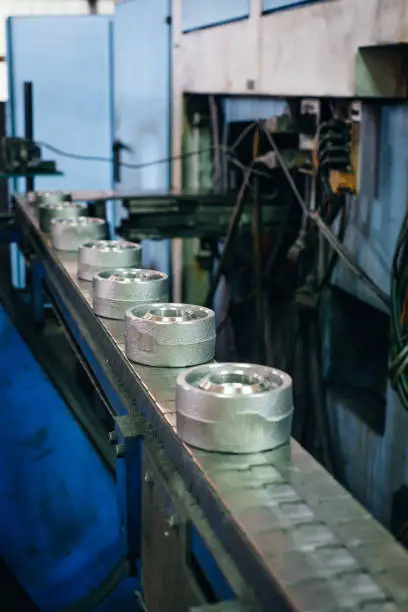
In conclusion, aluminum die casting is the best way to reduce weight in aircraft because it has the best strength-to-weight ratio, is easy to work with, and doesn't cost a lot. The way the planes are made lets them have complicated shapes and thin walls, which reduces their weight while keeping their strength and dependability. For efficient component buying, aerospace procurement workers need to know about the technical criteria, material properties, and supplier qualification requirements.
As aerospace companies work to be more environmentally friendly and efficient, aluminum die cast parts will continue to play a bigger role in the next generation of aircraft and space systems. This is because alloy development, process control, and quality verification technologies are all getting better all the time.
FAQ
What are the primary weight reduction benefits of aluminum die cast aerospace parts?
Aluminum die cast parts are lighter because they have better material density, walls that are the right width, and complex internal structures. Because they are made in a near-net form, parts usually weigh 30–40% less than similar steel parts and 10–20% less than polished aluminum parts. This straight decrease in weight makes the vehicle use less fuel, go farther, and carry more.
How does aluminum die casting compare to CNC machining for aerospace applications?
Die casting is great for making complicated shapes in medium to high numbers because it speeds up production, lowers costs per unit, and cuts down on waste. CNC machining gives you more options for samples, design changes, and unique parts that are made in small quantities and need to fit very closely. Many aerospace projects use both ways in a planned way, depending on the parts they need to make and how many they need to make.
What quality certifications should aerospace aluminum die casting suppliers possess?
One important certification is the AS9100 aerospace quality management system registration, which shows that the production controls and tracking standards for aerospace are met. ISO 9001 is the basis for quality management, and NADCA status shows that you are involved in the industry and can get best practices. For security uses, you might need extra certifications like ITAR registration.
Partner with Fudebao Technology for Aerospace-Grade Aluminum Die Casting Solutions
Zhejiang Fudebao Technology is a world-class company that makes precision-engineered parts for the aircraft and manufacturing sectors around the world through aluminum die casting. Our integrated manufacturing plant has both high-pressure die casting and modern CNC machining centers. This lets us make parts from molten metal all the way through to finished products with accuracy of up to ±0.05mm. We keep full control over the melting, casting, finishing, and surface treatment processes all under one roof.
This makes sure that quality is always the same and that the supply chain works well. Our engineering team works closely with aircraft clients to make sure that plans are the best they can be in terms of cost, ease of manufacture, and weight reduction, all while meeting the strict AS9100 quality standards. Our flexible manufacturing infrastructure can be changed to fit the needs of your program, whether you need unique prototypes, low-volume test runs, or full-scale production. Email our aerospace solutions team at hank.shen@fdbcasting.com to talk about your needs for aluminum die casting parts and find out how our knowledge can help your aerospace projects in a real way.
References
1. American Foundry Society (2021). "Aluminum Die Casting Technology for Aerospace Applications: Process Optimization and Quality Control." AFS Technical Journal, Vol. 129, pp. 45-62.
2. Campbell, J. (2020). "Complete Casting Handbook: Metal Casting Processes, Metallurgy, Techniques and Design." Butterworth-Heinemann, Second Edition, Chapter 8: Die Casting in Aerospace.
3. North American Die Casting Association (2022). "Product Specification Standards for Die Castings: NADCA Engineering Design Guidelines for Aerospace Components."
4. SAE International (2019). "AMS2772: Heat Treatment of Aluminum Alloy Die Castings." SAE Aerospace Material Specification Standards.
5. Totten, G.E. and MacKenzie, D.S. (2018). "Handbook of Aluminum: Volume 1 - Physical Metallurgy and Processes." CRC Press, Section 4.7: High-Pressure Die Casting in Aerospace Manufacturing.
6. Zhao, L., Pan, Y., and Liao, H. (2023). "Weight Reduction Strategies in Aerospace Manufacturing: Comparative Analysis of Aluminum Die Casting versus Machining." Journal of Materials Processing Technology, Vol. 315, pp. 117-128.



YOU MAY LIKE
_1756348543350.webp "Automotive Turbine Casting")
_1756352625880.webp "plug stainless")