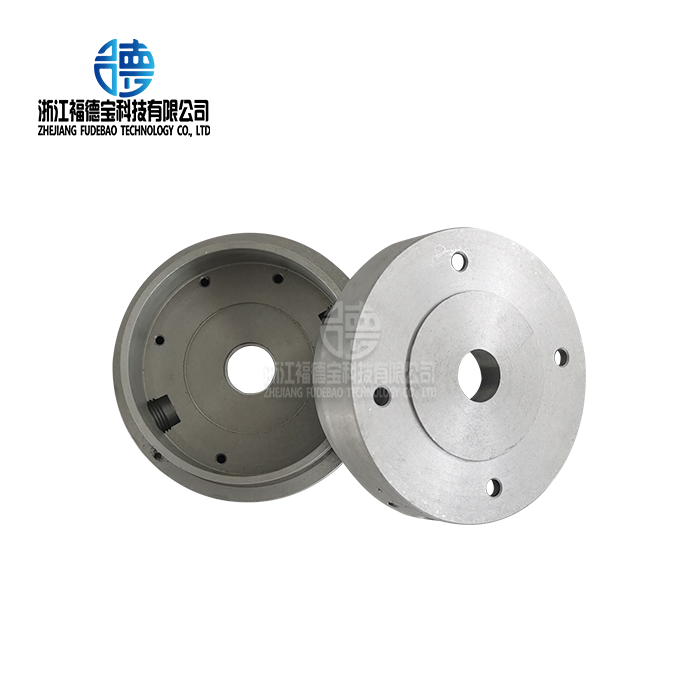

Technical Capabilities and Equipment
State-of-the-Art 5-Axis CNC Machines
When selecting a 5-axis CNC machining service provider, it's crucial to assess their technical capabilities and equipment. The provider should have state-of-the-art 5-axis CNC machines capable of handling complex geometries and intricate designs. These advanced machines offer superior precision, efficiency, and flexibility compared to traditional 3-axis or 4-axis systems.
Look for providers that invest in the latest CNC technology, such as high-speed machining centers with advanced control systems. These machines should be able to perform simultaneous 5-axis movements, allowing for the creation of complex parts in a single setup. This capability not only improves accuracy but also reduces production time and costs.
Additionally, consider the size and capacity of the machines. Ensure that the provider's equipment can accommodate your specific part dimensions and production volumes. A diverse range of machine sizes and types can indicate the provider's ability to handle various project requirements.
Software and CAD/CAM Capabilities
The software and CAD/CAM capabilities of a 5-axis CNC machining service provider are equally important. Advanced software enables efficient programming, simulation, and optimization of machining processes. Look for providers that utilize industry-leading CAD/CAM software, such as Mastercam, SolidWorks, or Siemens NX.
These software solutions allow for precise tool path generation, collision detection, and process optimization. They can significantly reduce setup times, minimize errors, and improve overall machining efficiency. Providers with strong CAD/CAM capabilities can often offer design assistance, helping to optimize parts for manufacturability and cost-effectiveness.
Furthermore, inquire about the provider's ability to work with various file formats and their experience in translating 2D drawings into 3D models if needed. This versatility can streamline the process of turning your designs into finished products.
Tooling and Fixturing Solutions
The quality and variety of tooling and fixturing solutions are critical factors in 5-axis CNC machining. A reputable service provider should have a comprehensive selection of cutting tools, including specialized tools for complex geometries and difficult-to-machine materials.
Evaluate the provider's capabilities in custom tool design and manufacturing. The ability to create specialized cutting tools can be invaluable for unique or challenging projects. Additionally, consider their expertise in designing and fabricating custom fixtures. Proper fixturing is essential for maintaining part stability and achieving tight tolerances in 5-axis machining.
Inquire about the provider's tool management system and their approach to tool life optimization. Efficient tool management can lead to improved part quality, reduced cycle times, and lower production costs. A provider that invests in high-quality tooling and implements strategies to maximize tool life demonstrates a commitment to efficiency and quality.
Quality Control and Precision
Quality Management Systems
When evaluating a 5-axis CNC machining service provider, their quality management system is a critical factor to consider. Look for providers that have implemented robust quality control processes and hold relevant industry certifications such as ISO 9001:2015. These certifications demonstrate a commitment to maintaining high standards of quality throughout the manufacturing process.
Inquire about the provider's quality control procedures, including their methods for in-process inspections and final quality checks. A comprehensive quality management system should include documented procedures, regular audits, and continuous improvement initiatives. This ensures consistency in product quality and helps minimize the risk of defects or non-conformities.
Additionally, consider the provider's approach to employee training and skill development in quality control. A well-trained workforce is essential for maintaining high standards of precision and accuracy in 5-axis CNC machining operations.
Metrology and Inspection Equipment
The metrology and inspection equipment used by a 5-axis CNC machining service provider plays a crucial role in ensuring product quality and precision. Look for providers that invest in advanced measurement technologies such as coordinate measuring machines (CMMs), optical comparators, and 3D scanners.
These sophisticated tools allow for accurate and comprehensive inspection of machined parts, verifying dimensional accuracy, surface finish, and geometric tolerances. Providers with in-house metrology capabilities can often offer faster turnaround times on quality checks and provide detailed inspection reports.
Inquire about the provider's calibration procedures for their measurement equipment. Regular calibration ensures the accuracy and reliability of inspection results. Additionally, consider their capabilities in performing non-destructive testing methods such as X-ray or ultrasonic inspections, which may be necessary for certain applications.
Tolerance Capabilities and Precision Standards
The ability to achieve and maintain tight tolerances is a hallmark of a high-quality 5-axis CNC machining service provider. Inquire about the provider's typical tolerance capabilities and their experience in meeting stringent precision requirements. Look for providers that can consistently achieve tolerances in the range of ±0.001 inches (0.025 mm) or better, depending on your specific needs.
Consider the provider's track record in producing parts for industries with demanding precision standards, such as aerospace, medical devices, or semiconductor manufacturing. Ask for examples of complex parts they have machined successfully and the tolerances achieved.
Additionally, inquire about their process for maintaining dimensional stability throughout the machining process. Factors such as temperature control, vibration isolation, and tool wear compensation can significantly impact the ability to achieve and maintain tight tolerances in 5-axis CNC machining.

Industry Experience and Expertise
Sector-Specific Knowledge
When selecting a 5-axis CNC machining service provider, their industry experience and expertise are crucial factors to consider. Look for providers with a strong track record in your specific sector, whether it's automotive, aerospace, medical, or industrial equipment manufacturing. Sector-specific knowledge enables the provider to understand unique requirements, regulations, and challenges associated with your industry.
Inquire about the provider's experience working with materials commonly used in your sector. For instance, if you're in the aerospace industry, the provider should have expertise in machining lightweight alloys and heat-resistant materials. Similarly, for medical device manufacturing, they should be familiar with biocompatible materials and stringent cleanliness requirements.
Consider the provider's ability to offer value-added services tailored to your industry, such as specialized surface treatments, assembly, or packaging solutions. This expertise can streamline your supply chain and improve overall product quality.
Portfolio and Case Studies
Reviewing the provider's portfolio and case studies for CNC machining is an excellent way to assess their capabilities and experience. Request examples of complex parts they have successfully machined, particularly those similar to your requirements. A diverse portfolio demonstrates versatility and the ability to tackle various CNC machining challenges.
Look for case studies that highlight the provider's problem-solving skills and innovative approaches to complex CNC machining projects. These examples can provide insights into their technical expertise, project management capabilities, and ability to meet challenging deadlines or specifications in CNC machining.
Pay attention to the range of industries represented in their CNC machining portfolio. A provider with experience across multiple sectors may bring valuable cross-industry insights and best practices to your CNC machining projects.
Team Expertise and Certifications
The expertise of the provider's team is a critical factor in ensuring high-quality 5-axis CNC machining services. Inquire about the qualifications, experience, and ongoing training of their machinists, programmers, and quality control personnel. Look for providers that invest in their workforce through regular skill development programs and certifications.
Consider the provider's approach to knowledge sharing and collaboration within their team. A culture of continuous improvement and innovation can lead to more efficient processes and better outcomes for your projects.
Additionally, inquire about any industry-specific certifications or accreditations held by the provider or their staff. For example, certifications from machine tool manufacturers or industry associations can indicate a high level of expertise and commitment to quality.
Conclusion
Selecting the right 5-axis CNC machining service provider is crucial for ensuring high-quality, precision-engineered components. By carefully evaluating technical capabilities, quality control measures, and industry expertise, businesses can find a partner that meets their specific needs. Remember to consider factors such as advanced equipment, software capabilities, quality management systems, and sector-specific knowledge. A provider that excels in these areas can not only meet your current requirements but also support your future growth and innovation in manufacturing.
FAQs
1. What are the key advantages of 5-axis CNC machining?
5-axis CNC machining offers superior precision, efficiency, and flexibility compared to traditional methods. It allows for complex geometries to be machined in a single setup, reducing production time and improving accuracy.
2. How important is industry experience when choosing a CNC machining service provider?
Industry experience is crucial as it ensures the provider understands sector-specific requirements, materials, and challenges. It can lead to more efficient processes and higher-quality outcomes.
3. What quality certifications should I look for in a CNC machining service provider?
Look for providers with ISO 9001:2015 certification and any industry-specific certifications relevant to your sector. These demonstrate a commitment to quality and adherence to industry standards.
Expert 5-Axis CNC Machining Services | Fudebao Technology
At Fudebao Technology, we specialize in precision 5-axis CNC machining for a wide range of industries. Our state-of-the-art equipment, experienced team, and commitment to quality ensure we deliver exceptional results for every project. From automotive to aerospace, we have the expertise to meet your specific requirements. Contact us at hank.shen@fdbcasting.com to discuss how our 5-axis CNC machining services can benefit your manufacturing needs.
References
1. Smith, J. (2022). Advanced CNC Machining Techniques: A Comprehensive Guide. Manufacturing Technology Press.
2. Johnson, R. et al. (2021). Quality Control in 5-Axis CNC Machining: Best Practices and Innovations. Journal of Precision Engineering, 45(3), 178-195.
3. Brown, A. (2023). Selecting the Right CNC Machining Service Provider: A Strategic Approach. Industrial Management Review, 18(2), 56-72.
4. Thompson, L. (2022). The Role of CAD/CAM Software in Modern CNC Machining. Digital Manufacturing Quarterly, 7(1), 23-35.
5. Davis, M. and Wilson, K. (2021). Metrology and Inspection Techniques for High-Precision CNC Machined Parts. Quality Assurance in Manufacturing, 12(4), 301-318.
6. Lee, S. (2023). Industry 4.0 and the Future of CNC Machining: Trends and Predictions. Journal of Advanced Manufacturing Technologies, 29(2), 112-127.



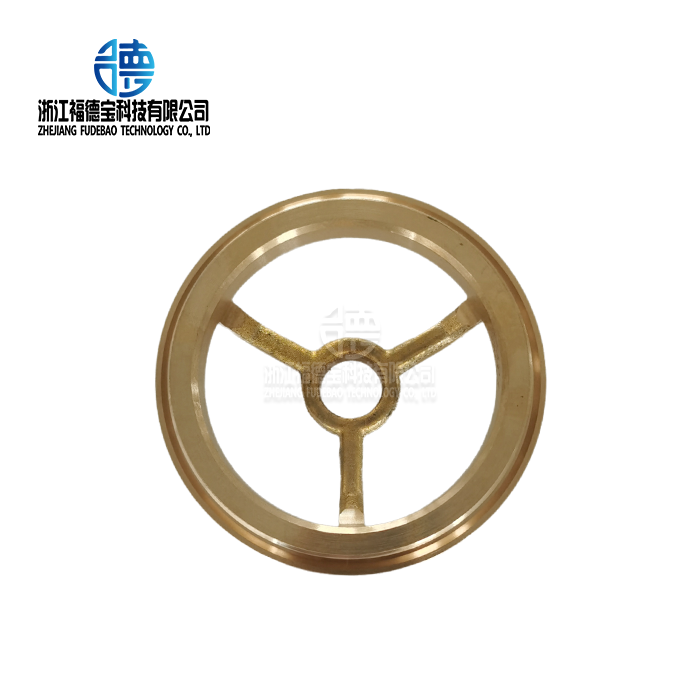
_1756349071334.webp "HAAS mounting bracket")
_1756348356531.webp "Automobile engine oil pan")
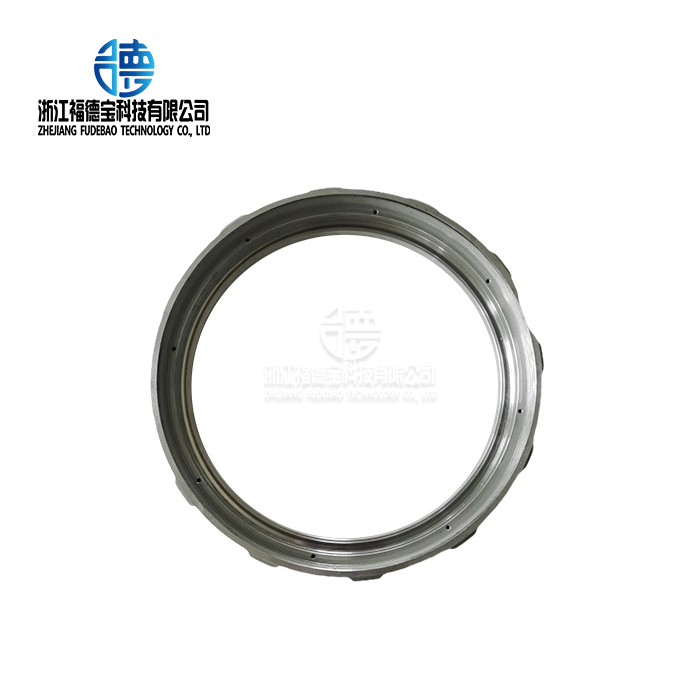
_1756348227989.webp "Aluminum casting movable U frame")