Sand Casting vs Investment Casting: Cost and Accuracy
2026-03-12
When choosing between sand casting and investment casting, the main things to think about are how much it costs and how accurate the measurements are. For big production runs and strong parts, sand casting is a very cost-effective option that usually achieves limits of ±1.5mm to ±3mm. Investment casting is very accurate, with errors as small as ±0.13mm. This makes it perfect for complicated shapes that need exact measurements. Which of these casting methods you choose will depend on your application needs, production rate, and quality standards.
Understanding Sand Casting and Investment Casting
Investment casting and sand casting are two different ways to make things, each with its own characteristics and uses in industry. These foundry methods have changed a lot over the years, giving producers a wide range of options for making parts.
Sand Casting Process Fundamentals
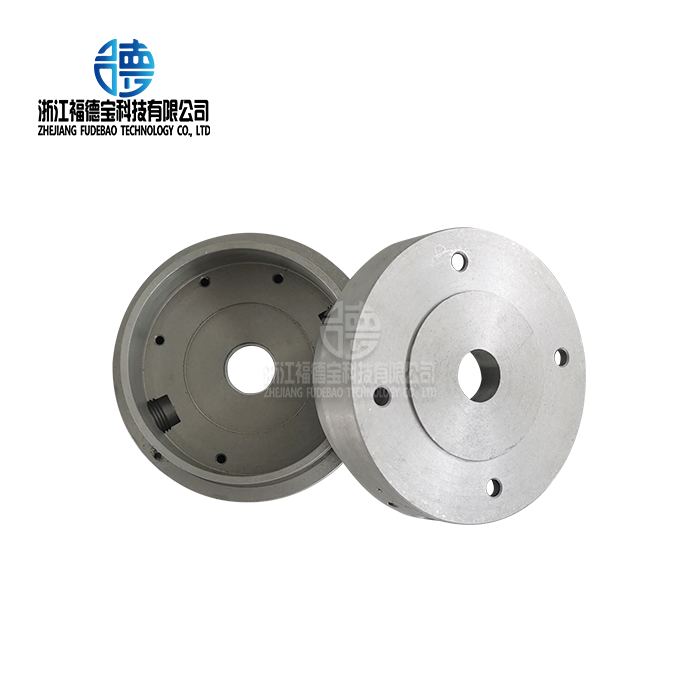
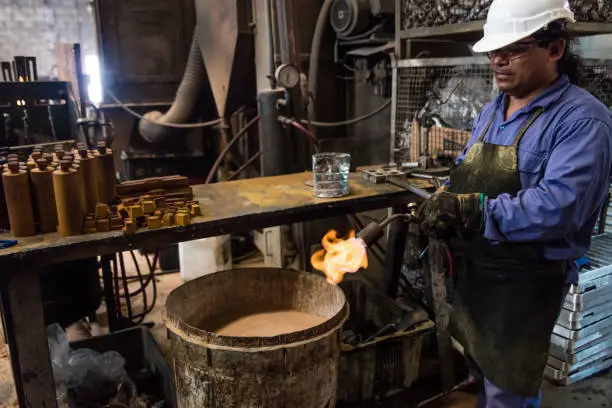
Sand casting uses a model made of sand, which makes it perfect for making big, strong parts. For low to medium numbers, this process is flexible and saves money. To use this method, you make a design, fill a mold cavity with sand, and then pour melted metal into the hole. It can be used with a lot of different materials, like iron, aluminum alloys, and copper alloys, but it's not very good at getting a smooth surface or accurate measurements.
The process can handle parts that weigh anywhere from a few pounds to several tons, which makes it perfect for engine blocks for cars, pump housings in factories, and parts for big machinery. Because sand models are easy to change, design changes can be made without having to make big changes to the tools. This ability to shift is useful during the growth of a product, when design changes are common.
Investment Casting Characteristics
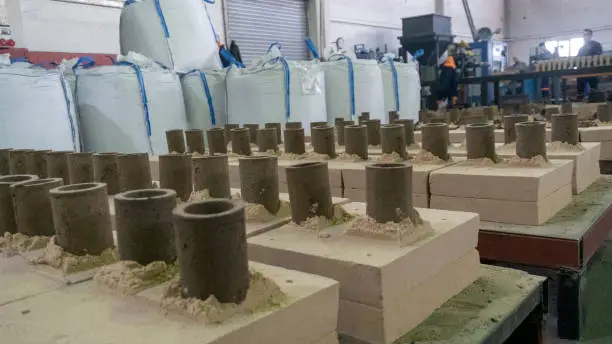
Wax-pattern models are used in investment casting, which makes it possible for better accuracy and smoother surfaces. This precise casting method works great for making small to medium-sized, complicated parts where controlling the dimensions is very important. The first step is to make a design out of wax, cover it with ceramic, and then melt the wax away to leave an exact mold cavity.
The surface quality of investment casting is so good that extra machining processes are often not needed. Complex shapes can be worked with in this way, which would be impossible or very expensive to do in other ways. Investment casting is used a lot for important uses where the dimensions and integrity of the surface cannot be compromised, like in aerospace parts, medical devices, and precision instruments.
Cost Comparison Between Sand Casting and Investment Casting
Sand casting is more affordable for bigger parts and higher numbers due to factors such as mold preparation, labor needs, and economies of scale. There are a few key places where the cost savings of sand casting become clear that buying teams need to be aware of.
Sand Casting Cost Advantages
When compared to investment casting, sand casting saves a lot of money on equipment costs. Pattern prices are a smaller part of the total cost of the job, especially for parts that are bigger. Because sand models can be returned and used again and again, the cost of materials stays low. The amount of labor needed is substantial, but it grows smoothly with production levels.
In general, sand casting has shorter setup times for production, which cuts down on manufacturing wait times. The process doesn't need a lot of specialized tools, and it can be done in regular foundries without having to spend a lot of money. All of these things add up to strong cost benefits in certain situations, especially when making parts that weigh more than 50 pounds.
Investment Casting Financial Considerations
Investment casting has higher start-up costs because of the steps needed to make a wax design and an exact mold. The clay shell-making process needs more than one turn of coating and drying, which takes more time and costs more money in materials. A lot of money has to be spent on specialized tools for wax injection, shell making, and dewaxing.
However, investment casting can be worth the extra money because it cuts down on secondary processes and makes better use of materials. Parts usually only need a little polishing, which lowers prices further down the line. The higher level of accuracy in the dimensions gets rid of many quality problems that would have needed to be fixed in other ways. When making precise, high-value parts, investment casting often has a lower total cost of ownership, even though it costs more at the start.
Accuracy and Quality Differences
Sand casting usually gets fairly accurate measurements with tolerances that are good for many industry uses, but fine finishes need to be added afterward. Investment casting gives you better control over tolerances and a smoother surface, which are very important for parts that need to be precise.
Dimensional Tolerance Capabilities
Tolerances in sand casting are usually between ±1.5mm and ±3mm, but this depends on the size and complexity of the part. Surface roughness values are usually between 6.3 and 25 micrometers, which means that more work needs to be done to make the surfaces smooth. For pattern removal, draft angles of 1 to 3 degrees are common, which limits the design's freedom.
With investment casting, the margins are much tighter, usually between ±0.13mm and ±0.25mm for most measurements. As-cast surface finishes run from 1.6 to 6.3 micrometers, so finishing processes are often not needed. Draft angles of 0.5 degrees or less make it possible to use more complicated shapes and more material.
Quality Impact on Manufacturing
These differences in quality have a direct effect on B2B purchasing choices, since tolerances affect how reliable production is, cut down on rework, and raise the rate of scrap. Accuracy in investment casting is very helpful for parts that need to fit tightly or be put together precisely. Sand casting is still a good way to make structure parts with reasonable tolerances that meet the needs of the job.
The steps for quality control are very different between methods. Because investment casting is more accurate by nature, it doesn't need as many inspections to make sure the dimensions are correct than sand casting. When buyers understand this trade-off between quality and cost, they can choose the process that best fits their business budgets and product quality standards.
Practical Applications and Case Studies
Sand casting is a common way to make big, durable parts for cars, building equipment, and pumps, especially when cost-effectiveness is very important. Investment casting is used in industries like aircraft, medical devices, and precise instrumentation that need exact sizes and complicated shapes.
Automotive Industry Applications
Heavy-duty engine blocks are a great example of a good use for sand casting. For these parts to work, the material needs to be thick, the tolerances need to be reasonable, and the production needs to be cost-effective. For brake components, transmission housings, and differential cases where strength and longevity are more important than precision, major automakers depend on sand casting technology.
On the other hand, automobile uses that need investment casting include turbocharger parts, precise valve bodies, and complicated brackets where saving weight and getting the right size are important. The extra processing costs are worth it because these parts often have thin walls, complicated passageways, and tight assembly standards.
Aerospace and Defense Manufacturing
Turbine blade production, which needs complicated cooling channels and accurate airfoil shapes, is an example of an aerospace application that shows off the capabilities of investment casting. When these parts are used in harsh circumstances, their performance and safety are directly affected by how accurately they are measured.
Sand casting is used in aircraft for bigger structural parts like engine mounts and landing gear housings, where strength and low cost are most important. The process can handle the large pieces of material needed for these safety-critical uses while still keeping acceptable limits.
Industrial Equipment Solutions
Some manufacturers use a mix of methods, taking advantage of new technologies to find the best balance between cost and efficiency. Using resin-bonded sands in advanced sand casting methods makes the surface finish better and the tolerances tighter. Investment casting, on the other hand, has increased the sizes it can make while lowering prices by automating the process and making better use of materials.
These new technologies offer flexible answers to changing market needs, letting companies tailor their processes to specific tasks instead of having to deal with the limits that come with older technologies.
How to Choose Between Sand Casting and Investment Casting for Your Procurement Needs
To choose the right casting method, you need to look at the details of the project, like the budget, tolerance standards, production volume, and delivery dates. Multiple factors that affect both short-term prices and long-term success must be carefully considered during this decision-making process.
Project Requirements Assessment
The amount of production has a big effect on the process choice. When you need a lot of something, sand casting is cheaper, but investment casting is better for small amounts that need to be very precise. Sand casting can accommodate bigger parts more affordably than other methods, but component size and weight are also important.
Often, tolerance needs decide which process to use, even when other factors are also important. Applications that need precise control over dimensions naturally prefer investment casting. On the other hand, sand casting works well for structure parts that only need to be slightly off. The needs for the surface finish also play a role in the choice, since investment casting gets rid of many secondary processes.
Supplier Evaluation Criteria
To make sure stable quality and new ideas, it's also important to look at the knowledge, certifications, and specialized skills of suppliers. Qualified foundries have the right quality processes, process-specific equipment, and expert know-how to be successful. PPAP paperwork tools, traceability systems, and testing gear make sure that suppliers are ready for tough jobs.
The position of a supplier affects lead times, shipping prices, and how well people can talk to each other. When the situation calls for it, domestic suppliers usually offer faster reaction times and easier quality resolution. On the other hand, for some uses, foreign suppliers may be cheaper. To find the right balance between these things, you need to carefully think about what the whole project needs.
To find the best mix between short-term costs and long-term benefits, procurement pros need to look at the total cost of ownership and build strong relationships with suppliers. This strategic method makes sure that choices about purchases are in line with both short-term project goals and longer-term goals for optimizing the supply chain.
Conclusion
Choosing between sand casting and investment casting comes down to how much it costs, how accurate it needs to be, and what it will be used for. For bigger parts and higher numbers where moderate tolerances are fine for performance, sand casting is a cost-effective option. Investment casting gives you the accuracy and surface quality that you need for complicated shapes and important uses. When procurement workers understand these basic differences, they can make choices that are best for both short-term costs and long-term performance. Modern foundries keep adding new features that make both methods possible. This gives producers more options for meeting their specific needs.
FAQ
Which casting method offers better cost-effectiveness for high-volume production?
For high-volume production runs, especially of bigger parts, sand casting is usually the most cost-effective method. There are big savings of scale because the mold materials can be recycled, the setup times are shorter, and the prices of the tools are lower. But investment casting may be a better option for smaller, more complicated parts where extra cutting would cost a lot.
What tolerance ranges can I expect from each casting process?
Tolerances for sand casting are usually between ±1.5mm and ±3mm, but this depends on the size and complexity of the part. Much tighter margins are possible with investment casting, usually between ±0.13mm and ±0.25mm for most sizes. These numbers can change depending on the shape of the part, the choice of material, and the foundry's skills.
How do lead times compare between sand casting and investment casting?
Sand casting usually has shorter wait times because it doesn't need as many tools and the mold can be made faster. For investment casting, the steps of making a wax design, building a ceramic shell, and removing the wax take more time. However, investment casting may shorten the overall project timeline by getting rid of the need for extra cutting.
Partner with Fudebao Technology for Your Sand Casting Needs
Zhejiang Fudebao Technology offers precise sand casting services that meet the strict needs of manufacturing industries that make cars, industrial equipment, and machines. Castings made of aluminum alloy, copper alloy, and stainless steel can be made with accuracy of up to ±0.05mm. As a reliable sand casting provider, we offer full solutions, from melting to surface treatment. We also offer one-stop shipping, which makes your supply chain simpler. Get in touch with hank.shen@fdbcasting.com right away to talk about your unique needs and find out how our advanced foundry services can help you make better products.
References
Campbell, John. "Complete Casting Handbook: Metal Casting Processes, Metallurgy, Techniques and Design." Second Edition, Butterworth-Heinemann, 2015.
Brown, John R. "Foseco Foundryman's Handbook: Facts, Figures and Formulae." Eleventh Edition, Butterworth-Heinemann, 2000.
ASM International Handbook Committee. "ASM Handbook Volume 15: Casting." ASM International Materials Park, Ohio, 2008.
Beeley, Peter R. "Foundry Technology." Second Edition, Butterworth-Heinemann, 2001.
Davis, Joseph R. "ASM Specialty Handbook: Cast Irons." ASM International Materials Park, Ohio, 1996.
Blair, Martin. "The Full Mold Process: Advantages and Disadvantages Compared to Green Sand Casting." American Foundry Society Transactions, Volume 118, 2010.



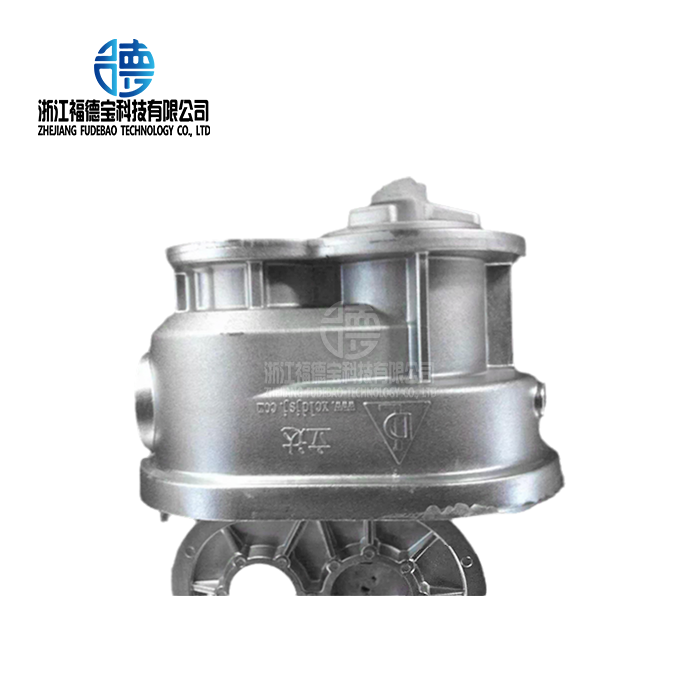
_1756349071334.webp "HAAS mounting bracket")
_1756348356531.webp "Automobile engine oil pan")
_1756348300182.webp "Aluminum die-cast housing")