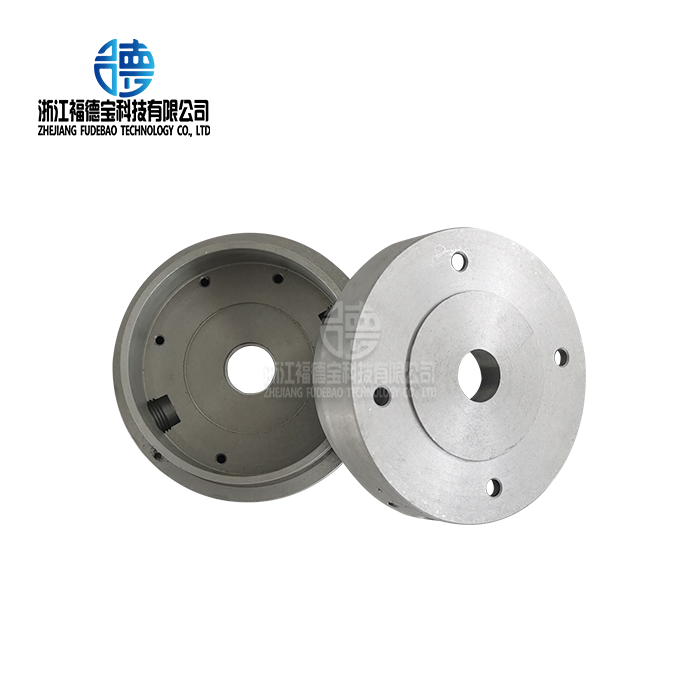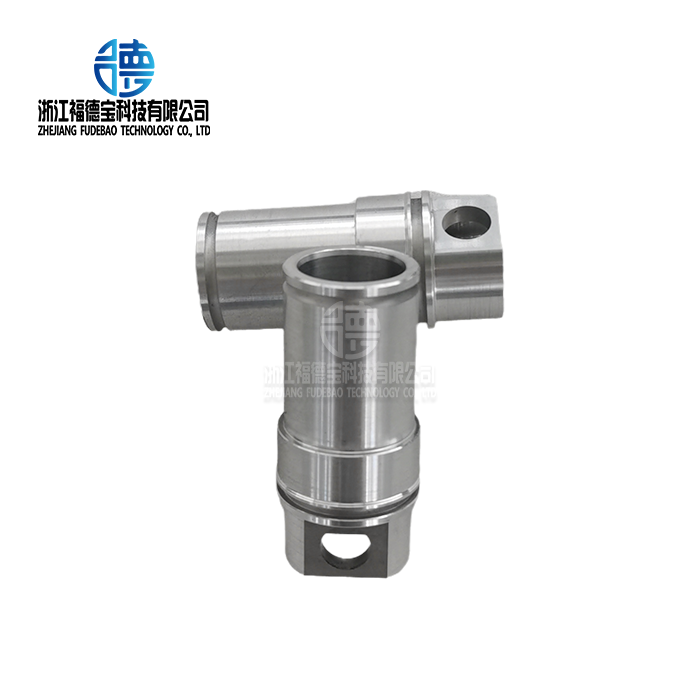
When customers think about sand casting costs, they need to know about a number of factors that can have a big effect on their budget and production schedule. This basic manufacturing method is still the best way to make complicated metal parts in many fields, especially when cost-effectiveness and design freedom are important. Modern sand casting methods are very useful for making parts for cars, industrial tools, electrical housings, and things used in spacecraft. When procurement workers understand these cost factors, they can make smart buying choices that help their manufacturing projects stay within budget and meet quality standards.

Understanding the Core Factors Influencing Sand Casting Costs
Choosing the right material is the main thing that affects how much a casting job costs. Aluminum alloys, copper alloys, and stainless steel all have different prices and performance levels. Choosing between green sand and resin sand systems has a direct effect on both the original investment and the cost per unit. This is because green sand systems offer lower material costs, while resin systems offer better surface finishes and accuracy in measurements.
Material Composition and Quality Requirements
Due to its low weight and high strength-to-weight ratio, aluminum casting is widely used in aircraft and automobile industries. The makeup of the alloy affects both the cost of the raw materials and the steps needed to prepare them. For example, high-performance metals need to be handled and heated in a certain way. Copper metals are very expensive, but they are better at conducting electricity for use in power tools. Stainless steel casts need special tools and higher melting temperatures, which means they take longer to make and use more energy.
Design Complexity and Geometric Considerations
The shape of a part has a big effect on the cost of production because it changes how the mold is designed, what the core needs, and how it is finished. Tough tolerances require more cutting processes, and complicated internal paths need complicated core systems. Draft angles, changes in wall thickness, and undercut features all make molds more complicated and raise the cost of making them. Buyers can save money on production costs by working with makers during the planning phase to find the best shapes.
Production Volume Impact on Unit Economics
The cost equation for sand casting changes a lot when the production volume is changed, because setup costs are spread out over the output amounts. Because of the need to build patterns and improve processes, prototypes and low-volume runs cost more per unit. When you make a lot of things, you can save money by automating the handling of sand, shortening cycle times, and reducing the amount of setup time needed for each casting. Figuring out the number breakpoints helps buyers choose the best manufacturing methods for their needs.
Comparing Sand Casting Cost Drivers with Alternative Casting Methods
Both investment casting and die casting are different methods that have different cost structures and benefits in terms of capabilities. Even though these ways work really well in some situations, sand casting still has benefits when it comes to tools, part size, and the cost of making a lot.
Tooling Investment Comparison
When compared to die casting or investment casting, sand casting needs a much smaller starting investment in tools. Pattern costs are much lower than die casting tooling costs, which makes sand casting a great choice for medium-volume production runs. Being able to change patterns in a cost-effective way lets you make design changes without big financial costs. This adaptability is helpful for car sellers who have to keep up with changing part needs and for industrial equipment makers who have to meet a wide range of customer needs.
Per-Unit Cost Analysis Across Methods
When you make a lot of dies, the cost per unit is cheaper, but you have to pay a lot of money up front for accurate dies. Investment casting gives you perfect surface finishes and accurate measurements, but it costs a lot for shapes that aren't simple. Sand casting is in the middle. It has acceptable unit costs and doesn't require a lot of money to buy tools, which makes it perfect for batch production, which is popular in the manufacturing of industrial machinery and electrical equipment.
Key Steps and Their Cost Impact in the Sand Casting Process
Buyers can find ways to save money and make sure the quality is good by understanding how the casting process works. Each step in the production process affects the end cost and delivery time of the part, with special care taken during material handling, quality control, and finishing.
Pattern Development and Mold Preparation
The quality of the pattern for sand casting has a direct effect on the accuracy and finish of the casting, which in turn affects the needs for finishing afterward. Modern pattern materials and CNC making methods make it possible to make exact patterns that stay the same size over time. Sand mixing, compacting, and core placement are all parts of mold preparation. Automated systems cut down on the amount of work needed and improve accuracy. Sand recycling systems cut down on material costs by a large amount and help meet environmental sustainability goals.
Melting and Pouring Operations
To make sure the quality of the casting and to cut down on flaws, melting processes need to precisely control the temperature and manage the metal makeup. Modern induction heating systems are better at controlling temperature and using energy than older furnace systems. Pouring methods affect the quality of the casting. Automated pouring systems give uniform results and cut down on the need for work. The best way to get the most out of your material output and mold filling is to plan your gates and risers correctly.
Finishing and Quality Control
Some of the things that are done after casting are removing sand, making gates, and cleaning the surface to meet certain standards. CNC cutting lets you make exact features and hold tight tolerances. For important tasks, current equipment can achieve accuracy of up to ±0.05mm. As part of quality control, measurements are checked, materials are tested, and the surface is analyzed to make sure the product meets customer requirements and industry standards.

Preventing Costly Defects and Improving Yield in Sand Casting
Strategies for preventing defects have a big effect on the total cost of a project because they cut down on scrap and eliminate the need for repair. When buyers and sellers know how common defects happen, they can take steps to stop them that protect both quality goals and price goals.
Common Defect Types and Prevention Strategies
Porosity flaws in sand casting happen when gases get trapped during solidification. This can happen when there is too much wetness or not enough air flow. Preparing the sand properly, degassing it properly, and filling it properly are all important parts of prevention. Surface flaws like sand flecks are caused by mold erosion or bad binder systems, so it's important to be careful when choosing sand and mold handling methods. Pattern wear, heat distortion, or poor process control can cause differences in dimensions. This is why pattern upkeep and process tracking are necessary on a frequent basis.
Quality Assurance Technologies and Practices
Coordinate measuring tools, ultrasound testing, and radiography examination are some of the advanced checking technologies used in modern quality assurance. Statistical process control lets you keep an eye on process factors and dimension features in real time. During the design process, simulation tools can find places where defects might happen. This lets the mold designer make changes ahead of time that stop quality problems.
Strategic Procurement Tips for Optimizing Sand Casting Costs
Cost goals, quality standards, and delivery dates all need to be balanced in order for buying methods to work well. Building strong ties with suppliers and using cutting-edge technologies are two ways to keep costs low while keeping a competitive edge.
Supplier Selection and Partnership Development
Suppliers who are qualified show that they have the right industry licenses, the latest tools, and quality systems that have been tried and tested. Systematic quality management is shown by ISO 9001 certification, while industry-specific certifications, like AS9100 for aircraft uses, show that a company meets specific compliance requirements. Stable supplier finances and technical know-how help build long-term partnerships and efforts for ongoing growth.
Technology Integration and Process Innovation
Virtual casting trials with advanced modeling tools help improve designs before the real production starts. Robotic polishing systems and automated sand handling systems cut down on labor while improving accuracy. Reusing sand and installing freezing systems that use less energy are examples of environmental sustainability projects that lower running costs and support business responsibility goals. These improvements in technology give providers a chance to gain a competitive edge in the changing world of industry.
Conclusion
Optimizing sand casting costs means having a deep understanding of the choice of material, the difficulty of the design, the amount of output, and the process factors. Procurement strategies that work well keep quality standards and delivery requirements in mind while balancing the initial cost of tools with the cost per unit. Modern foundries use cutting-edge technologies to cut down on flaws, boost productivity, and help meet goals for environmental sustainability. Strategic relationships with suppliers allow for ongoing cost efficiency through working together on designs and making processes better. Buyers can gain a competitive edge through efficient casting buying that supports their business goals while keeping quality and reliability standards if they understand these cost factors and work with qualified providers.
FAQs
What factors have the biggest impact on the cost of sand casting for small orders?
Due to the need to spread out setup time, amortize patterns, and optimize processes, small batch sales have higher per-unit costs. The main things that affect the cost of materials, the difficulty of the design, and the finishing needs to be done are still the same. However, tooling costs make up a bigger part of the total project cost compared to high-volume production.
Does green sand casting cost more or be better than plastic sand casting?
Green sand casting is a cost-effective method for many uses because it uses less material and makes molds faster. Resin sand systems are more expensive, but they offer better surface finishes, tighter standards, and lower failure rates, which often makes up for the higher costs by reducing the need for cutting.
How can I make sure that expensive flaws don't happen when I'm sand casting?
To avoid defects, molds must be well-designed, sand must be properly prepared, filling must be controlled, and quality must be regularly checked. When buyers and sellers work together during the design process, they can optimize the shape in a way that stops common ways that defects happen while still meeting the needs for usefulness.
Partner with Fudebao Technology for Advanced Casting Solutions
Zhejiang Fudebao Technology can help you get the best deals on castings by offering complete solutions for uses with aluminum alloys, copper alloys, and stainless steel. Our combined plant has the ability to do low-pressure casting, precise CNC machining, and advanced surface treatment. This lets us make full parts that meet the needs of aircraft, automobile, and industrial equipment. We are your reliable source for sand castings, and to meet our ±0.05mm precision standards, we use high-speed machining machines, automatic tools, and strict quality systems. From optimizing the design to delivering the finished product, our experienced engineering team works with clients to make sure they get cost-effective solutions that meet strict performance standards. Email us at hank.shen@fdbcasting.com to talk about your unique casting needs and find out how our services can help your manufacturing success.
References
Campbell, John. "Complete Casting Handbook: Metal Casting Processes, Metallurgy, Techniques and Design." Second Edition, Butterworth-Heinemann, 2015.
Beeley, Peter R. "Foundry Technology." Second Edition, Butterworth-Heinemann, 2001.
American Foundry Society. "Sand Casting Process Guidelines and Quality Standards." Technical Publication, 2019.
Brown, John R. "Foseco Ferrous Foundryman's Handbook." Eleventh Edition, Butterworth-Heinemann, 2000.
Clegg, A.J. "Precision Casting Processes." First Edition, Pergamon Press, 1991.
Heine, Richard W., Carl R. Loper Jr., and Philip C. Rosenthal. "Principles of Metal Casting." Second Edition, McGraw-Hill, 1967.



_1756361423150.webp "Cryopump body")
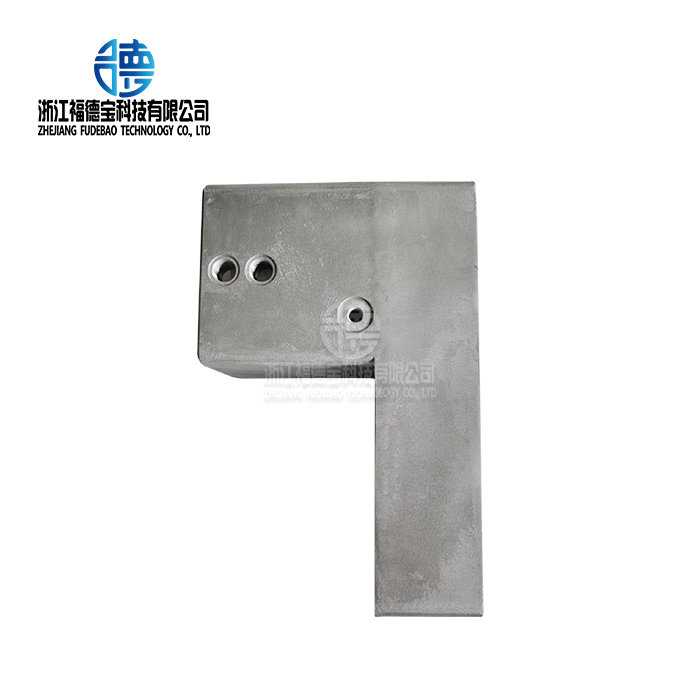
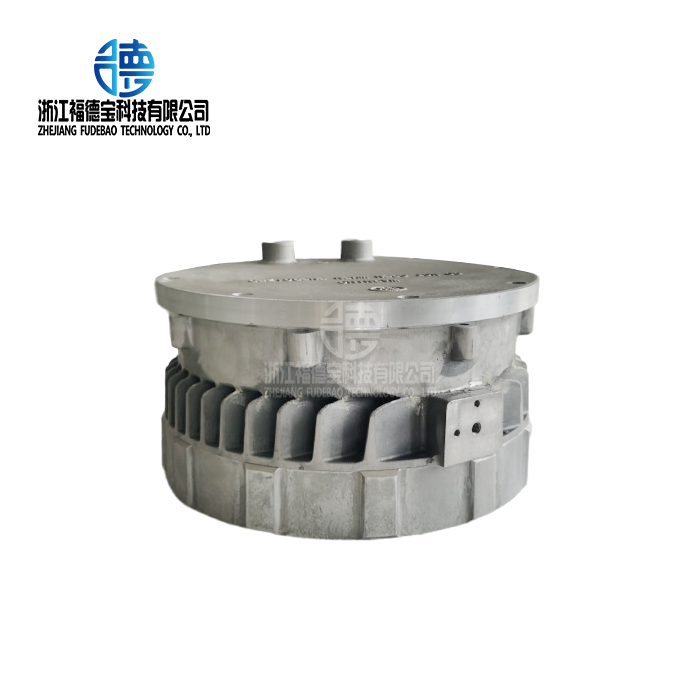
_1756352340434.webp "Aluminum chassis cover")
_1756348356531.webp "Automobile engine oil pan")