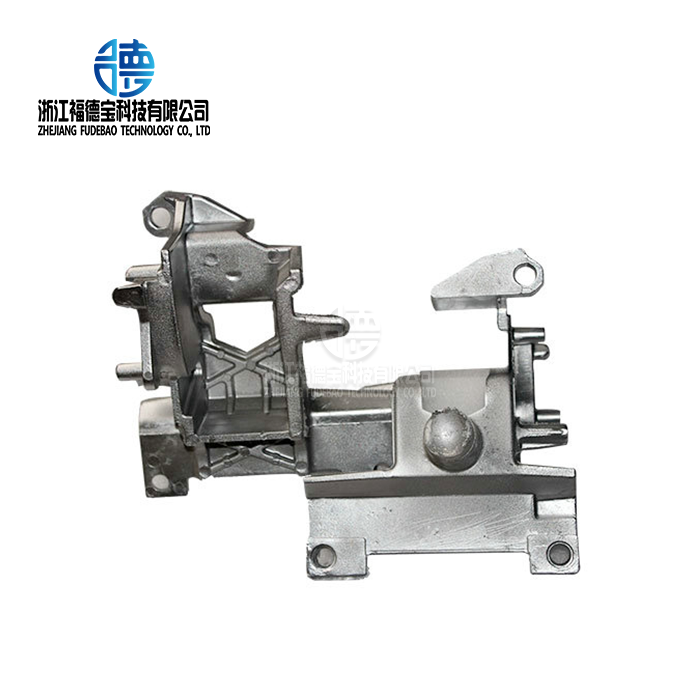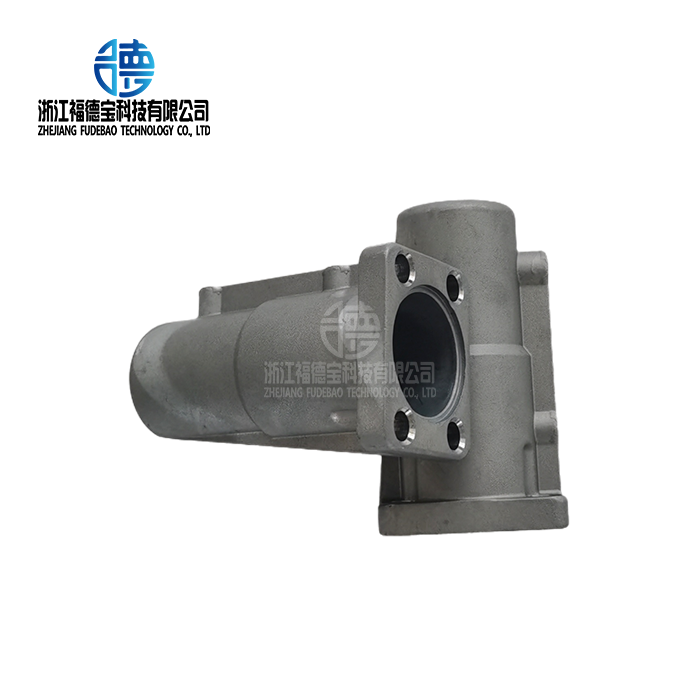
High-Performance Alloy Copper Casting for Aerospace: Meeting Zero-Failure Standards
2026-06-29
High-performance alloy copper casting has become an important way to make things in the aircraft industry, where the failure of a single part can put mission success and human life at risk. Copper metals are great at conducting heat, resisting corrosion, and lasting a long time. These are all qualities that are needed for electrical housings, heat dissipation parts, and structural connections used in flight systems.
To meet the standards for zero failure, precision casting methods must be used to get rid of holes, cracks, and other imperfections while keeping the dimensions accurate to within microns. This unique way of making things meets the strict needs of the aerospace industry for material approval, tracking, and quality that can be repeated across production runs.
Understanding High-Performance Alloy Copper Casting in Aerospace
The Fundamental Role of Copper Alloys in Aviation
Copper metals are used in space where aluminum and steel aren't good enough. Copper-based materials are better at conducting electricity than aluminum-based materials, which is important for power distribution systems and grounding parts in modern airplanes. Copper surfaces naturally fight rust because safe oxide layers form on them. This means that they don't need any extra coatings, which lowers their long-term upkeep costs. Copper-nickel and aluminum-bronze casts are used by aerospace engineers for parts that will be exposed to high humidity, salt spray, and changes in temperature. This is because these metals keep their structure even in harsh working conditions.
Investment Casting vs. Sand Casting for Aerospace Components
The choice of casting method has a direct effect on how well the end part works. Investment casting, which is also called "lost wax casting," makes parts with a smooth surface and accurate dimensions, which means they don't need to be machined after they're cast. This method works great for making complicated internal paths in heat exchangers and fluid control housings, where sand cores would not work. For bigger structural braces and mounting plates where a rough surface is okay, sand casting is still a good option. We keep the mold temperatures between 900°C and 1100°C, based on the type of metal. The pouring rates are also changed to avoid turbulence that traps gas.
Material Selection for Zero-Defect Production
The success of copper casting depends on choosing the right copper metal makeup. Aluminum bronze metals, which contain 9–12% aluminum, have tensile strengths higher than 650 MPa and don't oxidize at high temperatures. Cupronickel metals with 10–30% nickel content are very resistant to corrosion in salt water, which makes them useful for amphibious airplanes and activities along the coast. Different types of phosphor bronze keep their springy qualities after they are cast, making them good for joints that need to be mechanically cycled over and over again. To get rid of hydrogen porosity, which is the most common flaw that weakens mechanical qualities, different alloys need different ways to be melted and degassed.
Challenges in Achieving Zero-Failure Standards with Copper Alloy Castings
Primary Defect Types and Their Metallurgical Origins
For aerospace uses, porosity is the most constant problem in copper casting. As a solidifies, gas porosity happens when hydrogen that has been dissolved can't get out. This leaves empty spaces inside the solid that act as stress concentrators. Shrinkage porosity happens in thick parts where cooling without enough food leaves holes. When filling temperatures are too high or gating designs let turbulent flow happen, inclusions—usually oxide films or refractory particles—become embedded in molds. These flaws might not be noticeable from the outside, but they hurt the material's ability to hold weight and fight wear and tear.
Comparison with Bronze and Aluminum Casting Processes
Bronze casting is similar to working with copper alloys, but because it contains tin, it solidifies in a different way. Tin lowers the melting point but makes it easier for things to tear when they cool down. Aluminum casting works at lower temperatures (around 700°C) and hardens more quickly, which speeds up production but limits the amount of time that can be used to fix flaws. To make sure that copper alloys solidify in the right direction, they need longer solidification times and exact temperature gradients. The metal solidifies more slowly from thin parts toward risers, pushing flaws into feeding zones that are later removed.
Non-Destructive Testing Protocols for Aerospace Certification
To reach zero-failure standards, inspections must be more thorough than just looking at something. X-ray and computed tomography tests show internal cavities and inclusions with a precision of less than one millimeter. Ultrasonic testing can find laminations and joining problems in casts with thick walls. Liquid penetrant screening can find cracks that break through the surface that can't be seen with the naked eye. We use statistical process control and write down the results for each batch of casting to make sure that they can be tracked all the way through the supply chain. Aerospace quality standards like AS9100 require this amount of paperwork, which shows that parts actually meet the requirements.
Advanced Copper Casting Techniques Optimized for Aerospace Performance
Transitioning from Traditional to Precision Methods
Traditional sand casting worked well for most industry uses, but it can't reliably meet military tolerances of ±0.05mm without a lot of machining. Ceramic shell investment casting is used in modern foundries. Molds made of multiple refractory layers can capture fine surface details.
Copper casting, in particular, benefits from this ceramic shell process because it reduces distortion common in sand molds. This change cuts down on waste because investment castings usually need 60% less cutting stock than sand castings. Green sand methods often deform parts, but ceramic molds don't. This is especially important for parts with tight bolt hole patterns or mating surfaces that need to be sealed without leaks.
Process Control Parameters for Defect Prevention
Managing the temperature during the casting process affects the quality in the end. We heat the molds to 200–400°C to keep thin parts from solidifying too quickly. At the same time, we keep the filling temperature within 50°C of the alloy's liquidus point to keep oxide formation to a minimum. Vacuum-assisted filling gets rid of trapped air in the mold, which lowers the chance of gas porosity. Controlled cooling rates keep thermal shock from happening. Rapid cooling leaves behind loads that cause cracks in later machining processes. A heat process after casting at 550–650°C removes these stresses and evens out the substructure so that the mechanical properties can be predicted.
Case Application: Heat Exchanger Components
A major aircraft company needed copper-nickel heat exchanger housings for environmental control systems with complicated internal fin shapes. With investment casting, a smooth one-piece construction was made possible, getting rid of the need for brazed parts that used to fail during service. Directional solidification methods were used in the casting process to make sure that all the shrinkage porosity that was concentrated in the steps was removed during finishing. Pressure tests at 150% of working pressure showed that there was no leakage, so it met the qualification standards without having to go through the rework processes that were common with earlier sand-cast models.
Selecting the Right Copper Casting Solutions and Suppliers for B2B Aerospace Procurement
Evaluating Foundry Capabilities and Certifications
Aerospace buying teams have to make sure that suppliers follow quality standards that are specific to the business. Getting AS9100 approval shows that a factory is dedicated to meeting aerospace requirements that go beyond ISO 9001 standards. Third-party approval of process controls is given by NADCAP certification for heat treating and non-destructive tests.
We suggest checking out the metallurgical labs of providers. Foundries that can do the job keep spectrometers for chemical analysis, tensile testing tools, and places to look at the microstructure. These features make it possible to quickly check the material's mechanical properties before shipping.
Procurement Strategies for Custom Casting Services
Instead of just doing business with copper casting providers, strategic buyers build long-term ties with them. This method lets foundries buy special tools and improve their processes to make your part designs work better. When you commit to buying a lot of raw materials, you can get better prices on them.
For example, high-purity copper and alloying elements are big cost drivers. Lead times are cut down by working together on the project, and problems with making the product don't happen when casting engineers are involved in the planning stages. Include certifications for the materials right away; aircraft uses need mill test records that show the chemical make-up and mechanical qualities so that they can be tracked.
Balancing Cost and Quality in Aerospace Manufacturing
Aerospace parts need to be of the highest quality, but buying workers can find ways to cut costs without lowering standards. Combining several made parts into a single casting cuts down on assembly work and gets rid of possible leak paths at joints. Near-net-shape copper casting cuts down on cutting time, which lowers production costs even though it requires more money to buy the tools up front.
Over-specification can be avoided by using the right casting method for each job—investment casting for complicated forms, sand casting for easier ones. We work with buying teams to find times when small changes to the design can make the casting much better, which lowers the amount of waste and speeds up delivery times.
Implementing a Zero-Failure Copper Casting Strategy: From Concept to Production
Design for Manufacturing Principles
Achieving results with no failures starts with the creation of the parts. Having walls that are all the same thickness stops different cooling rates that cause stresses inside the building. Large fillet radii get rid of stress clusters and make it easier for metal to move into the mold during the filling process. Draft angles between 2 and 3 degrees make it easier to remove patterns without hurting the mold surfaces. When designers place parting lines, they should try to use as few cores as possible, since each core contact makes a possible flaw location. We give design feedback that finds high-risk features before the hardware is made. This cuts down on development time by months and avoids expensive redesigns after the first casting tests show problems.
Quality Assurance Frameworks for Consistent Production
Methods for continuous improvement keep zero-failure standards across all output levels. Statistical process control keeps an eye on important factors like melt temperatures, pouring times, and cooling rates to find process shift before it leads to flaws. The first item inspection makes sure that new production runs are in line with engineering standards. Dimensional reports keep track of all the important details. To get rid of human error, we use error-proofing tools like color-coded alloy storage and automatic temperature tracking. Regularly calibrating tools keeps measurements accurate, so inspection results will always be reliable as long as a part is being made.
Future Developments in Aerospace Copper Casting
Traditional casting methods are starting to be used with additive production technologies. 3D-printed sand models make it possible to make quick prototypes of complicated shapes without having to buy fixed tools, which shortens the time it takes to develop new products. Computational fluid dynamics software models how molds fill and solidify, which lets you guess where defects will appear before you do actual casting tests. New copper alloy mixes with rare earth elements offer better strength at high temperatures for the next generation of power systems. These new ideas will make it easier for the aircraft industry to make copper parts that are free of flaws and meet ever-higher performance standards.
Conclusion
To reach zero-failure standards in high-performance copper casting for aircraft, every step of the manufacturing process must be carefully thought out, from choosing the alloy and designing the mold to casting the part and carefully checking it. Advanced casting methods, strict quality controls, and smart partnerships with suppliers help aircraft companies make parts that can work in the harshest conditions without any problems. Copper casting will continue to be used for important aerospace uses where failure is not an option as material science and digital manufacturing tools progress. For success to happen, design engineers, casting experts, and quality workers who are dedicated to always getting better must work together.
FAQ
What tolerances can copper casting achieve for aerospace components?
As-cast, investment casting usually gives dimensions that are accurate to within ±0.25mm, and after precision cutting, important features get to within ±0.05mm. When you sand cast something, the limits are around ±0.8mm, which means that you have to do more work to finish it. The exact tolerance that can be used varies on the shape, size, and alloy makeup of the part.
How do you prevent hydrogen porosity in copper alloys?
Several things help us control hydrogen porosity: melting in protective atmospheres (nitrogen or argon cover gas), adding deoxidizers like phosphorus during alloying, making sure the pouring temperature is right so gas can escape, and creating gating systems that help solidification move away from important parts.
Can copper castings meet aerospace fire safety requirements?
Copper metals are naturally non-flammable, and they keep their shape at temperatures where aluminum melts. Certain alloys and heat processes can improve efficiency even more at high temperatures. To make sure that parts are safe for use in the cabin, they must be tested for flame protection according to FAR 25.853 or a similar standard.
What lead times should aerospace buyers expect for custom copper castings?
For investment casting, making the tools usually takes 8 to 12 weeks, and then making the first model takes another 3 to 4 weeks. Production numbers ship within 6 to 8 weeks after the design is approved, based on how complicated they are and how much they are. For repeat sales, these lead times can be cut down by a large amount when relationships with pre-qualified tooling are established.
Partner with Fudebao Technology for Aerospace-Grade Copper Casting Solutions
Zhejiang Fudebao Technology Co., Ltd. has all the skills that aerospace companies looking for a trusted copper casting provider will need. Precision melting, low-pressure casting, CNC machining, and surface finishing are just a few of the steps that our plant takes to make parts that meet the strict standards for aerospace traceability. We keep tolerances to ±0.05mm across all output levels thanks to our high-speed machining centers and advanced inspection tools. Our history of working with foreign aerospace names shows that we are dedicated to meeting zero-failure standards.
Whether you need aluminum bronze housings, cupronickel connectors, or a special alloy made, our engineering team works with your specs to make sure the best performance and ease of manufacture. Get in touch with us at hank.shen@fdbcasting.com to talk about your aircraft copper casting needs and find out how our streamlined method simplifies the supply chain while ensuring consistent quality delivery.
References
1. American Society for Testing and Materials. (2021). ASTM B584-21: Standard Specification for Copper Alloy Sand Castings for General Applications. West Conshohocken: ASTM International.
2. Aerospace Industries Association. (2020). Casting Processes and Quality Standards for Aerospace Components. Arlington: AIA Publications.
3. Davis, J.R. (2018). Copper and Copper Alloys: Casting, Classification, and Characteristics. Materials Park: ASM International Handbook Committee.
4. National Aerospace and Defense Contractors Accreditation Program. (2022). AC7108 Rev C: Nadcap Audit Criteria for Non-Destructive Testing Facility Penetrant Survey. Pittsburgh: PRI Publications.
5. Liu, W., & Chen, M. (2019). Advanced Metallurgical Techniques for Defect-Free Copper Alloy Castings in High-Performance Applications. Journal of Materials Processing Technology, 273, 116-128.
6. Society of Automotive Engineers. (2020). AS9100D: Quality Management Systems - Requirements for Aviation, Space, and Defense Organizations. Warrendale: SAE International Standards.



YOU MAY LIKE
_1756346371362.webp "separator housing")
_1756348489473.webp "Automobile intake valve")