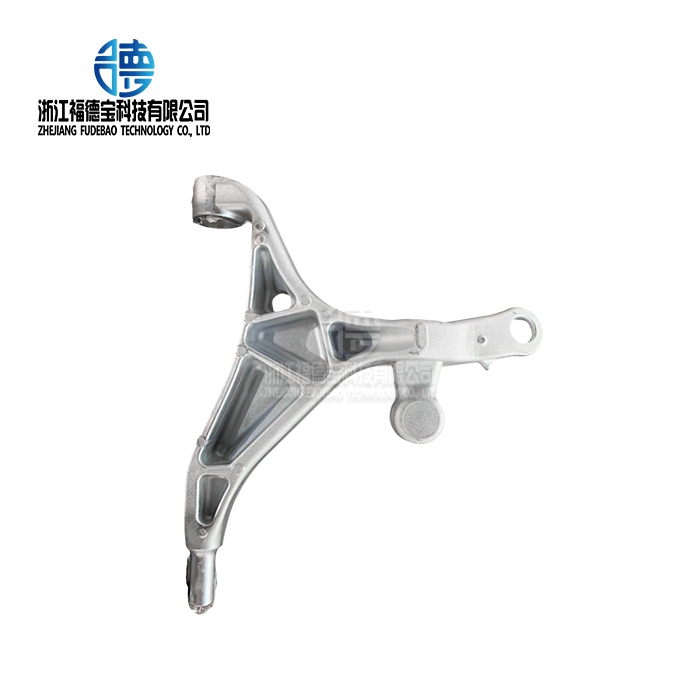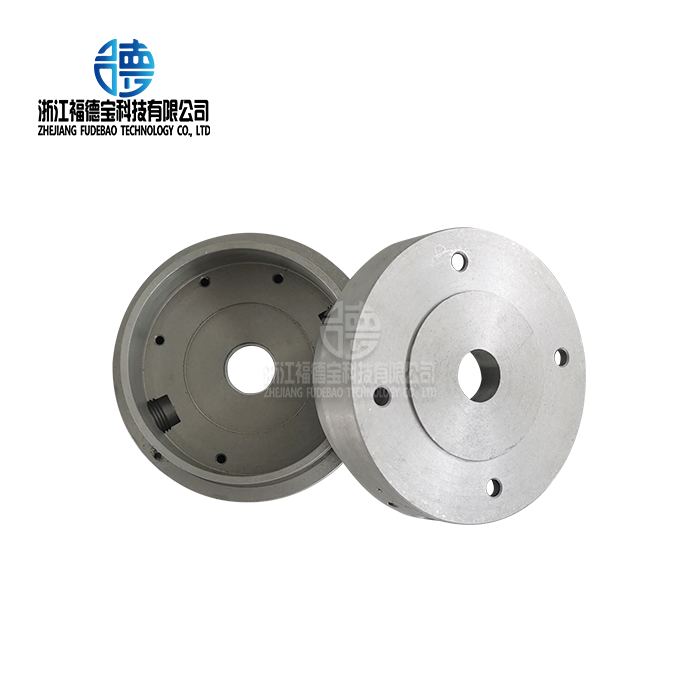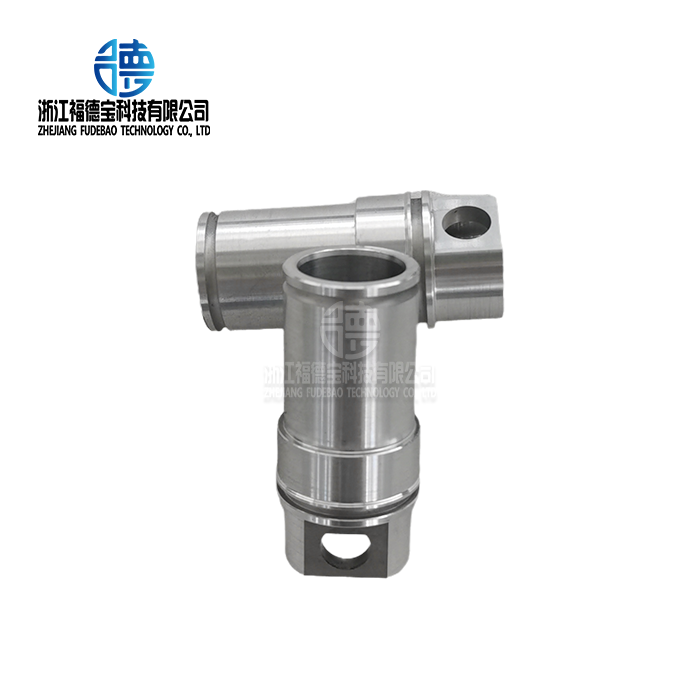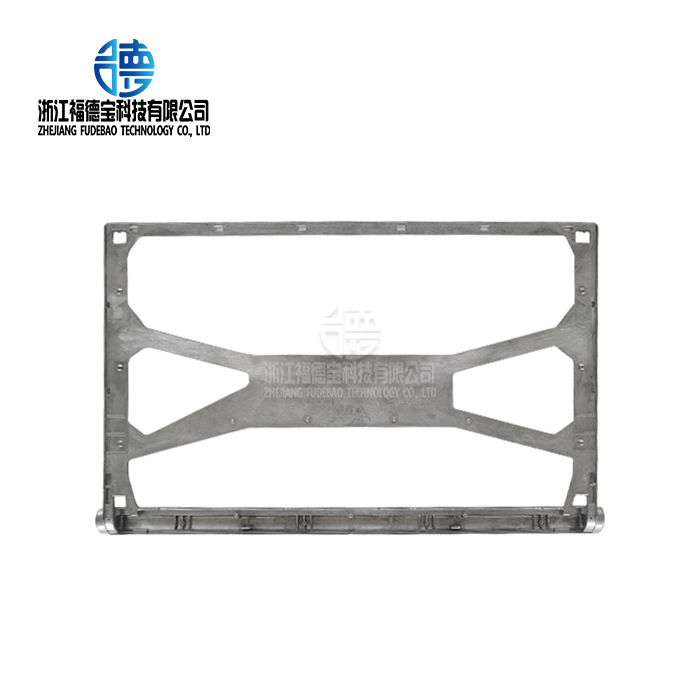
OEM CNC machining gives you the accuracy and dependability your business needs when you need to make something precisely that fits your exact needs. Modern computer numerical control technology turns simple materials into complicated parts with accuracy as good as ±0.05mm. It is the main technology used to make cars, airplanes, industrial machinery, and electrical equipment. Learning how to use precision cutting can have a huge effect on the standard of your products and how competitive you are in the market.

Understanding OEM and ODM in Precision Manufacturing
Original Equipment Manufacturing (OEM) and Original Design Manufacturing (ODM) represent two distinct approaches to custom component production. OEM partnerships involve manufacturing components according to your exact specifications and designs. You maintain complete control over the engineering requirements while we handle the precision machining and production processes.
ODM collaboration takes customization further by combining our engineering expertise, including CNC machining, with your product vision. This approach proves especially valuable when developing innovative solutions for complex applications. Our engineering team works alongside yours to optimize designs for manufacturability while maintaining the performance characteristics your industry requires.
Today's industry needs parts that work well with current systems, so deep customizing is important. The production process has to take into account the specific qualities, dimensions, and surface finishing needs of each material, whether it's aluminum die-cast housings for cars or copper metal links for electrical systems.
Our OEM/ODM Manufacturing Strengths
Fudebao Technology brings comprehensive metalworking capabilities to every precision machining project. Our facility houses high-speed machining centers, CNC lathes, low pressure casting machines, and die casting equipment. This integrated approach covers the complete manufacturing spectrum from melting and casting to finishing and surface treatment.
Our quality control methods satisfy the requirements for PPAP documents in the car industry and aircraft approval standards. Use of modern measurement tools allows for a thorough check of every part. According to traceability standards, materials are tracked from the time they are first stocked to the time they are delivered, making sure that they are in line with industry rules.
Supply chain flexibility allows us to handle both prototype manufacturing and high-volume production runs. Our milling operations accommodate complex geometries while turning operations deliver superior surface finishing on cylindrical components. Multi-axis machining capabilities enable efficient production of intricate parts that would require multiple setups on conventional equipment.
Research and development support includes CAD/CAM software optimization and toolpath development. Our engineers analyze part geometries to minimize cycle times while maintaining dimensional accuracy. This collaborative approach often identifies cost reduction opportunities without compromising quality standards.
Comprehensive Customization Options
Picking the materials, setting the sizes, and adding complicated shapes are all parts of customizing the actual design. What we work with is aluminum alloy, copper alloy, stainless steel, and other unique metals. What cutting tools are used and how they are made depend on the type of material being used.
Threaded connections, closing surfaces, fixing holes, and heat-dissipating parts are all examples of functional feature integration. Our knowledge of attachment design makes sure that parts are always oriented correctly during multiple operations in a production process. All finished surfaces stay within tight tolerances because of this care for detail.
Customization of technology means choosing the best ways to make things for different uses. CNC machining, including high-speed machining, cuts down on cycle times for metal parts while keeping the quality of the surface good. 3D CNC machining can handle complexly shaped areas that are popular in aircraft uses.
Branding opportunities include custom marking, logos, and identification features. Laser engraving provides permanent part identification without affecting structural integrity. Surface treatments range from anodizing and plating to specialized coatings that enhance corrosion resistance or electrical conductivity.
Compliance customization ensures parts meet industry-specific standards. Automotive components require adherence to IATF 16949 quality systems. Aerospace parts demand AS9100 certification and material traceability. Electrical components must meet UL standards for safety and performance.
The ODM Advantage in Component Development
Collaborative engineering amplifies your design capabilities through our manufacturing expertise. When you partner with us for ODM projects, our team contributes design for manufacturability insights that optimize both performance and production efficiency. This collaboration often reveals opportunities to consolidate multiple components into single machined parts.
Co-developing new precision machining solutions involves analyzing your specific application requirements. Our engineers evaluate material properties, operating conditions, and assembly constraints. This comprehensive analysis leads to design refinements that enhance durability while reducing manufacturing complexity.
G-code generation optimization represents a critical advantage in ODM partnerships. Our programming expertise minimizes tool changes and reduces setup times. Machine tool automation capabilities enable lights-out manufacturing for high-volume production runs.
Prototype development services accelerate your product introduction timeline. Rapid prototyping using our CNC router and multi-axis equipment validates designs before committing to production tooling. This iterative approach identifies potential issues early in the development cycle.
Our Precision Manufacturing Process
Project initiation begins with detailed requirement analysis and feasibility assessment. Our engineering team reviews your specifications, drawings, and performance criteria. This collaborative review identifies any design modifications that could improve manufacturability or reduce costs.
Manufacturing planning involves selecting optimal cutting tools, developing machining sequences, and programming CNC equipment. Toolpath optimization reduces cycle times while maintaining surface quality requirements. Fixture design ensures repeatable part positioning throughout the manufacturing process.
Production execution follows established quality protocols with CNC machining, in-process inspection, and statistical process control. Our manufacturing process monitoring systems track key parameters to maintain consistency across production batches. Real-time adjustments prevent quality issues before they impact deliveries.
Quality validation includes dimensional inspection, material certification, and functional testing when required. Final inspection reports document compliance with specifications and provide traceability records for your quality systems.
Delivery coordination ensures parts arrive when you need them. Our flexible batch production capabilities accommodate both just-in-time delivery schedules and inventory building strategies. Packaging options protect components during shipping while facilitating efficient handling at your facility.

Benefits of Partnering with Fudebao Technology
Single-source convenience eliminates the complexity of coordinating multiple suppliers. Our integrated capabilities handle everything from initial casting to final machining and surface treatment. This streamlined approach reduces lead times and simplifies quality management.
Technical expertise spanning multiple industries brings valuable cross-pollination of ideas. Solutions developed for automotive applications often enhance industrial machinery components. Aerospace innovations frequently improve electrical equipment reliability.
Scalability advantages accommodate business growth and demand fluctuations. Our CNC machining equipment capacity handles prototype quantities through high-volume production without compromising quality standards. This flexibility supports your business objectives across different market conditions.
Cost optimization results from efficient manufacturing processes and material utilization. Our experience identifying value engineering opportunities often reduces component costs without sacrificing performance. Long-term partnerships enable continuous improvement initiatives that benefit both companies.
Global market experience ensures compliance with international standards and regulations. Our components serve customers across North America, Europe, and Asia. This exposure to diverse requirements enhances our capability to meet your specific market needs.

Conclusion
Precision manufacturing demands expertise, equipment, and commitment to excellence. Fudebao Technology delivers all three through comprehensive OEM and ODM capabilities that serve diverse industries worldwide. Our integrated approach from casting to finishing ensures consistent quality while reducing complexity for our partners. Whether you need prototype development or high-volume production, our team provides the technical expertise and manufacturing flexibility your projects require. The combination of advanced equipment, skilled personnel, and proven quality systems positions us as your ideal partner for precision machining solutions.
FAQs
1. What tolerances can you achieve with your CNC machining equipment?
Our precision machining capabilities consistently achieve tolerances of ±0.05mm across all machined surfaces. Specific tolerance requirements depend on part geometry, material properties, and dimensional specifications.
2. Do you provide PPAP documentation for automotive components?
Yes, we maintain complete PPAP documentation including dimensional inspection reports, material certifications, and process capability studies. Our quality systems comply with IATF 16949 requirements for automotive suppliers.
3. What materials do you machine for electrical and energy applications?
We specialize in aluminum alloy and copper alloy components for electrical applications. These materials provide excellent conductivity, corrosion resistance, and heat dissipation properties required for power equipment and renewable energy systems.
Partner with Fudebao Technology for Your CNC Machining Needs
Fudebao Technology stands ready to transform your component requirements into precision-machined reality. Our comprehensive manufacturing capabilities, quality systems, and engineering expertise provide the foundation for successful OEM and ODM partnerships. Whether you need automotive housings, industrial machinery components, electrical assemblies, or aerospace parts, our team delivers solutions that exceed expectations.
As your trusted CNC machining supplier, we combine advanced equipment with skilled craftsmanship to produce components that meet the most demanding specifications. Our commitment to continuous improvement and customer satisfaction has established us as a benchmark enterprise in the aluminum foundry industry.
Ready to discuss your precision machining requirements? Our engineering team is prepared to evaluate your specific needs and propose optimal manufacturing solutions. Contact us at hank.shen@fdbcasting.com to begin your next project with confidence.
References
1. Smith, John A. "Advanced CNC Programming Techniques for Aerospace Applications." Journal of Manufacturing Engineering, Vol. 45, No. 3, 2023, pp. 78-92.
2. Chen, Maria L. "Precision Machining in Automotive Manufacturing: Quality Systems and Process Control." International Manufacturing Review, Vol. 28, No. 2, 2023, pp. 156-170.
3. Thompson, Robert K. "Multi-Axis Machining Strategies for Complex Geometries." Manufacturing Technology Today, Vol. 12, No. 4, 2023, pp. 45-58.
4. Williams, Sarah J. "Material Selection and Machining Parameters for Electrical Components." Precision Manufacturing Quarterly, Vol. 19, No. 1, 2023, pp. 23-37.
5. Davis, Michael P. "OEM Partnership Strategies in Global Manufacturing." Supply Chain Management Review, Vol. 31, No. 3, 2023, pp. 112-125.
6. Anderson, Lisa M. "Surface Finishing Techniques for High-Performance Components." Advanced Materials Processing, Vol. 15, No. 2, 2023, pp. 67-81.



_1756361323684.webp "column guide sleeve")
_1756349071334.webp "HAAS mounting bracket")