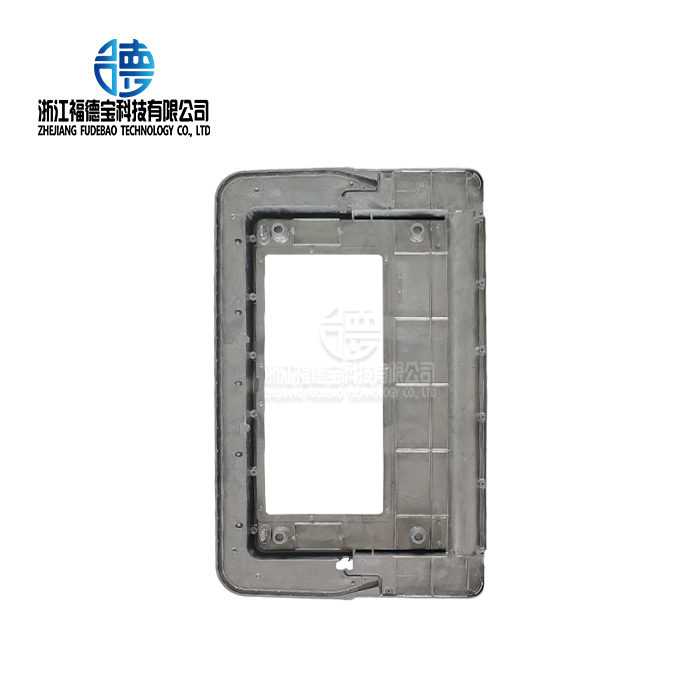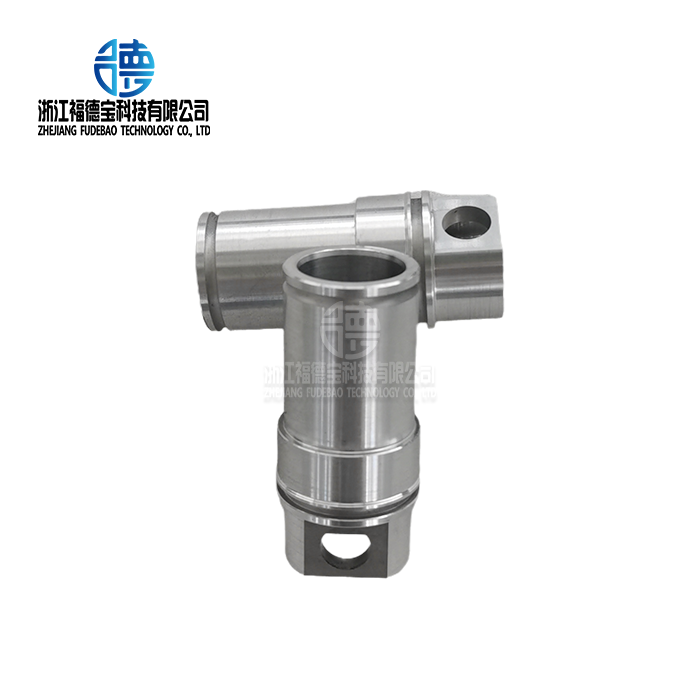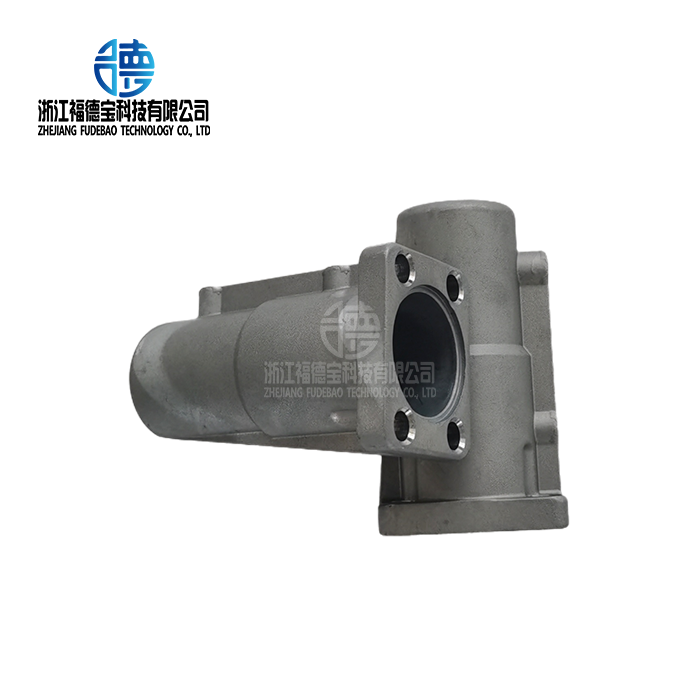
For the production of flawless metal parts for automotive, aerospace, and industrial applications, low pressure casting is the most effective manufacturing method. This cutting-edge casting technique uses regulated pressure to get rid of porosity, reduce turbulence, and provide better dimensional precision. In order to provide uniform filling and reduce air entrapment, the technique forces molten metal upward via a riser tube into the mold cavity, producing pieces of extraordinary quality.

Why Low Pressure Casting Delivers Superior Quality for Aluminum and Copper Alloy Parts?
Low pressure casting is the best way to make high-quality parts out of aluminum and copper alloys, according to manufacturing experts all over the world. This method of precision casting has changed the way we make parts that are free of flaws, especially in important situations where accuracy in measurements and structural soundness cannot be sacrificed. The method's controlled filling process gets rid of common casting flaws like porosity, cold shuts, and inclusions that happen with gravity casting.
Low pressure die casting is used by many industries, from car OEMs to aircraft firms, to meet strict quality standards. The process is very repeatable, has a great surface finish, and can make complicated shapes with very tight tolerances. Modern low pressure casting systems use high-tech machinery and real-time tracking to make sure that the quality of each production run is the same. It is important for makers who want to get rid of flaws and make their products more reliable to know the best ways to use this technology.
Why Focus on Low Pressure Casting Technology?
Low pressure casting is an important part of modern manufacturing because the car industry is moving toward lightweight, high-strength parts. Unlike other casting methods, this one lets you precisely control the rates at which metal flows, the patterns of filling, and the order in which the metal solidifies. This technology is always chosen by engineering managers and quality teams because it makes PPAP-compliant parts with few post-processing needs.
Low pressure casting tools produce more metal than standard ways, and they waste up to 15% less material. The controlled pressure atmosphere stops rusting and gas buildup, which makes the molds thicker and stronger. This benefit is especially important for parts of cars that are meant to be safe, like engine blocks, transmission housings, and structural frames, where failure is not a choice.
Selection Criteria for Optimal Low Pressure Casting Methods
To find the best low pressure casting methods, you need to look at a number of key performance factors that have a direct effect on the quality of the parts and the speed of production. These factors are the basis for choosing the best casting method for each application and the needs of the business.
The main standard is dimensional precision, and the best ways regularly get margins within ±0.05mm. The amount of post-processing needed is based on the quality of the surface finish, which is measured by hardness values and eye review standards. Cost and environmental effect are both affected by how efficiently materials are used, which makes yield optimization an important decision factor.
Process repeatability makes sure that the quality of each output batch is the same, and cycle time optimization makes sure that quality and efficiency needs are met. Total cost of ownership estimates are affected by how reliable the equipment is and how often it needs to be serviced. Mold design freedom lets you make molds with complicated shapes and many hole combinations. Quality control integration lets you keep an eye on things in real time and come up with ways to stop defects.
Counter-Pressure Low Pressure Casting Method
Counter-pressure low pressure casting represents the most advanced technique for producing ultra-high quality aluminum components with zero porosity. This method applies controlled pressure to both the metal supply and mold cavity, creating a balanced filling environment that eliminates turbulence completely. The process begins with the mold cavity under vacuum conditions, followed by synchronized pressure application that ensures laminar flow throughout the casting cycle.
The counter-pressure approach excels in producing thick-section components where traditional methods struggle with shrinkage defects. Automotive transmission housings and engine blocks benefit significantly from this technique, achieving mechanical properties comparable to forged components. The method's precise pressure control allows for gradual solidification from the furthest extremities back toward the gate, eliminating hot spots and porosity formation.
Equipment requirements include sophisticated pressure control systems, vacuum-capable molds, and advanced monitoring instrumentation. Setup complexity increases compared to standard low pressure methods, but the quality improvements justify the investment for critical applications. Cycle times extend slightly due to the vacuum and pressure synchronization phases, typically adding 10-15% to overall production time. Material properties improve dramatically, with tensile strength increases of 20-25% common in aluminum alloy castings.
Quality control becomes more predictable with counter-pressure systems, as the controlled environment reduces variables that typically cause defects. Mold design considerations include pressure equalization channels and enhanced venting systems. The method works exceptionally well with complex geometries featuring varying wall thicknesses, where traditional casting creates quality inconsistencies. Leading automotive suppliers report defect rates below 50 parts per million when properly implementing this technique.

Tilt-Pour Low Pressure Casting Method
Tilt-pour low pressure casting combines gravitational assistance with controlled pressure application to achieve superior filling characteristics and eliminate gas entrapment. This innovative approach tilts the entire casting assembly during the filling process, allowing molten metal to flow smoothly along mold walls while maintaining laminar flow conditions. The technique proves particularly effective for large, complex castings where conventional filling patterns create turbulence.
The tilting mechanism provides several advantages over stationary casting methods. Metal flow follows a more natural path, reducing velocity variations that cause surface defects. Air evacuation occurs more efficiently as the tilting action helps displaced gases escape through vents. Thermal gradients develop more uniformly, promoting directional solidification and reducing shrinkage defects. Complex internal passages fill completely without creating trapped air pockets.
Aerospace applications benefit tremendously from tilt-pour technology, especially for structural components requiring exceptional mechanical properties. The method enables casting of intricate cooling channels and internal features that traditional techniques cannot achieve. Setup involves programmable tilting mechanisms synchronized with pressure application systems. Cycle time optimization balances tilt speed with metal flow requirements, typically resulting in 20-30% longer cycles compared to standard methods.
Mold design requires careful consideration of metal flow paths during tilting sequences. Gate placement becomes critical as the flow direction changes throughout the casting cycle. Venting systems must accommodate the dynamic filling pattern, often requiring multiple vent locations. Quality improvements include enhanced mechanical properties, superior surface finish, and virtually eliminated porosity. Investment costs are higher due to specialized tilting equipment, but quality gains justify the expense for high-value applications.
Multi-Stage Pressure Low Pressure Casting Method
Multi-stage pressure low pressure casting utilizes varying pressure profiles throughout the filling and solidification phases to optimize metal flow and eliminate defects systematically. This sophisticated approach applies different pressure levels at specific time intervals, tailoring the casting environment to the component's geometry and cooling characteristics. The method excels in producing parts with varying wall thicknesses and complex internal features.
The process begins with low initial pressure to start gentle filling, gradually increasing pressure to maintain consistent flow velocity as the metal rises through the mold. Peak pressure occurs during the final filling stage to ensure complete cavity penetration and sharp detail reproduction. Holding pressure maintains feeding during solidification, preventing shrinkage defects in critical areas. Final pressure reduction allows for clean gate separation and minimal finishing requirements.
Industrial equipment manufacturers favor this method for producing pump housings, compressor components, and gearbox casings where dimensional accuracy is paramount. The variable pressure profile accommodates complex cooling curves, ensuring uniform mechanical properties throughout the casting. Advanced control systems monitor pressure, temperature, and flow rates in real-time, automatically adjusting parameters to maintain optimal conditions.
Programming flexibility allows operators to customize pressure profiles for different alloys and part geometries. Quality control benefits include reduced scrap rates, improved dimensional consistency, and enhanced mechanical properties. Setup complexity requires trained technicians familiar with pressure programming concepts. Cycle time optimization involves balancing pressure stages with productivity requirements, often resulting in superior quality without significant time penalties compared to conventional methods.
Vacuum-Assisted Low Pressure Casting Method
Vacuum-assisted low pressure casting combines the benefits of vacuum technology with controlled pressure application to achieve the highest possible casting quality for critical applications. This method evacuates air from the mold cavity before and during filling, creating an oxygen-free environment that prevents oxidation and eliminates gas-related defects completely. The technique proves indispensable for aerospace and medical device manufacturing where defect-free parts are mandatory.
The vacuum system removes atmospheric gases from the casting environment, allowing molten metal to fill intricate details and thin sections that conventional methods cannot achieve. Oxidation elimination results in cleaner metal with improved mechanical properties and corrosion resistance. Fine surface details reproduce perfectly under vacuum conditions, reducing machining requirements and improving final part quality. Degassing occurs naturally as the vacuum extracts dissolved gases from the molten metal.
Equipment complexity increases significantly with vacuum-assisted systems, requiring specialized pumps, sealed molds, and vacuum-compatible materials. Maintenance requirements are higher due to the additional systems involved, but quality improvements justify the operational complexity. Cycle times extend due to vacuum evacuation phases, typically adding 25-30% to production time. Material properties improve substantially, with density increases of 2-3% common in aluminum castings.
Electrical industry applications benefit from vacuum-assisted casting for producing motor housings, heat sinks, and connector bodies where thermal conductivity and dimensional stability are critical. Quality control becomes highly predictable as the controlled environment eliminates most variables that cause defects. Investment costs are substantial but reasonable for high-value applications requiring zero-defect quality levels. Training requirements are more extensive due to vacuum system operation and maintenance considerations.
Global Market Characteristics and Regional Preferences
The global low pressure casting industry exhibits distinct regional characteristics shaped by local manufacturing priorities, regulatory requirements, and technological adoption rates. North American markets emphasize automotive applications with strict PPAP documentation and traceability requirements. European manufacturers focus on energy efficiency and environmental compliance, driving adoption of advanced automation and recycling systems. Asian markets prioritize high-volume production capabilities and cost optimization while maintaining quality standards.
Regulatory frameworks vary significantly across regions, affecting equipment specifications and quality control requirements. European REACH regulations influence alloy selection and process documentation. North American automotive standards drive certification requirements and testing protocols. Asian markets balance international quality expectations with local cost pressures, creating unique technology adoption patterns.
Cultural preferences for technology adoption impact casting method selection across different regions. German manufacturers traditionally favor precision and automation, leading to widespread adoption of multi-stage pressure systems. Japanese companies emphasize continuous improvement and defect prevention, making vacuum-assisted methods popular for critical applications. American manufacturers balance quality with productivity, often choosing counter-pressure systems for high-volume automotive production.
Purchasing Recommendations and Implementation Considerations
Selecting the optimal low pressure casting method requires careful analysis of part requirements, production volumes, and quality expectations. Counter-pressure systems work best for thick-section components requiring maximum mechanical properties. Tilt-pour methods suit complex geometries with challenging filling requirements. Multi-stage pressure approaches optimize parts with varying wall thicknesses. Vacuum-assisted systems serve applications where zero defects are mandatory.
Implementation planning should address equipment installation, operator training, and quality system integration. Facility requirements include adequate power supply, compressed air systems, and environmental controls. Staff training programs ensure proper operation and maintenance of sophisticated casting equipment. Quality system updates accommodate new inspection requirements and documentation standards.
Cost-benefit analysis must consider initial equipment investment, operating expenses, and quality improvements. Higher initial costs for advanced systems typically generate returns through reduced scrap rates, improved yields, and enhanced part quality. Long-term operational savings often justify premium equipment selection for critical applications. Supplier selection should emphasize technical support, training programs, and proven industry experience.

Conclusion
The best low pressure casting methods for defect-free parts combine advanced technology with proven manufacturing principles to deliver exceptional quality and reliability. Counter-pressure, tilt-pour, multi-stage pressure, and vacuum-assisted techniques each offer unique advantages for specific applications and industries. Success requires careful method selection based on part requirements, quality expectations, and production volumes. Modern low pressure casting technology enables manufacturers to achieve zero-defect production goals while maintaining competitive costs and delivery schedules. Investment in proper equipment, training, and process control systems generates substantial returns through improved quality, reduced scrap rates, and enhanced customer satisfaction.
FAQs
1. What makes low pressure casting superior to gravity casting for defect prevention?
Low pressure casting eliminates turbulence during mold filling by controlling metal flow velocity and direction. The pressurized environment prevents gas entrapment and ensures complete cavity filling, while gravity casting relies on uncontrolled flow that often creates defects. Quality improvements include reduced porosity, better dimensional accuracy, and superior mechanical properties.
2. How do I determine the optimal pressure parameters for my specific parts?
Optimal pressure parameters depend on part geometry, wall thickness, alloy type, and quality requirements. Start with manufacturer recommendations, then adjust based on casting trials and quality analysis. Monitor filling velocity, solidification patterns, and defect occurrence to fine-tune parameters. Professional consultation often accelerates parameter optimization and reduces development time.
3. What are the typical cycle time differences between various low pressure casting methods?
Standard low pressure casting serves as the baseline for cycle time comparisons. Counter-pressure methods add 10-15% due to pressure synchronization. Tilt-pour systems extend cycles by 20-30% for tilting sequences. Multi-stage pressure approaches maintain similar times with proper programming. Vacuum-assisted systems require 25-30% longer cycles for evacuation phases. Quality improvements often justify extended cycle times.
Partner with Fudebao Technology for Superior Low Pressure Casting Solutions
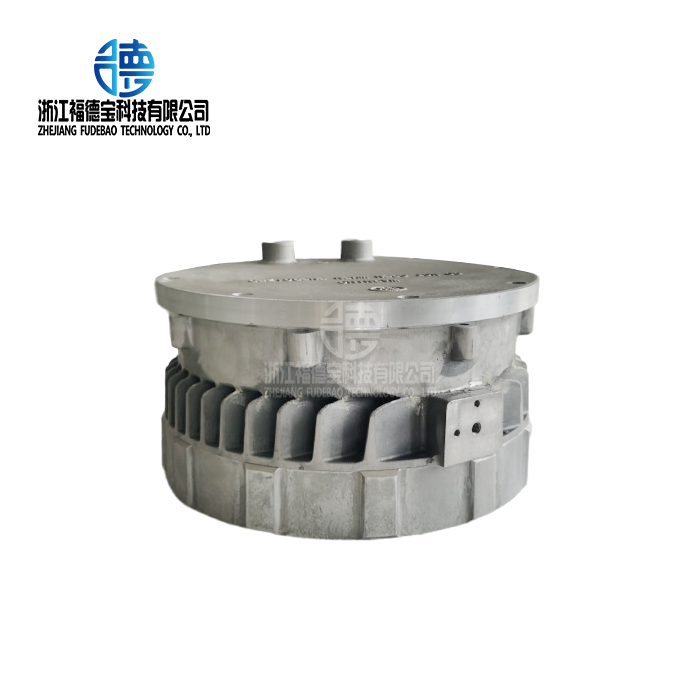
Zhejiang Fudebao Technology stands ready to deliver exceptional low pressure casting services that meet your most demanding quality requirements. Our state-of-the-art facility houses advanced low pressure casting machines alongside precision CNC equipment, enabling complete part production from molten metal to finished components. We specialize in aluminum alloy, copper alloy, and stainless steel castings with dimensional accuracy reaching ±0.05mm consistently.
Our experienced engineering team understands the unique challenges facing automotive OEMs, industrial equipment manufacturers, and aerospace companies seeking reliable low pressure casting suppliers. From prototype development through high-volume production, we provide comprehensive support including mold design, process optimization, and quality documentation. Our PPAP-compliant processes ensure seamless integration into your supply chain while maintaining the highest quality standards.
Ready to eliminate casting defects and improve part quality? Contact our technical experts today to discuss your specific requirements and discover how our low pressure casting expertise can enhance your manufacturing operations. Reach out to us at hank.shen@fdbcasting.com for detailed technical consultation and competitive quotations.



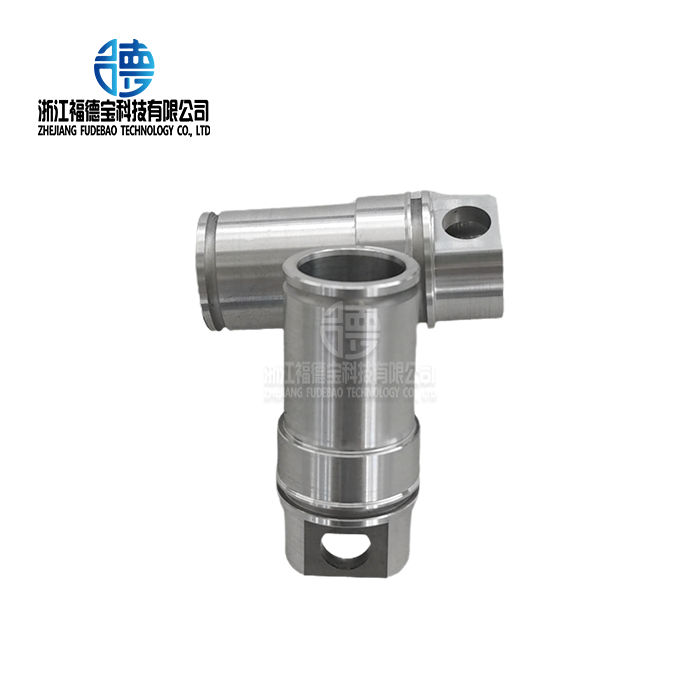
_1756346371362.webp "separator housing")
_1756348227989.webp "Aluminum casting movable U frame")
_1756346259673.webp "heavy duty hinges")