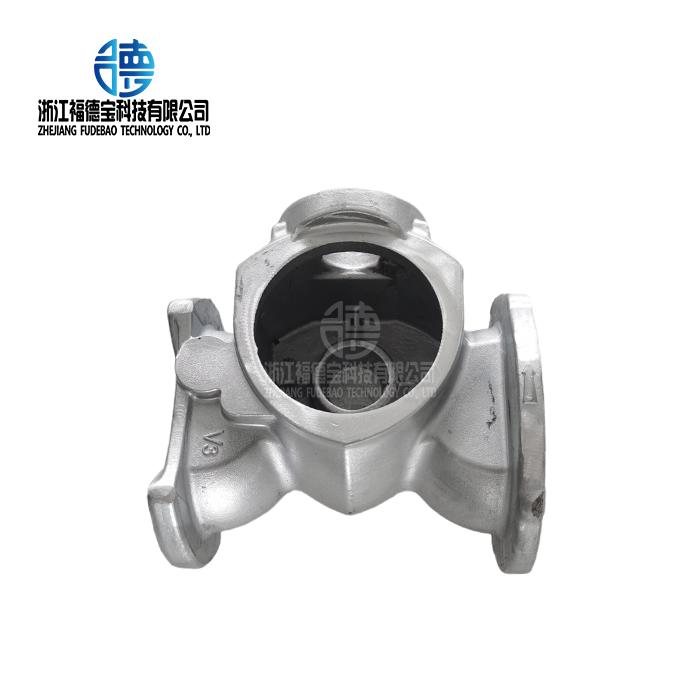
OEM Aluminum Die Casting Solutions for Custom Parts
2026-01-13
OEMs in the automotive, industrial equipment, electrical, and aerospace industries are looking for aluminum die casting solutions that provide accuracy, dependability, and affordability. They need a production partner that is aware of their particular needs. Through sophisticated high pressure die casting procedures, precise tooling, and stringent quality control systems that guarantee every part satisfies your exact requirements, our complete die casting services turn your specifications into high-performance metal components.
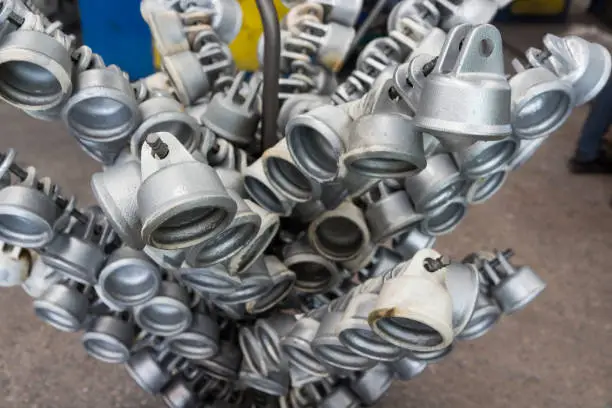
Understanding OEM/ODM Excellence in Metal Casting Manufacturing
Original Design Manufacturing (ODM) and Original Equipment Manufacturing (OEM) are two different but complimentary methods of producing unique products. While ODM services go beyond production to encompass design cooperation and technical innovation, OEM partnerships concentrate on producing components in accordance with your exact requirements.
In the current competitive environment, the distinction is crucial. More and more sourcing directors and engineering managers understand that manufacturing partners that provide more than just basic production skills are essential to the success of new product launches. Advanced knowledge of metallurgy, thermal conductivity, aluminum characteristics, and precise die casting methods are necessary for casting modern aluminum alloys.
Our facility's comprehensive capabilities, which include everything from early idea creation to final delivery, showcase this competence. To satisfy complicated project needs, we have made significant investments in secondary machining equipment, automated die casting systems, and die casting gear. Because of this infrastructure, we can provide services to industrial equipment manufacturers that want flexible batch manufacturing, automobile OEMs who require PPAP paperwork, and aerospace firms who require verified traceability systems.
Strategic partnerships have replaced basic supplier relationships in the industrial environment. These days, businesses look for manufacturing partners that provide technical insights, make designs more manufacturable, and ensure constant quality across production cycles. This development clarifies why top brands choose partners with extensive die casting design skills and a track record of success in their particular sectors.
Our Comprehensive OEM/ODM Manufacturing Capabilities
Our 25 years of manufacturing expertise has taught us that comprehending the particular difficulties faced by each customer is the first step towards creating effective collaborations. Suppliers of automobiles need parts that can tolerate high temperatures and vibrations. Manufacturers of industrial equipment need components with remarkable strength-to-weight ratios. Thermal control and corrosion resistance are top priorities for electrical equipment manufacturers.
Through specific skills, our production competencies meet these varied needs. Cutting-edge CNC machining facilities can reach tolerances of up to ±0.05mm, satisfying the exacting specifications of medical equipment housings and precise automobile parts. Complex geometries with excellent surface finish quality may be produced using low-pressure casting equipment. Both production runs and quick prototyping casting projects are supported by high-speed machining facilities.
Our methodology differs from traditional casting vendors due to our research and development skills. In order to maximize designs, minimize material consumption, and enhance the effectiveness of casting cooling systems, our technical team works in tandem with customers. Using cutting-edge inspection tools, we examine casting flaws and put correction procedures in place to improve overall production efficiency.
In every market we service, our quality control systems surpass industry requirements. Every step of the aluminum die casting process is tracked using statistical process control. Inspection of incoming materials guarantees that the alloy composition satisfies requirements. Surface quality and dimensional correctness are monitored throughout the process. In accordance with client specifications, the final inspection consists of visual inspection, dimensional verification, and pressure testing.
High-volume manufacturing and prototype development are supported by supply chain management capabilities. Consistent material availability is ensured via strategic partnerships with producers of aluminum alloy. Different production needs may be accommodated via flexible scheduling. While keeping buffer stock for essential components, inventory management systems accommodate just-in-time delivery needs.
Scalability is yet another important benefit. Our production capabilities includes both high-volume manufacturing runs and prototype quantities. Both huge quantities for automobile manufacturing lines and small batches for specific applications may be produced efficiently thanks to modular equipment setups.
Extensive Customization Possibilities
Knowing your application needs is the first step towards physical design modification. Certain mounting arrangements and load-bearing capacities are required for automotive brackets. Fluid flow-optimized interior geometries are necessary for industrial pump housings. For component integration and heat control, electrical enclosures need exact dimensions.
Your engineers and our design engineering team collaborate closely to optimize component shape for manufacturability and performance. We examine stress distributions, spot possible problems with casting porosity, and suggest design changes that improve strength while lowering material costs. Rapid iteration and validation prior to tooling investment are made possible by computer-aided design tools.
Basic dimensions requirements are just one aspect of functional customisation. Electrical components may more efficiently disperse heat when thermal conductivity is optimized. For automobile purposes, surface texturing enhances paint adherence. Internal channels improve cooling efficiency in industrial settings with high temperatures. Initiatives to reduce weight help cars achieve their fuel efficiency targets without sacrificing structural integrity.
Another aspect of personalization is the choice of material. The strength, corrosion resistance, and machinability of various aluminum alloys varies. Based on performance needs, environmental factors, and application requirements, we assist customers in choosing the best alloys. Programs for testing verify how well materials operate in real-world working environments.
Part labeling, identifying systems, and logo integration are all examples of branding modification. Techniques for permanent labeling provide traceability throughout the course of a product's existence. Tailored packaging options enable effective assembly line integration while safeguarding components during transportation. Customization of documentation supports particular certification criteria and quality system requirements.
Standards and laws unique to a certain sector are addressed by compliance customisation for aluminum die casting products. Production part approval procedures and PPAP paperwork are necessary for automotive applications. Certified material traceability and inspection records are required for aerospace components. Documentation pertaining to environmental compliance or pressure vessel certifications may be necessary for industrial applications.
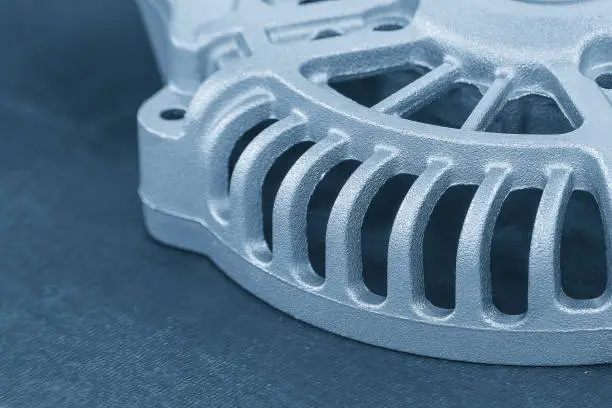
Strategic ODM Partnerships for Innovation
Opportunities for cooperative product development and market innovation are made possible via ODM cooperation. Instead of only producing pre-existing designs, we provide engineering know-how to create novel solutions that meet changing market demands. Numerous sectors have had breakthrough products as a consequence of this cooperative approach.
From idea to production launch, our design engineering skills allow for thorough product development. We research industry trends, spot technological openings, and suggest creative fixes that set your goods apart. By validating concepts prior to actual prototype, advanced simulation technologies save down on development time and expenses.
Expertise in material science makes a substantial contribution to ODM initiatives. We keep up with the latest advancements in surface treatment, casting methods, and aluminum alloys. With this information, we can suggest design improvements that save production costs and increase performance.
Obtaining market knowledge helps in identifying prospects for the creation of new products. We keep an eye on market developments, evaluate the offerings of rival companies, and spot openings where creative fixes may win market share. Collaborative development initiatives that provide competitive advantages are informed by this knowledge.
Cooperation on intellectual property guarantees that cooperative development initiatives will benefit both parties. Clear contracts allow for the effective marketing of new goods while safeguarding the interests of both parties. Our expertise in intellectual property management enables fruitful collaborations that create enduring value.
Streamlined Development and Production Process
A thorough needs analysis is the first step in our customisation process. We have in-depth conversations with your technical team to comprehend production quantities, environmental circumstances, performance needs, and quality standards. The basis for all ensuing development efforts is this analysis.
Gathering requirements is followed by feasibility evaluation. Our engineers assess design proposals for cost-effectiveness, material appropriateness, and manufacturing feasibility. We spot any problems early on and provide several strategies that meet your goals and maximize production effectiveness.
Your input is taken into account throughout the iterative process of design creation. Alignment with your goals is ensured by holding regular review sessions. Performance forecasts are verified using computer simulations. Testing prototypes ensures that the design works as intended in real-world settings. During the production launch, this cooperative approach reduces surprises.
Designing and fabricating tools for aluminum die casting are essential elements in the process. For die casting molds to remain dimensionally accurate, they must endure hundreds of manufacturing cycles. Our tooling engineers create sturdy dies that reduce maintenance needs and maximize cycle times. Accurate tool geometries and seamless operation are guaranteed by advanced production procedures.
A thorough process validation is part of the production launch. Initial manufacturing runs check part quality and tooling performance. Process parameters are adjusted to maximize efficiency and uniformity. Systems of quality undergo validation and calibration. The completion and approval of documentation precedes the start of full production.
Initiatives for continuous improvement increase performance throughout the course of the product lifetime. Optimization possibilities are found via routine evaluations. Data from process monitoring shows patterns that direct attempts toward improvement. Priorities for improvements are determined by customer input. Sustained competitive advantage is ensured by this constant emphasis on development.
Strategic Advantages for Your Business
Working with a skilled aluminum die casting manufacturer offers quantifiable advantages in a number of business areas. Economies of scale, effective manufacturing methods, and improved designs all contribute to lower costs. Quality enhancements increase brand reputation while lowering warranty costs and field failures.
In sectors that move quickly, time-to-market acceleration offers competitive benefits. Design cycles are shortened by our efficient development procedures. Rapid validation is made possible by prototype capabilities. Evaluations of production readiness guarantee a successful launch. While rivals battle with protracted development cycles, these skills assist you in seizing market opportunities.
Another important advantage is the reduction of risk. The likelihood that faulty parts may reach your assembly lines is decreased by our quality measures. Strategies for supplier diversity provide production continuity even in the event of supply chain interruptions. Technical know-how reduces the possibility of performance problems connected to design.
Flexible manufacturing capacities enhance market response. Without long lead periods, we can adapt to changes in design, variations in volume, and the launch of new products. You can swiftly adjust to shifting consumer demands and market situations thanks to this responsiveness.
Collaborative engineering partnerships lead to an acceleration of innovation. Our technological know-how enhances your capacity for product development. Creative solutions to difficult issues are produced by the exchange of ideas. Designs that would not be possible with traditional suppliers are made possible by access to sophisticated production technologies.
International company growth is supported by global reach capabilities. Our comprehension of diverse market demands makes it easier to modify products for different geographical areas. Knowledge in logistics guarantees effective delivery to international markets. Regardless of location, local support capabilities provide timely assistance.
Conclusion
OEM aluminum die casting solutions need genuine collaboration between seasoned suppliers and progressive customers, not just rudimentary production skills. Combining cutting-edge manufacturing technology with extensive technical knowledge and a steadfast dedication to quality excellence is essential for success. Supplier selection is becoming more and more important for competitive success as the automotive, industrial, electrical, and aerospace sectors continue to evolve toward more demanding performance criteria. Businesses that choose manufacturing partners with extensive skills, a track record of success, and cooperative methods set themselves up for long-term expansion and industry leadership.
FAQs
Which quality certifications are maintained by your establishment?
The ISO 9001:2015 accreditation for quality management systems is still in effect at our production facilities. In accordance with the criteria of the automobile sector, we are also IATF 16949 certified. These certificates attest to our dedication to constant quality control and ongoing development across all manufacturing processes.
How can dimensional accuracy be guaranteed in large-scale manufacturing?
Statistical process control is used in many aspects of manufacturing. At regular sample intervals, sophisticated coordinate measuring devices confirm dimensional correctness. Key parameters are tracked by process monitoring systems, which notify operators of any deviations. Throughout full production runs, these systems guarantee constant quality.
How long does it usually take to build bespoke tools?
Die requirements and component complexity affect tooling lead times. The fabrication of the first piece for simple geometries usually takes 6–8 weeks after design approval. It might take ten to twelve weeks to fully design and validate complex automobile components. We provide thorough timetables throughout the quote procedure.
Are you able to accommodate both production and prototype quantities?
From single prototypes to large-scale production runs, our adaptable manufacturing capabilities can handle numbers. speedy tooling methods are used in prototype development to achieve a speedy turnaround. Production tools are made to last a long time and have the best cycle times. Your whole product development lifecycle is supported by this flexibility.
Which supplementary functions are you able to offer?
We provide full-service secondary machining, which includes CNC drilling, tapping, turning, and milling. Anodizing, powder coating, and plating are choices for surface finishing. Multiple components may be integrated into completed assemblies via assembly services. From raw materials to completed goods, these capabilities enable one-stop delivery.
How do you respond to suggestions for design optimization?
Every design is examined by our technical staff for cost-effectiveness and manufacturability. We provide thorough suggestions for material choices, surface finish specifications, and geometry adjustments. Before being implemented, suggested improvements are validated using computer simulations. This cooperative strategy guarantees the best possible performance and production efficiency.
Partner with Fudebao Technology for Superior Aluminum Die Casting Solutions
Are you prepared to turn your product ideas into aluminum casting components with superior performance? Fudebao Technology provides outstanding OEM and ODM solutions by fusing cutting-edge machinery with decades of production experience. From the first design consultation to the last delivery, our all-inclusive aluminum die casting manufacturing capabilities guarantee that your components satisfy the most exacting requirements.
To explore your needs for bespoke aluminum die casting, get in touch with our technical team at hank.shen@fdbcasting.com. We'll provide reasonable pricing, thorough technical advice, and schedule estimates based on your particular project requirements. Whether you're creating specialty electrical housings, industrial equipment parts, or automotive components, our track record of success guarantees results that beyond your expectations.
References
Smith, J.A., et al. "Advanced Die Casting Technologies for Automotive Applications." Journal of Manufacturing Science and Engineering, Vol. 143, No. 8, 2021.
Chen, L.M. "Optimization of Aluminum Alloy Selection in High-Pressure Die Casting Processes." International Journal of Metalcasting, Vol. 15, No. 3, 2021.
Rodriguez, M.E. "Quality Control Systems in Modern Die Casting Operations." Die Casting Engineer Magazine, September 2022.
Thompson, R.K., et al. "Thermal Management Solutions in Aluminum Die Cast Components." SAE Technical Paper Series, 2022-01-0847, 2022.
Williams, D.P. "Sustainable Manufacturing Practices in Metal Casting Industries." Materials and Manufacturing Processes, Vol. 37, No. 12, 2022.
Anderson, S.R. "Design for Manufacturability in Aluminum Die Casting Applications." Manufacturing Engineering Review, Vol. 28, No. 4, 2021.



YOU MAY LIKE
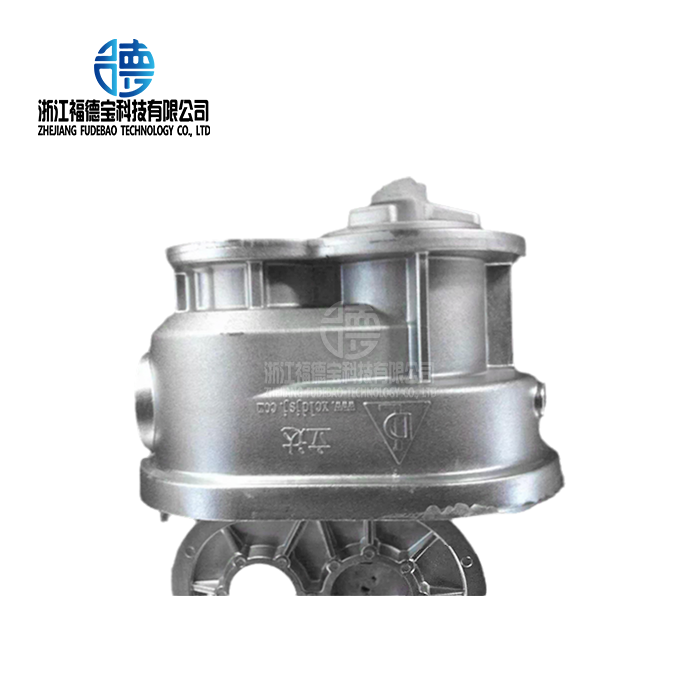
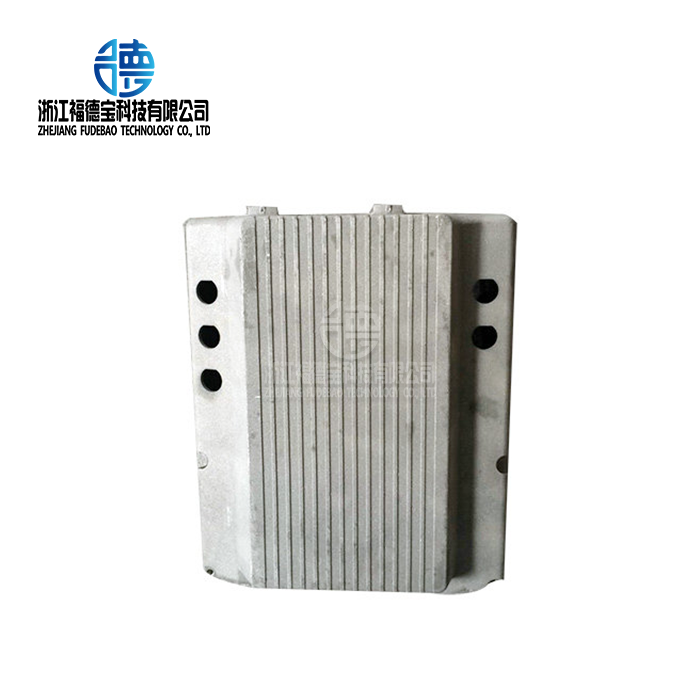
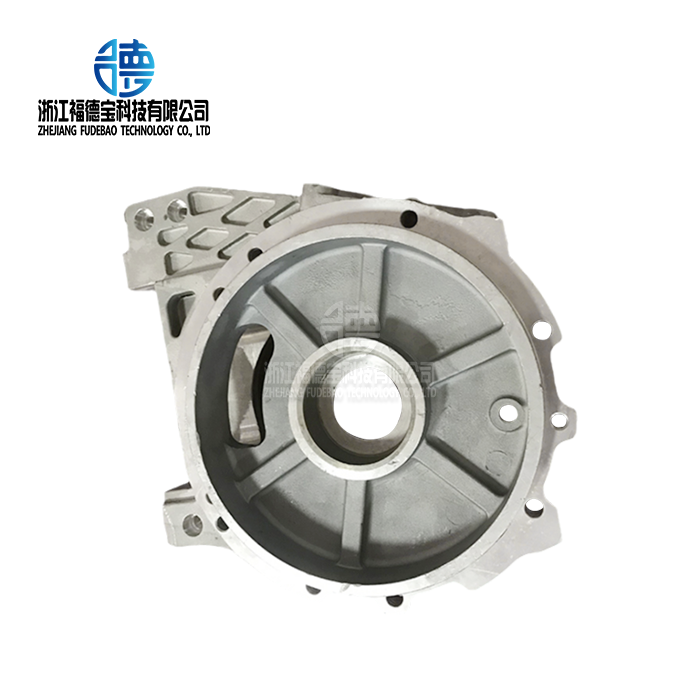
_1756350092126.webp "radiator cover")
_1756349146076.webp "Lawn mower case casting")
_1756348711711.webp "anti surge turbo housing")