
ODM low pressure casting is a cutting-edge method of producing automobile components that combines superior low pressure casting technology with Original Design Manufacturing. Automotive manufacturers may obtain state-of-the-art designs while using specialist foundry skills thanks to this complex procedure. Low pressure casting technology offers better dimensional accuracy and less porosity than conventional gravity casting techniques, which makes it perfect for crucial automotive applications. Fudebao Technology creates unique solutions that surpass the norms of the automobile industry by fusing decades of casting knowledge with cutting-edge ODM capabilities. Our all-encompassing method turns abstract concepts into precisely designed parts that advance automotive innovation.

Understanding OEM/ODM and Deep Customization in Automotive Casting
There are two different approaches to the creation of automobile components: Original Equipment Manufacturing (OEM) and Original Design Manufacturing (ODM). While OEM concentrates on producing products in accordance with customer requirements, ODM advances the collaboration by offering technical innovation and design know-how. In the highly competitive automobile industry of today, when automakers are looking for distinctive ways to set their cars apart, deep customisation is crucial.
Low pressure die casting technology forms the backbone of this customization revolution. By progressively filling molds with regulated pressure, the low pressure casting technique produces improved material density and mechanical qualities. In addition to guaranteeing constant quality across production runs, this methodical technique removes a number of typical low pressure casting flaws.
ODM agreements provide automotive customers with access to specialist expertise without requiring them to retain large in-house casting capabilities. Every automotive application requires different material qualities, dimensional tolerances, and surface finishes, which our staff is aware of. We turn difficult requirements into workable solutions that adhere to strict automotive standards via cooperative design development.
Our OEM/ODM Strengths in Low Pressure Casting Technology
Fudebao Technology's extensive production infrastructure enables us to provide outstanding capabilities to car OEM collaborations. Our facility has precise CNC technology and cutting-edge low pressure casting machinery, creating an integrated manufacturing environment that supports intricate automobile projects from conception to completion.
Our approach to each automobile casting issue is shaped by experience. Our low pressure casting parameters have been improved over the years of working with international automotive customers to get the best results possible with a variety of aluminum alloy compositions. Our technical staff is well-versed in automotive specifications, including weight minimization, crash performance, and thermal management.
Quality control systems at our facility exceed automotive industry expectations. We implement rigorous inspection protocols throughout the low pressure casting cycle, ensuring dimensional accuracy within ±0.05mm tolerances. Advanced coordinate measuring machines verify complex geometries, while material testing validates mechanical properties essential for automotive safety applications.
We are able to efficiently support automobile production schedules thanks to our supply chain management skills. In order to guarantee continuous material quality for low pressure casting processes, our procurement staff keeps up contacts with top aluminum sources. For our automotive partners, this proactive strategy keeps costs competitive while minimizing supply interruptions.
Comprehensive Customization Options for Automotive Applications
Understanding the specific needs of any automobile application is the first step towards customizing the physical design. In order to optimize component shape for low pressure casting aluminum processes, our design team works closely with automotive experts. Final component performance is influenced by cooling factors, gating system design, and wall thickness optimization.
Functional feature integration represents a cornerstone of our ODM approach. In order to reduce assembly complexity and vehicle weight, modern automobile components sometimes combine numerous functions into a single casting. Intricate interior passageways for cooling or lightweighting are made possible by our low pressure casting method without compromising structural integrity.
Advanced low pressure casting simulation software guides our design optimization process. Before actual tooling manufacturing starts, these technologies forecast material flow patterns, pinpoint possible fault spots, and maximize cycle durations. For automotive customers, our simulation-driven method speeds time-to-market while lowering development costs.
Surface treatment customization addresses both aesthetic and functional requirements. Our comprehensive finishing capabilities include machining, coating application, and surface texturing. These treatments enhance corrosion resistance, improve appearance, and enable proper assembly with mating components in automotive applications.
Material selection represents another critical customization dimension. Certain aluminum alloy qualities are needed for various automotive applications, such as high-strength structural parts and heat exchangers with superior thermal conductivity. The best alloy selection for the performance requirements of each application is guaranteed by our metallurgical knowledge.
The ODM Advantage: Co-Developing Revolutionary Automotive Solutions
ODM partnerships unlock innovation potential that traditional manufacturing relationships cannot achieve. When automotive clients engage us in co-development projects, they tap into our deep understanding of low pressure casting advantages and manufacturing constraints. This collaborative approach often reveals design improvements that enhance performance while reducing manufacturing costs.
Our facility's low pressure casting automation capabilities allow for quick design iterations and prototyping. Our adaptable production technologies enable the rapid development processes that automotive customers need by accommodating design changes without requiring major tooling alterations. When there are severe time constraints during vehicle development processes, this responsiveness comes in quite handy.
Technology integration represents a significant ODM advantage we offer automotive partners. Our experience combining low pressure casting with precision machining creates opportunities for hybrid manufacturing approaches. These integrated processes can achieve complex geometries and tight tolerances that individual manufacturing methods cannot deliver independently.
Cost optimization through design collaboration benefits both parties in ODM relationships. Our manufacturing experience often finds design changes that increase production efficiency, simplify tooling needs, or use fewer materials. These enhancements immediately result in cost reductions that automakers may transfer to their clientele.

Our Streamlined ODM Process for Automotive Success
A thorough requirements analysis and feasibility evaluation are the first steps in starting a project. To create the best manufacturing strategy, our engineering team examines automobile specs, performance needs, and production volume forecasts.This early collaboration establishes realistic timelines and identifies potential technical challenges.
Design development progresses through iterative collaboration between our engineering team and automotive clients. Low pressure casting design considerations guide geometry optimization, while automotive performance requirements drive material selection and surface treatment specifications. Regular design reviews ensure alignment with evolving project requirements.
Before committing to full production, design ideas are validated via prototyping using our low pressure casting technology. In-depth testing is done on these prototype parts to confirm their material qualities, functional performance, and dimensional correctness. Design improvements that maximize performance and manufacturability are driven by client input.
Designing tools, creating low pressure casting molds, and establishing quality assurance procedures are all included in production planning. In order to reduce development delays and guarantee comprehensive preparation for volume production, our project management team synchronizes these concurrent processes.
Production ramp-up help, quality control, and ongoing improvement projects are all included in launch support. Our dedication to automotive customers goes beyond the first delivery and includes continuing collaboration that fosters sustained success in cutthroat automotive markets.
Benefits Automotive Clients Gain Through Our ODM Partnership
Accelerated development timelines result from our integrated design and manufacturing capabilities. Automotive clients can compress traditional development cycles by leveraging our low pressure casting expertise from project inception. In rapidly evolving automobile markets, where early market entrance generates competitive benefits, this time advantage is vital.
For automotive customers, risk minimization via demonstrated manufacturing competence lowers project uncertainty. Our expertise in process optimization and low pressure casting troubleshooting helps steer clear of typical issues that may cause delays in automotive projects. Automotive customers may confidently commit to ambitious launch timelines because of this dependability.
Effective production procedures and improved designs lead to increases in cost efficiency. From original concept to mass manufacturing, our cooperative approach finds ways to save costs at every stage of the product lifecycle. While maintaining quality standards, these savings increase revenue for automotive customers.
Automotive components are guaranteed to fulfill strict industry criteria via quality assurance using established methods and processes. The demands of automotive applications for surface polish, material qualities, and dimensional precision are met by our extensive quality management systems.
Conclusion
The shift in the automobile industry toward high-performance, lightweight components opens up a world of creative manufacturing collaborations. Automobile manufacturers may get state-of-the-art low pressure casting technology via ODM partnership, which also speeds up development and lowers project risks. Fudebao Technology's extensive capabilities make us the perfect partner for automotive customers looking to turn creative ideas into components that are ready for the market and provide them a competitive edge in cutthroat automotive marketplaces.
FAQs
1. For automotive applications, what are the benefits of low pressure casting over conventional gravity casting?
Compared to gravity casting, low pressure casting offers better mechanical qualities, lower porosity, and higher dimensional precision. It is perfect for crucial automotive components that need to be very precise and reliable because of the controlled pressure application, which guarantees constant mold filling and removes numerous typical casting faults.
2. For automotive casting projects, how is ODM different from conventional OEM manufacturing?
In order to maximize component performance and manufacturability, ODM relationships include cooperative design development in which we provide technical experience and manufacturing knowledge. ODM allows for the co-development of creative solutions that often surpass initial performance goals while lowering costs, in contrast to typical OEM partnerships where customers provide full specifications.
3. What high-quality certificates and records does Fudebao Technology provide its automobile customers?
In accordance with the norms of the automobile sector, we provide thorough PPAP documentation, dimensional inspection reports, material certificates, and process control records. Our quality management systems serve the strict quality criteria and supply chain compliance demands of our automotive customers by guaranteeing complete traceability throughout the production process.
Partner with Fudebao Technology for Your Low Pressure Casting Projects
Automotive manufacturers seeking a reliable low pressure casting supplier will find exceptional value in partnering with Fudebao Technology. Our all-encompassing ODM skills turn difficult automotive specifications into manufacturable solutions that surpass performance standards. From the first stages of concept development to mass manufacturing, our integrated approach produces outcomes that propel the advancement of automotive innovation.
Our dedication to automotive excellence encompasses quality assurance, engineering assistance, and continuous improvement programs in addition to production. This all-encompassing strategy supports your automotive company goals and guarantees long-term collaboration success. For more information on how our ODM skills may speed up your next automobile casting project, get in touch with us at hank.shen@fdbcasting.com. Use our established low pressure casting experience to turn your creative ideas into car components that are ready for the market.
References
1. Campbell, J. (2015). "Complete Casting Handbook: Metal Casting Processes, Metallurgy, Techniques and Design." Butterworth-Heinemann Engineering Materials.
2. Dieter, G.E. & Schmidt, L.C. (2013). "Engineering Design and Manufacturing Processes in Automotive Industry." McGraw-Hill Mechanical Engineering Series.
3. Kaufman, J.G. & Rooy, E.L. (2004). "Aluminum Alloy Castings: Properties, Processes, and Applications for Automotive Components." ASM International Handbook.
4. Monroe, R.W. (2005). "Low Pressure Die Casting Technology and Applications in Modern Manufacturing." American Foundry Society Technical Papers.
5. Shivkumar, S. (2008). "Advanced Casting Technologies for Automotive Lightweight Components." Society of Automotive Engineers International Publications.
6. Zhang, L. & Wang, H. (2018). "Optimization of Low Pressure Casting Parameters for Automotive Aluminum Components." Journal of Manufacturing Science and Engineering.



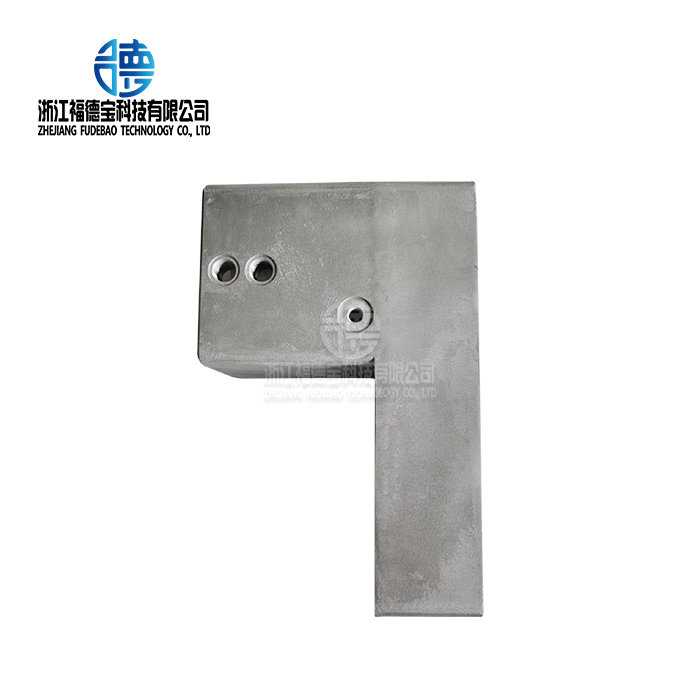
_1756352712247.webp "stainless steel hex plug")
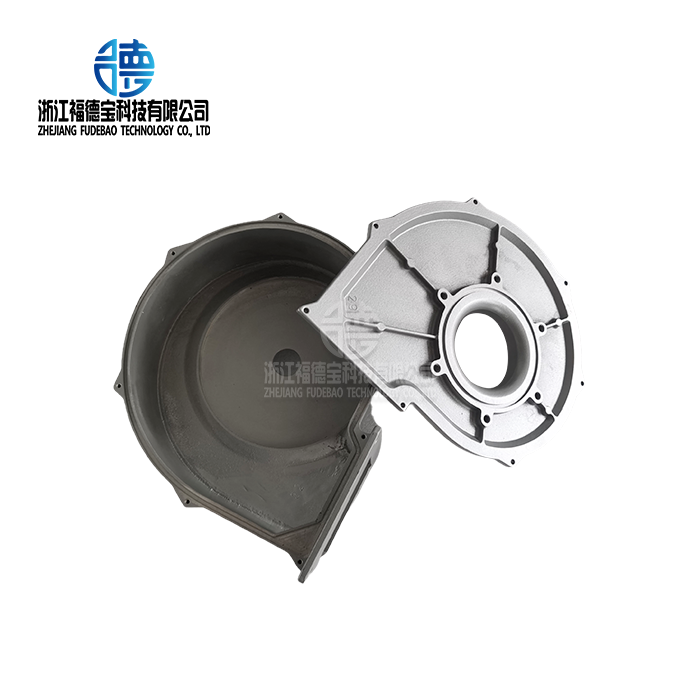
_1756349794241.webp "round belt pulley")
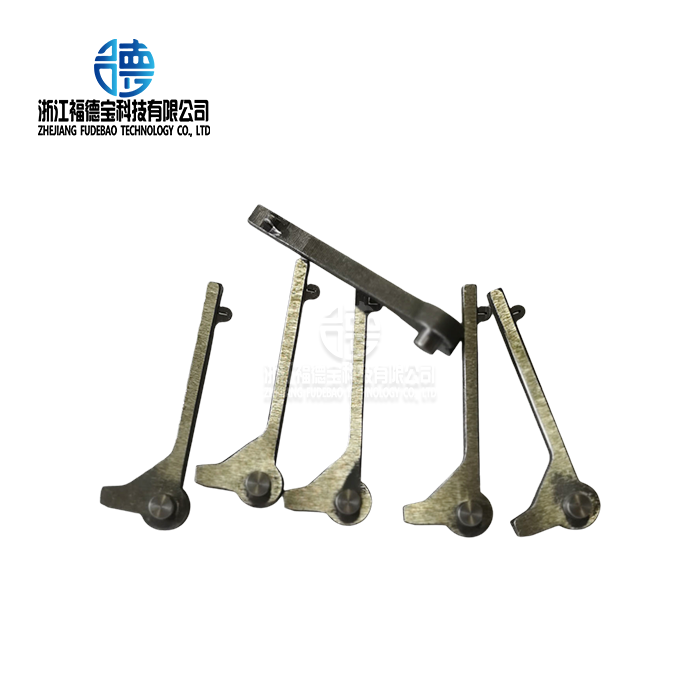
_1756349071334.webp "HAAS mounting bracket")
_1756348489473.webp "Automobile intake valve")
_1756346310015.webp "Aluminum castings Crane bracket")