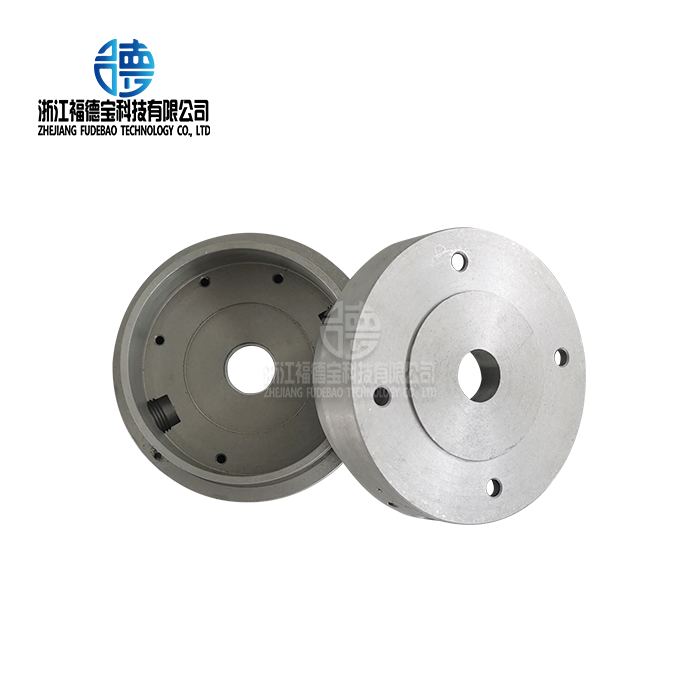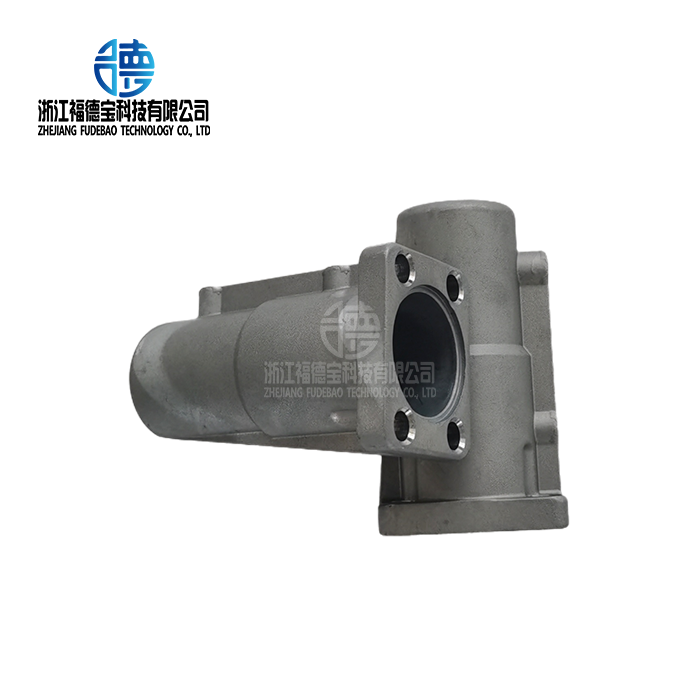
For the best outcomes, it is essential to comprehend the basic distinctions between gravity casting and low pressure casting while making aluminum. By using regulated pressure to force molten metal into molds, low pressure casting produces denser pieces with better mechanical qualities and fewer flaws. When compared to pressure-assisted techniques, gravity casting may compromise material density and dimensional precision since it only uses gravitational force, which makes it more affordable for simple geometries.

Understanding Low Pressure Casting Technology
Melted aluminum is forced into mold cavities using controlled pressure in low pressure casting, a complex metal forming technique. Complete mold filling and decreased porosity are guaranteed by this aluminum casting technique, which normally works at pressures between 0.1 and 0.5 bar.
Melted metal is first placed in a sealed furnace and linked to the mold via a riser tube to start the low pressure casting process. At regulated speeds, usually between 10 and 100 mm per second, applied pressure forces the metal upward into the cavity. Turbulence and oxidation, which are frequent in conventional procedures, are eliminated by this exact control.
Key advantages of this pressure-assisted casting include:
- Enhanced mechanical properties with 15-20% higher tensile strength
- Reduced porosity levels below 2% compared to 5-8% in gravity methods
- Superior surface finish achieving Ra values of 1.6-3.2 μm
- Excellent dimensional accuracy within ±0.2mm tolerances
- Minimal material waste through controlled filling
If you need automotive engine components or aerospace structural parts requiring high strength-to-weight ratios, then low pressure casting delivers optimal performance characteristics.
Gravity Casting Fundamentals and Applications
Gravity casting, also referred to as permanent mold casting, uses gravity to fill metal molds without the need for outside pressure. For adequate cavity filling, this conventional aluminum casting method depends on mold design and metal fluidity.
Melted aluminum is poured via gating systems into warmed molds during the gravity casting process. Depending on the component shape and gating design, metal flows downhill under gravity at a speed of 0.5 to 2.0 m/second. Cooling occurs through conduction to the metal mold walls.
Typical gravity casting applications include:
- Automotive wheel rims and housings
- Industrial pump bodies and valve components
- Electrical motor housings and heat sinks
- General machinery brackets and supports
- Marine hardware and fittings
Parts with simple geometry and modest mechanical property requirements are best suited for this approach. Depending on the item size and cooling needs, production speeds might range from 50 to 200 pieces per day.
Gravity casting offers an affordable option if you want medium-volume applications with typical mechanical qualities with cost-effective manufacturing.
Technical Performance Comparison: Data-Driven Analysis
Test results from real-world applications show that various casting techniques function significantly differently. Measurable differences in important attributes are shown by laboratory investigation of A356 aluminum alloy samples.
Mechanical property comparison shows:
- Tensile strength: Gravity casting reaches 240–280 MPa, but low pressure casting achieves 280–320 MPa.
- Strength of yield: 160-200 MPa (gravity) against 200-240 MPa (low pressure)
- Elongation: 5-8% (gravity) against 8-12% (low pressure)
The fatigue resistance of pressure-cast components is 40% greater.
According to dimensional accuracy testing, gravity casting usually reaches tolerances of ±0.3-0.5mm, while low pressure casting maintains tolerances of ±0.15mm. Ra values for low pressure casting range from 1.6 to 3.2 μm, whereas those for gravity casting range from 3.2 to 6.3 μm, according to surface roughness measurements.
Low pressure casting reaches porosity levels below 1.5%, while gravity casting varies from 3-6%, according to porosity study utilizing X-ray inspection.This density difference directly impacts mechanical properties and pressure testing capabilities.
Low pressure casting offers the required quality consistency if you need components that satisfy strict automotive PPAP criteria or aerospace certification standards.
Cost Analysis and Production Considerations
Investment costs differ significantly between these manufacturing approaches.Initial expenditures for low pressure casting machines range from $150,000 to $500,000, depending on capacity and automation capabilities. The cost of gravity casting equipment for similar production levels ranges from $50,000 to $200,000.
Operational cost breakdown reveals:
- Energy consumption: Low pressure systems use 15-20% more energy due to pressure generation
- Labor requirements: Automation reduces operator needs in low pressure operations
- Material utilization: Low pressure casting achieves 90-95% yield vs 80-85% for gravity
- Cycle times: Low pressure typically requires 2-3 minutes longer per cycle
- Mold life: Pressure casting molds last 50,000-80,000 cycles vs 30,000-50,000 for gravity
Production flexibility analysis shows gravity casting accommodates design changes more easily due to simpler tooling requirements.In high-volume manufacturing, when quality consistency justifies higher setup costs, low pressure casting performs very well.
Gravity casting provides initial cost benefits if you want flexible production for small batch manufacture or prototype development.
Material Quality and Defect Prevention
Casting defects vary significantly between these methods due to different filling mechanisms. Low pressure casting's controlled filling reduces common defects including gas entrapment, cold shuts, and inclusion formation.
Common defect comparison:
- Porosity: Low pressure casting reduces gas porosity by 60-70% through controlled filling
- Shrinkage: Pressure feeding minimizes shrinkage defects in thick sections
- Inclusions: Reduced turbulence decreases oxide film formation by 50%
- Cold shuts: Virtually eliminated in properly designed low pressure systems
- Surface defects: Improved finish quality reduces machining requirements
Quality control measures differ between methods. Low pressure casting enables real-time pressure monitoring and automatic rejection of incomplete fills. Gravity casting relies primarily on visual inspection and dimensional checking post-casting.
Heat treatment response shows low pressure cast parts achieve more uniform properties due to consistent microstructure. T6 treatment results demonstrate 15-25% improved strength consistency compared to gravity cast equivalents.
If you need components for critical applications like brake system housings or transmission cases, then low pressure casting provides superior defect prevention and quality assurance.
Industry Applications and Selection Criteria
Automotive applications heavily favor low pressure casting for safety-critical components. Engine blocks, transmission housings, and suspension components benefit from enhanced mechanical properties and dimensional consistency. Annual automotive consumption exceeds 2.5 million tons of low pressure cast aluminum globally.
Industrial machinery applications often utilize gravity casting for non-critical housings and brackets where cost considerations outweigh performance requirements. Pump housings, motor mounts, and general brackets represent typical applications.
Aerospace and defense sectors mandate low pressure casting for structural components due to strength requirements and certification needs. Weight reduction demands and fatigue resistance make pressure casting essential for these applications.
Selection criteria include:
- Required mechanical properties and safety factors
- Dimensional tolerance requirements
- Production volume and economic considerations
- Surface finish and machining requirements
- Industry certification and traceability needs
Electrical and energy sector applications depend on specific component requirements. Motor housings requiring pressure testing favor low pressure methods, while simple brackets may use gravity casting for cost optimization.
If you need components meeting stringent industry standards with full traceability documentation, then low pressure casting provides comprehensive quality assurance capabilities.

Fudebao Technology's Low Pressure Casting Advantages
Zhejiang Fudebao Technology is a leading aluminum foundry company that provides outstanding low pressure casting solutions for the industrial, automotive, and aerospace industries. Our extensive production capabilities cover every step of the process, from melting to final machining.
Core technical advantages include:
- Portfolio of Advanced Equipment: Modern low pressure casting equipment combined with fast CNC machining facilities allows for smooth manufacturing processes from raw materials to completed parts.
- Accurate Production: uses automated quality monitoring systems and regulated pressure conditions to achieve dimensional accuracy of up to ±0.05mm.
- Material Proficiency: Expertise in copper alloy, stainless steel casting, and aluminum alloy guarantees the best material choice for particular application needs.
- Process Integration: Complete "melting-casting-finishing-surface treatment" capabilities eliminate supply chain complexity and reduce lead times significantly
- Quality Assurance: Strict automotive and aerospace certification standards are met by PPAP documentation support and thorough inspection procedures.
- Flexibility in Production: From prototype development to high-volume production, scalable manufacturing successfully meets a range of client demands.
- International Collaborations: Reliability is shown by direct supply partnerships with global companies, such as American HAAS automation and ESS energy storage.
- Technical Innovation: Constant investment in process optimization and automation preserves competitive advantages in terms of efficiency and quality.
- Customer Service: Project success is ensured by comprehensive engineering support from design optimization to production implementation.
- Supply Chain Excellence: Integrated operations eliminate middleman complications while maintaining consistent quality and delivery performance standards
Our low pressure casting process delivers superior mechanical properties essential for critical automotive components, precision medical equipment housings, and demanding industrial applications requiring exceptional reliability and performance consistency.
Conclusion
In contemporary production settings, low pressure casting and gravity casting both fulfill different manufacturing requirements. Low pressure casting is perfect for automobile safety components and aerospace structures because it performs very well in situations that need high mechanical qualities, dimensional precision, and quality consistency. For common applications where moderate qualities are enough, gravity casting offers affordable alternatives.
Selection depends on balancing performance requirements against economic considerations. Critical applications justify low pressure casting's higher initial investment through improved quality and reduced warranty costs. Standard applications may achieve optimal value through gravity casting's lower setup costs and production flexibility.
In competitive manufacturing contexts, knowing these basic distinctions makes it possible to make well-informed choices that support both short-term production requirements and long-term corporate goals.
Partner with a Leading Low Pressure Casting Manufacturer - Fudebao Technology
Selecting the right casting partner determines project success and long-term component reliability. Fudebao Technology offers full solutions from idea to production by fusing cutting-edge low pressure casting capabilities with extensive machining services.
Coordination issues that arise with different suppliers are eliminated by our integrated production method. Engineering teams work closely with clients on production scheduling, material selection, and design optimization. For intricate automobile parts, precise industrial parts, and demanding aerospace applications, this collaboration approach guarantees the best possible results.
Strict industry standards, such as aircraft certification processes and automotive PPAP paperwork, are met via quality certifications and traceability systems. Automated inspection systems and real-time production monitoring save expenses and lead times while maintaining constant quality.
Being a reputable low pressure casting provider, we are aware of how crucial mechanical qualities, dimensional precision, and delivery dependability are. We have a track record of successfully collaborating with tier-1 suppliers and international OEMs in a variety of sectors.
Are you prepared to discover how our knowledge in low pressure casting may enhance the production of your components? Our technical staff is prepared to go over your particular needs and provide thorough engineering assistance. To start creating your next casting solution with a reputable industry leader, send us an email at hank.shen@fdbcasting.com.
References
1. Campbell, J. (2015). Complete Casting Handbook: Metal Casting Processes, Metallurgy, Techniques and Design. Butterworth-Heinemann Publishing.
2. ASM International Handbook Committee. (2018). ASM Handbook Volume 15: Casting Processes and Technologies. ASM International Materials Park.
3. Kaufman, J.G. & Rooy, E.L. (2019). Aluminum Alloy Castings: Properties, Processes, and Applications. ASM International Technical Publications.
4. Bonollo, F., Urban, J., Bonatto, B., & Botter, M. (2017). Gravity and Low Pressure Die Casting of Aluminium Alloys: A Technical and Economical Benchmark. La Metallurgia Italiana Research Journal.
5. Dispinar, D. & Campbell, J. (2016). Critical Assessment of Reduced Pressure Test Part 1: Porosity Phenomena in Low Pressure Die Casting. International Journal of Cast Metals Research.
6. Timelli, G. & Bonollo, F. (2020). Quality Assessment of Aluminium Alloy Die Castings Through Industrial Process Parameters Analysis. Materials Science and Engineering Technology.



_1756348543350.webp "Automotive Turbine Casting")
_1756361323684.webp "column guide sleeve")
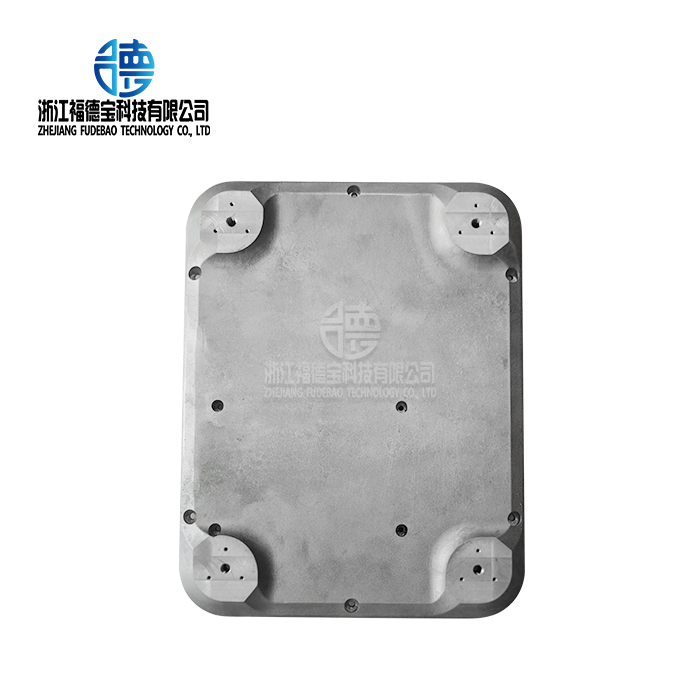
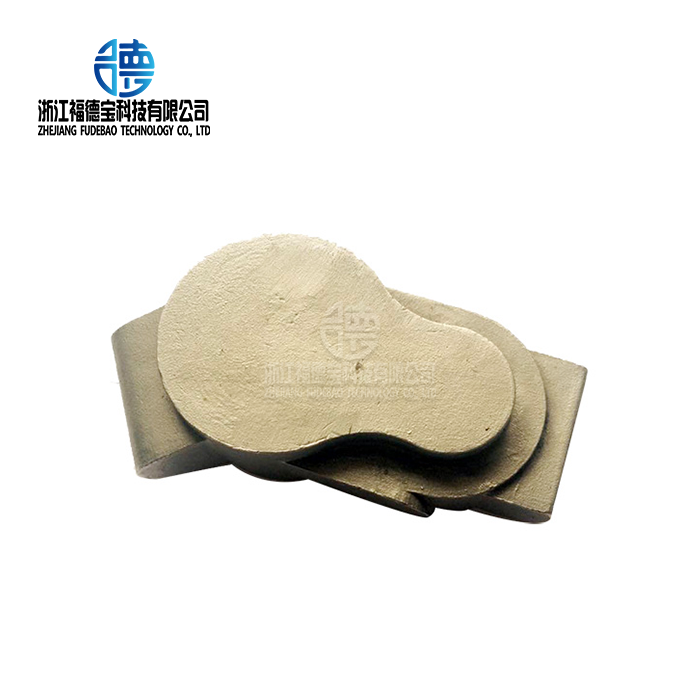
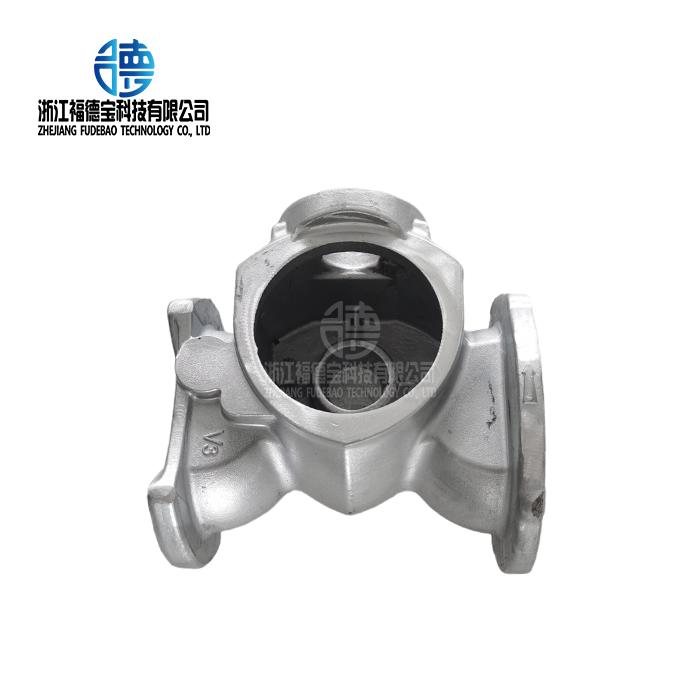
_1756346421748.webp "Aluminum casting telescopic bracket Parts")