
Two basic methods in the production of metal are low pressure casting and high pressure casting, each with unique benefits for various uses. Low pressure casting produces components with superior surface smoothness and dimensional precision by progressively filling molds with very little pressure (usually 0.7–1.5 bar). Die casting, often referred to as high pressure casting, uses a lot of force (150–1000 bar) to quickly inject molten metal into precise molds. Manufacturers may balance quality standards, production volumes, and cost concerns by choosing the best casting technique for automotive components, industrial equipment, and aerospace applications by having a thorough understanding of these processes.

Understanding Low Pressure Casting Fundamentals
Melted metal rises via a filling tube into the mold cavity under regulated pressure in the low pressure casting process, which works on a simple yet efficient premise. By reducing oxidation and turbulence, this gentle filling technique produces better metallurgical qualities. Consistent material flow and solidification patterns are ensured by the low pressure casting machine's exact temperature control throughout the cycle.
Reduced porosity levels, enhanced mechanical qualities, and superior surface quality are among of this method's main benefits. Better degassing is made possible by the regulated filling speed, which gets rid of inclusions and trapped air that might jeopardize component integrity. Aluminum casting at low pressure is very good at creating fine details and complex geometries with thin walls.
For batch production, manufacturing engineers like the flexibility this technique provides. In contrast to gravity casting, low pressure die casting maintains strict tolerances while producing repeatable results across many cycles.The automation capabilities of modern low pressure casting equipment enable consistent quality control and reduced labor costs.
High Pressure Die Casting Explained
One of the most effective techniques for producing precise components in large quantities is high pressure die casting. Molten metal is forced into steel molds at very high speeds throughout the process, which usually completes the filling step in milliseconds. Dense, almost net-shaped pieces with superior dimensional stability are produced by this quick injection.
The method works well in automotive applications where exact tolerances and lightweight materials are essential. High pressure casting produces higher strength-to-weight ratios for engine blocks, transmission housings, and structural brackets. Manufacturers may create intricate interior passageways and features with this procedure that would be difficult to do with conventional production techniques.
Complex monitoring systems are necessary for quality control in high-pressure processes. To avoid flaws, parameters including injection velocity, metal temperature, and die preheating must be carefully regulated. Real-time process monitoring is used in modern facilities to guarantee constant component quality and reduce scrap rates.
Comparative Analysis: Pressure Levels and Process Control
The filling dynamics and pressure application are where these casting techniques fundamentally vary from one another. The usual range of low pressure casting settings is 0.5 to 2.0 bar, which allows mold filling to occur gradually over 30 to 120 seconds. This longer cycle duration reduces casting flaws such shrinkage porosity and encourages directed solidification.
Compared to low pressure casting, high pressure systems function at much greater forces, often surpassing 500 bar during injection. In contrast to slower procedures, the fast filling takes place in 0.1 to 1.0 seconds and produces distinct metallurgical structures. Although this speed boosts output, it need more advanced cooling systems and mold design to control thermal strains.
Software for process simulation has become crucial for improving both approaches. Computational fluid dynamics is used by engineers to improve gate placement, anticipate metal flow patterns, and locate any defects. For novel component designs, these technologies can shorten development times and increase first-article success rates.
Material Considerations and Alloy Selection
Although different compositions are preferred by each casting procedure, aluminum alloys predominate in both. A wider variety of alloys, including heat-treatable grades that benefit from regulated cooling rates, may be cast using low pressure. The delicate filling procedure maintains the tiny microstructures necessary to get the best possible mechanical qualities.
Alloys designed for quick solidification and superior fluidity are often used in high pressure casting. Compositions high in silicon provide excellent surface quality and flow freely through intricate mold geometries. However, for certain alloy systems, the quick cooling may restrict the possibilities for post-casting heat treatment.
Copper alloys and other materials also find applications in both processes, though aluminum remains predominant due to its favorable casting characteristics. The choice of material is determined by particular application needs, such as strength requirements, thermal conductivity, and corrosion resistance. Engineering teams must choose the best casting technique by weighing production factors against material attributes.

Quality Control and Defect Prevention
Maintaining constant pressure profiles and temperature gradients throughout the mold filling cycle is the major goal of low pressure casting quality control. Cold shuts from stopped metal flow and shrinkage porosity in heavy sections are common faults. The design of the low pressure casting cooling system is essential for avoiding these problems by regulating the patterns of solidification.
Flash generation from high pressure and porosity from trapped gases are two of the quality issues that high pressure operations must deal with. If the quick injection is not controlled, it may produce turbulent flow patterns that introduce oxide inclusions. Cutting-edge quality control technologies keep an eye on injection profiles and identify any changes that could point to new issues.
Statistical process control techniques that monitor important parameters throughout time are advantageous for both processes. Trending analysis helps identify gradual changes in equipment performance before they affect part quality. Consistent production capacities across long campaigns are ensured by regular maintenance programs and preventative actions.
Industry Applications and Sector Preferences
For certain component categories, automakers are depending more and more on both casting techniques. Applications for low pressure casting include electrical housings, brake calipers, and suspension parts when longer cycle durations are justified by better mechanical qualities. When it comes to creating safety-critical parts that go through stringent testing procedures, the method shines.
Industrial machinery applications favor the robust characteristics achievable through controlled pressure low pressure casting.The improved material qualities and decreased failure rates are advantageous for gearbox components, compressor parts, and pump housings. The adaptability for medium-volume production fits very well with the needs of producing industrial equipment.
The highest quality requirements are required for aerospace applications, which often call for specific casting techniques and improved inspection systems. Depending on the particular component needs and production numbers, both low and high pressure techniques find use. These methods are appropriate for flight-critical components because they can provide exceptional surface quality and exact tolerances.
Economic Considerations and Production Efficiency
Cost study shows that, depending on manufacturing needs, each procedure has unique benefits. Compared to high pressure systems, low pressure casting equipment usually needs a lesser initial investment, which makes it appealing for smaller production runs. The longer cycle times increase per-piece processing costs but enable superior material utilization rates.
In high-volume applications where tooling costs may be spread out across vast quantities, high pressure die casting provides the best efficiency. Impressive hourly production rates are made possible by the quick cycling, but operational expense is increased by the complexity of setup and maintenance needs. Long-term operating expenses are impacted by the substantial differences in energy consumption patterns between the two strategies.
Tooling considerations play a major role in economic evaluations. Low pressure molds experience less thermal stress and typically achieve longer service lives. For high pressure dies to retain dimensional precision, more complex construction and regular maintenance are needed. These elements have an impact on manufacturing operations' total cost of ownership estimates.
Future Trends and Technological Advancement
Both casting methods continue to advance because of industry change. Artificial intelligence and sophisticated sensors are used in low pressure casting automation to improve process parameters in real time. By predicting ideal parameters for novel component geometries based on historical data, machine learning systems shorten development times and increase first-article success rates.
High pressure systems use advanced monitoring features that identify even the smallest changes in injection patterns. In order to plan maintenance tasks before equipment breakdowns happen, predictive maintenance algorithms examine temperature trends, pressure variations, and vibration patterns. These developments reduce unscheduled downtime and maintain regular manufacturing schedules.
As businesses strive for sustainability, environmental factors are becoming more and more important when choosing technologies. Both procedures keep increasing the rates of material use and energy efficiency.Recycling capabilities and reduced waste generation become important factors in process selection alongside traditional quality and cost considerations.

Conclusion
Both high pressure and low pressure casting have unique benefits that make them appropriate for various production situations. Making well-informed choices that maximize production efficiency, cost, and quality requires an understanding of these distinctions. Where regulated solidification and exceptional material qualities are crucial, low pressure casting works best, whereas high pressure techniques provide the most productivity in big-volume applications. Careful consideration of material selection, process control, and quality management are necessary for both processes to succeed. Both approaches will change as technology develops to satisfy the growing needs for accuracy, productivity, and sustainability in contemporary production settings.
Partner with Fudebao Technology for Expert Low Pressure Casting Solutions
Examining technical prowess, quality control procedures, and industry knowledge is necessary when choosing a low pressure casting firm. Fudebao Technology combines advanced low pressure casting equipment with comprehensive precision machining capabilities to deliver complete solutions from design through finished components. Modern low pressure casting machines and high-speed CNC centers are housed in our facilities, allowing for integrated production processes that maintain strict tolerances throughout the manufacturing process.
Lead times and logistics complexity are decreased while consistent quality control is ensured by the whole "melting-low pressure casting-finishing-surface treatment" capabilities. Skilled engineering teams work with customers to optimize designs for manufacturing, lowering costs without sacrificing performance standards. The automobile industry's criteria are met via PPAP documentation and traceability systems, giving safety-critical applications trust.
Regardless of whether your project calls for high-volume production or prototype development, our adaptable manufacturing strategy meets changing needs while maintaining outstanding quality standards. To find out how our knowledge in low pressure casting might help your next project, send us an email at hank.shen@fdbcasting.com. Let us show you the benefits of working with a reputable manufacturing expert by showcasing our successful track record with global automotive and industrial customers.
References
1. Campbell, J. (2015). "Complete Casting Handbook: Metal Casting Processes, Metallurgy, Techniques and Design." Butterworth-Heinemann, Oxford.
2. Brunhuber, E. (2018). "Foundry Practice: A Complete Guide to Grey Iron, Ductile Iron and Malleable Iron Castings." American Foundry Society, Illinois.
3. Kaufman, J.G. & Rooy, E.L. (2016). "Aluminum Alloy Castings: Properties, Processes, and Applications." ASM International, Ohio.
4. Flemings, M.C. (2017). "Solidification Processing in Foundry Technology: Principles and Applications." McGraw-Hill Education, New York.
5. Zhang, L. & Thomas, B.G. (2019). "Advanced Casting Technologies for Automotive Applications: Low Pressure and High Pressure Processes." Journal of Manufacturing Processes, Volume 45.
6. International Journal of Metalcasting (2020). "Quality Control Methods in Modern Pressure Casting Operations: A Comprehensive Review." American Foundry Society Publication.



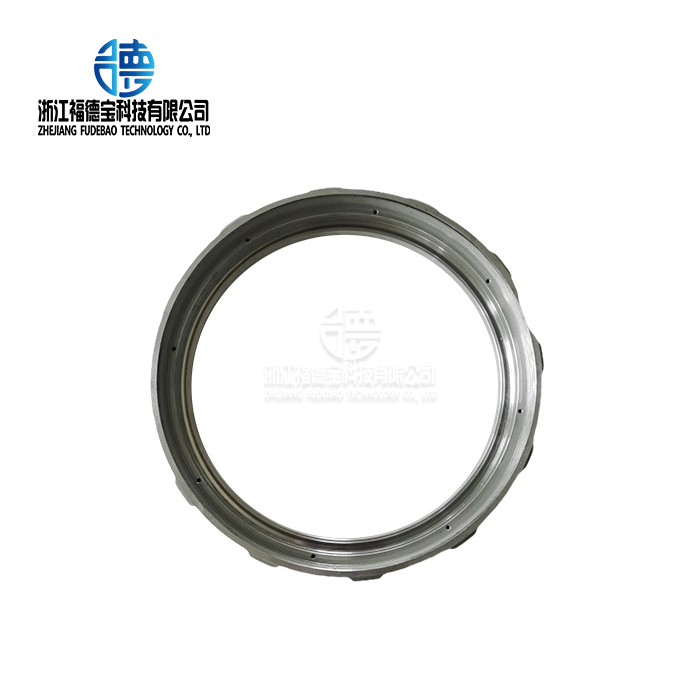
_1756352625880.webp "plug stainless")
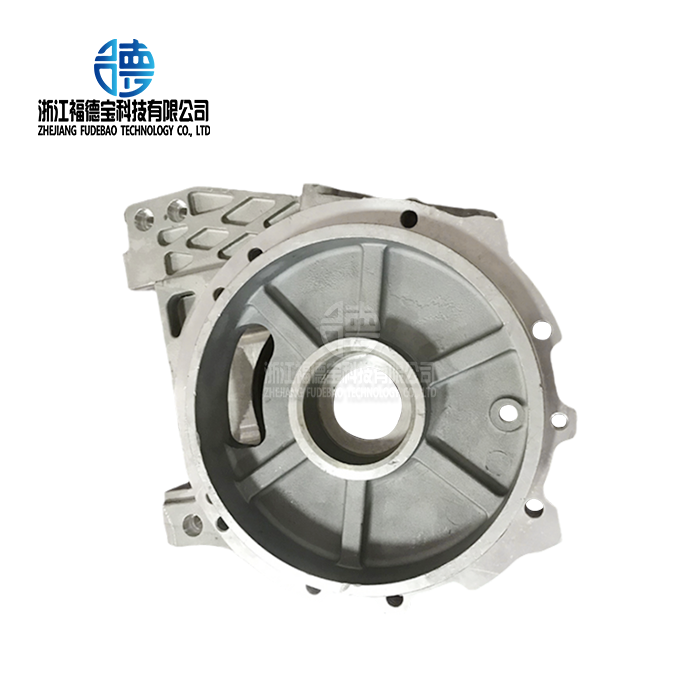
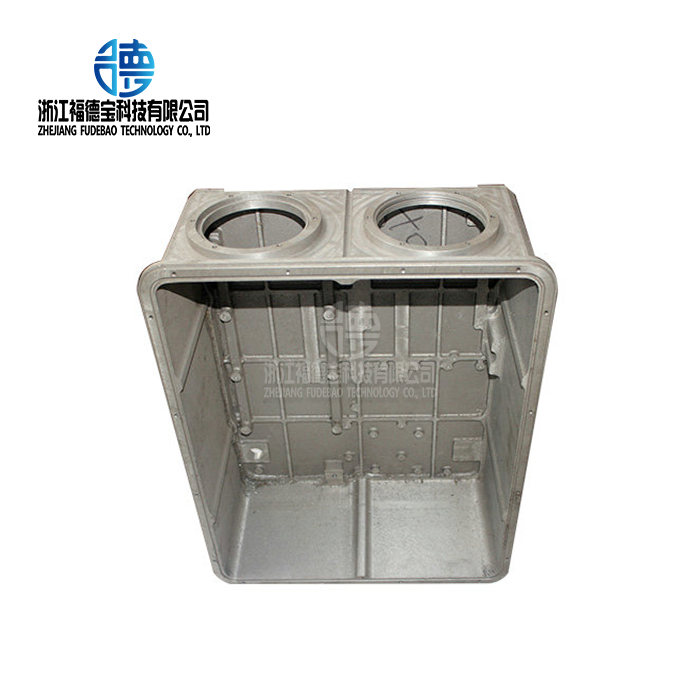
_1756350092126.webp "radiator cover")
_1756349146076.webp "Lawn mower case casting")
_1756346205762.webp "hinge casting")
_1756344684491.webp "Explosion-proof lamp housing aluminum casting")