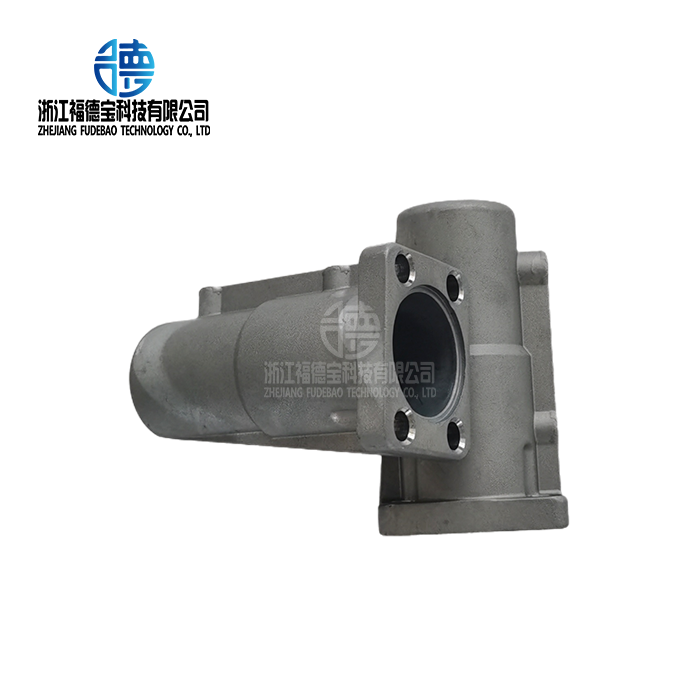
Low Pressure Casting for Complex Hollow Aluminum Parts
2026-03-06
We use controlled pressure forces in low pressure casting, an advanced production process, to make very precise, complex hollow aluminum parts. This advanced method gently presses on liquid metal, making sure that the form is completely filled and reducing the number of flaws that are common with older casting methods. The process is great for making parts that are light, strong, and have accurate measurements. This makes it perfect for uses where reliability and efficiency are very important, like car housings, aerospace components, and industrial equipment.
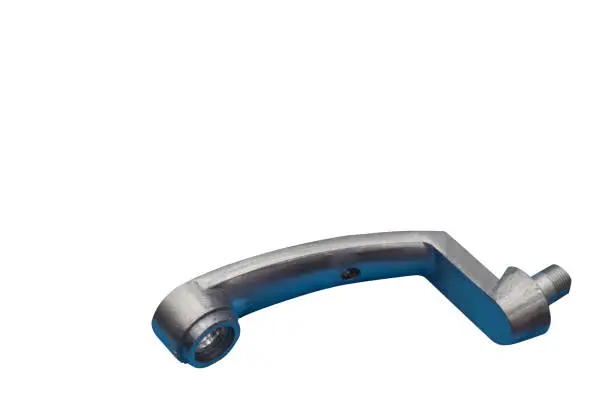
Understanding Low Pressure Casting for Hollow Aluminum Parts
Low pressure aluminum casting is based on a carefully controlled process in which molten aluminum moves up into a mold hole while the pressure is kept steady. In contrast to traditional gravity casting, this method uses precise pressure control to get rid of noise and reduce air trapping, which leads to better part quality.
Process Mechanics and Technical Advantages
In low pressure casting, liquid aluminum flows into the mold through a controlled filling system that keeps the pressure steady during the casting cycle. This method makes sure that the metal flows evenly, which lowers porosity and raises the mechanical qualities of the final parts. This method works especially well for making hollow shapes with complicated shapes inside that need thin walls and complex internal structures.
The pressure used is usually between 0.2 and 1 bar. This gives enough force to fill detailed plastic holes without the violent metal flow that comes with high-pressure methods. This gentle filling method protects the integrity of cast features that aren't very strong and makes it possible to make parts with great surface finishes.
Suitable Aluminum Alloys for Hollow Components
Different types of aluminum metals work very well with low pressure casting methods. The mechanical and fluidity qualities of A356 aluminum alloy are very good, which makes it perfect for uses in aircraft and cars that need high strength-to-weight ratios. A380 has great die-filling properties and doesn't rust, making it perfect for electrical housings and parts used in the energy industry.
The right metal makeup is chosen based on the needs of the application, such as the alloy's heat conductivity, resistance to corrosion, and mechanical strength. When engineers figure out the best alloy standards for their hollow aluminum parts, they have to think about things like working temperatures, exposure to the environment, and stress loading.
Comparing Low Pressure Casting with Other Casting Techniques
There are different casting methods used in modern manufacturing, and each has its own pros and cons when it comes to making complex hollow metal parts. When buying workers understand these differences, they can choose the best production methods for their unique needs.
Performance Analysis Across Casting Methods
Gravity casting uses the pull of gravity to fill mold holes, which means that complicated shapes are often not fully filled and there are more air holes than with controlled pressure methods. High pressure die casting has short cycle times, but it can cause flaws due to turbulence and limits the design options for hollow structures.
Investment casting has a very smooth surface and accurate measurements, but it takes longer to make and costs more for the tools. Vacuum casting gets rid of flaws caused by air, but it requires more complicated tools and costs more to run than regular pressure methods.
Quality and Defect Rate Comparisons
When compared to other methods, low pressure casting always produces better quality ratings. In well-controlled methods, porosity levels usually stay below 2%, which is a lot lower than what you'd get from gravity casting. The managed filling method cuts down on flaws caused by shrinkage and raises the mechanical values by promoting microstructure development.
The light pressure application reduces the formation of turbulence-induced inclusions and gas entrapment, leading to cleaner casts that are more resistant to wear. More reliable parts and longer service lives in tough situations are directly linked to these quality improvements.
Optimizing Design and Production for Low Pressure Casting
A key part of running a good low pressure casting process is optimizing the design well. When engineers make hollow metal parts for this process, they have to think about geometric factors, material flow patterns, and heat management rules very carefully.
Design Considerations for Complex Hollow Geometries
Wall thickness consistency is a key part of getting stable casting quality and reducing flaws. For most uses, the recommended wall thickness is between 3 mm and 10 mm, with smooth changes between widths to avoid stress buildup and shrinkage problems.
Designing a good gate system is very important for successful casting; you need to carefully think about where the runners go, how big the gates should be, and how the airflow should be set up. When gates are set up correctly, they keep metal flowing smoothly and stop noise and air from getting trapped, which could damage parts.
Draft angles between 1-3 degrees make it easy to take parts out of molds while keeping their dimensions correct. At sharp corners, filet curves should be added to help the metal flow and lower stress concentration points in the finished parts.
Quality Control and Process Monitoring
Strict quality control rules make sure that high-quality hollow metal parts are always made. Keeping an eye on the temperature during the whole casting process stops the metal from solidifying too quickly and makes sure it flows properly. Pressure control systems keep the right conditions for filling while stopping cases of too much pressure that could damage mold parts.
Key quality indicators, such as measurement accuracy, porosity levels, and mechanical traits, are tracked by statistical process control methods. Regular review procedures make sure that engineering standards are met and look for ways to make the process better.
Procurement Guide: Choosing the Right Low Pressure Casting Supplier
To find the right industrial partners, you need to look at their technical skills, quality systems, and how reliable their supply chains are. Professionals in procurement have to look at a lot of different factors to make sure that projects go well and partnerships last a long time.
Supplier Evaluation Criteria
Quality licenses are important ways to tell if a supplier is qualified and dedicated to doing a great job. ISO 9001 certification shows that a basic quality management system has been put in place, while industry-specific certifications like TS 16949 for car applications or AS 9100 for aerospace applications show that the company has specific knowledge.
Technical skills include knowing how to use complex tools, helping engineers, and setting up process control systems. Modern low pressure casting tools with automatic process tracking make sure that the quality is always the same and that the results can be repeated. Having engineering support skills lets people work together to improve designs and solve problems at all stages of a project.
Geographic and Logistics Considerations
To optimize the supply chain, you need to carefully think about how location affects wait times, shipping costs, and how well people can communicate. When it comes to response and cultural fit, regional suppliers may be better, while global suppliers may offer lower costs and more specialized skills.
Logistics infrastructure, such as methods for managing inventory, shipping plans, and the ability to package goods, has an effect on the general success of the supply chain. Reliable providers have strong logistics networks that make sure products are delivered on time and are safe during travel.
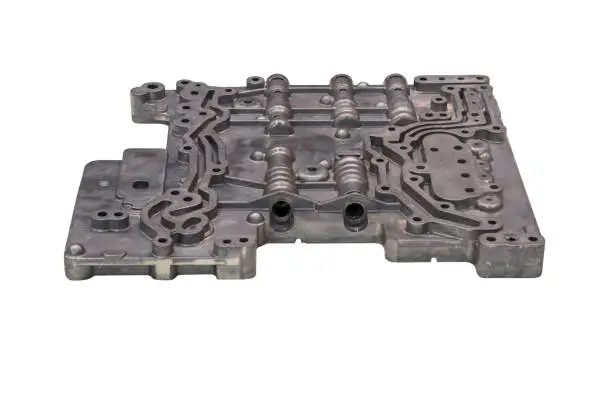
Case Studies and Future Trends in Low Pressure Casting
Applications in the real world show the useful advantages and better performance that can be gained by using low pressure casting. These cases show how companies have used this technology to improve the quality of their products and the speed of their manufacturing processes.
Automotive Industry Success Stories
A big automaker started using low pressure casting to make engine brackets, which cut the weight of the parts by 40% compared to standard steel parts while keeping the same level of strength. The process of casting aluminum got rid of the need for extra cutting, which cut production costs by 25%.
Another use for low pressure casting in the car industry was to make transmission housings. These housings had complex internal cooling ducts that made heat transfer 30% better. The built-in cooling features got rid of the need for different cooling parts and made the building process easier.
Emerging Technologies and Innovation Trends
Advanced modeling software makes it possible to accurately predict how metal will move and react to heat during the casting process. These tools make the design of the gate system better and find possible flaw spots before production starts. This cuts down on development time and raises the success rate of casting.
Adding automation to production routines makes them more efficient and consistent. Robotic handling systems cut down on the need for workers while also making the workplace safer and making production more consistent. Automated quality checking systems give feedback in real time and let process changes be made right away when differences happen.
Environmental sustainability projects lead to the creation of recycling programs and ways to process materials that use less energy. Closed-loop aluminum recycling systems cut down on trash while keeping quality standards high. This helps companies meet their environmental goals and legal obligations.
Conclusion
When it comes to making complex hollow metal parts for a wide range of industrial uses, low pressure casting technology is the best. Compared to traditional casting methods, the controlled pressure method promises better quality while allowing for complex shapes and light designs. To be successful, you need to optimize the plan, choose your suppliers carefully, and put in place strong quality control methods. Companies that want to get better at making things should think about investing in low pressure casting as a smart technology that will help their most important parts work better, weigh less, and be more reliable.
FAQ
What aluminum alloys work best for low pressure casting?
This is because A356 and A380 aluminum alloys work very well in low pressure casting situations. A356 is perfect for car and aerospace parts because it has great mechanical qualities and doesn't rust. The A380 has great fluidity and die-filling properties, making it ideal for hollow shapes with complicated forms that need thin walls and fine details.
How does low pressure casting compare to die casting in terms of defect rates?
The porosity level in low pressure casting is usually less than 2%, which is a lot less than in high pressure die casting. The controlled filling process cuts down on flaws caused by turbulence and gas buildup, which makes the material stronger and less likely to wear down over time. Die casting may have a higher failure rate because the metal moves quickly and air can get trapped.
How long does it usually take to get low pressure cast parts?
Standard wait times for prototype development are 4 to 8 weeks, and for production tooling they are 8 to 12 weeks, based on how complicated the part is and how quickly the seller can make it. Usually, production numbers need two to four weeks after the tools are finished. These times may be longer if the shapes are complicated or if the metal needs to be made in a certain way.
What minimum order quantities should buyers expect?
For first production runs, most suppliers set minimum order numbers between 100 and 500 pieces. For ongoing sales, the minimum quantity is usually 50 to 200 pieces. Volume needs rely on the size and complexity of the part, as well as how long it will take to pay for the tools. Larger amounts usually come with better prices and higher source priority.
Partner with Fudebao Technology for Superior Low Pressure Casting Solutions
Zhejiang Fudebao Technology offers advanced low pressure casting for complicated hollow aluminum parts used in aircraft, automotive, and industry settings. Precision low pressure casting tools and full quality control systems in our state-of-the-art building make sure that the dimensions are accurate to within ±0.05mm. As a reliable low pressure casting maker, we offer full solutions, from improving the design to delivering the finished part. Our expert engineering advice and reliable production skills will help you meet the needs of your project. Get in touch with hank.shen@fdbcasting.com to talk about your unique casting needs and find out how our proven skills can help your supply chain work better.
References
Campbell, John. "Complete Casting Handbook: Metal Casting Processes, Metallurgy, Techniques and Design." Butterworth-Heinemann, 2015.
Dispinar, Derya and Campbell, John. "Critical Assessment of Reduced Pressure Test Part 1: Porosity Phenomena." International Journal of Cast Metals Research, 2004.
Kaufman, J. Gilbert and Rooy, Elwin L. "Aluminum Alloy Castings: Properties, Processes, and Applications." ASM International, 2004.
Tiryakioğlu, Murat. "Statistical Process Control and Quality Improvement in Aluminum Casting." Quality Engineering International, 2008.
Bonollo, Franco and Urban, Jan. "Foundry Technology for Hollow Components: Low Pressure and Gravity Casting Applications." Materials Science Forum, 2005.
Zhang, Lei and Sahoo, Manas. "Low Pressure Casting Process Optimization for Automotive Components." Journal of Manufacturing Science and Engineering, 2007.



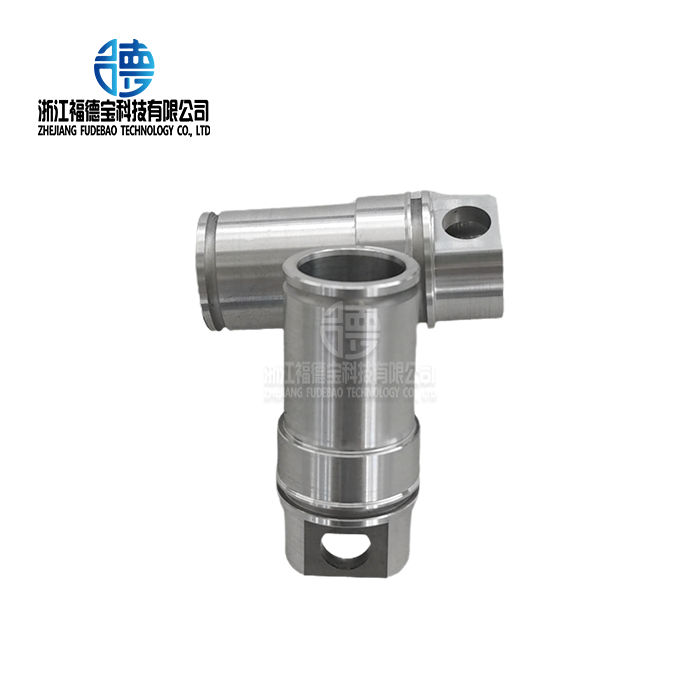
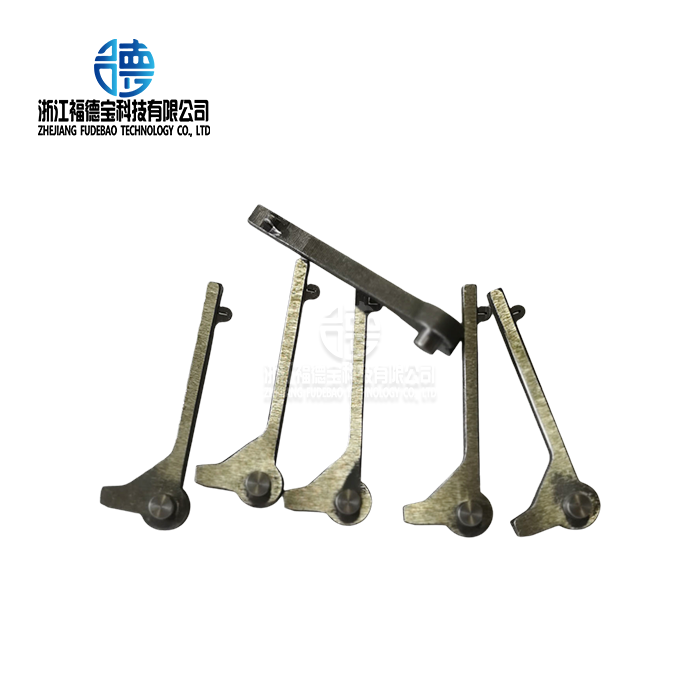
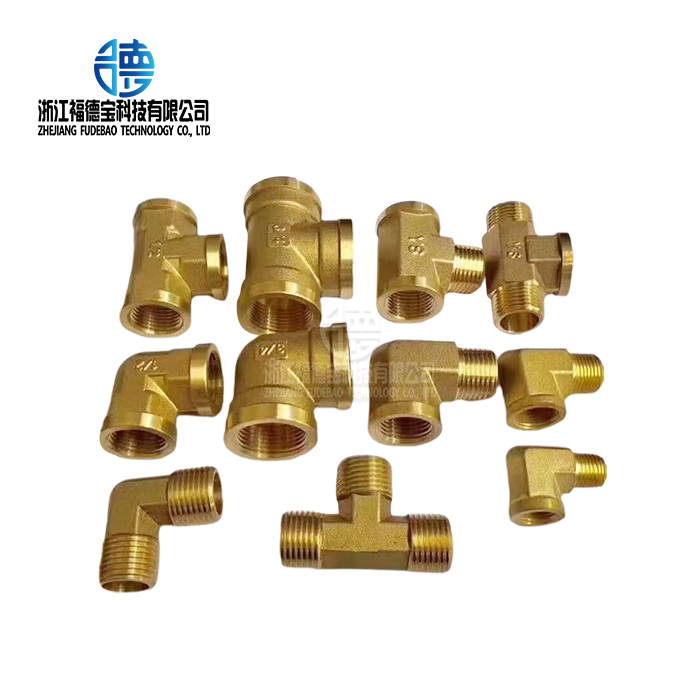
_1756350092126.webp "radiator cover")
_1756350046757.webp "Heat sink aluminum casting")
_1756349957728.webp "metric v belt pulley")
_1756346570305.webp "Bracket aluminum casting")