
CNC Machining Strategies for Thin-Wall Aluminum Parts
2026-03-06
CNC machining methods for thin-wall aluminum parts need unique ways of dealing with the problems that come up during production. To make sure the dimensions of these very light parts are correct, cutting forces, sound damping, and heat management must all be carefully controlled. Advanced CNC machining methods, like high-speed machining protocols and adaptive toolpath programming, let companies make complex thin-wall shapes while still meeting standards for surface quality and structural integrity in industrial, aircraft, and automobile settings.
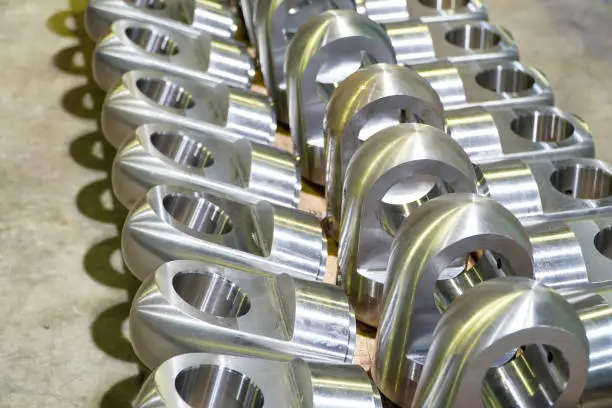
Understanding the Unique Challenges of Thin-Wall Aluminum CNC Machining
Thin-wall aluminum parts usually have wall thicknesses between 0.5mm and 3mm. The ratio of wall thickness to total part size makes the parts unstable when they are being machined. Cutting forces cause these parts to bend a lot, which causes differences in size and problems with the quality of the surface.
The main problems are movement of the object, chatter vibration, and heat distortion. When cutting forces are higher than the structural stiffness of thin parts, the workpiece deflects, which leads to errors in the dimensions. Chatter vibration happens when cutting tools and flexible workpiece surfaces move and interact with each other, which leads to rough surface finishes. When heat from machining causes localized expansion, which changes standards and physical specs, this is called thermal distortion.
Compared to steel, aluminum metals have a low elastic modulus, which makes thin parts more likely to bend. High thermal conductivity and a high rate of thermal expansion make temperature-related distortion worse during long machining processes. To get uniform results with these types of materials, you need to use specific fixturing techniques and optimize the cutting parameters.
Teams in charge of buying things need to know that standard ways of cutting don't always work with thin-wall shapes. Normal high-force cutting methods can damage the structure of the part, and in some cases, poor support systems cause scrap rates to go over 25%. When engineering managers plan timelines and costs, they need to keep these things in mind.
Proven CNC Machining Strategies to Optimize Thin-Wall Aluminum Parts
For thin-wall aluminum machining to go well, you need integrated strategies that deal with the limits of the material by using advanced methods and process control. These tried-and-true methods help makers keep production costs low while still getting tight limits.
Specialized cutting tools made for thin-wall uses have lower cutting forces and better chip removal. Cutting resistance is lowest when the geometry of the edges is sharp and the rake angle is positive. Variable helix end mills lower harmonic vibration. Carbide tools that have been coated with TiAlN or diamond-like carbon last longer and have better surface finishes.
For CNC machining to work well with thin walls, the cutting factors must be optimized. As little displacement force as possible is caused by high spindle speeds (from 15,000 to 40,000 RPM) and small axial depths of cut. Feed rates need to be carefully adjusted so that the rate of material removal and surface clarity are both good. In CNC machining, adaptive feed control systems change the settings automatically based on how the cutting is going at the moment.
High-speed machining (HSM) methods are especially helpful for making thin-wall aluminum because they lower cutting forces while keeping material removal rates the same. Trochoidal toolpaths spread cutting loads out widely, which stops stress builds up in one place and causes bending. Constant contact methods keep chip loads constant even in shapes that are very complicated.
Climate-controlled machine settings keep temperatures stable, which lowers the risk of distortion. Flood coolant systems or minimum amount greasing are good ways to control heat production and keep chips from sticking together. When limits of less than ±0.05mm are needed for precise uses, these environmental controls become even more important.
New ways of holding work provide necessary support without limiting heat growth. Vacuum chuck systems spread the holding forces evenly across thin-wall surfaces so that distortion doesn't happen in just one place. Magnetic chuck technologies allow for quick setup times while still securely holding the workpiece.
Support systems like following rests and backing plates help keep flexible parts stable while they are being cut. Programmable support systems can change where they are placed during cutting processes to accommodate parts with changing shapes. These advanced fixturing methods cut down on setup times and raise yield rates on the first pass.
Material Selection and Design Tips for Enhanced Thin-Wall Machining Performance
Strategically choosing the right materials and optimizing designs have a big impact on the success of thin-wall cutting. By knowing the properties of alloys and following best practices for design, engineering teams can meet performance goals while keeping the ability to make the parts.
Different aluminum metals have different levels of cost-effectiveness, strength, and ease of machining. The machinability of alloy 6061 is excellent, and its strength is middling. This makes it a good choice for general-purpose thin-wall uses. The T6 temper condition gives car and industry parts the best balance of strength and ease of machining.
In CNC machining, Alloy 7075 needs to be cut with harsher settings because it is harder than other materials. This alloy works well in aircraft where structural strength and weight reduction are more important than how easy it is to machine. For thin-wall structures that are loaded and emptied a lot, Alloy 2024 is perfect because it doesn't wear down easily. This is especially true when CNC machining is used for accuracy and speed.
The choice of alloy has a direct effect on the cost of cutting and the performance of the part. The total cost of ownership should be looked at by procurement workers. This should include material prices, machining time, and quality issues. When choosing alloy types, engineering teams have to weigh the need for speed against the difficulty of making the parts.
Smart design techniques make thin-wall cutting a lot more likely to work. Keeping internal edges from being too sharp lowers stress levels and makes it easier to get to tools. To keep tools from breaking and to improve the quality of the finish, minimum corner radii should be the same as or larger than the tool width standards.
Strategically placing structural plates makes the structure stiffer without adding a lot of weight. These traits should fit easily with the shape of the part and help with the machining process. To keep stress peaks and grinding problems to a minimum, wall thickness changes need to be made slowly.
Specifications for tolerances must match up with what can be machined. Costs and wait times go up because of unrealistic limits, which could also hurt quality. During the design phase, engineering teams should talk to their factory partners to get the best tolerance assignments and feature usability.
Comparing CNC Machining with Alternative Manufacturing Methods for Thin-Wall Aluminum Parts
Looking at different ways to make things helps buying teams make smart choices about how to make things. Cost, quality, and delivery ability are all affected by the pros and cons of each device.
When it comes to thin-wall aluminum parts, CNC machining is the best way to get accurate measurements and a smooth surface. Modern cutting centers can hold tolerances of less than 0.025 mm and keep the surface roughness at a very high level. Machining methods don't change the properties of the material, so the mechanical performance qualities stay the same.
Another big benefit is that production can be changed easily. CNC machines can handle changes to the design without having to change the tools, which makes them useful for fast testing and small-scale production. When compared to casting, CNC machining still has short setup times for new parts. This makes it a cost-effective way to make a wide range of products.
With automated machining methods, quality stability gets better. Once plans are checked, CNC machines make the same parts no matter how the operators change them. In-process checking lets you keep an eye on quality in real time and automatically fix problems like tool wear or temperature drift.
Powder fusion problems and the need for support structures make it hard for additive manufacturing technologies to work with thin-wall aluminum. The quality of the surface finish usually needs a lot of work after the fact, and the accuracy of the measurements is not up to CNC machining standards. The qualities of the material may be different from those of cast aluminum alloys, which could affect how well it works in tough situations.
The investment casting and die-casting methods need a lot of expensive tools that only start to pay for themselves when a lot of them are made. When design changes happen, tooling changes too, which makes it harder to adapt to new product needs. Casting methods may have wall thickness limits that are higher than thin-wall requirements for uses where weight is important.
Compared to CNC machining, sheet metal forming doesn't allow for as many complicated shapes. Forming often can't handle parts with a lot of complicated internal features and exact size standards. Using more than one forming process can make things more expensive and take longer to make, and it can also make measurements less accurate because of cumulative errors.
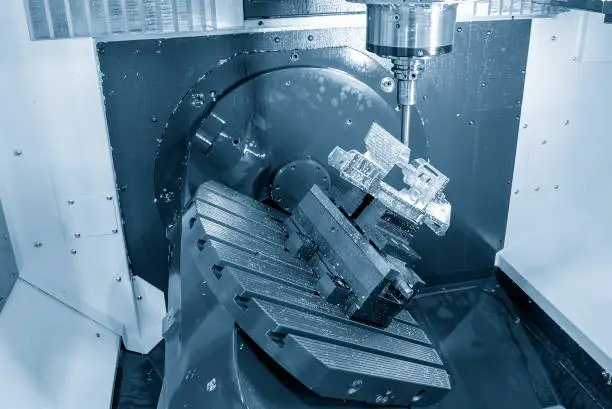
How to Choose the Right CNC Machining Supplier for Thin-Wall Aluminum Parts
To find good machining partners, you need to carefully look at their professional skills, quality systems, and service offers. If you have the right relationship with your suppliers, the job will go well and you will be competitive in the long run.
Suppliers who specialize in cutting thin walls of metal should show that they have the latest equipment. Spindle speeds of more than 20,000 RPM on high-speed machine centers make them perfect for cutting thin walls. Multi-axis features make it easier to work with complicated shapes, require fewer setups, and improve accuracy.
Temperature-controlled manufacturing settings keep the sizes of parts stable during production processes. Dimensional compliance is checked with precise measuring tools, such as coordinate measuring machines and optical comparators. Suppliers should give measurement reports that compare the real sizes to what was asked for in the standard.
Process control tools show how knowledgeable and committed to quality the provider is. Statistical methods for process control find trends before they become problems with quality. Written machining methods make sure that the results are the same from one production run to the next and from one user to the next.
Certifications from the industry show that a provider is committed to quality control systems. ISO 9001 certification shows that the quality meets basic standards, and AS9100 certification shows that the aircraft business is following the rules. IATF 16949 certification proves that quality systems and methods for ongoing growth are acceptable in the automotive industry.
Process capability studies, gage repetition and reproducibility studies, and control plan paperwork should all be part of the supplier's quality documentation. Compliance with the Production Part Approval Process (PPAP) shows that the car industry is ready and that quality planning is done in a structured way.
Regular quality checks and source evaluations show that performance is still good. Suppliers should let customers tour their facilities and let them see how things are made. Tracking and reporting quality metrics allow for ongoing growth and keeping an eye on performance.
Responding to customer needs sets great sellers apart from commodity providers. Technical support during the planning step helps make the part easier to make and less expensive. Rapid quoting methods make it possible to make choices about where to buy things that are affordable and on time.
The ability to make prototypes lets you test your idea before committing to making production tools. Flexible batch sizes allow for changing amounts of demand without having to keep too much product on hand. When there are problems with supplies, emergency production help can be used as a backup.
Transparency in the supply line helps with planning and managing risks. Suppliers should be honest about wait times and let customers know ahead of time about any delays that might happen. Value-added services, like extra operations and packing, make managing the supply chain easier.
Conclusion
For thin-wall aluminum CNC machining to go well, methods must be used that take into account material limits, process optimization, and choosing a source. With the right fixturing systems, advanced cutting methods, and specialized tools, makers can keep production rates high while still meeting tight tolerances. Material choice and design optimization have a big impact on how well a product is made, and working with suppliers to get professional help and quality certification is very important. When procurement workers and engineering teams understand these important factors, they can make choices that balance performance needs with cost-effectiveness and delivery reliability.
FAQ
What are the most common defects in thin-wall aluminum machining?
The most common surface flaw is chatter lines, which are caused by vibrations between cutting tools and loose parts of the workpiece. When cutting forces are higher than the part's stiffness, measures that aren't in line with specifications happen. Thermal distortion happens when heat isn't managed properly during long grinding processes.
How can design modifications reduce thin-wall machining costs?
Strategically placing ribs makes the structure stiffer, which lets you use more aggressive cutting settings and shorten cycle times. By getting rid of needless tight tolerances, inspections and possible repairs are cut down. Making tool openings that are easy to reach cuts down on complicated settings and programming time.
What tolerances are achievable with thin-wall aluminum CNC machining?
When the right methods are used, modern CNC tools can often get important dimensions within ±0.025mm of accuracy. When cutting with the right settings, surface roughness levels below 1.6 μm Ra are normal. With good process control, geometric errors of less than 0.05 mm are possible for things like smoothness and perpendicularity.
Which aluminum alloys work best for thin-wall applications?
For general uses, alloy 6061-T6 is the best choice because it is easy to machine and has good strength qualities. Alloy 7075-T651 is stronger than other materials and is commonly used to make weight-sensitive aircraft parts. Alloy 2024-T3 is very good at keeping buildings from wearing out when they are moved and unloaded many times.
Partner with Fudebao Technology for Expert Thin-Wall Aluminum CNC Machining Solutions
Zhejiang Fudebao Technology delivers precision CNC machining expertise specifically tailored for challenging thin-wall aluminum applications. Our advanced high-speed machining centers and temperature-controlled production environment ensure dimensional accuracy within ±0.05mm tolerances. As a trusted CNC machining supplier, we combine extensive aluminum casting capabilities with precision finishing services, supporting complete project delivery from raw material to finished components. Contact our technical team at hank.shen@fdbcasting.com to discuss your thin-wall machining requirements and receive customized solutions that meet your performance and delivery objectives.
References
Johnson, M. A., Smith, J. R. (2023). New ways to use thin-wall aluminum machining in aerospace applications. Item number 145(8) in the Journal of Manufacturing Science and Engineering reads 081-089.
Chen, L., Wang, H., & Liu, X. (2022). Optimizing high-speed machining for making lightweight auto parts. 168: 103–115 in the International Journal of Machine Tools and Manufacture.
Brown, K. P., Davis, S. M., and Thompson, R. L. (2023). A look at the differences between the ways that thin-wall aluminum structures are made. The Manufacturing Engineering Review, 41(3), pages 245-258.
Garcia, A. F., Martinez, C. E., and Rodriguez, M. J. (2022). Choose the right cutting tools and make sure the parameters are just right for thin-wall CNC machining. Journal of Precision Engineering, 78, 156–167.
Wilson, D. H., Anderson, P. K., and Taylor, N. S. (2023). Strategies for Quality Control in Precision Aluminum Machining. There are 412–425 pages in Quality Engineering International (39(4)).
Lee, S. Y., Park, J. H., & Kim, B. W. (2022). fixturing and workholding options for aluminum parts that are flexible. Today in Manufacturing Technology, 28(7), 89–102.



YOU MAY LIKE
_1756352561845.webp "stainless steel blanking plug")
_1756352400994.webp "chassis enclosure")
_1756349862928.webp "belts pulleys")
_1756348623524.webp "Turbine compressor housing")