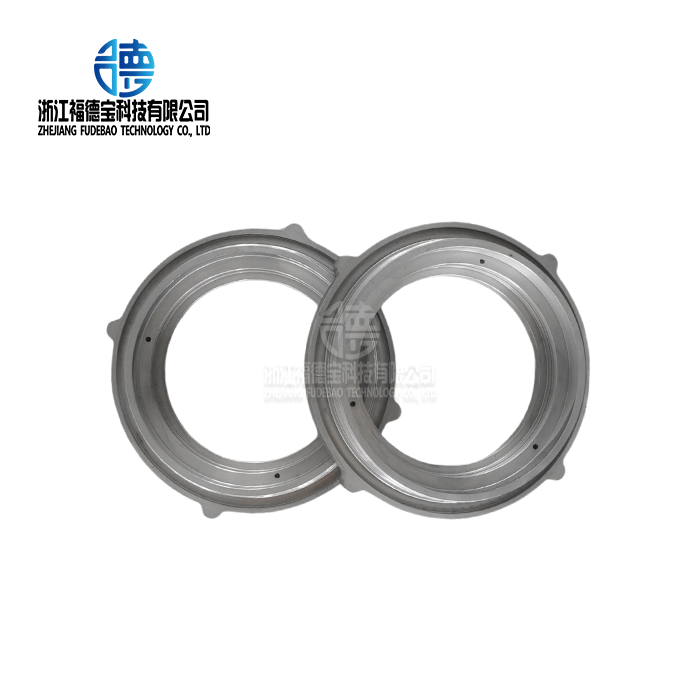
Sand Casting Design Guidelines for Steel and Iron Parts
2026-03-18
The sand casting design rules for steel and iron parts include important factors that have a direct effect on the success of the manufacturing process and the performance of the parts. For this tried-and-true way of making things to work perfectly, you need to pay close attention to the casting sand you choose, the shape you make, and how you prepare the mold. The sand casting method is very flexible and can make complex shapes out of steel and iron alloys. This makes it an essential tool for businesses that need long-lasting, low-cost parts with reliable mechanical qualities.
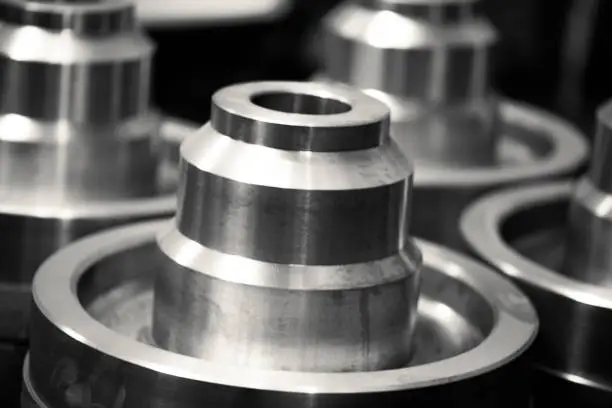
Understanding the Sand Casting Process for Steel and Iron Parts
Many different businesses use sand casting, which is one of the most flexible and common ways to make steel and iron parts. The first step is to make models that look like the end part that is wanted. Next, molds are made using foundry-specific sand mixtures.
Pattern Making and Mold Preparation
The first step in the foundry sand casting process is making a mold, which will be used as a guide to make the final part. When materials cool, engineers have to take shrinkage rates into account. For example, steel shrinks by 2 to 3 percent and cast iron shrinks by 1 to 2 percent. Pattern makers include these shrinkage factors in their plans to make sure that the end parts are the right size.
The choice of foundry sand is very important for choosing the quality of the casting. Silica sand is still the most popular choice because it is easy to find and doesn't cost much. However, olivine sand is better at withstanding high temperatures. Zircon sand is great for precision casts that need to be very accurate because it keeps its shape very well.
Metal Pouring and Solidification Control
To avoid casting flaws, the filling method needs precise temperature control. Cast iron can be poured at temperatures between 2400 and 2600°F, while steel needs temperatures between 2700 and 2900°F. Using the right gate systems will keep the metal flowing smoothly and reduce the turbulence that can cause inclusions or gas holes to form.
The rate at which steel and iron casts cool has a big effect on their microstructure and mechanical qualities. Controlled solidification with the right mold design helps get a regular grain structure and lowers internal stresses that could cause cracks or changes in size.
Design Principles for Effective Sand Casting of Steel and Iron Parts
Effective design principles are the basis of a successful foundry, and they have a direct effect on the quality of the sand castings, the speed of production, and the general cost-effectiveness of the business. Engineers can make parts that meet performance standards and can still be made if they understand these concepts.
Wall Thickness and Section Design
Different cooling rates can cause bending or internal stresses, but walls that are all the same thickness stop this from happening. Wall thicknesses should be between 3 and 6 mm for small parts and 15 to 25 mm for bigger structure parts. Gradual changes between parts help keep the cooling rates the same all the way through the casting.
Draft angles make it easier to take the pattern out of the mold without hurting the sand hole. Draft angles usually fall between 1 and 3 degrees, but this depends on the depth and complexity of the casting. For clean pattern extraction, bigger draft angles are needed for deeper holes.
Fillet Radii and Corner Design
When you cool something down or put it to use, sharp corners can cause stress to build up and cause it to crack. Fillet radii should be at least half the thickness of the wall, and bigger radii are better for parts that are under a lot of stress. Because of how stress concentrates, internal corners usually need bigger edges than external corners.
When going from one part width to another, it's important to be careful not to get hot spots that can cause shrinkage porosity. Gradual tapers and large border radii help spread the loads of cooling and make the casting more stable overall.
Gating and Riser System Design
The right design of the gate system makes sure that the metal flows cleanly and that it gets enough food while it solidifies. Bottom gating is a good way to reduce noise in steel casts, while side gating might work for simpler iron parts. When placing risers, solidification patterns must be taken into account to avoid problems caused by shrinking in important areas.
To keep the best flow properties, the link between the cross-sectional areas of the sprue, runner, and gate is based on set ratios. For most steel and iron castings, the ratios of sprue to runner to gate area are 4:3:2. However, changes may need to be made depending on the design needs.
Comparing Sand Casting with Other Casting Methods for Steel and Iron
What are the pros and cons of the different casting processes? This information helps procurement teams choose the best manufacturing methods for their needs and output numbers.
Production Volume Considerations
Sand casting works best for small to medium-sized production runs, like making one sample or a few thousand units a year. Because the prices of the tools aren't too high, it's a good way to make small batches of things when die casting or fixed mold methods would be too expensive.
Die casting is better for accuracy in measurements and surface finish, but it can only be used with metals with lower melting points and needs a big investment in steel tools up front. Investment casting gives a smooth surface and accurate measurements for complicated shapes, but it costs more per piece, so it might not be the best choice for bigger parts.
Mechanical Properties and Material Selection
The mechanical qualities of sand-cast steel and iron parts are often better than those made with other casting methods. This is because the parts cool more slowly, which creates better microstructures. A lot of different alloys can be used in this way, even high-strength steels and unique irons that can't be used in other casting methods.
When it comes to aluminum alloys, permanent mold casting can make thinner grain structures, but it can't handle the high melting temperatures needed for steel and iron. The sand casting method is still the best choice for these materials because it can handle high temperatures and is inexpensive.
Procurement Insights: Selecting Quality Sand Casting Materials and Services
To buy foundry supplies and services successfully, you need to know the quality indicators, supplier capabilities, and industry standards that guarantee consistent results and reliable delivery performance.
Foundry Sand and Binder Selection
There are certain requirements for the grain size distribution, clay content, and wetness levels of good casting sand. For steel molds, the AFS grain fineness numbers are usually between 50 and 70. Finer sands give better surface finish but need to be handled more carefully to avoid flaws.
Binder methods have a big effect on the strength and security of the mold's dimensions. For many uses, clay-bonded green sand is still the most cost-effective option. On the other hand, resin-bonded sands are more accurate in terms of size and have fewer problems caused by gas. Clays that are made of sodium bentonite are flexible and strong when dry, but calcium bentonite is better at keeping water out.
Equipment and Technology Assessment
Modern foundries use high-tech tools to make sure that the quality is always the same and that production goes smoothly. Induction melting furnaces allow precise temperature control and management of alloy makeup, while automatic molding tools offer mold density and size accuracy that can be repeated.
Quality control tools, such as spectrometers for checking the purity of alloys, sand testing equipment for checking the properties of molds, and dimensional inspection tools, show that a provider is dedicated to providing uniform quality. Foundries that are ISO 9001 certified and have approvals from specific industries give you even more peace of mind about quality management and process control.
Supplier Evaluation Criteria
When looking at possible sand casting providers, you need to look at their technical skills, quality control methods, and production capacity. Some important factors are the melting capacity, the ability to make patterns, the cutting services, and the surface treatment choices. Suppliers that offer all-in-one services, from designing patterns to finishing the work, can make supply lines more efficient and improve delivery times.
Where something is located affects how much it costs to ship and how long it takes to get there, especially for big or heavy casts. Regional providers may be more quick and offer better technical support, while specialized foundries may have unique skills that make the extra logistics work worth it.
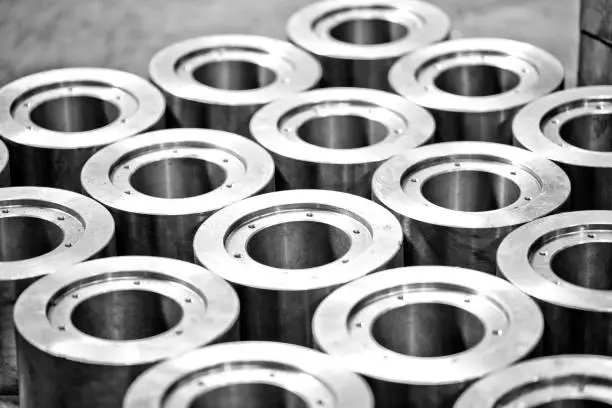
Troubleshooting and Optimizing Sand Casting Performance
For foundries to keep getting better, they need to find and fix common casting flaws in a planned way, while also finding the best way to run their processes so they work better and cost less.
Common Defect Analysis and Prevention
Porosity is still one of the most common casting flaws. It's usually caused by trapped gases, poor venting, or sand that doesn't let enough air through. Some solutions are to find the best amounts of sand and glue, make sure molds can breathe better, and change the way they're poured to reduce turbulence.
Poor sand quality or poor mold preparation can lead to surface flaws like sand particles or rough finishes. Testing and refilling the sand on a regular basis helps keep the properties uniform, and handling the mold correctly keeps the surface from getting damaged, which can then be transferred to the casting.
Process Optimization Strategies
Managing the temperature during the casting process has a big effect on the quality of the finished product. Monitoring with a pyrometer makes sure that the filling temperature stays the same, and thermocouples in the mold can check the rate of cooling and the time at which the solidifies. Data logging tools help find patterns and make process settings better over time.
Maintenance on the sand system affects the quality of the casting and how well the production runs. Testing the properties of sand on a regular basis, such as its moisture content, clay content, and permeability, helps keep mold traits constant. When compared to mixing by hand, automated sand preparation systems make things more consistent and less likely to vary.
Quality Control Implementation
Statistical process control methods help find patterns before they lead to flaws in the casting. Key factors like sand properties, pouring temperatures, and physical measures can be tracked on control charts. These charts give early warning of process drift.
Dimensional checking with coordinate measuring tools or laser scanning gives a thorough check of the correctness of the casting. Patterns should be checked often to make sure they stay the same size over many production runs and to find any damage or wear that might affect the quality of the casting.
Conclusion
The process of sand casting is still used to make many important steel and iron parts used in many different industries. These directions stress how important it is to follow the right design rules, choose the right materials, and keep an eye on the process to make sure that casting operations go smoothly. When engineering teams and procurement workers understand these factors, they can make decisions that improve both the performance of parts and the speed of production. Paying close attention to the little things is important at every step of the casting process, from the initial design to the final review and delivery.
FAQ
What advantages does sand casting offer for steel and iron parts?
It is very easy to make complicated shapes with sand casting, which can also handle the high melting temperatures needed for steel and iron metals. The process makes it cheap to make small to medium amounts of something without needing expensive fixed tools. In addition, the slower cooling rates that can be achieved with sand molds often lead to better microstructures and better tensile qualities than other casting methods.
How do I select appropriate foundry sand for my steel casting application?
The choice of foundry sand relies on a number of things, such as the size, complexity, and finish needed of the casting. Silica sand is easy to find and doesn't cost much, so it works well for most uses. Olivine or zircon sands may be worth the extra money if they are used in high-temperature situations or if they make things more stable in terms of size. Think about the spread of grain sizes. For steel molds, AFS numbers between 50 and 70 are common.
What design features should I avoid to prevent casting defects?
Do not use sharp corners or sudden changes in sections, as they can cause stress buildup and cooling issues. Keep the thickness of the walls the same as much as possible, and use large border edges where they meet. Remove any heavy parts that are stuck together and can't be properly fed during solidification. Also, make sure there are enough draft angles to remove the pattern. Cracks, porosity, and physical problems are much less likely to happen when these design factors are taken into account.
Partner with Fudebao Technology for Superior Sand Casting Solutions
Zhejiang Fudebao Technology is ready to help you with your production needs with its precision machining and full casting services. Our facility uses both traditional sand casting skills and modern CNC machining tools to make sure that the final parts are accurate to within ±0.05mm. Our experienced engineering team is here to help you with technical issues during the whole design and production process, whether you need a sample or a lot of products for mass production. Email our sand casting experts at hank.shen@fdbcasting.com to talk about your unique needs and find out how our approach to integrated production can improve the performance of your supply chain.
References
Campbell, John. "Complete Casting Handbook: Metal Casting Processes, Techniques and Design." Butterworth-Heinemann Publishers, 2015.
Brown, John R. "Foseco Foundryman's Handbook: Facts, Figures and Formulae." Butterworth-Heinemann, 11th Edition, 2000.
Stefanescu, Doru M. "Science and Engineering of Casting Solidification." Springer International Publishing, 3rd Edition, 2015.
American Foundry Society. "Casting Design and Performance Guidelines for Steel Foundries." AFS Technical Publications, 2018.
Beeley, Peter R. "Foundry Technology: A Source Book of Information on Metal Casting." Butterworth-Heinemann, 2nd Edition, 2001.
ASM International Handbook Committee. "ASM Handbook Volume 15: Casting Processes and Technologies." ASM International Materials Information Society, 2008.



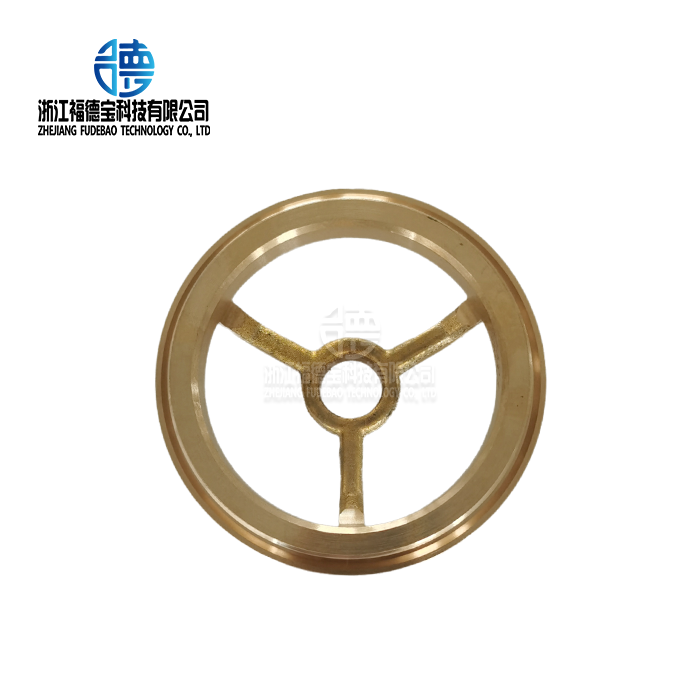
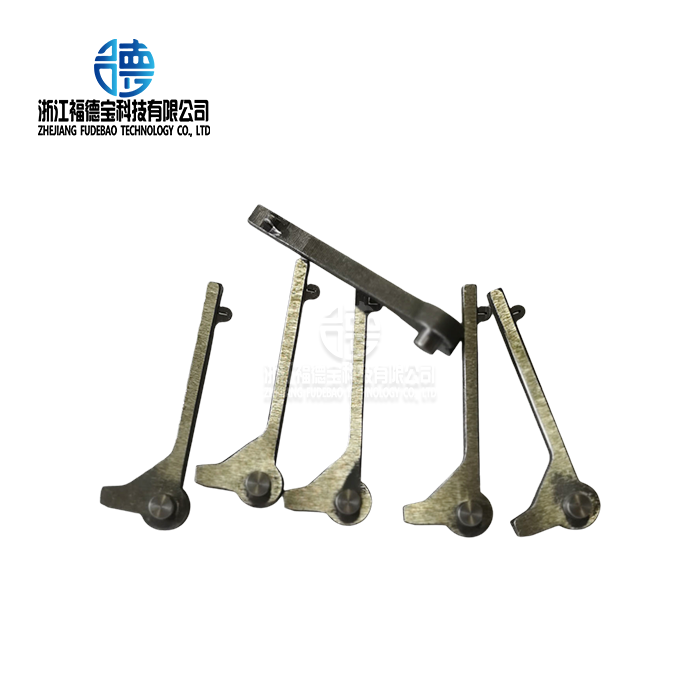
_1756349146076.webp "Lawn mower case casting")