
How to Source High-Quality Copper Casting Components from China
2026-06-16
Getting high-quality copper casting parts from China needs a plan that strikes a mix between cutting costs and making sure the parts are made correctly. Due to their high heat conductivity, corrosion resistance, and mechanical strength, copper alloy castings like brasses, bronzes, and cupronickels are important for use in aircraft, industrial gear, electrical systems, and car parts. Chinese foundries have made a lot of progress in their metalworking skills and now offer a wide range of casting methods, from sand casting to investment casting. Understanding manufacturing standards, carefully screening sources, and setting clear quality standards that are in line with international standards like ASTM B584 and EN 1982 are all important parts of successful procurement.
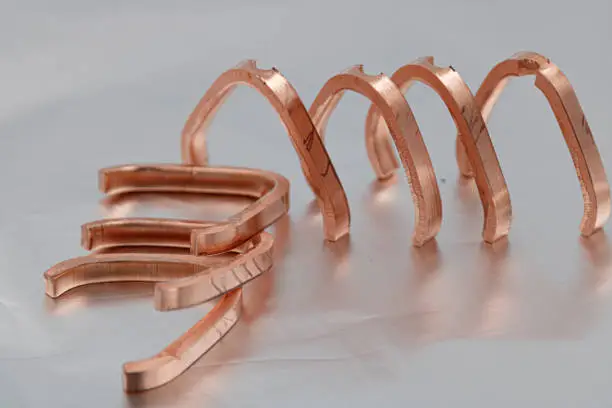
Understanding Copper Casting and Its Manufacturing Landscape
Core Casting Processes in Chinese Foundries
Chinese producers use a number of different copper alloy casting methods, each of which is best for a different type of part and a different amount of production. Sand casting is still the most flexible method because it can handle large batches and complicated internal spaces, making it perfect for making valve bodies, pump housings, and parts for heavy machinery. For this method, disposable sand models are glued together with plastic or clay. This lets the designer be flexible with the design while still keeping the dimensions fairly accurate.
Investment casting, which is also called lost-wax casting, has a better surface finish and better tolerances, which makes it better for making complex electrical links, motor parts, and small to medium-sized aircraft parts. To do this, a wax design is made, ceramic slurry is spread over it, and then the wax is melted away to leave a precise mold hole. When liquid metal is spun at high G-forces in centrifugal casting, dense cylindrical parts with few holes are made, such as bushings and cylinder walls.
Material Selection and Alloy Specifications
Knowing the different types of copper alloys helps buyers choose the right materials. Aluminum bronze, which has 5–11% aluminum, is very strong and doesn't rust in salt water, so it's used for marine propellers and other tools used overseas. Tin bronze is a great material for bearings because it can handle heavy loads on gears and bushings. Leaded bronzes are easier to work with, but they can't be used in some places. Bismuth-Bronze and Selenium-Brass alloys are acceptable options that meet NSF/ANSI 61 standards for touch with potable water.
Cupronickel metals are very important for heat exchangers and desalination plants because they don't get biofouling or chlorine attack. Each metal has a different tensile strength, ranging from 220 MPa for red brass to over 750 MPa for manganese bronze. Buyers must match the features of the material with the stress levels of the application and the conditions of its exposure to the environment.
Quality Parameters and Defect Management
The most common flaw in casting is porosity, which is caused by air getting stuck during solidification. Reputable Chinese foundries keep hydrogen porosity in check by using tight melting methods, degassing with nitrogen or argon, and adding phosphor copper deoxidizers. Directional solidification gating systems make sure that the liquid metal moves correctly, which stops holes from forming during shrinkage.
The accuracy of the dimensions relies on how well the pattern is designed and how much room is left for machining after copper casting. This space usually ranges from 1.5 mm to 6 mm, based on the part size and the method. The quality of the surface finish depends on the casting method. For example, investment casting can achieve Ra 3.2μm as-cast, but sand casting needs to be machined to get the same level of smoothness. By knowing these basic skills, you can avoid making false requirements that drive up costs for no reason.
Challenges in Sourcing High-Quality Copper Castings from China
Navigating Quality Variability Across Suppliers
There are thousands of foundries in China, and their skills are very different from one another. Smaller workshops might not have spectrographic instruments to check the make-up of the alloy, but more advanced facilities use X-ray fluorescence tools and test the metal's strength according to international standards. When buyers can't directly check out facilities, this difference causes procurement risk.
Any differences in the surface finish or dimensions are usually caused by poor process controls, not by cutting corners on purpose. It is hard for foundries that don't have statistical process control systems to keep consistency from batch to batch. This is especially a problem for car tier-1 suppliers that need PPAP paperwork and aerospace clients that want full traceability.
Compliance and Certification Requirements
Export rules for metal casts include customs classification based on HS codes, and different countries have different paperwork needs. Buyers need to make sure that providers know how to comply with REACH for European markets and RoHS rules about lead content. Environmental standards like ISO 14001 show that trash is managed responsibly, which is becoming more and more important for businesses that have to be sustainable in their supply chains.
Third-party material certificates from recognized labs provide an independent check of the material's chemistry make-up and mechanical features. Suppliers with a good reputation will gladly give you mill test results and help with customer witness testing. Resistance to openness during this part of proof is a sign that there might be problems with the quality.
Proven Principles for Selecting the Right Copper Casting Supplier in China
Defining Technical Requirements with Precision
Specifications that are clear get rid of the uncertainty that leads to quality disagreements. Technical designs should have GD&T callouts, standards for the surface finish (Ra values), and key measurements with reasonable tolerances. Buyers should use foreign standards (ASTM, EN, or GB equivalents) to define alloy grades instead of vague terms like "high-strength bronze."
The expected batch size affects the choice of method. For complex geometries, investment casting becomes cost-effective above 50 units, while sand casting is good for both prototypes and production numbers over thousands. To get accurate quotes that cover the whole production scope, you should write down the heat treatment needs, machining requirements, and surface finishing needs right away.
Assessing Foundry Technical Competencies
The tools inventory of a provider directly shows what kinds of things they can make. Spectrophotometers are used to check the quality of new materials, coordinate measuring machines (CMMs) are used to check the sizes of parts, and pressure testing equipment is used for parts that handle fluids. The appearance of CNC machining centers suggests that post-casting processes are combined, which cuts down on lead times and the complexity of logistics.
Quality management system certifications, such as ISO 9001, set the rules for how things should be done, and IATF 16949 certification shows that you know what you're doing in the car business. For copper casting suppliers, aerospace providers need both AS9100 clearance and approvals from the customer. Looking at examples from past customers in your industry gives you useful information about performance that goes beyond having certificates.
On-site checks are still the best way to make sure that a seller is legitimate. Seeing how the melt shop works, how clean the mold preparation area is, and how inspections are done in person shows operating discipline that written records can't. When traveling is not an option, remote video checks can be used as an alternative.
Communication Infrastructure and Support Systems
Translating words isn't enough for technical conversation to work; both sides need to understand metallurgy. When suppliers hire English-speaking experts with skills in material science, they can fill in the gaps better than when they only use sales staff. How well you answer complex questions during the quote phase can tell you a lot about how well you'll communicate during production.
Because of differences in time zones, working hours must overlap or contact windows must be clearly outlined. Information bottlenecks can be avoided by setting up main connections for technical, quality, and logistics issues. Some buyers hire Chinese technology agents who live in the country and can help with things like checks and speeding up the process.
Case Studies: Successful Procurement of Copper Castings from China
Small-Batch Investment Casting for Electrical Connectors
A company that makes tools for green energy needed 200 copper connector housings that were very conductive, had complicated internal shapes, and had to be made with ±0.05mm tolerances. Traditional cutting from solid stock was too expensive because it wasted too much material and took too long.
The buyer chose a factory in Zhejiang that specializes in investment casting and has CNC finishing equipment on site. When the first samples were made, they had some small porosity problems that were fixed by improving the gate design and keeping an eye on the solidification rates. A third-party check of the dimensions proved agreement before the whole batch was made.
The investment casting approach reduced per-unit material costs by 40% compared to machining while meeting electrical conductivity specifications. Lead time totaled eight weeks from order placement to delivery, including sea freight. The project established a supplier relationship enabling rapid reorders for subsequent production runs.
Bulk Sand Casting Procurement for Industrial Pump Components
An industrial machinery OEM needed 2,000 impeller housings made of aluminum brass every year for saltwater pumps. The parts had to be resistant to rust, have consistent sizes, and keep their costs stable over multi-year supply deals.
After looking at six foundries, the buyer chose to work with one that had ISO 9001 certification and a history of keeping its employees. The provider kept pattern-specific tools in good shape and used statistical process control on important dimensions. Quality compliance was maintained with planned sample plans and batch checks every three months.
Over three years, the copper casting deal led to 98.7% on-time deliveries and rejection rates of less than 0.5%. Even though the copper market was volatile, price changes stayed within agreed-upon ranges thanks to six-month price deals with clear indexing methods. Because of the relationship, the buyer could use its own resources to develop new products instead of constantly putting out fires at the seller.
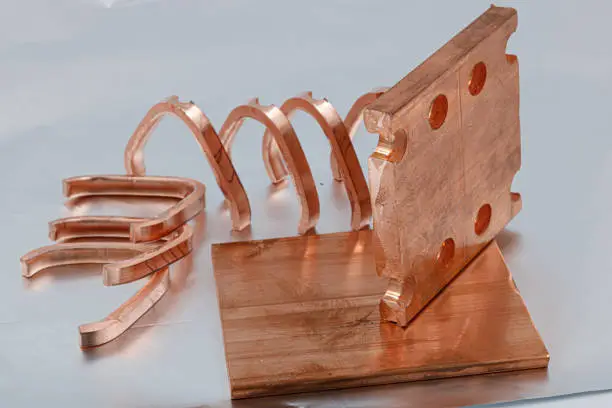
Best Practices and Tips to Ensure Smooth Procurement and High-Quality Deliverables
Remote Quality Verification Techniques
Buyers can use multiple verification methods when being present on-site is not possible. Needing inspection records with measurements and photos of the first item shows the quality level before full production. Third-party inspection services, such as SGS or Bureau Veritas, offer impartial checks at fair prices. They are especially useful for big orders.
By asking for video recordings of important production steps like filling, knockout, and inspection, you can be more open without having to pay for trip. Material certificates from recognized labs independently prove the makeup of the alloy. Setting concrete acceptance criteria through sampling plans that are in line with acceptable quality limits (AQLs) reduces subjective disagreements.
Strategic Negotiation Approaches
The rules of payment make sure that everyone shares the risk. Most of the time, deposits are between 30% and 50%, and the rest is due before or after delivery. Letters of Credit give both parties protection by letting a bank handle the deal, but they do add to the cost of doing business. Buyers who aren't sure about direct payments can use escrow services instead.
Chinese holiday schedules should be taken into account during lead time talks, especially the two-week Lunar New Year shutdown, during which plants are closed. Supply delays can be avoided by building up a buffer stock or planning sales to fall around these times. When you commit to buying in bulk over multiple drops, you can often get better prices than when you buy just one batch at a time, and you can still be flexible.
Logistics Optimization and Customs Preparation
Copper metal casts are very heavy, so choosing the right freight mode is very important for saving money. With a four- to six-week travel time, sea freight is still a cheap way to send big amounts of goods. Even though it costs more, air freight is best for urgent small batches. Consolidation services mix orders from different sources so that crates can be filled quickly.
For proactive customs preparation, you need to make sure you have the right HS code classification, country-of-origin paperwork, and follow the rules for the target country. Some metals have to pay antidumping taxes or import licenses in order to be sold. Hiring customs agents who are skilled with importing metal goods can help you avoid delays and fees that are very expensive.
Verifying supplier adherence to environmental and safety standards protects against reputational risks and ensures long-term supply stability. Asking for proof of how trash is treated, worker safety training, and emissions compliance shows responsible sourcing practices that are being pushed for by corporate governance standards.
Conclusion
To get high-quality copper casting parts from China, you need to know a lot about technology, be careful with your suppliers, and use structured buying methods. Buyers can set reasonable standards when they know about casting methods, material needs, and quality standards. International buying comes with risks that need to be managed. One way to do this is to carefully check out potential suppliers by evaluating their skills, credentials, and communication. Using verification procedures, smart talks, and planning for logistics makes sure that transactions go smoothly. When buyers are methodical about how they buy things, the Chinese foundry industry can offer big savings on costs and advanced technology. This can turn physical distance into a competitive edge through smart partnership selection.
FAQ
What distinguishes copper casting from bronze casting applications?
Copper casting usually means using pure copper or alloys with 90% or more copper. These are used in places where good electrical and thermal conductivity is needed, like heat exchanges and electrical connections. Bronze casting involves copper-tin or copper-aluminum alloys prioritizing mechanical strength and wear resistance for bearings, gears, and marine components. In the business world, terms are often used interchangeably. For this reason, standard designations (such as C95400 aluminum bronze) are better for specifying alloys than general words.
How do Chinese foundries ensure compliance with ASTM and European standards?
Reliable Chinese foundries keep certifications for both GB (Chinese national standards) and foreign standards like EN 1982 or ASTM B584. They use spectrometric analysis to check the chemical make-up and mechanical testing that follows certain rules. Independent proof comes from third-party certifications from approved labs. Buyers should ask for test results on the goods they are interested in and make sure that the testing labs are accredited by a body like the China National Accreditation Service (CNAS), which is accepted by international agreements for mutual recognition.
Can Chinese suppliers accommodate small batch production runs?
A lot of Chinese foundries are willing to take small orders, especially those that focus on investment casting, which has low equipment costs. Some sand casting sellers may need you to buy a certain number of parts before they'll pay for the costs of making the patterns, but some keep pattern files for common parts. Different facilities offer very different prototyping and small-series production services, so it is important to check the skills of potential suppliers before choosing one. When buyers first ask for information, they should be clear about how much they want to buy.
Partner with Fudebao Technology for Reliable Copper Casting Solutions
Zhejiang Fudebao Technology Co., Ltd. specializes in precision copper alloy casting and CNC machining, serving automotive, industrial equipment, aerospace, and electrical sectors globally. Our integrated facility combines melting, casting (low-pressure and die-casting), precision machining on high-speed centers, and surface treatment under one roof, delivering finished components with tolerances to ±0.05mm. We support both prototype development and volume production, backed by IATF 16949 and ISO 9001 certifications. Whether you need aluminum bronze marine components, electrical connector housings, or industrial bearing blocks, our engineering team provides technical consultation from alloy selection through final inspection. Contact us at hank.shen@fdbcasting.com to discuss your copper casting requirements with an experienced copper casting supplier committed to quality, precision, and on-time delivery. Visit fdbcasting.com to explore our complete capabilities and request a detailed quotation tailored to your specifications.
References
Davis, J.R. (Ed.). (2001). Copper and Copper Alloys. ASM International Handbook Committee, Materials Park, Ohio.
American Foundry Society. (2019). Casting Design and Performance. Des Plaines, Illinois: American Foundry Society Publications.
Campbell, J. (2015). Complete Casting Handbook: Metal Casting Processes, Metallurgy, Techniques and Design (Second Edition). Butterworth-Heinemann, Oxford.
European Copper Institute. (2020). Copper Alloys for Marine Applications: Material Selection Guide. Brussels: European Copper Institute Technical Publications.
Zhang, W., & Liu, X. (2018). Quality Control in Non-Ferrous Metal Casting: Practices in Chinese Foundries. Journal of Materials Processing Technology, 251, 156-168.
International Trade Centre. (2022). Sourcing Metal Castings from Asia: A Buyer's Guide to Quality Assurance and Supplier Selection. Geneva: ITC Publications.



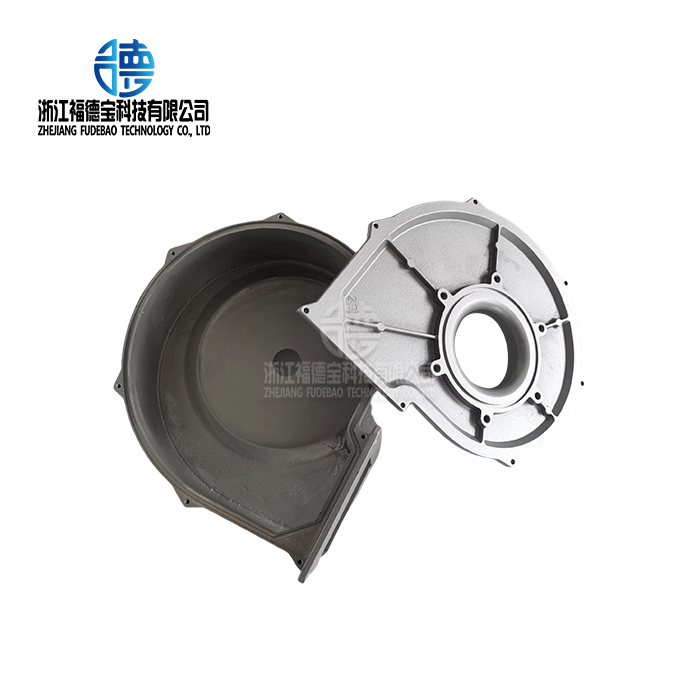
_1756352472762.webp "steel threaded plug")
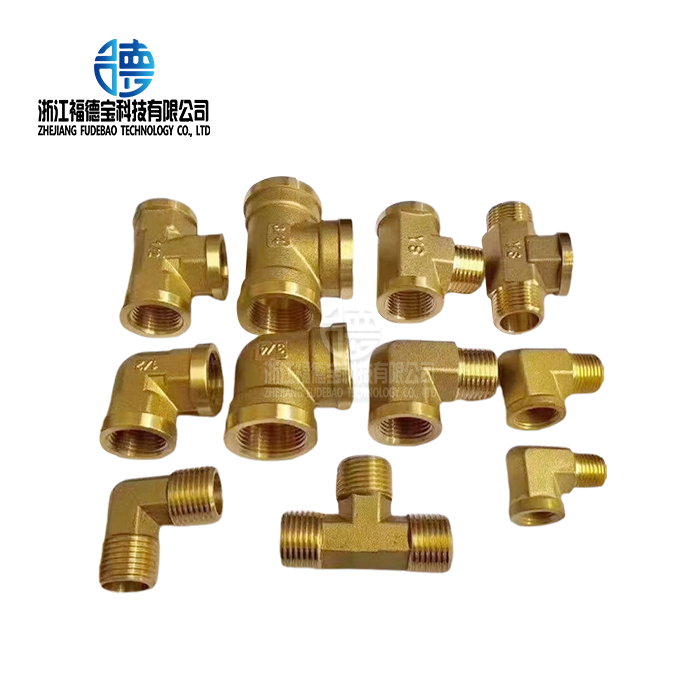
_1756350092126.webp "radiator cover")
_1756350046757.webp "Heat sink aluminum casting")
_1756349957728.webp "metric v belt pulley")
_1756346421748.webp "Aluminum casting telescopic bracket Parts")
_1756345858191.webp "Aluminum casting crafts")