
How to Make Copper Castings?
2026-05-13
You need to melt copper or one of its alloys, like bronze or brass, between 1,981°F and 2,012°F in order to make copper castings. Then, carefully pour the wet metal into a mould that has already been prepared. You take the casting out, clean it, and finish it to exact measures after it has cooled and hardened in a controlled environment. With this way of working with metal, you can make complicated forms that are great at moving heat and electricity around. We need it to make electrical connections, heat exchanges, and heavy-duty bushings for use in the energy, industry, and car industries.
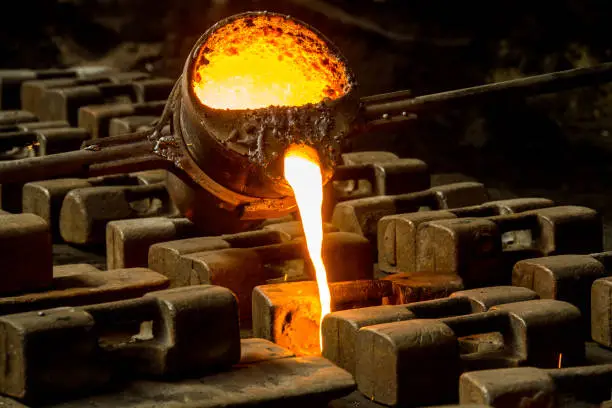
Understanding Copper Casting: Basics and Benefits
Making things with copper casting is important because it turns liquid copper and copper-based alloys into useful parts with complicated forms and known how they will work. By cutting from solid billets, engineers can make parts with a near-net shape less quickly and with less waste. This saves money on production costs.
What Is Copper Casting and Why It Matters
For the most part, copper casting is just slowly cooling liquid copper or copper alloys in a frame. This method solves important technical issues, especially when parts need to be able to carry electricity well and have complicated shapes inside. This process is used to make parts that can work in harsh conditions for decades without losing their usefulness. It is used in electrical power transfer, military engineering, and industrial gear.
Core Benefits of Using Copper Alloys
Copper and its alloys are better in many ways, so they are better for uses that need to be strong. The material doesn't rust easily, even in places like chemicals and the sea where stainless steel might not work. Copper casting and other copper-based metals do a good job of moving heat and electricity, which is important in circuit connections and motor housings. Since copper metals are naturally germ-killing, you don't have to clean the parts that people touch as often. Copper-based solutions will last longer and cost less over their whole lifecycle because of these factors. This is a good reason for procurement managers to think about them.
Common Casting Techniques Overview
For different production sizes and levels of accuracy, there are different ways to cast that work best. For both small and large parts, sand casting is still the best and most cost-effective way to make them. Investment casting, which is also called "lost-wax" casting, gives you a very smooth surface and great measures. This means it can be used to make complicated forms like electrical links and valve bodies. Centrifugal casting is great for making round parts like bushings and bearing rings because it uses centrifugal force to boost density and tensile strength. It is possible to make a lot of standard forms with continuous casting. These shapes are often used as rod and bar stock to be made further. Once engineering teams know about these techniques, they can better match production skills with price and technical needs.
Step-by-Step Copper Casting Process
Pay close attention to every step of the copper casting process if you want to make good copper castings, from the first drawing to the final check. Each step has a direct impact on how accurate the numbers are, how well it works, and how reliable it is altogether.
Mold and Pattern Design
Taking into account that copper alloys usually shrink between 1.5% and 2.1%, the first step in the casting process is to make a drawing that is very close to the final part that is needed. The pattern ingredients change based on how much work needs to be done. Metal patterns are better for mass production because they last longer and stay the same size. Wooden patterns are good for test runs. Gate systems, lifts, and venting paths must be part of the mould design in order for the metal to flow smoothly and to avoid flaws like cold shuts or gas porosity. The next step of cutting will be able to meet the standards if this step is done right. For things like electrical housings and car mounts, the standards are often as tight as ±0.05mm.
Melting and Pouring
Crucible furnaces, induction furnaces, and reverberatory furnaces can all be used to melt copper alloys, including copper casting, but the choice depends on the batch size and type of metal. It is very important to keep the temperature in check. If you use too much heat, the mechanical properties break down. If you use too little heat, the mould doesn't fill all the way. How sound the casting is depends on how fast and how well the metal is poured. If the metal is poured too quickly, it forms clumps and oxides, and if it is poured too slowly, it hardens too quickly. Many-year-old foundries always keep an eye on the melt's temperature and chemistry, changing things in real time to make sure that every batch is the same. This care makes sure that the strength and ability to conduct electricity meet certain standards.
Cooling and Solidification Management
Controlled cooling after filling lowers the forces inside and stops them from breaking. The makeup of the grains changes when they cool at different rates. The mechanical properties get better when the casts cool quickly, but thick-walled casts may need to cool more slowly to avoid thermal shock. To take solidification shrinkage into account, the steps need to be made in a way that lets liquid metal run to the parts that will harden last. Mastering this step cuts down on the number of rejects and makes the parts stronger, which is important for industry tools and military power systems.
Cleaning, Finishing, and Quality Control
Once the castings are hard, they are fettled to get rid of gates, peaks, and flash. Chemical cleaning and shot blasting are two ways to improve the finish of a surface and get rid of rust. This gets the parts ready to be ground down even more or put together right away. Coordinate measuring tools (CMM) are used to check measurements. X-ray or ultrasound scanning is used for non-destructive testing (NDT) to find holes inside the material. And mechanical testing is used to check the hardness and tensile strength. This is where strict checks happen to make sure that industry standards like ASTM B584 or ISO 1338 are being followed. This makes buying teams trust the seller.
Comparing Copper Casting with Other Metal Casting Methods
To pick the best metal and method besides copper casting, you need to know how to balance the pros and cons of material quality, production costs, and application fit.
Copper Casting vs. Aluminum Casting
Castings made of metal are less expensive and lighter, which makes them a good choice for cars and planes where reducing weight helps save fuel. Copper, on the other hand, is better at moving both energy and heat, which is useful when power needs to be sent to different places and heat needs to be taken away. Also, copper casts can handle more weight and wear better, which makes them the best choice for heavy-duty joints and gears. Copper is used in important electrical and military parts because it lasts a long time and lets electricity flow easily. When you need something light, aluminum is better.
Bronze and Brass Alloy Considerations
Copper is useful because it can be changed into bronze (which is made of copper and tin alloys) and brass (which is made of copper and zinc alloys). Bronze and brass strengthen copper and make it less likely to rust. Al bronze, which is 9–12% aluminum, is very strong and doesn't mix with water, so it's great for underwater valves and ship blades. Because it is easy to work with and keeps moving parts smooth, leaded bronze is better for high-load bearings. Because it looks good and is easy to work with, brass is often used for plumbing parts and building tools. The metal that will save the company the most money can be chosen by the buying manager based on technical and environmental needs.
Sand Casting vs. Investment Casting
A lot of different number sizes can be made with sand casting, and it doesn't cost much to buy the tools you need. They usually need to be made again because the surface finish and number accuracy aren't very good. When you use investment casting, you don't have to machine as much or at all, so you can get better features and higher standards. The patterns do cost more, though, and you have to wait longer. What method is used depends on the price, the size of the job, and how accurate it needs to be. When it comes to heavy machine parts, sand casting is best. When it comes to copper casting, electrical plugs, and valve bodies with lots of small details, investment casting is best.
Casting vs. Forging
Forging makes parts with better grain structure and mechanical strength, which is useful for parts that are put under a lot of stress, like those in aeroplanes. Forging, on the other hand, takes more time and money because the tools and ingredients are more expensive. Casting gives you more design choices than forging because it lets you make complicated shapes and very detailed inside passages. It depends on how important it is to have design freedom or to get the best power. When conductivity, corrosion protection, and a complicated shape are all important, casting is generally the best choice.
Choosing the Best Copper Casting Method for Your Project
When you choose the right copper casting method for the job, you get the best results at the lowest cost and on time.
Evaluating Project Scale and Precision Needs
Investing in or 3D printing sand models are good for small-scale testing because you can make changes quickly without having to buy a lot of tools. When making a lot of something, economies of scale make the cost per unit cheaper. Sand casting or centrifugal casting work best for this. The method is picked based on how exact the parts need to be. For instance, investment casting can get specs as close as ±0.005 inches, which is good for parts that go into electronics and plugs. When you sand cast, on the other hand, you can usually get tolerances of about 0.030 inches, which is good for making frame braces and housings. To avoid expensive changes and delays, clear specs should be set early on for the size and style of the surface.
Balancing Cost, Durability, and Lead Time
The price of tools varies a lot. In this case, sand casting models are quick and cheap to make, so you can quickly change the design. For investment casting, you need strong wax models and a clay shell. This makes the process take longer but costs less to machine. When picking a metal, think about how long it will last. Like, high-tin bronze can handle rust in salt water, and high-conductivity copper (such as copper casting) is best for electrical performance in switches. Procurement teams have to compare how much the tools cost in the first place with how many items they plan to make and how long each one will last to make sure the project's costs are fair.
Minimum Order Quantities and Supply Chain Planning
Many foundries use minimum order quantities (MOQs) to cover the costs of setting up their business. This is very true for die casting and investment casting. Purchasing managers can get better deals or mix orders from different product lines when they know the MOQs. Most of the time, lead times are between four and twelve weeks. They depend on how difficult the casting is and how busy the source is. Having extra stock on hand or making deals with dependable providers can lower risks in the supply chain and help keep production plans on track. This is very important in fields where downtime costs a lot, like the car and industrial machinery businesses.
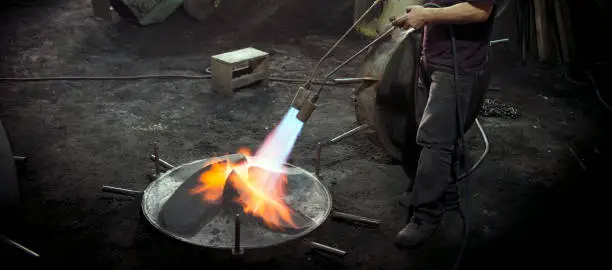
Procuring Quality Copper Castings: Tips and Trusted Suppliers
It's important to be clear about what the technical needs for copper casting are and carefully choose sources if you want to get solid copper castings.
Evaluating Supplier Capabilities and Certifications
Quality standards like ISO 9001 (for quality management systems), AS9100 (for aircraft), and IATF 16949 (for cars) show that the systems are strong. How well a supplier can meet strict standards can be seen by how much they can produce, how advanced their tools are, and how good they are at checking things in-house. Site surveys or virtual plant trips are great ways to see how the process is managed and how materials can be tracked. This is especially useful for fields that need to keep track of PPAP paperwork and whole batches. You can get to know the seller better before you place a big order by asking for sample casts and having a third party test them.
Communicating Technical Specifications Effectively
With thorough engineering drawings, material specs (using standards like ASTM B505 or SAE J461 for copper casting), and functional needs, mistakes are less likely to happen and more work is put in. With limits, surface finish standards (Ra values), and acceptance criteria for porosity and inclusions, you can make sure that the purpose of the design and the ability to make it match up. It is possible to make small changes over and over again during joint development stages. This lowers the risk during the start-up of production. Making it easy for people to get in touch with you and keeping them up to date on your work builds trust and gets problems solved faster.
Partnering with Experienced Foundries
The automotive, naval, and electricity industries have long histories of success for the top copper casting foundries in North America and Europe. These providers spent money on new ways to melt metal, automatic systems for finishing, and full NDT capabilities. They can keep the quality high and the wait times short this way. When you use sellers who know about industry-specific standards, like PPAP for tier-1 supply of cars or MIL-SPEC for defence uses, the qualification process goes faster and rules are followed. Buying teams can get supplies and technical help from these foundries for as long as the product is in use if they build strong relationships with them.
We at Fudebao Technology have decades of experience with casting and the most up-to-date CNC milling and surface treatment skills. We have high-speed machining centres, low-pressure casting machines, and die casting tools in our building, which means we can do the whole "melting to finishing" process here. As little as ±0.05mm, we can meet the exact needs of high-precision parts for cars, electrical housings, and industrial machines. Strict inspections and ISO-compliant processes are ways that we show our commitment to quality. We help clients in North America and Europe in the energy, manufacturing, and car sectors.
Conclusion
It's important to pick the right ingredients, keep an eye on the process, and work with your sources if you want to make good copper castings. You can learn about the benefits of copper metals (better conductivity, rust resistance, and mechanical strength) and choose the best casting method based on accuracy, cost, and lead time. All of these decisions will affect how well the final part works. Strong quality control, clear communication of technical needs, and working with experienced foundries make sure that castings meet high standards and last a long time. With these tips, procurement managers, engineering teams, and original equipment manufacturers (OEMs) can get better copper parts that make operations run more easily, lower risks, and make their buying plans better.
FAQ
1. What Are the Most Common Defects in Copper Castings?
Some common flaws are holes made by trapped air, holes that get smaller because they aren't fed enough, and cold shuts that form too soon. It can help to use the right openings, keep the filling temps steady, and put the risers in the right places. To find and fix problems before they are shipped, good foundries use real-time process tracking and non-destructive testing.
2. How Long Does It Take to Receive Copper Castings?
Lead times are usually between four and twelve weeks, but they depend on how difficult the casting is, how many orders there are, and how well the seller can do it. Time can be cut down to two to three weeks if 3D-printed sand models are used for trial runs. For investment casting, on the other hand, making the design and shell may take longer. Making plans ahead of time and being clear on what needs to be produced can help keep people from having too high of hopes and ensure that production plans are in line with project goals.
3. Can Copper Castings Be Customized for Specific Applications?
It's simple to make copper casts that have tricky forms, tight standards, and certain mechanical properties. No matter where you are, how much load you need, or the standards for energy performance, you can pick the right metal, heat treat it, and finish the surface. When you work with foundries during the planning phase, you can be sure that the casts are made in the best way for size, cost, and ease of production.
Partner with a Trusted Copper Casting Supplier
Zhejiang Fudebao Technology Co., Ltd. stands ready to support your copper casting requirements with comprehensive manufacturing capabilities and personalized service. Our uniform method includes heating, casting, cutting with great accuracy, and treating the surface. We can help you with everything, from the blank to the finished part. To serve the world energy, industrial equipment, and car industries, we have to follow strict rules, like having PPAP paperwork and ISO certifications. Shoot us an email at hank.shen@fdbcasting.com to talk about your project, get samples, or learn how our skills can help you make your supply chain better. You can trust Fudebao Technology, a copper casting business that can help you with both small-scale production and making samples. To make sure you achieve, they offer great professional support and friendly customer service.
References
1. Davis, J.R. (2001). Copper and Copper Alloys: ASM Specialty Handbook. ASM International, Materials Park, Ohio.
2. Campbell, J. (2015). Complete Casting Handbook: Metal Casting Processes, Metallurgy, Techniques and Design (2nd ed.). Butterworth-Heinemann, Oxford.
3. American Society for Testing and Materials. (2019). ASTM B584-18: Standard Specification for Copper Alloy Sand Castings for General Applications. ASTM International, West Conshohocken, Pennsylvania.
4. Kalpakjian, S., & Schmid, S.R. (2014). Manufacturing Engineering and Technology (7th ed.). Pearson Education, Upper Saddle River, New Jersey.
5. Beeley, P.R., & Smart, R.F. (1995). Investment Casting. The Institute of Materials, London.
6. Heine, R.W., Loper, C.R., & Rosenthal, P.C. (1967). Principles of Metal Casting (2nd ed.). McGraw-Hill, New York.



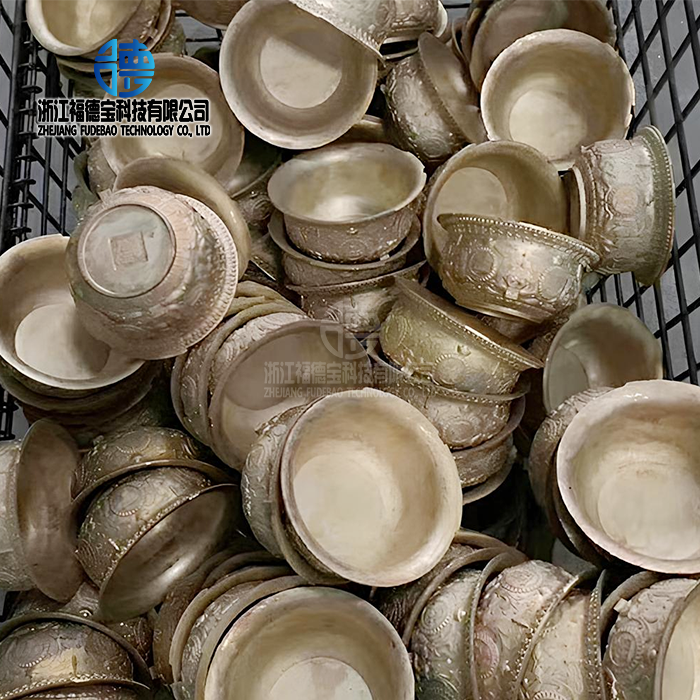
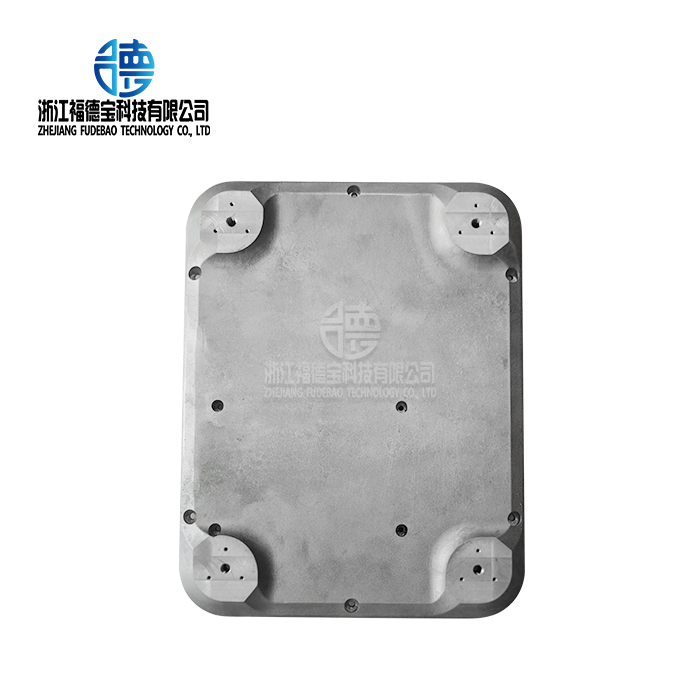
_1756349957728.webp "metric v belt pulley")
_1756349146076.webp "Lawn mower case casting")
_1756348356531.webp "Automobile engine oil pan")
_1756346144394.webp "aluminum die casting hinge")