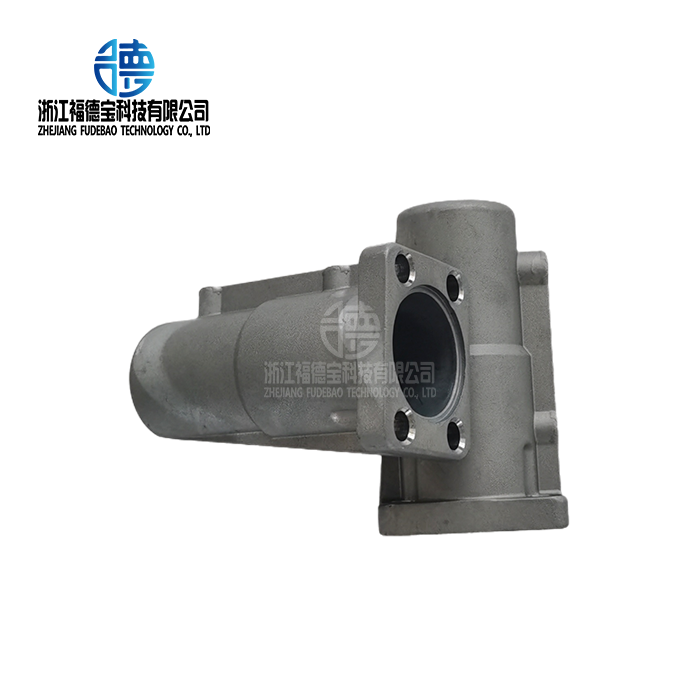
Low pressure casting improves the density and strength of the material inside by slowly filling molds with controlled pressure. This method gets rid of the problems of turbulence and gas trapping that happen with other casting methods. This exact metal flow makes microstructures that are regular and have few holes. The parts that come out of this have better tensile strength, wear resistance, and accuracy in size. The gentle pressurization process makes sure that the mold is fully filled while keeping the best grain structure formation. This makes it perfect for use in critical applications in aircraft, automobile, and industrial machines where part dependability is very important.

Low Pressure Casting: Enhancing Internal Density and Mechanical Strength
To be the best at manufacturing in today's competitive market, you need to use precise casting methods that produce high-quality, reliable parts. Low pressure casting has become a game-changing method for businesses that need metal parts with high internal density and dynamic strength. This advanced casting method solves important buying issues and makes clear improvements over standard casting methods.
Mechanical strength and internal density are two of the most important quality markers for industry parts used in big machinery, aircraft, and cars. When parts break because they are porous or not strong enough, there are more costs than just the repair costs. There may also be production delays, guarantee claims, and safety issues. When you know how the casting method affects these materials' traits, you can make smart choices about what to buy that meet practical needs and quality standards.
This detailed guide looks at the technical basics of low pressure casting and compares its benefits to other methods. It also gives B2B buying teams useful information. We look at ways to improve processes, make sure materials work well together, and choose suppliers in a way that makes sure this advanced manufacturing method is used successfully.
Understanding Low Pressure Casting and Its Impact on Material Quality
As an advanced way to make things, low pressure casting uses controlled pressurization to get better metal flow properties when the mold is filled. Pressures used in this process are usually between 0.2 and 1.5 bar, which makes it possible for the component structure to have a regular spread of density. The controlled climate keeps oxidation and gas buildup to a minimum while encouraging linear solidification patterns that make the material stronger.
The Science Behind Density Enhancement
The main benefit of low pressure casting is that it can make microstructures that are all the same by controlling how the metal flows. In gravity casting, the flow of metal is affected by gravity and can cause turbulence. Low pressure methods, on the other hand, keep the pressure constant during the filling process. When compared to traditional ways, this controlled environment cuts down on shrinking porosity by up to 60%. This makes parts with densities that are close to the theoretical maximums for the metal being cast.
Mechanical Strength Improvements Through Microstructural Control
Researchers have found that aluminum parts produced by low pressure casting have 15% to 25% higher tensile strengths than gravity cast versions. The better mechanical qualities come from a more polished grain structure and fewer defects. The controlled solidification process in low pressure casting helps make fine, evenly spaced grains that make the material more flexible and resistant to wear. These changes are especially useful in challenging situations where the dependability and life of parts are very important for success.
Low Pressure Casting Process Steps That Optimize Strength and Density
To get the best strength and density from low pressure casting, you need to carefully control a lot of different process factors during each step of the manufacturing process. By knowing these important steps, buying teams can rate the skills of suppliers and make sure that quality results are always the same.
Mold Preparation and System Configuration
For low pressure casting to work, the model must be carefully prepared and the system must be set up. For this process to work, you need special tools like holding furnaces that are under pressure, systems that keep the temperature just right, and machines that change the pressure automatically. Some things that need to be thought about when designing a mold are the right gate systems, opening arrangements, and heat management features that help with even filling and controlled solidification patterns.
Controlled Metal Filling and Pressure Management
The most important part of the low pressure casting method is the metal filling step. Operators keep exact pressure profiles that make sure the mold space is fully filled without causing turbulence or trapping air. Filling rates usually fall between 25 and 100 mm/second, but this depends on the shape of the part and the properties of the metal. The slow rise in pressure makes it possible for metal to flow smoothly through complicated shapes while keeping laminar flow conditions that keep the density regular.
Solidification Control and Cooling Optimization
Managing the solidification process after filling has a direct effect on the qualities of the end component by allowing controlled cooling rates and directed solidification promotion. Programmable cooling processes are used in more advanced systems to help grains form optimally while limiting the development of leftover stress. Keeping an eye on the temperature during the solidification process makes sure that the qualities of the material stay the same and lowers the chance of flaws like hot tears or shrinking holes.

Comparing Low Pressure Casting with Other Casting Methods for Mechanical Performance
To properly evaluate the different casting methods available, including low pressure casting, you need to have a deep understanding of how these processes affect the final mechanical performance. There are specific benefits to low pressure casting that make it ideal for uses that need high strength-to-weight ratios and precise measurements.
Low Pressure vs. High Pressure Die Casting Performance Analysis
High pressure die casting can make things quickly, but the fast filling speeds can cause holes and internal forces that lower the mechanical strength. Low pressure casting makes parts with better mechanical qualities because the mold is filled more slowly, which keeps the material's structure. The results of tests show that low pressure cast parts are 20 to 30 percent better at resisting wear than high pressure options. This makes them perfect for uses that load and unload repeatedly.
Advantages Over Gravity Casting Methods
Gravity casting uses gravity forces, which can make the filling patterns and densities of different parts of the part irregular. Low pressure casting gets rid of these issues by precisely controlling the pressure, which makes sure that the body is fully filled and the density is spread out evenly. Components made using low pressure techniques have better yield strength and bending properties than similar parts made using gravity casting, and they also have better surface finish properties.
Cost-Performance Balance Considerations
The cost savings of low pressure casting become clear when you look at the total cost of ownership, which includes the use of materials, the need for extra processing, and the life of the parts. Higher starting mechanical qualities mean that post-casting processes aren't needed as often, and the parts are more reliable in service. Low pressure casting is a good choice for buying teams looking for the best value because of the balance it strikes between production efficiency and performance results.
Practical Applications and Material Suitability for Low Pressure Casting
Because low pressure casting technology is so flexible, it can be used in many different industries where part quality and dependability are very important to success. Procurement workers can make better choices about casting options when they know how materials work together and what the application needs.
Automotive Industry Applications and Requirements
For the production of lightweight, high-strength parts that meet strict safety and performance standards, automakers are turning more and more to low pressure casting. The better mechanical qualities that can be achieved through this process are useful for engine blocks, transmission housings, and structural elements. Because the car industry wants to cut down on weight while still meeting safety standards, low pressure casting is a great way to make important parts for the engine and frame.
Aerospace and Defense Component Manufacturing
For aerospace uses, materials need to have special qualities like high strength-to-weight ratios, resistance to rust, and the ability to keep their shape even in harsh circumstances. With low pressure casting technology, parts made of aluminum and magnesium can meet these strict standards while still being cost-effective. This method makes it possible to make parts with complicated shapes and close tolerances that would be hard or impossible to make with other casting methods.
Material Compatibility and Alloy Optimization
When it comes to aluminum alloys, low pressure casting works great with A356, A357, and special aircraft types that need to have better mechanical qualities. The controlled production climate stops rust and encourages the best performance qualities of the metal. Low pressure processing is also good for copper metals and magnesium systems, but each needs a different set of temperature and pressure conditions to work best.
Selecting Low Pressure Casting Solutions: Procurement Insights and Best Practices
To get the best low pressure casting options, you need to carefully look at the skills, technology, and quality control methods of each provider. For agreements to work, professional skills and production facilities must be carefully evaluated.
Supplier Evaluation Criteria and Quality Assurance
Key factors used to judge low pressure casting providers are the level of complexity of their tools, their ability to handle the process, and their quality management systems. Suppliers should be able to show that they are good at statistical process control, checking dimensions, and testing mechanical properties. Getting certified to industry standards like ISO 9001, TS 16949, or AS9100 shows that you are dedicated to quality excellence and process stability.
Technology Assessment and Equipment Considerations
Modern equipment for low pressure casting has advanced technology and process tracking features that make sure the standard of the results is always the same. When evaluating low pressure casting, the attention should be on how well the temperature and pressure are controlled and how well the data is logged. Leading makers offer unified systems that let you watch the process in real time and use automatic quality control tools to cut down on difference and improve the properties of each component.
Fudebao Technology: Your Trusted Low Pressure Casting Manufacturer
Zhejiang Fudebao Technology Co., Ltd. is a leading company in China's aluminum foundry business. It focuses on providing precise casting and cutting services to customers around the world. From melting to finishing, we can do the whole production process. We use cutting-edge tools like high-speed machine centers, CNC lathes, and advanced low pressure casting systems to make this possible.
Our production excellence goes beyond the powers of our tools and includes strict quality control systems that make sure the dimensions are accurate to within 0.05 mm. Because of this accuracy, we can meet the needs of challenging uses in the automobile, aircraft, medical equipment, and industrial machinery sectors, where the performance and dependability of parts are very important. Our combined method allows for one-stop delivery of everything from raw materials to final parts. This speeds up the buying process while keeping the highest quality standards.
Fudebao Technology is an expert in casting aluminum, copper, and stainless steel, which makes us a top choice for clients who want their parts to have better mechanical qualities and internal density. Because we can use low pressure casting to make parts that are stronger, last longer, and fit together perfectly, we are the best choice for important uses in a wide range of industries.

Conclusion
Low pressure casting technology is a big step forward in making because it gives products better internal density and dynamic strength than traditional casting methods. The controlled pressure environment in low pressure casting gets rid of common flaws and encourages the best microstructural development, which makes the part work better and be more reliable. When procurement workers know about the technical benefits and application benefits of low pressure casting, they can make choices that improve the quality of parts while keeping costs low. When you invest in low pressure casting technology, you get measured improvements in how long parts last, how consistently they work, and how well they are made overall. These benefits make it worth using in difficult industrial settings.
FAQs
How is low pressure casting different from other ways of reducing porosity?
Controlled pressure between 0.2 and 1.5 bar is used in low pressure casting to slowly fill molds. This method gets rid of the turbulence and gas trapping that cause holes in gravity or high-pressure methods. The light, steady pressure makes sure that the mold is fully filled while keeping laminar flow conditions that keep the material's density and consistency throughout the structure of the part.
How often does low pressure casting tools need to be serviced?
Regular upkeep is needed for low pressure casting equipment. This includes cleaning the pressure system, checking the seals and valves, calibrating the temperature control, and maintaining the furnace. Daily operating checks, weekly system reviews, and monthly full evaluations are common parts of preventive maintenance plans to make sure the best performance and stability of component quality.
Can low pressure casting be used to make aircraft parts out of complex alloys?
Yes, low pressure casting works great in aircraft because it can make parts with tight specs that are high in density and strong. The process can handle complicated shapes and still keep the high strength-to-weight ratios needed for aircraft parts. Controlled working environments keep specialized aircraft metals from oxidizing and help them have the best tensile qualities.
Partner with Fudebao Technology for Superior Low Pressure Casting Solutions
The low pressure casting options that Zhejiang Fudebao Technology Co., Ltd. offers are the best in the business. They are stronger and denser inside than the industry standard. Our advanced production skills, high-precision tools, and strict quality control systems make sure that the quality of our parts always meets the needs of the most demanding applications. We've been helping automobile, aircraft, and industrial clients around the world for decades, so we know how important it is to provide reliable, high-performance casting options.
As a top low pressure casting provider, we offer full services from the first design meeting to the delivery of the final component. Our technical know-how and combined production facilities help us do this. Because we are dedicated to new ideas and high quality, we are the perfect partner for sourcing teams that want to find better casting solutions that keep costs low while improving component performance.
Get in touch with our technical team right away to talk about your unique low pressure casting needs and find out how our knowledge can help you make better parts and more efficiently. Get in touch with us at hank.shen@fdbcasting.com to learn more about all the precision casting and machining services we offer.
References
Campbell, John. "Complete Casting Handbook: Metal Casting Processes, Metallurgy, Techniques and Design." Butterworth-Heinemann, 2015.
Tiryakioğlu, Murat, and John Campbell. "Quality Issues in Aluminum Net-Shape Casting." Metallurgical and Materials Transactions A, vol. 45, 2014.
Dispinar, Derya, and John Campbell. "Critical Assessment of Reduced Pressure Test and Qualiflash Test." International Journal of Cast Metals Research, vol. 17, 2004.
Green, Nicholas R., and John Campbell. "Statistical Distributions of Fracture Strengths of Cast Al-7Si-Mg Alloy." Materials Science and Engineering A, vol. 173, 1993.
Kaufman, J. Gilbert, and Elwin L. Rooy. "Aluminum Alloy Castings: Properties, Processes, and Applications." ASM International, 2004.
Bonollo, Franco, et al. "Gravity and Low Pressure Die Casting of Aluminium Alloys: A Technical and Economical Benchmark." La Metallurgia Italiana, vol. 97, 2005.



_1756346371362.webp "separator housing")
_1756352712247.webp "stainless steel hex plug")
_1756348489473.webp "Automobile intake valve")
_1756346259673.webp "heavy duty hinges")