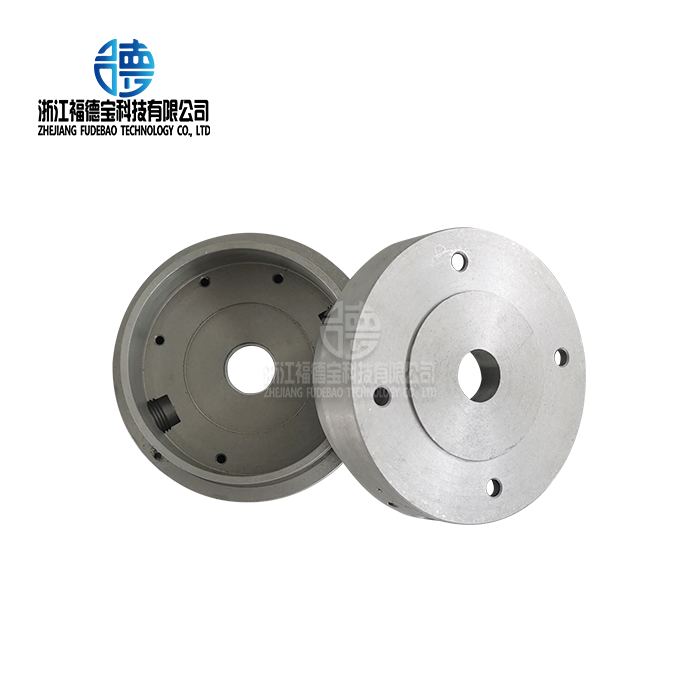
CNC milling and CNC turning are both useful for producing, but the best choice relies on the shape and design requirements of the part you are making. CNC milling is great for making complex forms, flat surfaces, and detailed features with spinning cutting tools that move along more than one axis. CNC turning is the best CNC machining method for circular parts because it uses a spinning body and CNC cutters that don't move. Both CNC cutting methods are very precise, but knowing their specific strengths will help you get the best results on car parts, industry equipment, and precision applications.

Understanding CNC Milling: Capabilities and Applications
In CNC milling, spinning cutting tools take material off of fixed workpieces. This method is great for making complicated shapes, slots, holes, and precise surface features. The way the machine is set up lets it do 3-, 4-, or 5-axis cutting, which is great for making complex designs.
Engine blocks, gearbox housings, and bracket systems are often made using milling by automotive experts. Depending on toolpath improvement and cutting settings, the process can get surface finishes from 32 to 125 Ra microinches. Pump housings, compressor parts, and structure elements that need to be exactly the right size are all used in industry.
Key advantages of milling operations include:
- Multi-axis capability enabling complex part geometries
- Excellent surface finish quality with proper tool selection
- Versatile material removal rates from rough to finish operations
- Capability to machine multiple features in single setup
- Superior dimensional tolerance achievement (±0.001" typical)
If you need parts with complex contours, multiple machined faces, or intricate pocket features, then milling is more suitable for your application. The process particularly benefits manufacturers requiring flexible batch production and prototype development capabilities.
CNC Turning Process: Precision for Cylindrical Components
CNC turning shapes the material with cutting tools that don't move while the item turns. This basic method makes very accurate circular, conical, and spherical shapes. By perfectly balancing tool speed and feed rate, today's CNC lathes can get surface finishes as smooth as 16 Ra microinches.
In many different businesses, the process of turning is the most important part of CNC machining making threaded parts, bearings, pins, shafts, and other things. Drive shafts, valve stems, and precise screws are used in automobiles. Aerospace makers depend on the lathe for parts of the landing gear and the engine that need to have very precise measurements.
In turning processes, the material removal rate can get up to 15–20 cubic inches per minute for roughing passes. Finishing passes, on the other hand, keep feeds of 0.002–0.005 inches per revolution. The process is great at meeting the total indicator reading of 0.0005 inches concentricity standards.
Essential turning advantages encompass:
- Superior surface finish on cylindrical surfaces
- High material removal rates for efficient production
- Excellent dimensional accuracy for round parts
- Cost-effective setup for high-volume manufacturing
- Minimal tool wear due to consistent cutting conditions
If you need cylindrical parts, threaded components, or high-volume production of rotational geometries, then turning is more suitable for your manufacturing requirements.
Technical Comparison: Performance Metrics and Capabilities
Analyzing performance data reveals distinct advantages for each CNC machining method. Milling operations typically achieve feed rates of 100-500 inches per minute, while turning processes reach 0.005-0.030 inches per revolution. These metrics directly impact cycle times and production efficiency.
| Parameter | CNC Milling | CNC Turning |
|---|---|---|
| Typical Tolerance | ±0.001" - ±0.005" | ±0.0005" - ±0.002" |
| Surface Finish (Ra) | 32-125 microinches | 16-63 microinches |
| Setup Complexity | Moderate to High | Low to Moderate |
| Part Complexity | Very High | Moderate |
Cutting tool selection significantly influences outcomes. Milling operations utilize end mills, face mills, and specialized cutters with 2-8 flute configurations. Carbide tools maintain cutting speeds of 200-800 surface feet per minute in aluminum alloys. Turning applications employ insert tooling with various geometries optimized for specific materials and operations.
Fixture design requirements differ substantially between processes. Milling demands robust workholding to resist multi-directional cutting forces, while turning fixtures focus on rotational stability and concentricity maintenance.
If you need maximum flexibility for prototype development and low-volume production, then milling offers superior adaptability. If you prioritize consistent quality for high-volume cylindrical parts, then turning delivers optimal efficiency.

Industry-Specific Applications and Requirements
More and more, car makers want metal parts that are light and have complicated holes inside them. Engine blocks need a lot of grinding work for their bearing surfaces, oil ducts, and cylinder bores. Transmission cases benefit from multi-axis cutting skills to get exactly right gear tooth shapes and bearing seats.
Industrial equipment uses a lot of spinning for things like pump shafts, compressor blades, and hydraulic cylinders. To make sure they seal correctly and work well, these parts need to have great surface finish and measurement accuracy. It is very important that heat protection is good for uses that use high temperatures.
The electrical industry stresses the importance of conductivity and resistance to rust in copper and aluminum CNC machining metals. Motor housings use cutting to make accurate fixing features and cooling fins. Turning processes help connector parts get smooth, even sides that make good electrical contact.
Aerospace uses both methods for different types of parts. To get the best weight distribution and stress distribution, structural braces need to be milled. Parts of landing gear use spinning to get better surface quality and resistance to wear.
Key considerations include:
- Material properties affecting machining parameters
- Production volume influencing process selection
- Quality requirements driving tolerance specifications
- Cost constraints determining machining strategy
- Timeline considerations affecting setup decisions
If you need certified aerospace components with full traceability, then specialized CNC machining processes ensure compliance with industry standards. If you require automotive PPAP documentation and long-term reliability, then proven machining capabilities deliver consistent results.
Cost Analysis and Production Efficiency Considerations
When manufacturers choose a process, they have to think about how much it will cost and how much money it will make. Most of the time, CNC cutting processes need 15 to 30 minutes to set up for each part family, but turning setups only need 5 to 15 minutes. These differences affect the general cost of production and the ability to change schedules.
The cost of tooling depends on the process that is used. Milling tools cost anywhere from $50 to $500 based on how complicated they are and how they need to be coated. Each cutting edge of a turning insert costs anywhere from $25 to $200. They have regular periods for when they need to be replaced and always work the same way.
Profitability estimates are affected by how much machines are used. Modern machine centers reach 75–85% usage through automation and better scripting. Because it's easier to set up and takes less time to work on simple shapes, CNC lathes often get 80% to 90% efficiency.
Production volume breakpoints help determine optimal process selection:
- Prototype quantities (1-10 pieces): Milling offers maximum flexibility
- Low volume production (10-100 pieces): Both processes viable depending on geometry
- Medium volume runs (100-1000 pieces): Process selection based on part complexity
- High volume manufacturing (1000+ pieces): Turning typically more economical for suitable parts
Quality costs include inspection time, rework expenses, and scrap rates. Milling operations may require additional inspection points due to feature complexity. Turning processes often achieve more predictable quality outcomes for cylindrical geometries.
If you need rapid prototyping with design iteration capability, then milling provides superior flexibility for engineering changes. If you require predictable costs for high-volume production, then turning delivers more stable manufacturing economics.
Quality Control and Precision Requirements
Achieving consistent quality requires understanding each process's capability and limitations. CNC milling accuracy depends on machine rigidity, thermal stability, and toolpath optimization. Modern machining centers maintain positioning accuracy within ±0.0001 inches through advanced CNC controller technology and compensation systems.
Turning operations benefit from inherent CNC machining process stability due to continuous cutting action and minimal tool deflection. Workpiece rotation eliminates many sources of geometric error common in milling operations. Surface integrity typically exceeds milling results for cylindrical surfaces.
Measurement and inspection protocols vary between processes. Milling components require coordinate measuring machine (CMM) verification for complex geometries and multiple datum references. Turning parts often utilize simpler gauging methods for diameter, length, and concentricity verification.
Statistical process control implementation differs significantly:
- Milling operations monitor tool wear across multiple cutting edges
- Turning processes track insert performance and replacement intervals
- Both require thermal compensation for dimensional stability
- Surface finish monitoring ensures consistent quality delivery
- Automated inspection reduces human error and cycle time
Temperature effects influence dimensional accuracy in both processes. Aluminum components require careful thermal management to prevent distortion during machining. Proper coolant application and machining sequence optimization minimize thermal-induced errors.
If you need comprehensive quality documentation for regulated industries, then established CNC machining processes provide necessary traceability and control. If you require consistent results for critical safety components, then proven manufacturing capabilities ensure reliable performance.
Conclusion
CNC cutting and turning each have their own unique benefits for different types of making. Milling is great for parts with a lot of different features and complicated shapes. On the other hand, turning is better for making circular parts and high-volume production. Success rests on making sure that the way you make things can meet the needs of each part, the standards for quality, and the financial goals. Knowing these basic differences helps people make smart choices that improve the results of production, lower costs, and make sure that quality is always delivered in a range of industry uses.
Partner with Fudebao Technology for Expert CNC Machining Solutions
When you want to find the right CNC machine maker, you need to look at how technically capable they are, how they ensure quality, and how much experience they have in the business. Fudebao Technology uses both cutting-edge tools and deep knowledge of the field to get great results in the automobile, manufacturing, electrical, and aircraft fields.
From concept development to high-volume production, our full range of CNC machining services, which includes precision CNC lathes and high-speed machining centers, can support every step of the process. The facility keeps precision levels of ±0.05mm when working with aluminum and copper alloys and stainless steel.
Integrated manufacturing approach covers the entire process from casting to finishing:
- Low pressure casting and die casting capabilities
- Multi-axis milling and precision turning operations
- Comprehensive surface treatment options
- Complete quality documentation and traceability
- One-stop delivery from blank to finished product
Our team-based method to making CNC machining parts is helpful to engineering managers, buying leaders, and quality teams. Our ability to make different amounts of products on demand and always produce high-quality goods is appreciated by technical buying pros.
Quality methods and industry certificates make sure that the work done in the automobile, aircraft, and electricity industries meets the PPAP, standards, and specs, respectively. Our expert team offers professional support to help with choosing processes, making designs work better, and lowering costs.
Ready to optimize your component manufacturing with precision CNC machining? Whether you need complex milled components or high-precision turned parts, our team delivers solutions tailored to your specific requirements. Contact our engineering experts to discuss your project specifications and discover how we can enhance your manufacturing success. Reach out today and contact us at hank.shen@fdbcasting.com to explore partnership opportunities with a trusted CNC machining supplier.
References
Society of Manufacturing Engineers. "Fundamentals of CNC Machining Processes and Applications." Manufacturing Engineering Handbook, 2023.
American Society of Mechanical Engineers. "Precision Machining Technology Standards and Best Practices." ASME Technical Paper Series, 2022.
International Federation of Production Engineering. "Comparative Analysis of Milling and Turning Operations in Modern Manufacturing." CIRP Annals - Manufacturing Technology, 2023.
National Institute of Standards and Technology. "Dimensional Metrology and Quality Control in CNC Machining." NIST Manufacturing Guidelines, 2022.
Manufacturing Technology Institute. "Cost-Effectiveness Analysis of CNC Machining Processes for Industrial Applications." Journal of Manufacturing Science and Engineering, 2023.
Precision Machining Association. "Surface Finish and Tolerance Achievement in CNC Operations." Manufacturing Process Optimization Report, 2022.



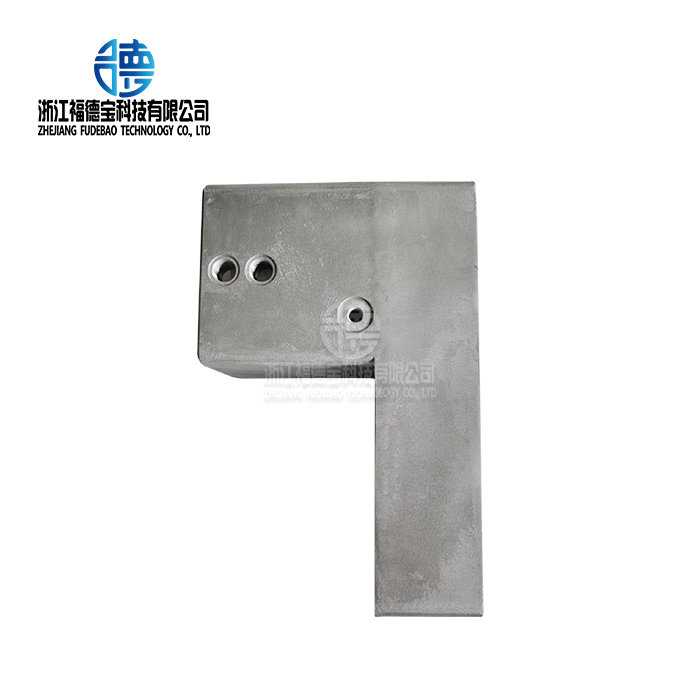
_1756349862928.webp "belts pulleys")
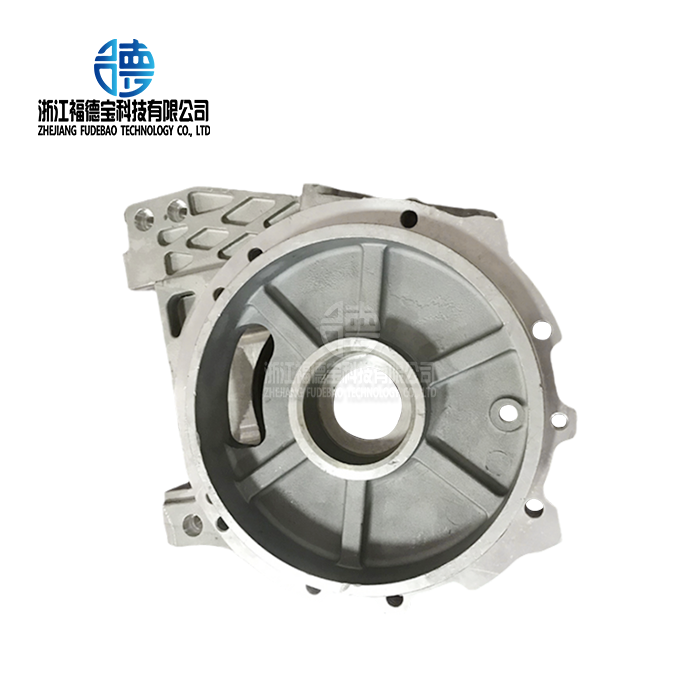
_1756348711711.webp "anti surge turbo housing")
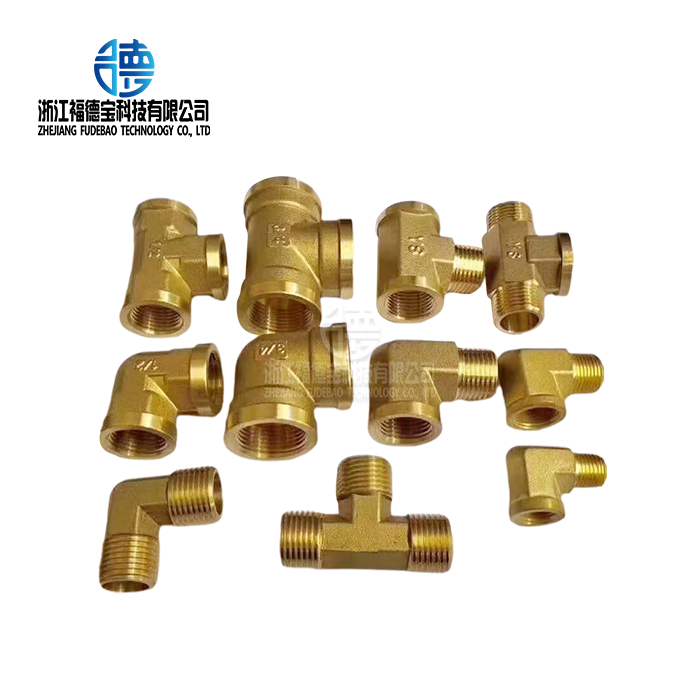
_1756346205762.webp "hinge casting")