
How Does High Volume Aluminum Casting Ensure Cost-Effective Production?
2026-08-26
High volume aluminum casting ensures cost-effective production by leveraging economies of scale, reducing per-unit tooling and setup costs significantly while maximizing material utilization and minimizing waste. When production runs exceed thousands of units, die casting, low-pressure casting, and gravity casting processes optimize cycle times, automate labor-intensive steps, and integrate near-net-shape manufacturing—eliminating expensive secondary operations. This approach consolidates complex geometries into single-piece structures like aluminum casting chassis and brackets, reducing assembly labor and improving dimensional consistency across automotive, aerospace, and industrial machinery applications where reliable performance and competitive pricing remain non-negotiable.
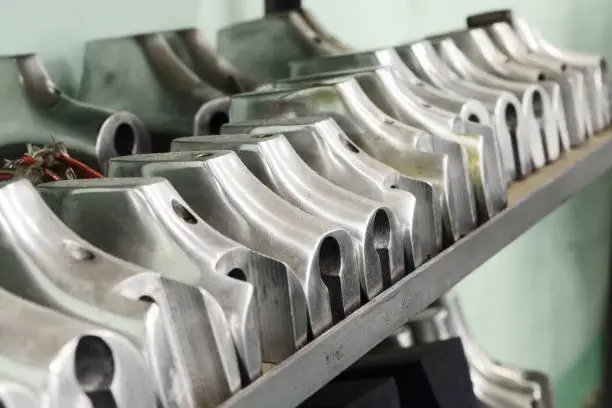
Understanding High Volume Aluminum Casting: Process and Benefits
High volume aluminum casting is a revolutionary method for companies that want to balance cost and quality without sacrificing engineering needs. This method includes a number of different casting processes that are designed to meet the needs of different industries.
Core Casting Processes for Large-Scale Production
When you need to make tens of thousands of identical parts quickly, die casting is the best way to do it. For this process to work, liquid aluminum is pushed hard into steel molds, making complex forms with very close tolerances. Low-pressure casting is an option. In this method, controlled pressure fills the mold from below, which lowers turbulence and gas trapping and makes it perfect for structural parts like engine blocks and transmission housings. Gravity casting uses natural flow, so it can be used for bigger, simpler items where the cost of the tools needs to be kept low. Each technique is used for a specific type of production, which lets procurement teams choose methods that meet technical requirements and stay within their budgets.
Economic Advantages Through Scaled Operations
When production volumes go up, economies of scale have a big effect on unit economics. When mold creation costs are spread out over thousands of rounds, the cost per piece goes down by a huge amount compared to low-volume runs. Automated systems accurately measure out the right amount of alloy, which cuts down on the amount of waste that happens when operations are done by hand. With inline inspection systems finding flaws before they spread to whole batches, quality control stops being random and starts being planned. When these things come together, they make costs predictable, which is something that financial managers and sourcing directors like when they sign multi-year supply deals.
Aluminum Alloy Selection and Cost Implications
Picking between metals like A356 and A380 has a direct effect on both cost and function. The A380 is perfect for die casting and flow, which makes it the best choice for complicated shapes that need thin walls and fine details like those found in aluminum casting frames and housings. After being heated, A356 has better mechanical properties, making it useful for aerospace and automotive structural applications where strength-to-weight ratios are important. The higher cost of quality metals as a material must be weighed by the money that will be saved later on because they don't need to be machined as much and last longer. Different levels of machinability also affect the total cost. For example, softer alloys cut faster but might not be hard enough for threaded features, while harder alloys last longer but make production cycles take longer.
Cost-Efficiency Drivers in High Volume Aluminum Casting
To really be cost-effective, you have to carefully improve every step of the production process, from handling the hot metal to the final check.
Automation and Process Optimization
Robotic systems are now used in modern foundries to remove casts, apply release agents, and move parts between stations without any help from a person. This automation cuts down on labor costs while keeping cycle times the same, even if shifts change or operators' skills vary. Modern molding methods use conformal cooling lines to speed up the solidification process. This makes it possible to remove parts faster and get more done. Programmable logic controllers keep an eye on temperature, pressure, and fill rates all the time and change parameters to keep things running smoothly and stop problems before they happen. These investments in technology pay off because they cut down on downtime and make output more reliable, which fits with the just-in-time delivery plans that car OEMs require.
Defect Mitigation and Quality Control
The main things that can go wrong with high volume aluminum casting and make it less profitable are holes, shrinkage voids, and cold shuts. When dissolved gases escape during solidification, they leave behind holes in the structure that weaken it. This risk is kept to a minimum by controlling the melt temperature, the degassing process, and the fill velocity. When aluminum cools, it contracts, which causes it to shrink, especially in thick sections where there are big differences in temperature. By sending liquid metal to important areas, risers that are placed strategically and gating systems that are designed can stop this from happening. Cold shuts happen when two metal fronts meet but don't fuse properly. This usually happens because the temperature isn't high enough or the metal solidifies too soon. During the planning process, simulation software can predict these failure modes. This lets engineers change geometries before they cut expensive tools.
Strategies for mitigating problems go beyond controlling the process. Using statistical process control charts helps workers spot patterns before they lead to waste. X-ray and computed tomography scans find flaws inside the metal that can't be seen from the outside. This makes sure that only sound castings move on to the machining process. These quality controls cut down on warranty claims and mistakes in the field, which hurt a brand's image and lead to expensive recalls.
Heat Treatment and Precision Machining Integration
Heat treatment methods, such as T6 aging, can turn castings from their as-cast state into hardened parts that can work in harsh conditions. This thermal processing raises the yield strength and hardness, which lowers wear in situations like pulley aluminum casting systems where the belt is constantly rubbing against itself. Precipitation hardening makes tiny microstructures that don't change shape when they're loaded. This makes the product last longer and lowers its total cost of ownership.
Precision machining works with casting to get standards that can't be reached with modeling alone. CNC machines with fast spindles take out almost no material from castings that are close to their final shape. This keeps the dimensions accurate to within 0.05 mm, which is needed for PPAP documentation in automotive supply chains. Tool path optimization and adaptive machining strategies make cutters last longer, which lowers the cost of replacement parts for each part. This combined method—casting to a rough shape and then milling important features—finds a good mix between manufacturing efficiency and engineering needs.
Comparing Aluminum Casting Methods for Volume Production Efficiency
To choose the right casting method, you need to carefully look at the technical needs, production numbers, and budget limits.
Die Casting Versus General Aluminum Casting
Die casting works best when large enough quantities require big investments in tools. Steel dies can be used over and over again for hundreds of thousands of cycles, and they leave a surface finish and repeatability that often get rid of the need for extra processes. The high-pressure process makes microstructures that are thick and have few holes. This makes parts that can be used in pressure-tight situations, like hydraulic valve bodies. Die prices, on the other hand, can go up to six figures, so this method is only financially possible above certain volume levels.
General aluminum casting includes both sand casting and permanent mold casting, which require less money to start up. Since patterns for sand casting are much cheaper than steel dies, design changes can be made quickly. This lets prototypes be made without having to spend a lot of money. Surface finishes are rougher, so more work needs to be done on them, but the freedom is good for small-scale production and trial projects where the design is likely to change.
Low Pressure and Gravity Casting Trade-Offs
When it comes to speed, die casting is faster than sand casting, but sand casting is more flexible. Compared to high-pressure dies, the cost of the tools stays low, and the controlled fill process makes castings with better mechanical properties than gravity methods. Lead times from approval of the design to the first article are usually between six and eight weeks, taking into account both time constraints and cost concerns. This method works well for automobile and aerospace uses that need between 5,000 and 50,000 units a year and need to make sure the quality of the product supports the investment, but the volume doesn't require a full die casting infrastructure.
Gravity casting has the longest wait times but the lowest cost per mold, which makes it a good choice for making small batches of parts for industrial machines. The simple mold design lets changes happen quickly, so requests for customization can be met without having to pay too much for engineering. The quality of the product depends a lot on the skill of the user and the method used for pouring. This creates variation that needs strict checking rules.
Alternative Manufacturing Processes Comparison
Steel casting is better at resisting wear, but it adds a lot of weight, which isn't good for the lightweighting goals that drive car and aircraft design, unlike high volume aluminum casting, which addresses this need. Because ferrous materials are denser, they cost more to ship and use more fuel over the course of a product's life. Forging has great grain flow and mechanical properties, but it has trouble making complex shapes and structures with thin walls, which can be done more easily with casting. Plastic injection molding can lower the weight even more, but it can't match the electrical properties, heat conductivity, or structural strength of aluminum, which are all needed for load-bearing uses. Using bracket aluminum casting shows that combining several pressed steel parts into a single aluminum part gets rid of the need for bolts, speeds up assembly, and makes the product more resistant to vibration—benefits that other technologies can't match.
Procuring Custom High Volume Aluminum Casting Services: What B2B Clients Need to Know?
To choose a supplier, you need to know about things like limited capacity, certification requirements, and partnership models that lower supply chain risks.
Supplier Evaluation Criteria
Installations of tools are only one part of production capacity. Knowledgeable workers and quality management systems are also important. Suppliers need to show that they can handle high demand without causing problems or blowing delivery dates. Quality standards, such as ISO 9001, IATF 16949 for cars, and AS9100 for aerospace, give customers peace of mind that operations are run according to written rules. Site audits show if foundries keep their equipment in good shape, use methods for continuous improvement, and buy new technologies that keep them competitive. References from current customers in related fields back up claims about timeliness, problem-solving skills, and long-term dependability.
Looking at a potential partner's portfolio of finished projects is part of evaluating them. Manufacturers of electric vehicles know how to handle heat and electromagnetic radiation in facilities that have experience making metal casting frame parts for these vehicles. This subject knowledge shortens the time it takes to build software and cuts down on the number of engineering iterations that waste time and money.
Pricing Models and Lead Time Considerations
Understanding how costs are structured helps people who work in buying get better deals. Tooling amortization schedules should match the expected number of pieces produced. This way, upfront payments that put a strain on budgets and backend loading that drives up the cost per piece can be avoided. For die-cast tooling, lead times usually range from twelve to sixteen weeks and include reviewing the design, making the mold, inspecting the first piece, and starting to make more of them. It is possible to get things done faster, but there are fees that cancel out any savings from getting into the market faster. Minimum order quantities are based on economic batch sizes where setup costs are spread out fairly across produced units. However, flexible suppliers may be able to accommodate smaller runs at different prices.
OEM Partnership and Prototyping Integration
Having strategic ties with suppliers of high volume aluminum casting turns them from suppliers into development partners. With rapid prototyping, designs can be tested physically before they are turned into production tools. Craft principles for aluminum casting are used here, and final specifications are based on prototypes that are both aesthetically pleasing and useful. OEM partnerships make it easier for engineering resources to be located together, which lets them work together in real time during the phases of introducing new products. This combination shortens the time it takes to get a product to market while also making designs easier to make. This way, cost savings are built in from the start, rather than having to make expensive redesigns during production runs.
Best Practices and Design Guidelines to Maximize Cost-Effectiveness
Design choices have a big effect on how much it costs to make something, so engineers and production teams need to work together early on.
Design for Manufacturability Principles
Different cooling rates can cause warping and internal stresses. Consistency in wall thickness stops these problems. Keeping parts the same size, between 2.5 mm and 4 mm, strikes a balance between the needs of the structure, the amount of material used, and the cycle time. Sudden changes in thickness cause stress concentrations and make mold filling more difficult, so gentle tapers make metal move more smoothly. Draft angles, which are usually between one and three degrees depending on the depth and surface texture needs, make it easier to eject parts without damaging delicate parts. Tolerance requirements should be based on functional needs rather than arbitrary precision, since tighter tolerances make inspection and machining much more expensive without improving performance.
Undercuts and complicated internal pathways make tools hard to use and expensive. Getting rid of these parts by simplifying the design or allowing split-line witnesses where the mold halves meet makes production easier. Ribs and bosses strengthen thin sections without adding bulk. They do this by distributing loads well while still meeting the lightweight goals that are important in aerospace and automotive applications.
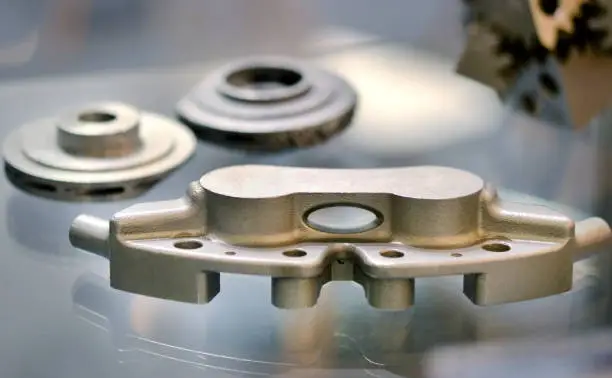
Machining Optimization and Finishing Techniques
Cutting down on post-casting machining keeps the cost benefits of near-net-shape manufacturing. Designers should only ask for polished surfaces when mating surfaces, sealed surfaces, or threaded features need accuracy that can't be achieved by casting alone. Setting up fixturing is easier and takes less time between operations when datums are placed on as-cast surfaces. Surface treatments like anodizing or powder coating make things look better and make them less likely to rust. This means that paint systems aren't always needed, which saves money and time and is better for the environment.
These methods are good for a lot of different types of products. Applications in automotive brackets show that optimized designs cut machining time by forty percent compared to original ideas that were over-engineered. Through continuous finite element analysis and design revision, aerospace parts meet weight goals while keeping structural margins. Industrial pump housings keep pressure in check and let heat escape by adding cooling fins during casting instead of welding them on afterward.
Conclusion
Through economies of scale, process automation, and combined production strategies, high volume aluminum casting offers quantifiable cost savings. Choosing the right casting method, like die casting for high throughput, low-pressure techniques for structural integrity, or gravity processes for flexibility, makes sure that production capabilities match the needs of the application. Choosing the right alloy, fixing defects, and following the right heat treatment protocols can improve the properties of a material while keeping costs low. Design for manufacturability principles make sure that costs are kept low from the idea stage to production by making machining easier and simplifying tools. When procurement teams work with approved suppliers that offer prototyping integration and OEM collaboration models that speed up development processes and make them more efficient, they gain a competitive edge.
FAQ
Why does scaling production volumes reduce per-unit casting costs?
As the number of units sold goes up, fixed costs like making tools, engineering molds, and setting up production spread out over more units, dropping the cost per piece. When you commit to buying a lot of something, you can get better prices from the alloy suppliers. The most efficient way for automated systems to work is during long runs, which minimizes downtime and maximizes equipment utilization rates that drive profits.
Which casting method suits automotive structural components at high volumes?
For car brackets, housings, and structural parts that need to be made with tight tolerances and uniform quality across millions of units, high-pressure die casting is the most common method. The process makes dense microstructures that can survive vibration and thermal cycles and repeats dimensions that are needed for compatibility with assembly lines. Low-pressure casting is used for bigger structural castings, like suspension parts, where the mechanical properties make the moderate investment in tools worth it.
How should procurement teams evaluate supplier quotes for large casting projects?
In addition to comparing prices per piece, you should also look at the total cost of ownership, which includes schedules for depreciating tools, inspection procedures, transportation plans, and guarantee terms. To find out what costs what, you should ask for specific breakdowns that separate material costs, handling fees, and finishing processes. Compare promised lead times with production plans and make sure that the supplier's ability can handle changes in volume without affecting service. Visit the facilities to make sure that the equipment can do what it's supposed to do and that the quality systems are in line with the industry certifications that your applications need.
Partner With Fudebao Technology for Your High Volume Aluminum Casting Needs
You can trust Zhejiang Fudebao Technology to be your reliable high volume aluminum casting source because they have decades of experience in metalworking and state-of-the-art production infrastructure. Our facility has high-speed machining centers, CNC lathes, low-pressure casting machines, and die casting tools that help with all stages of production, from melting to finishing the surface. We keep our tolerances at ±0.05mm and meet the strict PPAP documentation standards for aircraft quality leaders and car tier-1 suppliers. We know the high standards that customers around the world expect because we work with foreign names like American HAAS automation machine tools and ESS energy storage systems. Our integrated approach gives you one-stop solutions for everything from blank castings to finished parts, so you don't have to deal with the problems that come with coordinating with different vendors. Get in touch with hank.shen@fdbcasting.com to talk about your project details and find out how our engineering team improves ideas so they can be manufactured, which lowers your total cost of ownership and speeds up time-to-market.
References
1. American Foundry Society. (2021). Aluminum Casting Design Manual. Des Plaines, IL: American Foundry Society Publications.
2. Campbell, J. (2015). Complete Casting Handbook: Metal Casting Processes, Metallurgy, Techniques and Design (2nd ed.). Oxford, UK: Butterworth-Heinemann.
3. Kaufman, J. G., & Rooy, E. L. (2004). Aluminum Alloy Castings: Properties, Processes, and Applications. Materials Park, OH: ASM International.
4. North American Die Casting Association. (2019). Product Specification Standards for Die Castings (6th ed.). Wheeling, IL: NADCA.
5. SAE International. (2017). Aerospace Material Specification AMS 4291: Aluminum Alloy Castings, High Strength. Warrendale, PA: SAE International Standards.
6. Shapiro, A. E., & Dieffenbach, J. R. (2018). "Cost Analysis of Lightweight Design for Automotive Applications." Journal of Manufacturing Science and Engineering, 140(7), 071005-1–071005-12.



YOU MAY LIKE