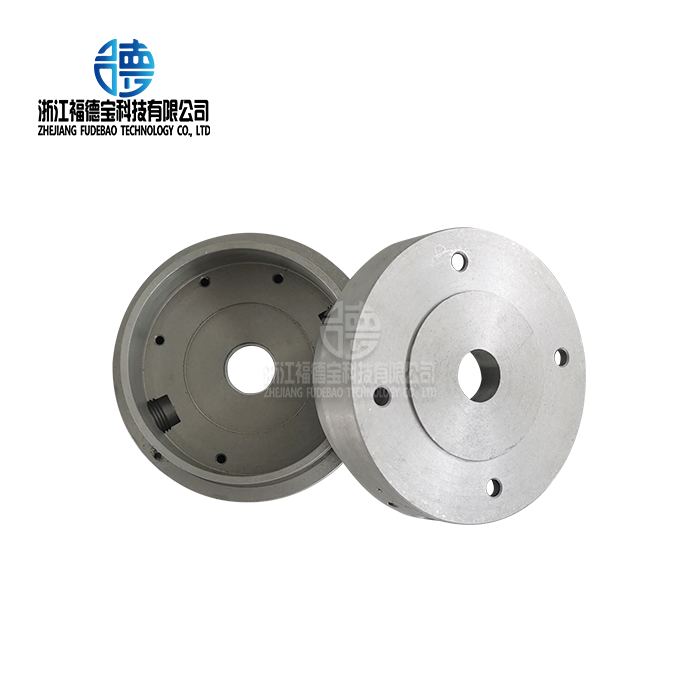
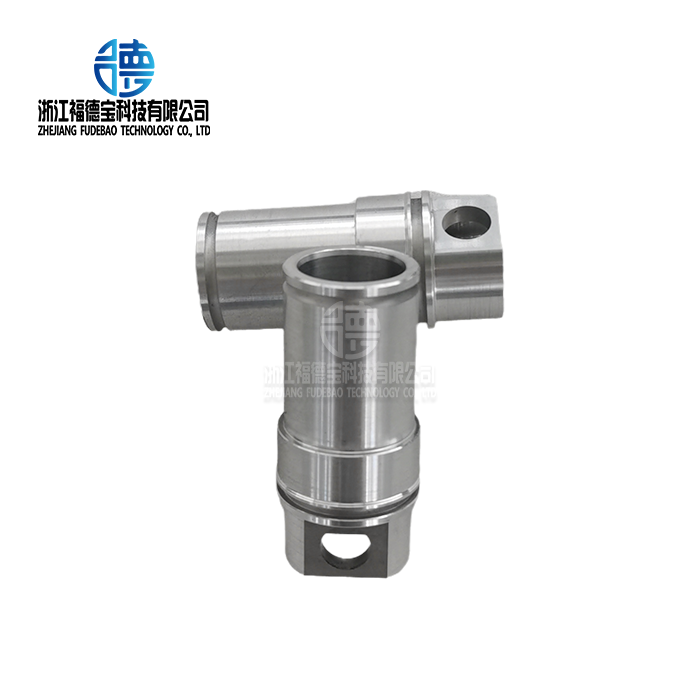
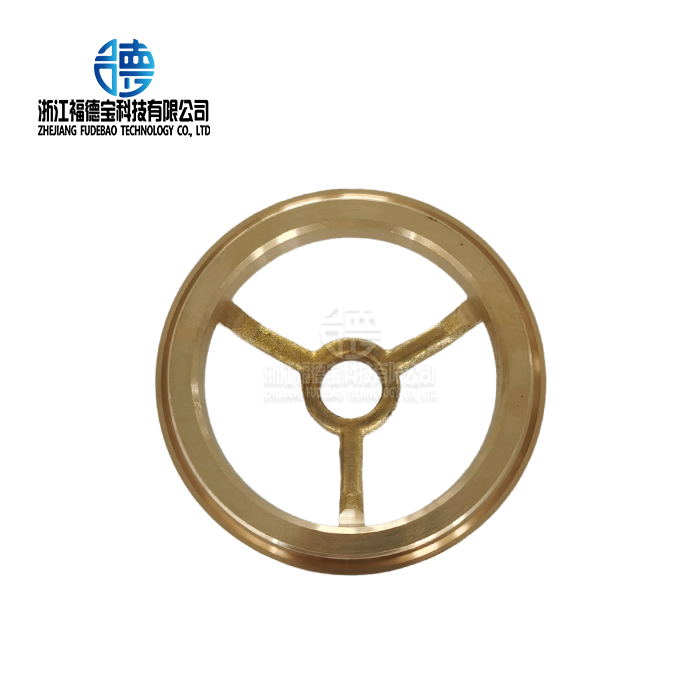
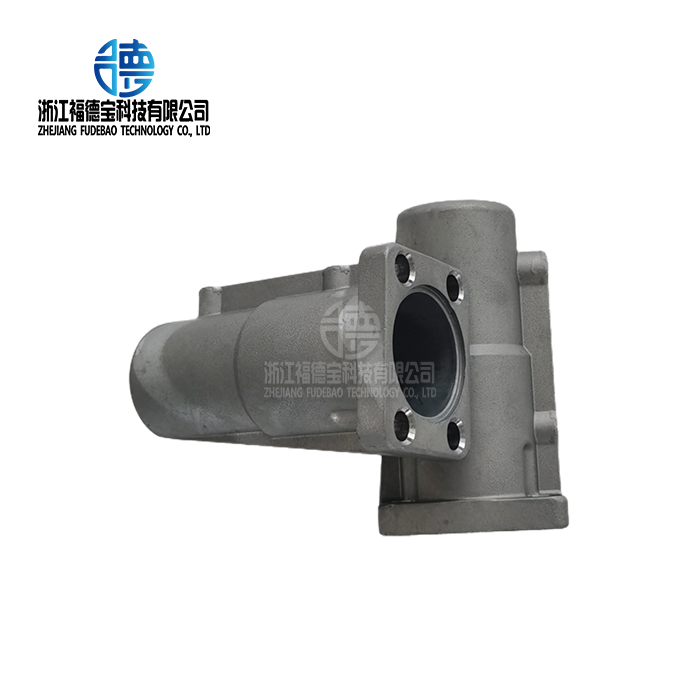
Aluminum die casting makes products stronger by injecting aluminum alloys in liquid form into precise steel molds under very high pressure. This makes parts with better mechanical traits and very high physical accuracy. This way of making things keeps the wall thickness even, the porosity low, and the surface smooth. It also keeps tight standards that are important for commercial uses. By using controlled cooling rates, choosing the best metal, and using precise casting, parts are made that keep their shape and strength in a wide range of situations.

These days, B2B buying teams are under more pressure to find parts that work well and are reliable. The strength of a product and how well it holds its shape over time are important factors that directly affect how well it can be used, how safe it is, and how well it manages costs in the long run. Automotive, aircraft, industrial machinery, and electrical equipment are all industries that need parts that keep their shape and structural stability during long service cycles.
This deep study looks at the basic ways that die casting technology makes parts stronger, the steps that are needed to make sure that dimensional consistency is maintained, and the ways that suppliers are chosen to make sure that quality outcomes are achieved in your procurement activities.
Understanding Aluminum Die Casting and Its Role in Enhancing Product Strength
Die casting is a method of making strong parts from aluminum by injecting the liquid metal under very high pressure, between 1,500 and 25,000 psi. This high-pressure setting forms a thick microstructure that gets rid of gaps and helps grains form evenly. This leads to mechanical qualities that are often better than those achieved with other casting methods.
Metallurgical Advantages of Pressure Die Casting
Aluminum alloys like A380, A383, and ADC12 are often used in die casting. When they are made under the right conditions, they have great strength-to-weight ratios. The quick hardening that happens in die casting improves the grain structure, making a fine, even microstructure that increases tensile strength and wear resistance. The yield strength of die cast aluminum parts depends on the metal and how it is made, and it is usually between 160 and 230 MPa. The tensile strength is usually between 290 and 325 MPa.
Process Control Parameters Affecting Strength
The pumping speed, how long the pressure is held, and how quickly the part cools are all important factors that affect the power of the end part. For the best mold filling with the least amount of instability, which could cause flaws, an injection speed of 1.5 to 3.0 m/s should be used. Using the right amount of holding pressure while solidifying the material stops shrinking pores and keeps the strength of the whole cross-section of the part.
The Aluminum Die Casting Process Steps That Ensure Dimensional Stability
Precision temperature management, mold design optimization, and post-casting processing methods all contribute to the dimensional stability of aluminum die casting components. Each step in the manufacturing process adds to the end accuracy of the dimensions, which meet or go beyond the required error levels.
Mold Design and Thermal Management
Precision mold engineering uses complex networks of cooling channels that control how quickly heat is taken out during the whole casting process. Uniform cooling stops differential thermal contraction, which causes warpage or physical warping. Today’s mold designs use computer-aided thermal analysis to find the best places for cooling channels. This makes sure that heat is always removed from complicated shapes.
Depending on how thick the wall and component shape are, temperature control methods keep mold surfaces within a small range, usually between 180°C and 250°C. This temperature stability means that the shrinking patterns and end sizes that engineering specs call for can be directly observed.
Post-Processing Machining and Finishing
Secondary cutting processes improve the physical precision beyond the limits of the as-cast process, getting accuracies of ±0.05mm or better on important features. CNC machining machines with high-speed wheels and precision cutting systems only remove a small amount of material while keeping the physical relationships that are important for assembly and function.
After making sure the correct dimensions are met, surface processes like anodizing or powder finishing are used to keep important standards, protect against rust, and make the part look better. Quality assurance methods check measurement compliance at a number of steps to make sure the end parts meet strict industry standards.
Comparative Analysis: Aluminum Die Casting vs Other Manufacturing Methods
The manufacturing method chosen has a big effect on how well the parts work and how much the production costs. A thorough side-by-side analysis shows the unique benefits of position die casting that make it the best choice for uses needing both strength and physical accuracy.
Mechanical Property Comparison
Because of slower cooling rates and bigger grain structures, sand casting usually makes parts with tensile strengths between 200 and 280 MPa. Investment casting is more precise but also more expensive. Magnesium die casting makes parts lighter but weaker. Aluminum extrusion gives great strength in the direction of the extrusion, but it can't make shapes that are as complicated as cast ones.
Die casting is a metal manufacturing technique that reliably gives you a good mix of strength, lightness, and cost-effectiveness. The mix of quick cooling and pressure consolidation produces microstructures that are perfect for harsh conditions and keeps the production efficiency that is needed for high-volume uses.
Dimensional Accuracy and Surface Finish
A comparison shows that die casting can make most features with as-cast tolerances of ±0.1mm, which is a lot better than sand casting's tolerances of ±0.5mm or more. The sharpness of the surface is usually between Ra 1.6 and 3.2 micrometers. This lowers or gets rid of the need for extra finishing in many cases.
Real-World Applications and Case Studies Showcasing Strength and Stability Benefits
The improved aluminum die casting process gives better strength and physical stability to objects. These are seen to work in real life when they are used in industry. These examples show that choosing the right metal and carefully controlling the process can lead to noticeable performance gains in a wide range of areas.
Automotive Industry Success Stories
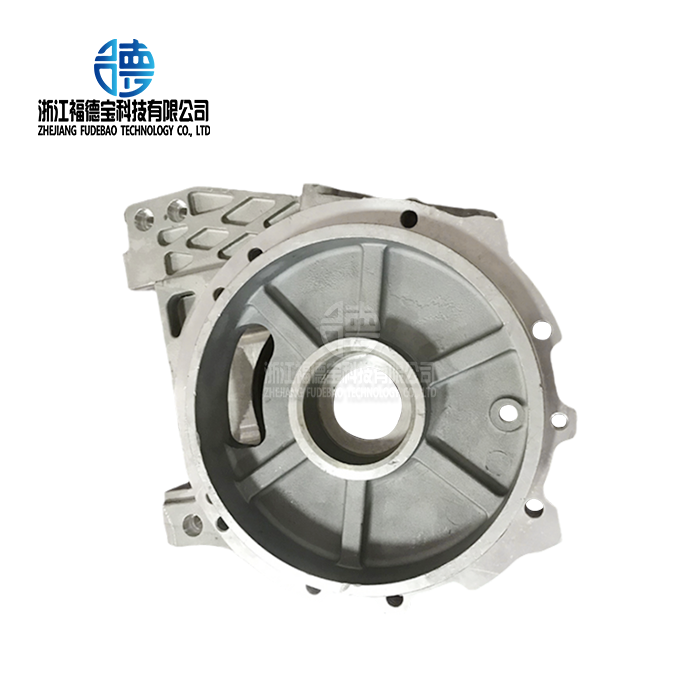
Parts for automotive transmissions made with high-pressure die casting show great dimensional stability even when they are heated and cooled. As temperatures range from -40°C to 150°C, these parts keep important bore angles within 0.02mm. This makes sure that the gear mesh patterns stay the same and the service life is longer. Losing 25% to 30% of the weight compared to iron options makes it easier to fuel while keeping the structure needed for high-torque uses.
Industrial Equipment Applications
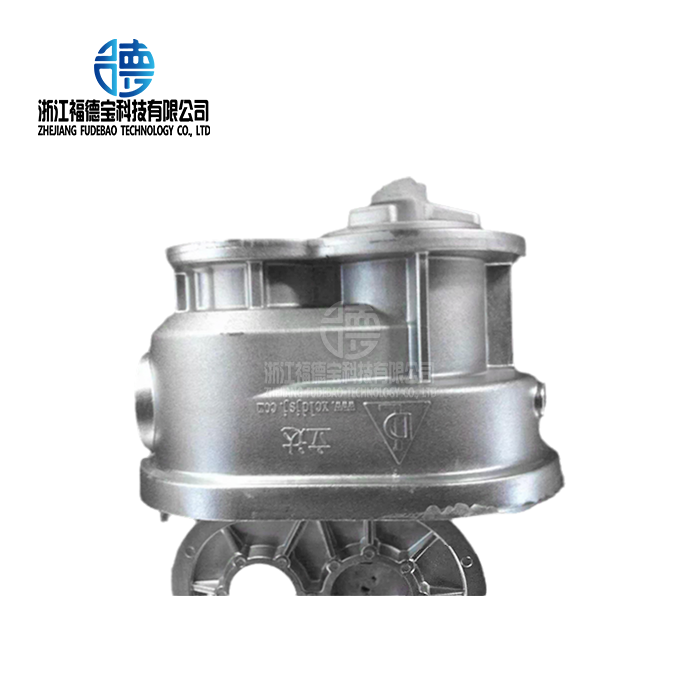
Pump housings and valve bodies are made from die cast aluminum so that they won't rust and will keep their shape. This is important for any application that involves handling fluids. Case studies show that properly treated parts keep the shape of the sealing surface within 0.05 mm after 10,000 pressure cycles. This is a lot better than parts made in other ways and also cuts the weight of the whole system by 40%.
Aerospace Component Performance
When you use precision die casting to make avionics housings and structural brackets, you can meet the strict quality standards of the aerospace industry. Plus, you can hit the weight goals that are so important for how planes fly. Parts show a wear life of more than 100,000 rounds under certain load conditions. They also keep their physical stability within the military tolerance range of temperatures during use.

Enhancing Trust in Aluminum Die Casting Suppliers and Services
The way you choose a supplier affects the quality of the parts they make, how reliably they deliver, and how well you control costs in the long run. A thorough review method makes sure that the partners you work with are makers who can always meet or beat your performance standards.
Quality Certification and Process Capability
ISO 9001 for quality management systems, IATF 16949 for car quality standards, and AS9100 for aircraft needs are all important qualifications. Advanced providers use statistical process control systems that track important factors as they happen. This gives proof of process stability and capability indices over 1.33 for key characteristics.
In the most advanced production centers, there are automatic systems for handling, tracking temperatures in real time, and coordinate measuring machines for checking dimensions. These skills make sure that the quality stays the same and that production efficiency is kept up so that the company can offer low prices and deliver on time.
Partnership Benefits with Fudebao Technology
Fudebao Technology pairs cutting-edge manufacturing with full engineering help to find the best answers for difficult uses. Our building has CNC lathes, machining centers that use high-speed technology, and precise aluminum die casting tools that cover the whole production process, from melting the metal to treating the surface.
Quality assurance routines include checking materials when they arrive, watching the process, and doing final inspections to make sure that the work meets customer standards. Our team helps with engineering during the whole planning and development process. We keep costs down by fine-tuning the shape of parts and the details of the production process to get the performance you want.

Conclusion
Aluminum die casting gets rid of common casting problems and improves microstructure by using controlled high-pressure processing to give products great strength and physical stability. By using advanced metal materials, precise machining, and strict process oversight, they are able to make parts that always meet the high performance standards required in the automobile, industrial, aircraft, and electrical fields. Choosing the right suppliers gives you access to the systems and production skills that are necessary for the project to go well. As process tracking gets better and new alloys are developed, the technology keeps changing. These changes make things stronger and more accurate in terms of size.
FAQs
What are the main defects to watch for in aluminum die casting and how can they affect product strength?
Porosity, cold shuts, and shrinking gaps are the main problems. The pores in a material lower its tensile strength by 15-25% and create spots where stress is concentrated. These spots make it easier for cracks to form. Cold shuts happen when streams of metal don't bond correctly, making the part much weaker. Shrinkage gaps usually form in thick parts and make them less able to hold heavy loads. Proper process control, which includes improved injection settings, good venting, and controlled cooling rates, keeps these flaws from happening and maintains the strength of the structure.
How does choosing a metal affect the ability of aluminum die cast parts to keep their shape?
Choosing an alloy directly affects the temperature expansion factors and age-hardening features that affect the long-term stability of the dimensions. The A380 alloy has great physical stability and doesn't change in size over time. The A383 alloy, on the other hand, has better flow, which makes it easier to cast parts with very complex shapes. Silicon affects how quickly materials expand when heated, and metals with more silicon in them show less change in size when going through thermal cycle. Adding copper makes things stronger, but in some settings, it might make them more likely to fail due to stress rust. The right choice of metal matches the need for strength with the need for physical stability in different situations.
Can aluminum die casting handle complicated shapes without losing strength?
With the help of improved gate systems and controlled fill patterns, modern die casting methods can make complicated shapes without losing strength. When done correctly, parts with walls as thin as 1.5 mm gain their full strength. Advanced machine designs make it possible to create complex internal features like undercuts, threads, and complicated pathways. Multi-slide tools methods make it possible to make parts with features that don't need to be put together in other ways of making things. When injection settings and cooling rates are correctly set, strength values stay the same in complicated shapes.
Partner with Fudebao Technology for Superior Die Casting Solutions
Fudebao Technology is ready to take your parts needs and turn them into precisely made solutions that work better than expected. Our wide-ranging manufacturing skills in melting, casting, cutting, and surface treatment make sure that finished parts maintain their strength for important uses and are accurate to within ±0.05mm.
We are an established aluminum die casting maker, and we provide the automobile, industrial equipment, and aircraft sectors around the world with proven knowledge of high-strength metal processes and dimensional control. Our state-of-the-art building has production systems that keep quality uniform from the pilot stage to high-volume production. These systems also help us stay competitive in terms of delivery times.
Support engineering services can help you with optimizing designs, choosing materials, and creating processes that are tailored to the needs of your application. Quality approvals and statistical process control systems provide proof that results will always be the same and meet the highest standards in industry. To talk about how our precision die casting can improve your product and make production more efficient, please email us at hank.shen@fdbcasting.com.
References
Campbell, J. (2015). Complete Casting Handbook: Metal Casting Processes, Metallurgy, Techniques and Design. Butterworth-Heinemann Publications.
Vinarcik, E.J. (2003). High Integrity Die Casting Processes: Technology and Applications for Automotive and Advanced Industrial Markets. John Wiley & Sons.
Kaufman, J.G. & Rooy, E.L. (2004). Aluminum Alloy Castings: Properties, Processes, and Applications. ASM International Materials Park.
Beeley, P.R. (2001). Foundry Technology: A Source Book of Information on Metal Casting and Related Processes. Butterworth-Heinemann Technical Publications.
Shivkumar, S., Ricci, S., & Apelian, D. (1990). Influence of Solution Parameters and Simplified Supersaturation Treatments on Tensile Properties of A356 Alloy. AFS Transactions, Volume 98.
Wang, Q.G., Apelian, D., & Lados, D.A. (2001). Fatigue Behavior of A356-T6 Aluminum Cast Alloys Under Controlled Atmosphere Conditions. Materials Science and Engineering Journal, Volume A297.



_1756350046757.webp "Heat sink aluminum casting")
_1756348780785.webp "porting turbo compressor housing")