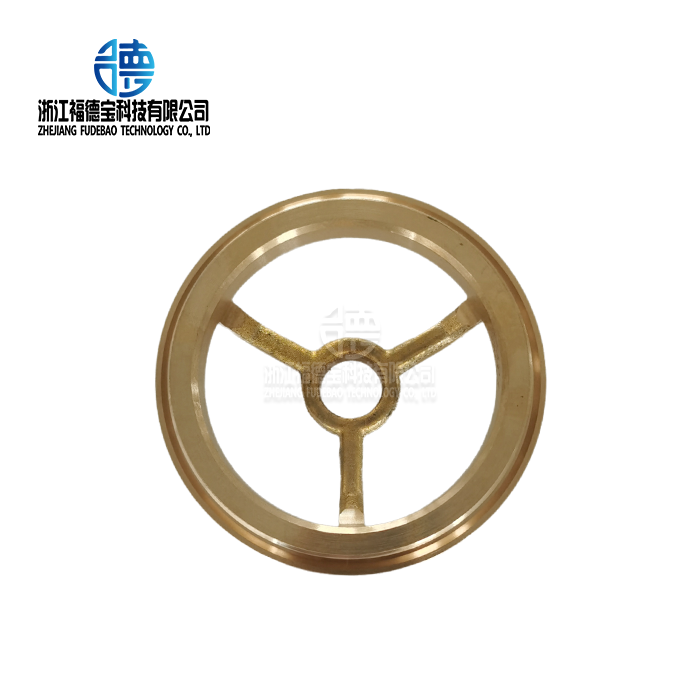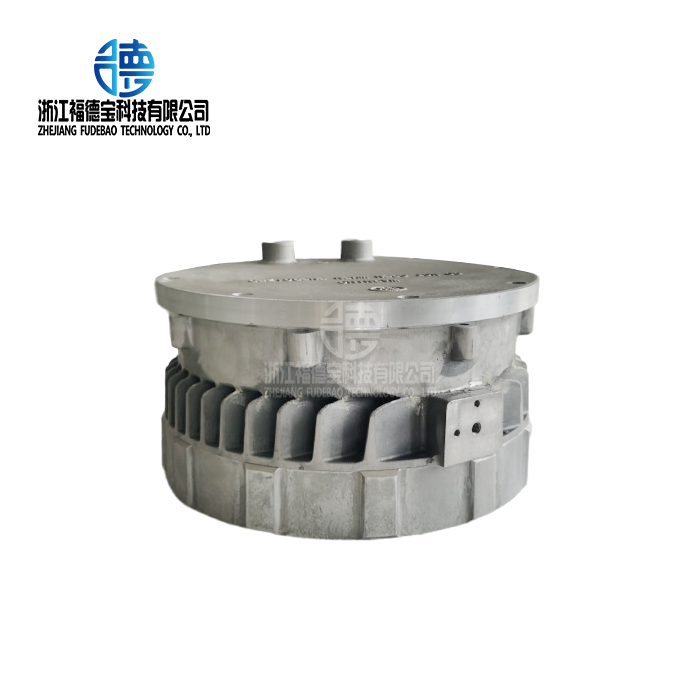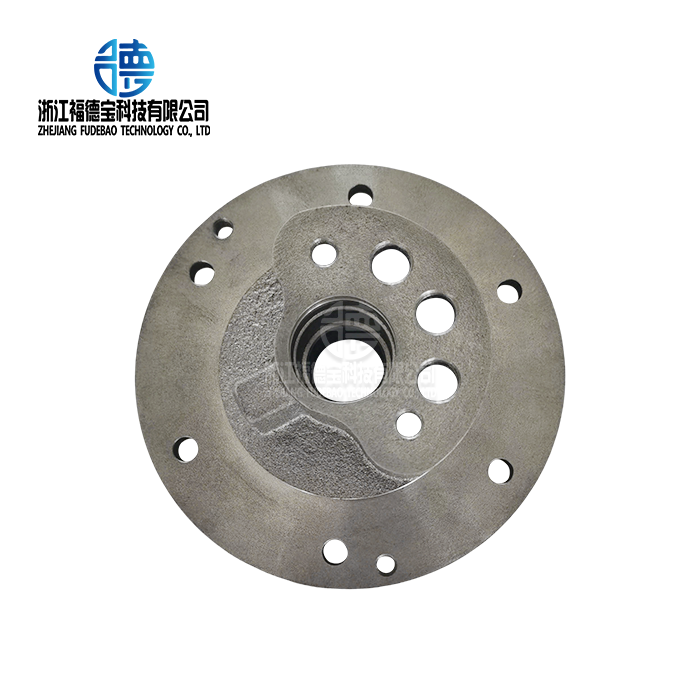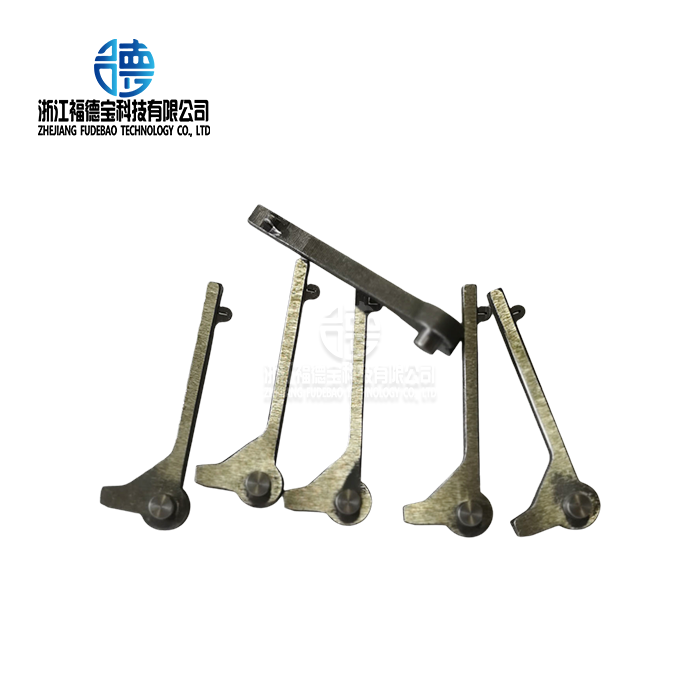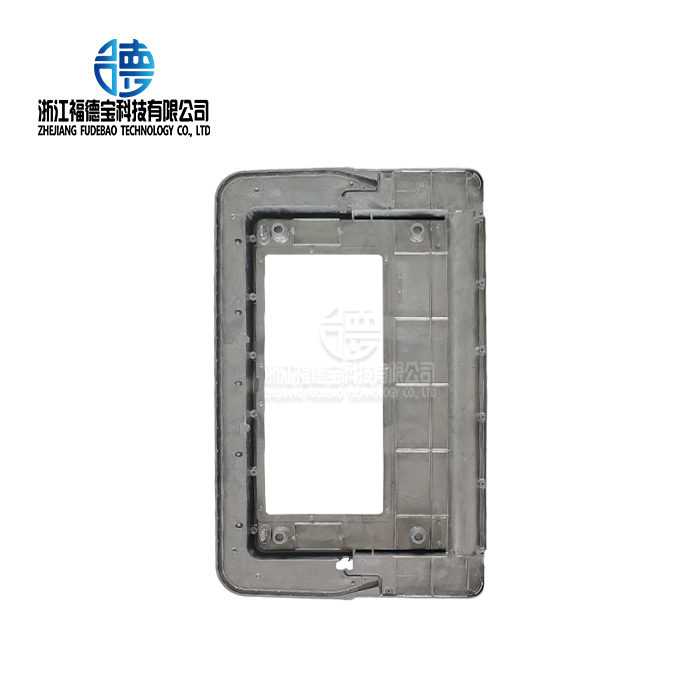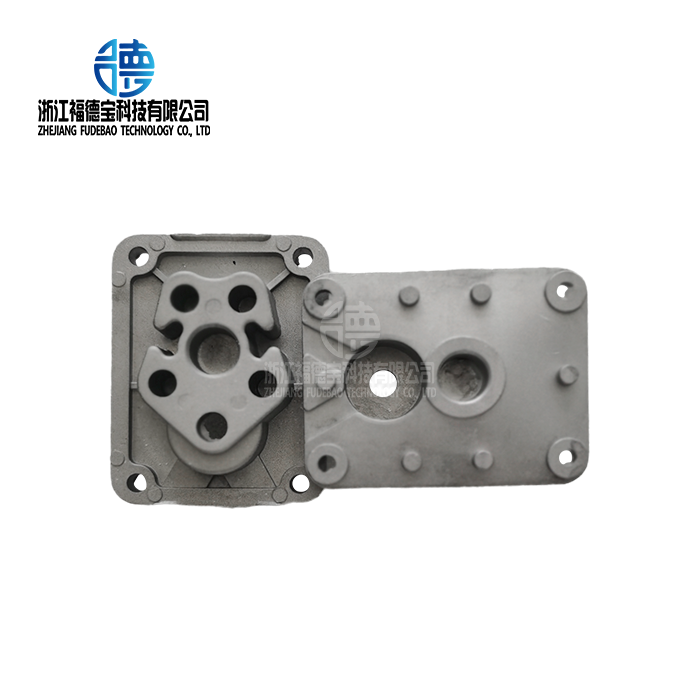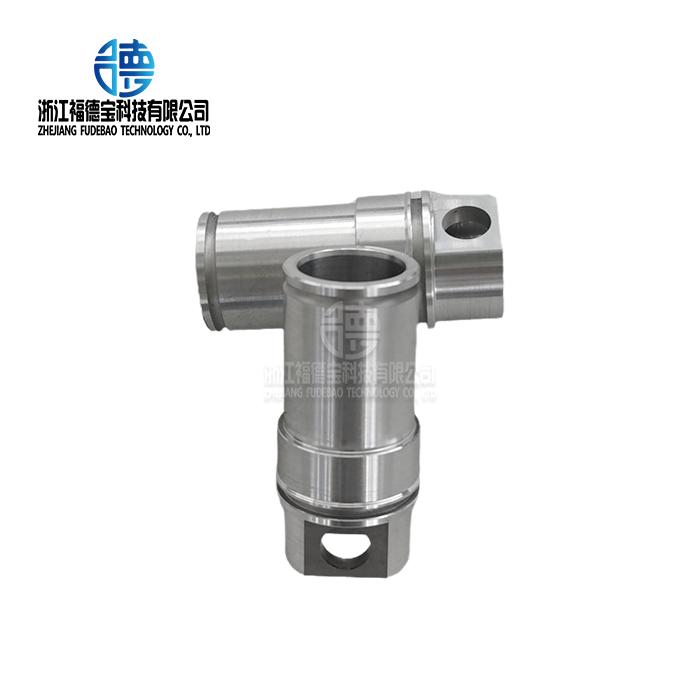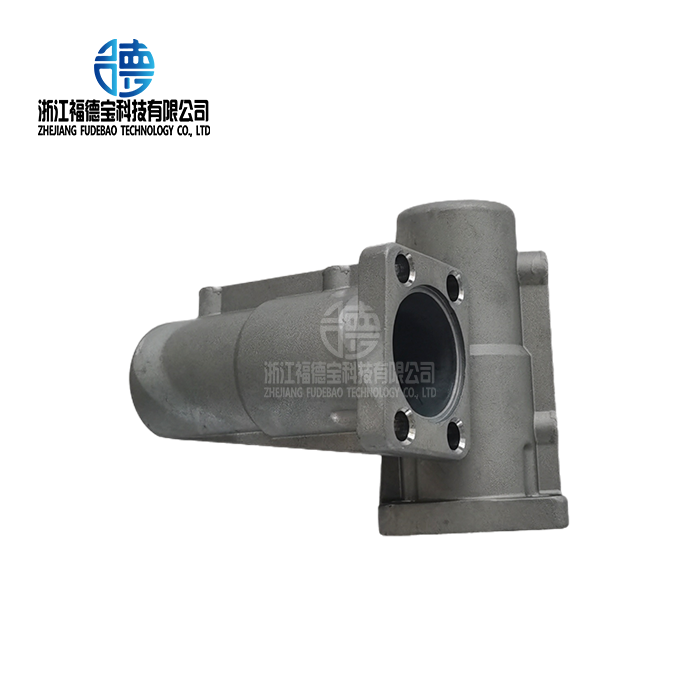
Adding both casting and CNC machining to ODM services is a big step forward in modern production partnerships. This method uses computer-controlled cutting and different casting methods together to make full components that are ready to be used. Unlike traditional manufacturing models, complete ODM services handle everything from initial design ideas through final production, giving companies a direct route from prototype to market. CNC cutting in these services makes sure that the dimensions and surface finish meet the strictest standards in the automobile, aircraft, and industrial equipment sectors.

Understanding ODM Integration in Modern Manufacturing
Original design manufacturing has changed the way businesses make and build products. When ODM services mix casting with precision cutting, producers can access a wide range of services in just one place. This combination gets rid of the hassle of dealing with a lot of different providers and makes sure that the quality standards are always the same during the whole production cycle.
Casting and CNC cutting work well together, which saves money and makes the best use of materials. Casting makes the basic form of the part with near-net geometry. Then, tight tolerances and exact surface finishes are made possible by milling. When this combo is used instead of using either process by itself, it reduces material waste, shortens wait times, and gives better control over dimensions.
These days' CAD and CAM tools make it easy to go from casting design to milling processes. Engineers can improve both processes at the same time. When they are working on the first casting design, they have to think about things like how accessible milling is, how effective the toolpath is, and how the clamp is designed. This all-around method makes parts that can be made and are cheap, too.
Our Comprehensive ODM Manufacturing Strengths
Zhejiang Fudebao Technology brings decades of expertise in aluminum alloy, copper alloy, and stainless steel casting combined with advanced precision machining capabilities. Our facility houses high-speed machining centers, CNC lathes, low-pressure casting machines, and die casting equipment, creating a complete "melting-casting-finishing-surface treatment" production line.
Our CNC machining manufacturing strength lies in achieving tolerances up to ±0.05mm, meeting the stringent requirements of automotive precision parts and medical equipment housings. The integration of 3-axis and 5-axis machining centers allows us to handle complex geometries that would be impossible with traditional manufacturing approaches. This capability has enabled us to become a direct supplier to international brands including American HAAS automation machine tools and ESS energy storage systems.
Quality control methods in our entire building make sure that no matter how much we produce, the products are always the same. Our methods always keep the same level of accuracy and dependability, whether it's concept development or production runs with a lot of units. High-tech inspection tools check both casting stability and finished surface finish. This gives aircraft and car uses full tracking.
Our supply chain management capabilities support flexible batch production, accommodating everything from small prototype runs to large-scale manufacturing programs. This scalability makes us an ideal partner for companies at any stage of product development or market expansion.
Complete Customization Capabilities
Physical design customization begins with our casting capabilities, supporting aluminum die-casting, sand casting, and low-pressure casting processes. Each method offers unique advantages: die-casting provides excellent dimensional consistency for high-volume production, sand casting accommodates larger components with complex internal geometries, and low-pressure casting delivers superior material properties for structural applications.
Functional customization extends through our CNC programming expertise, where we develop optimized toolpaths for specific component requirements. Whether your application demands superior surface finish for electrical conductivity, precise mounting features for assembly operations, or complex internal channels for fluid flow, our machining capabilities deliver the required functionality.
A wide range of metals that are best suited for certain uses are chosen as part of the material selection process. Automotive parts are made better by aluminum metals that are light and have great strength-to-weight ratios. When using industrial tools, materials that can better withstand heat and rust are needed. Parts of the electrical, energy, and power sectors use materials that have the best temperature control and conductivity properties.
Adding technology means using more advanced automated systems that make sure the standard and speed of output are always the same. Our CNC machines use the newest G-code writing methods, which allow for complicated cutting processes that don't take a lot of time to set up. Automated inspection systems check the accuracy of dimensions during the production process to make sure that the quality standards needed for important uses are met.
The Strategic ODM Advantage
Co-developing new CNC machining solutions with our clients creates competitive advantages that extend beyond simple manufacturing cost savings. Our engineering team collaborates during the design phase, identifying opportunities to optimize both casting and machining processes for improved performance and manufacturability.
Working together like this often leads to changes in the CNC machining design that greatly lower the cost of production and also improve the performance of the parts. Engineers might suggest moving finished parts to places that cut down on tool changes or changing the way castings are made to get rid of secondary processes. These kinds of changes can lower the time it takes to make things by 20–30% and make the quality of the parts better.
Innovation partnerships allow us to develop specialized solutions for unique application requirements. Recent collaborations have resulted in hybrid manufacturing processes that combine multiple casting techniques with advanced machining operations, creating components that would be impossible to produce using conventional methods.
Market responsiveness improves dramatically when casting and machining operations are integrated under comprehensive ODM management. Design changes can be implemented quickly across both processes, enabling rapid prototyping and shortened development cycles that help clients reach market faster than competitors using traditional supply chain approaches.

Our Streamlined Development Process
The first step in the meeting is to understand your unique needs for the application, how much traffic you expect, and what your quality standards are. Our engineering team figures out the best mix of casting and cutting methods to meet your performance goals while keeping the cost of production low. Material selection, process capability evaluation, and output schedule creation are all parts of this analysis.
In design teamwork, the shape of each part, how much leeway there is in the tolerances, and the surface finish standards are looked at in great depth. Our CAD/CAM experts work directly with your engineers to improve the speed of casting and the ease of milling. This step often finds chances to save money and boost performance. These chances might not be clear when processes are handled one at a time.
The prototype growth shows the whole production process, from the first casting to the last cutting and surface treatment. Prototype confirmation includes checking the dimensions, verifying the material properties, and trying the functions to make sure the parts meet all of the stated needs. This stage gives you faith in the production process before you spend money on tools and make a lot of copies.
Production scaling utilizes our flexible manufacturing capabilities to accommodate changing volume requirements. Whether you need small batch production for market testing or high-volume manufacturing for established products, our integrated processes maintain consistent quality and delivery performance throughout all production phases.
Measurable Benefits for Your Business
Cost optimization through integrated CNC machining manufacturing typically reduces total component costs by 15-25% compared to managing casting and machining suppliers separately. This reduction comes from eliminated transportation costs, reduced inventory requirements, and optimized process integration that minimizes material waste and production time.
Quality consistency improves when both casting and machining operations operate under unified quality management systems. Component variations decrease significantly because process parameters are coordinated across all manufacturing stages. This consistency is particularly valuable for automotive applications requiring PPAP documentation and aerospace applications demanding complete traceability.
Simplifying the supply line lowers the cost of running the business and helps people communicate better. Managing just one ODM partner instead of several specialized suppliers gets rid of the need to coordinate with others and lowers the risk of delays in delivery caused by interdependencies between suppliers. This reduction usually makes buying more reliable and cuts costs by 10–15%.
Technical support becomes more comprehensive when casting and machining expertise reside within the same organization. Problem resolution happens faster because engineers understand the complete production process. Design modifications can be evaluated and implemented more efficiently, supporting continuous improvement initiatives that enhance product performance over time.

Conclusion
The addition of CNC machining to casting in complete ODM services gives producers new ways to save money, improve quality, and get products to market faster. This method gets rid of the usual steps in the process and makes new designs possible that couldn't be done with standard ways of making things. Businesses that go with combined ODM partnerships put themselves in a position to get benefits over and above the lower costs, getting help from engineers who work on a lot of different projects and production that can change when the market needs it to. These days, the manufacturing world is very competitive. To succeed, companies need to work with suppliers that can offer full solutions instead of just single processes.
FAQs
What tolerance levels can you achieve combining casting with CNC machining?
Our integrated processes achieve tolerances up to ±0.05mm on machined features while maintaining casting dimensional consistency within ±0.2mm. The combination allows us to cast near-net shapes and machine only critical surfaces, optimizing both accuracy and cost efficiency. This approach is particularly effective for automotive housings and aerospace structural components where weight reduction and precision are equally important.
How does your ODM approach reduce development time compared to traditional manufacturing?
When you cast and machine things at the same time instead of one after the other, integrated design optimization usually cuts the development cycle by 30% to 40%. Our engineers can spot possible problems with manufacturing early on in the planning part. They can also come up with ways to make both processes more efficient. This method to parallel development gets rid of the steps that are often repeated when processes are handled independently.
What volume ranges can your comprehensive ODM services accommodate effectively?
Our flexible manufacturing systems support volumes from prototype quantities of 10-50 pieces through high-volume production exceeding 100,000 annual units. Low-volume applications benefit from our sand casting and CNC machining combination, while high-volume programs utilize die-casting with automated machining lines. This scalability allows clients to use the same supplier throughout their entire product lifecycle.
Partner with Fudebao Technology for Superior CNC Machining Solutions
Comprehensive ODM services combining casting and precision machining represent the future of efficient manufacturing partnerships. Zhejiang Fudebao Technology has established itself as a benchmark enterprise in this integrated approach, serving global automotive, industrial equipment, and aerospace clients with solutions that exceed traditional manufacturing limitations.
Our CNC machining proven track record includes successful partnerships with international brands who require both innovation and reliability in their manufacturing supply chains. The combination of advanced equipment, experienced engineering teams, and comprehensive quality systems positions us as your ideal CNC machining supplier for projects demanding excellence in both casting and precision machining operations.
Ready to explore how integrated ODM services can transform your manufacturing approach? Contact us at hank.shen@fdbcasting.com to discuss your specific requirements and discover the advantages of partnering with a comprehensive manufacturing solution provider.
References
Smith, J.A. (2023). "Advanced Manufacturing Integration: Combining Casting and CNC Technologies." Journal of Manufacturing Science and Engineering, Vol. 145, Issue 8.
Chen, L.M. & Rodriguez, P. (2023). "ODM Services in Modern Industrial Production: A Comprehensive Analysis." International Manufacturing Review, 28(4), 234-251.
Thompson, R.K. (2022). "Precision Machining Integration with Cast Components: Process Optimization Strategies." Manufacturing Technology International, 67(3), 89-104.
Williams, S.D. et al. (2023). "Supply Chain Optimization Through Integrated ODM Manufacturing." Industrial Engineering Quarterly, 45(2), 156-172.
Zhang, H.W. (2023). "Aluminum Alloy Casting and CNC Machining: Advanced Integration Techniques." Materials Processing Technology Today, 39(7), 445-462.
Johnson, M.P. & Liu, X.Y. (2022). "Quality Management Systems in Combined Casting-Machining Operations." Quality Engineering International, 54(6), 78-95.