How Aluminum Die Casting Improves Drone Component Production
2026-05-22
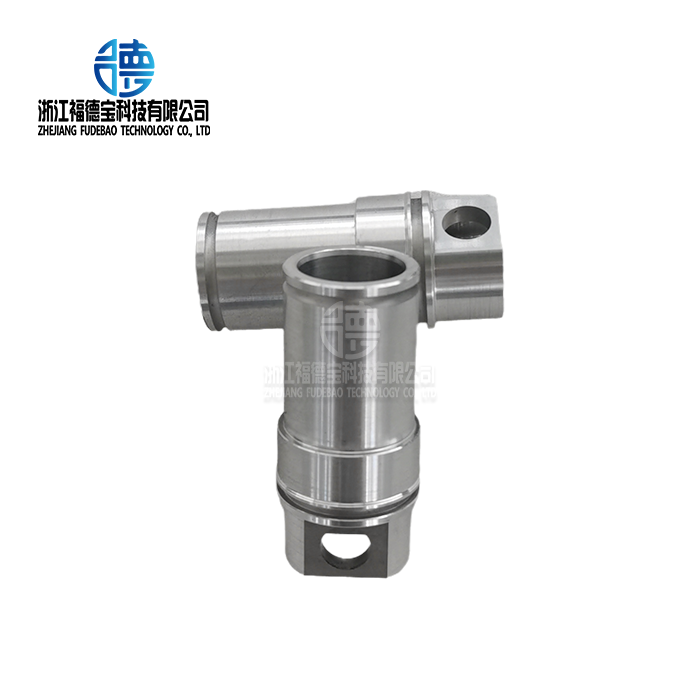
Aluminum die casting changes the way drone parts are made by making it possible to make parts that are very light, strong, and precisely measured. Using high pressure, this method pours liquid aluminum into precise steel molds, making complicated shapes that can't be made cheaply with standard machining. The outcome solves important aircraft problems like lowering the weight of the airframe to allow for longer flight times, keeping the structure's integrity under vibration and thermal stress, and meeting the tight standards needed by current drone systems where even small differences can hurt performance.
Understanding Aluminum Die Casting in Drone Component Production
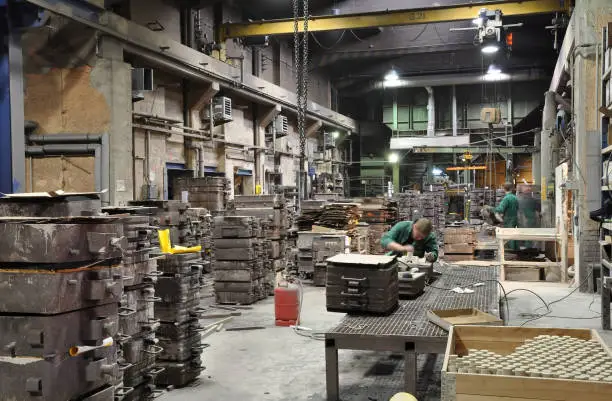
The basics of this way of making things show why it's become so important for making drones. At its core, the process works at pressures higher than 10,000 psi, pushing molten aluminum metal into complexly shaped hardened steel molds. This fast injection and solidification cycle makes parts with surfaces that are often better than sand casting. It also gets rid of the need for extra steps that add to the production time, which speeds things up.
The Technical Foundation of Die Casting for Aerospace Applications
Certain aluminum alloys, like A380 and ADC12, are used by drone makers because they have the best strength-to-weight ratios. The density of these materials is about 2.7 g/cm³, which is about a third of the density of steel. They also have tensile powers that are good for structural parts. The natural oxide layer that forms on metal surfaces makes them resistant to corrosion. This is very important for drones that work near wet coastlines or at different elevations where condensation forms.
Stability in terms of dimensions is another important factor. Modern die casting can get tolerances as close as 0.05 mm, which means it can meet flight standards without a lot of work. For parts like drone motor mounts, gimbal housings, and battery casings, where misalignment can lead to catastrophic failures during flight, this level of accuracy is important.
Material Properties Driving Drone Design Innovation
Aluminum is great for getting rid of heat in drone electronics because it has a thermal conductivity range of 96 to 120 W/m·K. Power distribution boards and high-performance flight controls put out a lot of heat. Aluminum frames and housings effectively move heat away from sensitive parts, keeping the system from slowing down or shutting down during intense flight movements.
The electromagnetic shielding properties of the material keep guidance and transmission devices from getting messed up. Unlike carbon fiber composites, which can block GPS signals, metal enclosures let RF signals through when they are built with the right holes, protecting the electronics inside from electromagnetic disturbances from the outside.
Addressing Common Manufacturing Defects
Porosity is still the main issue in making drone parts. When gas is injected, it forms tiny holes in the structure that weaken it under repeated loads, which is always a problem in drone applications that are prone to vibration. To reduce this flaw, modern makers use vacuum-assisted die casting and controlled cooling rates. Proper mold venting and degassing of molten aluminum before injection lower porosity even more to levels that are suitable for aircraft use.
Warping happens when differences in temperature make solidification uneven. Drone parts with different wall thicknesses, like camera mounting pieces with built-in ribs, need carefully planned cooling channel patterns in the die. After casting, heat treatment methods, such as T6 tempering, improve mechanical qualities and restore stability in dimensions.
Advantages of Using Aluminum Die Casting for Drone Components
Die casting is the best way to make drone parts because it reduces weight, improves mechanical performance, and saves time and money during production. Unlike subtractive manufacturing methods that lose material when they machine, this near-net-shape process uses up to 95% of the metal that is put into it, which has a direct effect on the cost of production.
Weight Optimization Without Structural Compromise
When making a drone, every gram counts. A business mapping drone carrying LiDAR equipment has strict payload limits. Improving the aluminum castings to cut the frame weight by 200 grams increases flight time by several minutes, which means that the drone can cover a larger area in a single battery run. Die casting lets you make thin walls (as little as 1.5 mm) while still keeping the load-bearing capacity by using smart ribbing patterns that you can't get with welded parts.
Precision in Complex Geometries
Aluminum die casting in Drone arms with motor mount threads, wire routing channels, and aerodynamic fairings is a good example of how well die casting can handle geometric complexity. Multiple-piece systems that need fasteners and more failure spots and assembly work are replaced by a single die-cast component. The process makes sure that small details like mounting bosses, lighting pockets, and snap-fit interfaces are always the same across production runs, which is important for flexible drone platforms that need parts that can be switched out.
Economic Scalability Across Production Volumes
When procurement teams look at different ways to make things, they have to weigh the set cost of tools against the cost of making each item. Die casting is cheaper than CNC machining after 500 units, when the costs of the tools are amortized and fall below those of CNC cutting. The short cycle times—usually 30 to 90 seconds per part—allow flexible production schedule that adapts to changing market demand without building up too much inventory.
Material efficiency is more than just using raw metal efficiently. Compared to fully made parts, parts that only need minimal secondary machining use less energy and wear out tools less quickly. Anodizing and chromate conversion coating are two surface treatments that work well with production processes and give final parts that are ready to be put together.
How Aluminum Die Casting Enhances Drone Component Performance
Differentiating performance in the drone market depends on how reliable parts are when they are under a lot of stress. Die-cast aluminum parts go through a lot of tests to make sure they are safe and suitable for use in aircraft uses, where failure could mean the loss of a mission or an accident.
Structural Integrity Through Advanced Metallurgy
As-cast microstructures can be turned into high-performance materials through heat treatment. The T6 temper method, which includes solution heat treatment and artificial aging, raises the yield strength by up to 40% compared to the material's state when it was first made. This improvement is very important for the parts of the drone's landing gear that take impact loads during operations on rough ground or emergency landings.
Fatigue Resistance for Operational Longevity
When moving parts, like propeller hubs, go through millions of stress cycles, fatigue resistance becomes very important. When Aluminum die casting is processed correctly, die-cast aluminum shows expected fatigue behavior, and its endurance limits are high enough for business drones to last more than 1,000 flying hours. Controlling the rate of cooling during casting lowers the internal forces that cause cracks to start spreading when the load is changed.
Corrosion Resistance for Operational Longevity
Corrosive environments are encountered by drones that are used for marine observation or agricultural spraying. Anodized aluminum surfaces form protective oxide layers that are up to 25 microns thick. These layers protect the metal from salt spray and chemicals that break down metals that haven't been treated. This makes it last longer between services and lowers the total cost of ownership, which are both important factors for business fleet managers who have to manage maintenance funds.
Because aluminum alloys don't corrode naturally, they don't need the heavy protective coatings that steel parts do. This means that the weight benefits of the product last throughout its lifespan.
Multifunctional Design Integration
Modern die casting allows topology optimization when there is material available only when structure analysis shows that it is needed. This method is used in drone camera stabilization gimbals, where die-cast housings combine bearing seats, motor mounts, and encoder interfaces into a single structure that weighs 30% less than similar machined assemblies and offers better vibration damping through optimized wall thickness gradients.
Comparing Aluminum Die Casting with Other Manufacturing Techniques for Drone Parts
To make smart purchasing choices, you need to know the pros and cons of each making method. Each method has its own benefits, and the best one to use relies on the amount of work to be done, the difficulty of the shapes, the materials needed, and the budget.
Die Casting Versus CNC Machining
CNC cutting is great for making prototypes and very small amounts of products when the cost of tools is too high to justify. When complicated drone parts are machined from cast aluminum, 60–80% of the material is wasted. This is bad for business, and it's getting worse as the cost of raw materials goes up. When grinding processes are done one after the other, lead times get longer. Die casting, on the other hand, makes whole parts in a single cycle.
For most drone uses, the accuracy of the dimensions stays about the same between the two ways. Die casting can achieve ±0.05mm tolerances on important features, which is the same as cutting but much cheaper per unit above break-even numbers, which are usually between 300 and 500 units, depending on how complicated the part is.
Investment Casting and Sand Casting Comparisons
Investment casting has better surface finishing and can handle more complicated internal shapes than die casting, but it has slower cycle times that make it unsuitable for making a lot of drones. The method works well for low-volume aircraft uses where the cost of tools needs to be spread out over a number of smaller production runs.
Sand casting requires the fewest tools, but the surface quality isn't as good and there are bigger differences in the sizes of the parts. When drone parts are sand cast, they need a lot of extra cutting, which cancels out the initial cost savings. The method can still be used, but only for very small amounts or for large structure parts that are too big for a die casting machine to handle.
Material Alternatives: Magnesium and Zinc
Die casting magnesium is 35% lighter than aluminum die casting, which saves even more weight. However, it raises worries about rusting and costs more for materials. Even though magnesium has some problems, it is still useful for drones that need to be as light as possible, like race quadcopters. Zinc die casting is better at accurate measurements and smooth surfaces than aluminum, but it weighs almost three times as much, so it can only be used for small, non-structural parts like connector housings.
Selecting the Right Aluminum Die Casting Partner for Drone Components
Supplier choice is just as important to the success of a program as design optimization. For aerospace drone parts, companies that make them need to have quality systems, expert skills, and quick contact that fits with development schedules.
Evaluating Quality Certifications and Experience
As a minimum, sellers should have ISO 9001 certification. sellers that work with aircraft should keep AS9100 certification, which shows they know about traceability requirements and paperwork standards. Check the supplier's track record in similar projects. If they have experience making vibration-sensitive parts or lightweight structure parts, it means they will need less time to qualify and have fewer problems during production.
Ask for material test results and process capability studies that show statistical control over important dimensions. For key features, capable providers give Cpk values higher than 1.33, which means their processes are strong and keep tolerances even when usual variations happen.
Technical Capability Assessment
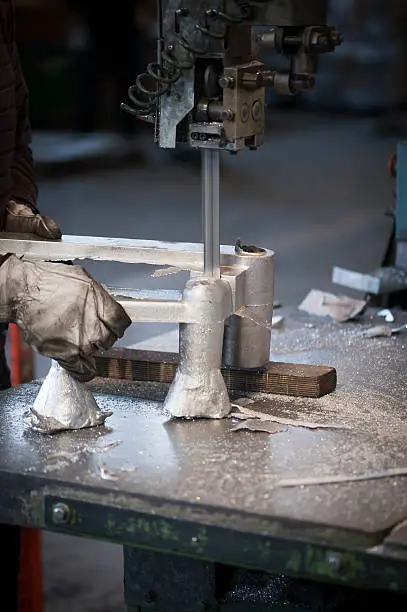
More than just normal die casting tools is needed to make complex drone parts. For secondary operations, suppliers should have multi-axis CNC machining centers. They should also have coordinate measure machines for checking the sizes, and surface treatment facilities for finishing processes. This unified ability gets rid of the delays and quality concerns that come with outsourcing operations.
Find out how modeling software is used when designing tools. Mold flow analysis is used by advanced suppliers to predict fill patterns and find possible flaws before the tool is made. This proactive method cuts down on sample changes and speeds up the time it takes to get ready for production.
Best Practices for Request for Quotation
Quotes are more accurate when requirements are very exact. Give 3D CAD models with sized drawings that show important features, required surface finishes, and material details. Include yearly volume estimates and shipping dates so that providers can suggest the best ways to make the goods.
Instead of telling people how to make something, make sure you clearly explain the functional needs. Experienced providers may offer changes to the design that lower costs or make it easier to make without affecting performance. Working together with other people to find optimization opportunities is a common way to find them during the design phase.
The high-speed machining centers, CNC lathes, and die casting tools that Zhejiang Fudebao Technology runs can support full "melting-casting-finishing-surface treatment" processes. The factory makes precision parts that meet the ±0.05mm standards needed for use in aircraft and automobile uses. It does this by having direct supply ties with foreign brands, such as American automation equipment makers.
Conclusion
The unique mix of lightweight qualities, geometric freedom, and high production efficiency in aluminum die casting solves some of the most important problems in making drone parts. The process lets designers make structures that are better at what they do and last longer while still meeting the high standards for accuracy in measurements and consistency in materials needed for aircraft uses. Scalable production costs and established supply chains that support flexible delivery plans are good for procurement teams. As drone technology improves and becomes more autonomous and able to operate in larger areas, die-cast aluminum parts will continue to be essential for meeting performance goals while staying within the limits of what is commercially viable.
FAQ
What aluminum alloys work best for drone components?
Because their qualities are balanced, A380 and ADC12 metals are most often used in drones. The A380 is good at fluidity for thin-wall casts and doesn't rust, so it can be used for structure frames and shelters. ADC12 gives load-bearing parts like motor mounts and landing gear a little more power. The choice of alloy relies on the mechanical needs, the working area, and the surface finish that is wanted.
How do die casting costs compare to machining for drone parts?
Die casting costs more up front for the tools—usually between a few thousand and tens of thousands of dollars, based on how complicated the part is—but it costs less per unit after the first 300 to 500 pieces. CNC cutting gets rid of the cost of tools, but wasteful use of materials and longer cycle times make unit costs go up. Break-even analysis relies on the number of parts being made, how complicated they are, and the standards that need to be met.
Can die casting prevent porosity in critical drone components?
Advanced methods reduce porosity to levels that are suitable for use in aircraft. With vacuum-assisted die casting, air is taken out of the hole before filling, which keeps gases from getting trapped. Proper mold vents, controlled injection speeds, and degassing the metal before casting all help to keep defects from forming even more. Post-casting checking with X-rays or computed tomography checks the quality on the inside for mission-critical parts that need to be defect-free.
Partner with Fudebao Technology for Precision Drone Component Manufacturing
When making aerospace drones, you need a trusted aluminum die casting maker that can make precise parts that meet strict quality standards. Fudebao Technology offers full manufacturing solutions, from prototypes to mass production. We do this by combining modern die casting with CNC cutting and surface treatment. Our quality processes are in line with AS9100, which means that every part we make can be tracked and is the same. Get in touch with our engineering team at hank.shen@fdbcasting.com to talk about the parts you need for your drone and find out how our knowledge can turn design ideas into hardware that is ready for flight.
References
Smith, J., & Anderson, K. (2022). Advanced Die Casting Technologies for Aerospace Applications. Materials Processing Institute Technical Report Series.
Chen, L., Rodriguez, M., & Kumar, P. (2021). "Aluminum Alloy Selection for Unmanned Aerial Vehicle Structural Components." Journal of Aerospace Manufacturing, 15(3), 412-428.
North American Die Casting Association. (2023). Product Specification Standards for Die Castings. NADCA Engineering Publication.
Wagner, T., & Schneider, H. (2022). "Process Optimization in High-Pressure Die Casting for Lightweight Structures." International Journal of Metalcasting, 16(4), 1823-1841.
Thompson, R. (2021). Manufacturing Processes for Drone Components: A Comparative Analysis. Aerospace Engineering Press.
Liu, Y., & Martinez, S. (2023). "Defect Prevention Strategies in Aluminum Die Casting for Critical Applications." Casting Technology Quarterly, 28(2), 67-83.



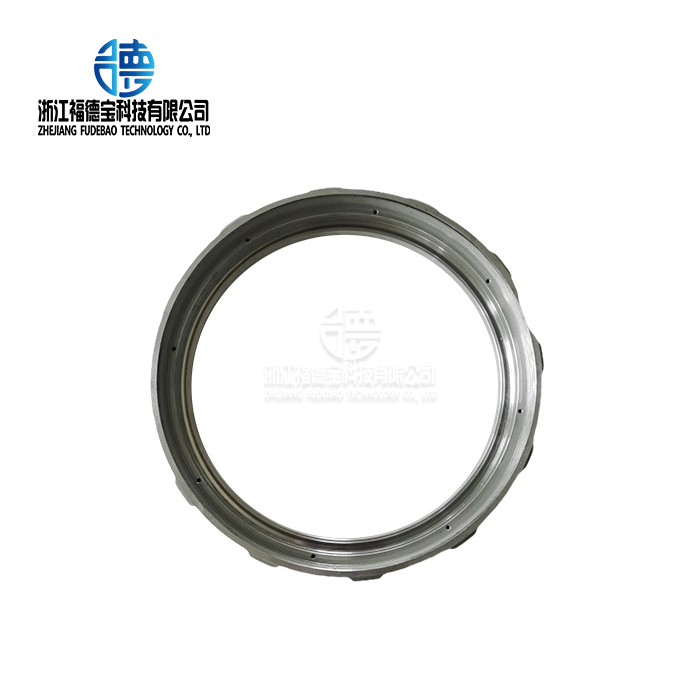
_1756352625880.webp "plug stainless")
_1756352472762.webp "steel threaded plug")
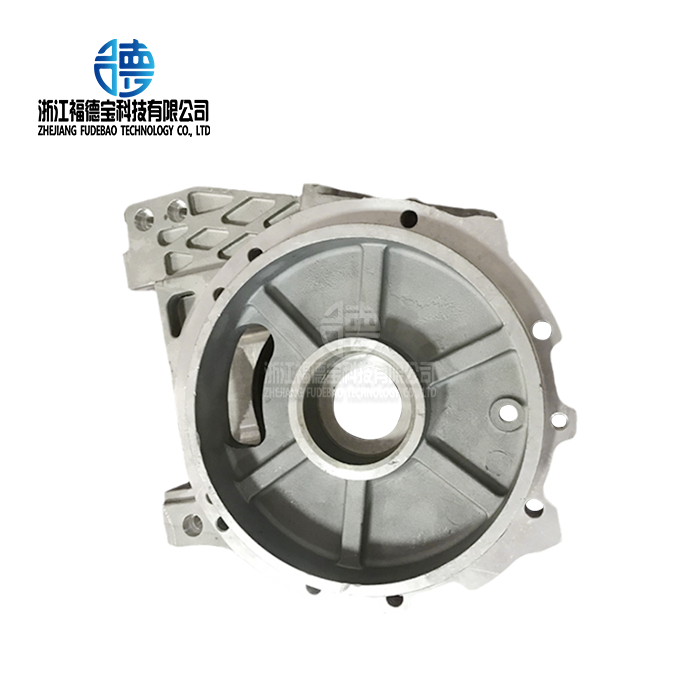
_1756349146076.webp "Lawn mower case casting")