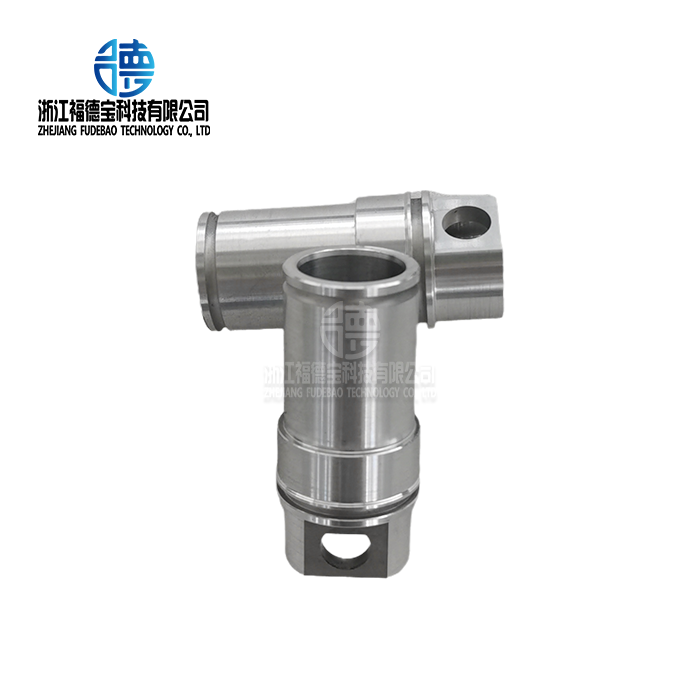
Cost-Saving Tips When Ordering Sand Casting Copper and Aluminum Parts
2026-06-29
To cut costs in sand casting operations while keeping quality high, you need to plan ahead, choose your suppliers wisely, and know a lot about the manufacturing process. Over 60% of all metal casts made in the world are sand cast. This method is very flexible and can be used to make copper and aluminum parts for cars, factories, electrical equipment, and spacecraft.
y choosing the right materials, making sure the designs are easy to make, picking the right foundry partner, and knowing when sand casting is the best option compared to other methods, procurement managers can cut costs by a large amount without affecting the accuracy of measurements, the durability of the parts, or the time it takes to deliver them. This guide gives engineering managers, sourcing directors, and technical procurement teams methods they can use right away to get the most out of their casting efforts.
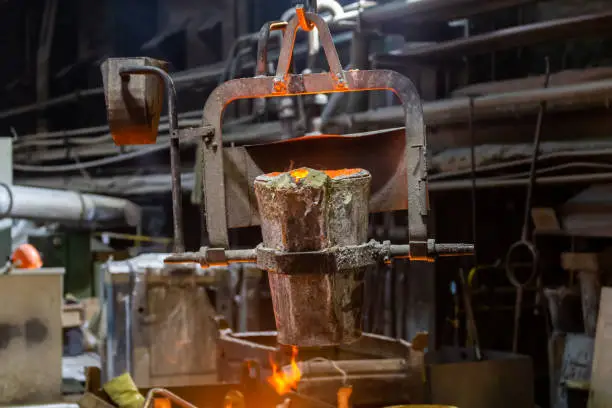
Understanding the Sand Casting Process for Copper and Aluminum
The Fundamental Steps of Sand Casting
Molds made from bound sand mixes are used over and over again in sand casting to make metal parts. The first step is making a pattern, which is when a copy of the part that is wanted is made out of metal, plastic, or wood. To make a mark, this design is pressed into sand. Next, the mold is prepared by treating the sand with binders. The binders can be green-sand with clay and water in it, or they can be resin-sand with chemical bonding agents.
When the cast halves are put together, cores are put inside to make holes inside. Then, molten copper or aluminum is put into the mold. For some alloys, the temperature must be higher than 1600°C. The sand mold breaks off, showing the rough casting, after the metal has cooled and hardened. During finishing steps like grinding, machining, and cutting gates, the part is brought to its final specs.
How Process Stages Impact Cost and Quality
Pattern investment is a big one-time cost, but it's still a lot less than the cost of fixed die-casting tools. Metal patterns can be used over and over again, while wooden patterns cost more and wear out faster. Both cycle time and failure rates are directly affected by how well the mold is prepared. Green-sand casting is good for high-volume car uses where tight specs are needed. It also has lower material costs per mold.
Resin-sand systems give electrical housings and aircraft parts better surface finishes and tighter measurement control, which makes up for the higher cost of their materials by requiring less room for error during cutting. Controlling the speed and temperature of the pouring process stops cold shuts and impurities that make scrap. When you handle your cooling well, you can lower the internal pressures that cause warping. This lowers rejection rates, which can hit 15 to 20 percent in badly managed operations.
Common Defects and Prevention Strategies
The most common flaw is porosity, which can be caused by trapped air or shrinking as the material hardens. This weakens the structure and makes holes for leaks in pump housings or valve bodies. This problem can be lessened by controlling how permeable the sand is, making sure there is enough air flow, and using degassing agents in liquid metal. Surface quality is lowered by slag or sand pollution, which needs a lot of work to be redone.
These contaminants can't get into the mold body because of proper gating design and filtering systems. When liquid metal gets into the mold surface, it causes sand penetration, which makes rough surfaces that need more grinding. This problem can be solved by using smaller grades of sand and the right coats. Knowing about these flaws helps buying teams judge how well suppliers control quality and guess how much it might cost to fix or throw away something.
Cost Drivers in Ordering Sand Cast Copper and Aluminum Parts
Material Selection and Alloy Considerations
By weight, copper alloys usually cost three to four times more than aluminum alloys. The choice of material is the main thing that affects cost. Copper is expensive, but it is often needed in electrical uses that need high conductivity. Aluminum, on the other hand, is used in the car and aerospace industries that want to save weight. A356 aluminum alloy is a moderately priced aluminum alloy that is easy to make and has good mechanical qualities for structural braces.
Some metals, like A206, can be heated and cooled to make them stronger. However, they cost more to process. Bronze bearing types and other copper metals are better at resisting wear in industrial machinery. Sand casting accommodates a wide range of these alloys, from high-strength aluminum to wear-resistant bronzes, with relatively low tooling costs. Instead of defaulting to premium grades, procurement managers should define the base alloy grade that meets performance standards. This could save a lot of money on materials without affecting functionality.
Green Sand Versus Resin Sand Economics
High-volume production is mostly done with green-sand methods because the sand blend can be cleaned up and used again and again, which lowers the cost of materials per casting. This method works for parts of the engine in cars where normal tolerances of ISO 8062 CT11–CT13 are enough for thousands of units to be made. Green-sand molds, on the other hand, need draft angles of 2 to 3 degrees and large cutting allowances, which raises the cost of finishing. Chemically bound sand is used in resin-sand casting, which provides better measurement accuracy (approximately CT9–CT10), smoother surfaces (around 6.3 Ra microns), and lower draft needs.
Resin-sand costs more per mold and can't be quickly fixed up, but the lower cost of secondary cutting can make up for the higher cost of materials for parts with complicated shapes or high precision. When making this choice, the size of the batch is very important. Resin-sand is cheaper for amounts of less than 500 pieces, while green-sand is better for higher production numbers.
Pattern and Mold Design Optimization
Design directly affects the cost of production by affecting the amount of cutting needed, the amount of material used, and the chance of a flaw. Differences in wall thickness don't let different cooling rates cause holes and bending. Setting walls between 5 and 8 mm for aluminum and 6 to 10 mm for copper strikes a mix between how easy it is to cast and how well the material is used. Using the right draft angles (1-3 degrees) makes it easy to remove patterns without damaging them with mold.
This makes patterns last longer and reduces the number of times they need to be replaced. Large fillet radii at section changes help the metal move and lower stress levels that cause cracks. For cored holes to stay stable during filling, their widths should stay at least 10 mm. These design factors cut down on both casting flaws and the work that needs to be done to fix them afterward. This saves money and improves quality.
Practical Cost-Saving Strategies for Procurement Managers
Selecting the Right Foundry Partner
Working with an experienced factory that has the right certifications cuts the total cost of ownership by a huge amount by reducing quality problems, shipping delays, and technical issues. Systematic quality management is shown by ISO 9001 certification, and automotive-specific process controls, such as PPAP recording capability, are shown by IATF 16949 certification.
For military uses that need full traceability and material certifications, AS9100 approval is a must. In addition to certifications, you should also look at the foundry's process capabilities, such as its ability to use chemical analysis tools like Optical Emission Spectrometry to confirm the alloy, non-destructive testing tools like ultrasonic or radiographic inspection to make sure the inside is sound, and coordinate measuring machines for checking the size.
Ask for samples from similar uses and do source checks to look at how they handle sand control, melting, and putting statistical process control into action. When you work with a qualified foundry, you won't have to deal with the secret costs of repairs, faster shipping, and production delays that come with working with a bad foundry.
Optimizing Order Quantities and Batch Sizing
Economies of scale are very important in sand casting, where the costs of setup are spread out over a large number of castings. Pattern investment, first-item review, and developing process parameters all have costs that don't change based on the size of the run. If you order 500 pieces instead of 100 pieces, the cost per unit might go up by 30 to 40 percent because the setup costs aren't spread out evenly. On the other hand, buying too much to get the lowest unit price leads to higher stocking costs, the risk of items becoming obsolete, and cash flow problems.
Managers of procurement should figure out the economic order amount by comparing the costs of setting up the order and the costs of keeping it. Costs per piece go down when needs from multiple projects are combined to make bigger batches. Setting up blanket purchase orders with planned releases helps foundries plan production better and gives buyers more control over price and delivery without having to keep too much inventory on hand.
Leveraging Design for Manufacturability
Including suppliers early on in the planning process keeps changes from being too expensive and lets the manufacturing process be optimized. Foundries can simulate mold flow, predict fill patterns, find possible defect locations, and improve gating designs before pattern production by getting full CAD models in STEP or IGES forms. This modeling feature, which is becoming more common among advanced foundries, cuts down on the number of trial-and-error rounds that slow down development and raise costs.
When you do a DFM review, you should look at things like casting direction to keep the parting line as simple as possible, core needs to keep tooling costs low, and machine datum selection to make fixturing easier. By specifying as-cast areas where precise dimensions are not necessary, machining processes that are not needed can be skipped. When engineering and foundry expert teams work together, they can often cut costs by 15 to 25 percent compared to plans that were made separately.
Comparing Sand Casting with Alternative Methods: Cost Considerations
Sand Casting Versus Die Casting Economics
Die-casting needs hardened steel molds that are much more expensive than sand-casting patterns. For complicated car parts, the costs can reach six figures, while the costs for similar sand-casting tools are only a few thousand. This means that die-casting is only a good way to make money when a lot of them are made at once, usually more than 5,000 to 10,000 pieces per year. Die-casting has better surface finishes, tighter standards, and faster cycle times, which lowers the cost per piece when a lot of them are made.
When developing, making small amounts, or making parts that are too big for a die-casting machine, sand casting is a more cost-effective option. Industrial equipment aluminum pump housings are a great example of a sand-casting application because they have complicated internal geometries that need more than one core, modest production volumes of 500 to 2,000 units per year, and sizes that are too big for die-casting.
Investment Casting and Additive Manufacturing Alternatives
When ceramic shell molds are used for investment casting, the surface quality and dimensional accuracy are very good. This makes it perfect for making air engine parts and precise medical devices. For parts that weigh more than 5 kg, however, investment casting costs more per piece than sand casting because the shell has to be built in more than one step and the pattern material is more expensive.
Additive manufacturing with 3D printing lets you make quick prototypes without having to buy expensive tools, but it still can't match the cost-effectiveness, material qualities, or size range of sand casting for mass production. Purchasing managers should only use sand casting for jobs that need a modest number of medium to large parts, where tooling amortization makes economic sense, casting tolerances are good enough, and standard metals meet performance needs.
How to Improve Sand Casting Quality and Reduce Costs Simultaneously
Mold Quality and Sand Management
To get consistent mold quality, green-sand systems need to be carefully conditioned to keep the right moisture level, clay percentage, and compactability. Testing the sand regularly with tools that measure its permeability, compression strength, and moisture makes sure that all production batches are stable. This stops mold-related flaws that cost a lot in scrap and repair. In sand casting, resin-sand systems also need to be mixed with exact amounts and have their work life managed to get reliable results.
Statistical process control is used by advanced foundries to keep an eye on key sand factors and take corrective steps before quality drift happens. Using the right sand reclamation systems for green-sand processes cuts down on the amount of raw materials needed and the cost of disposal while keeping the qualities the same.
Process Control Through Simulation and Monitoring
Before making actual casts, modern foundries use software that simulates casting and models how metal flows, how it solidifies, and how it reacts to heat. This virtual testing finds possible bugs and allows stopping improvement, which cuts down on development cycles. Real-time tracking of the metal temperature, pour rate, and mold filling during pouring makes sure that all factors stay within the acceptable range.
Thermocouples built into molds allow for cooling curve analysis, which confirms that the behavior of solidification fits what was predicted. These process controls lower the variation that leads to errors. As a result, first-pass return rates go from the normal 80–85% range to 95% or higher in well-controlled operations. By cutting down on waste and rework, higher returns directly lead to lower costs per good piece.
Automation and Equipment Investment
Green-sand businesses that make hundreds of models every day can use automated molding lines to cut down on labor costs and improve regularity. Robotic filling systems can keep the temperature and flow rate exact, which is impossible to do by hand. Robotic grinding in automated finishing cells cuts down on labor costs and makes sure that the surface is prepared evenly.
When the right amount of goods are being made, these capital investments make economic sense because they lower the cost per piece while also making the workplace safer and better. Managers in charge of buying things should check to see if potential foundries have invested in the right kind of technology for the size of the production run. This is because current equipment is better in terms of both quality and cost compared to old-fashioned hand methods.
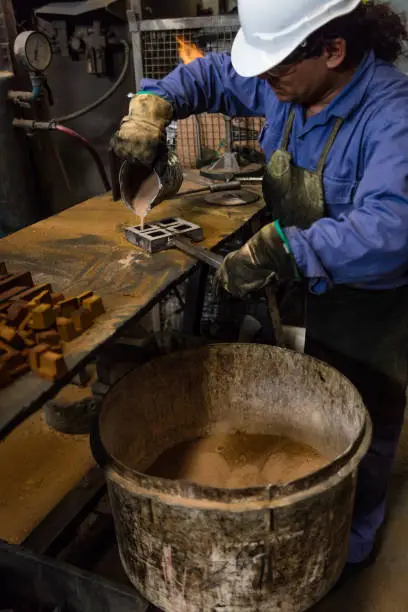
Conclusion
Buying sand casting products—specifically sand-cast copper and aluminum parts—strategically means balancing a lot of different cost factors, such as choosing the right materials, the right production number, the best design, and the supplier's ability to deliver. Knowing when sand casting is the best way to make something compared to other methods lets you make smart choices.
When you work with qualified foundries that have the right certifications, modern process controls, and joint engineering support, you can lower the total cost of ownership by cutting down on defects, shortening lead times, and reducing the number of design changes. Using design for manufacturability principles and figuring out the best batch sizes can help cut costs even more without lowering quality standards for uses in automobile, industrial machinery, electrical, and aircraft.
FAQ
What lead times should procurement managers expect for sand cast copper and aluminum parts?
Making a plan can take anywhere from two to six weeks, based on how complicated it is and what material is chosen. For known methods, production lead times for green-sand casting are three to six weeks. For complex parts that need a lot of core work, resin-sand operations can take up to eight weeks. PPAP paperwork and first-item inspection are two parts of initial development projects that can last up to twelve weeks. Rush orders that cost more can sometimes cut down on lead times by 30 to 40 percent, but better pricing and quality results come from planning ahead and giving accurate lead times.
How can buyers ensure consistent quality when engaging new casting suppliers?
Ask for thorough recording of the process, such as steps for controlling sand, melting, and quality checking. Check that the certifications meet the needs of the application (IATF 16949 for cars, AS9100 for aerospace). Do audits of your suppliers, looking at their quality mindset, measurement methods, and the ability of their tools. Start with prototypes or small batches of production, and make sure they are well inspected by using both harmful and non-destructive testing. Use industry standards, such as ISO 8062 for dimensional limits and ASTM guidelines for material qualities, to set clear acceptance criteria. Do regular checks and constant performance monitoring to keep an eye on the number of defects, how well deliveries are going, and how quickly problems are being fixed.
Partner With Fudebao Technology for Cost-Effective Sand Casting Solutions
Precision sand casting services for copper and aluminum parts are offered by Zhejiang Fudebao Technology. These parts are used in aircraft, industrial equipment, electrical systems, and cars. Our integrated building has high-speed CNC machining centers, modern low-pressure casting machines, and a wide range of surface treatment options. This allows us to deliver parts from molten metal to finished products. The quality of our measurements is kept to within 0.05 mm by using a coordinate measuring machine and strict process controls.
As a sand casting seller trusted by global names such as American companies that make automation equipment and energy storage systems, we know the quality standards and paperwork needs that are essential to the success of your purchase. Email our technical team at hank.shen@fdbcasting.com to talk about the details of your project and get a thorough quote that shows how our services can lower the total cost of your components while still meeting strict performance standards.
References
1. American Foundry Society. (2021). "Casting Design and Performance: A Comprehensive Guide to Metal Casting Processes." American Foundry Society Publishing.
2. Campbell, J. (2015). "Complete Casting Handbook: Metal Casting Processes, Metallurgy, Techniques and Design." Butterworth-Heinemann Technical Publishing.
3. Davis, J.R. (Ed.). (2018). "ASM Specialty Handbook: Aluminum and Aluminum Alloys - Casting Processes and Applications." ASM International Materials Reference.
4. Kaufman, J.G. & Rooy, E.L. (2016). "Aluminum Alloy Castings: Properties, Processes, and Applications in Manufacturing." ASM International Technical Reference.
5. Sias, F.R. (2020). "Lost Foam and Sand Casting: Process Economics and Quality Optimization for Production Foundries." Manufacturing Engineering Society Technical Paper Series.
6. Viswanathan, S. & Apelian, D. (2019). "Casting Process Control and Quality Assurance in Modern Foundry Operations." North American Die Casting Association Technical Publication.



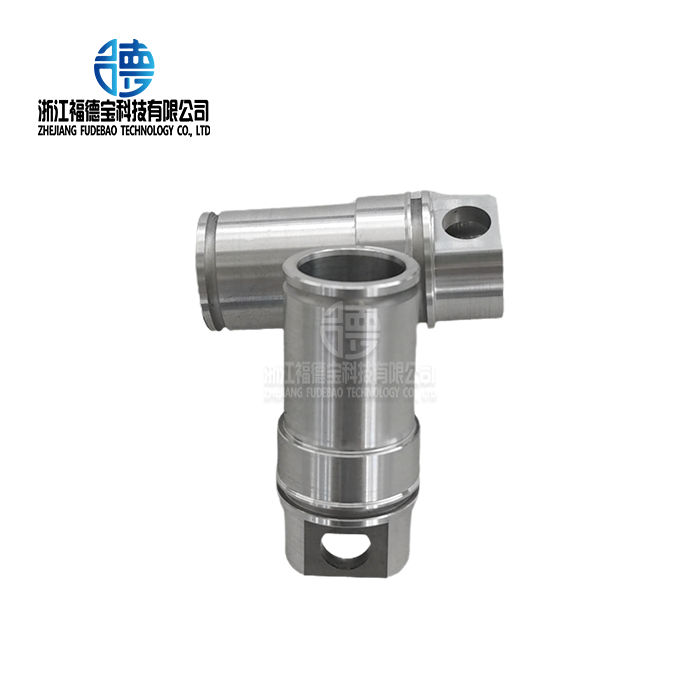
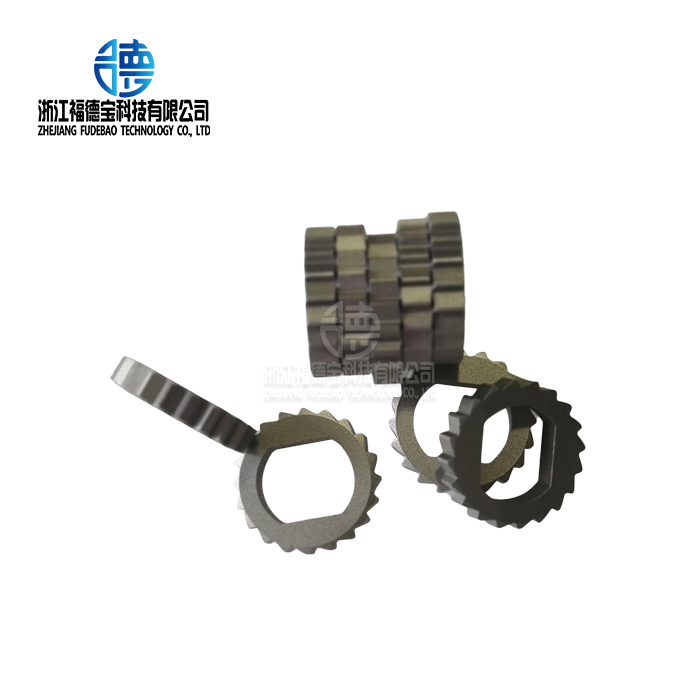
_1756361494985.webp "sliding block copper castings")
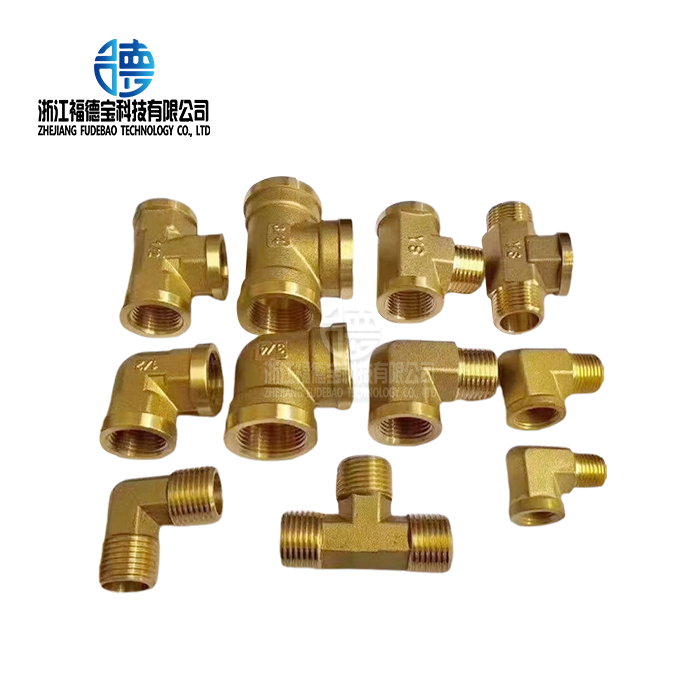
_1756352561845.webp "stainless steel blanking plug")
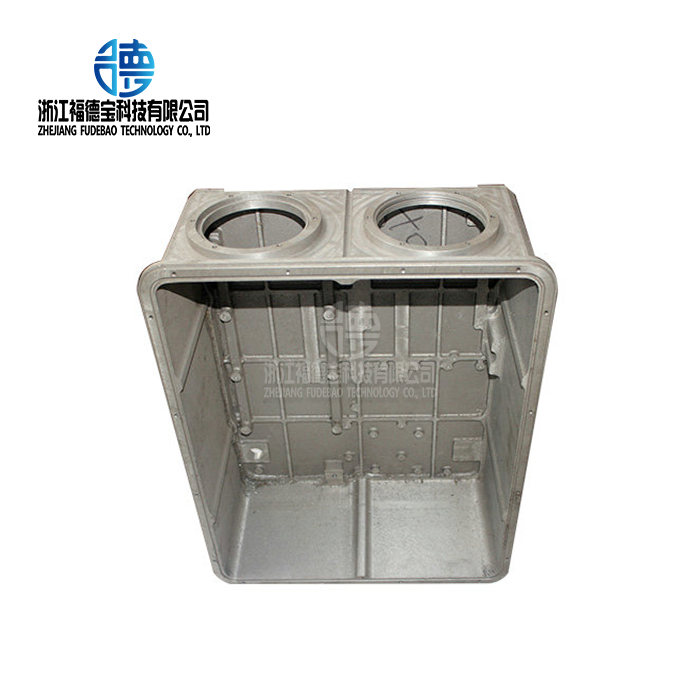
_1756346613780.webp "Aluminum tent base Casting")