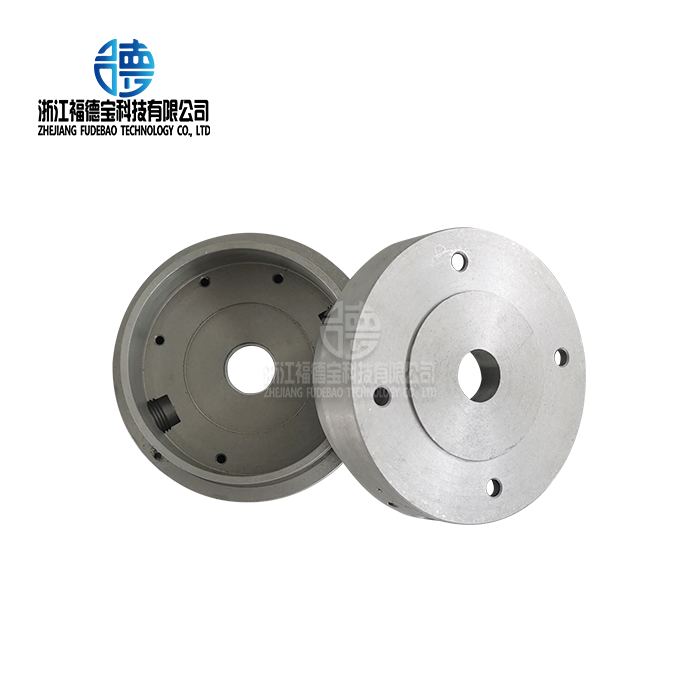
Aluminum Die Casting Design Guide: Die Cast Tips
2026-04-13
Understanding aluminum die casting is important for engineering teams and sourcing workers who want to make the best parts. In this high-pressure metal making process, molten aluminum alloy is injected into precise steel molds at pressures ranging from 1,500 to over 30,000 psi. This makes parts that are exactly the right size and have a great finish. The process solves important problems in manufacturing by lowering the weight of assemblies, getting rid of the need for welding by using combined single-piece designs, and making mass production scalable with little secondary cutting. By learning the design rules that are unique to aluminum die casting, business-to-business buyers can cut costs per unit by a large amount while still getting the structural stability and good looks that their uses need.
Understanding Aluminum Die Casting and Its Benefits
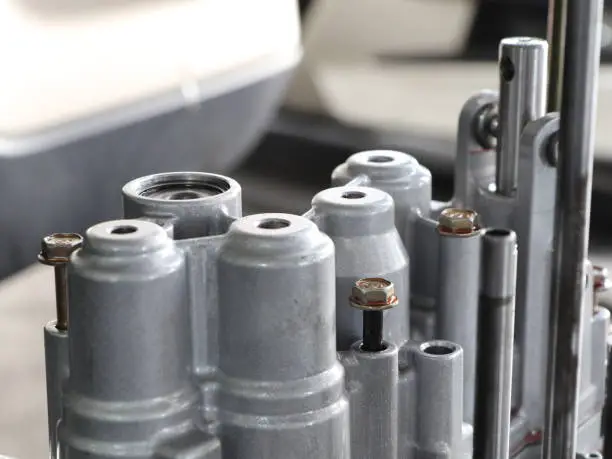
Understanding what makes aluminum die casting different from other ways of making things is the first step to successful buying. This High-Pressure Die Casting (HPDC) process quickly injects liquid aluminum alloys into hardened steel tooling to make parts that are very close to a net shape. The end result has clear geometric shapes, smooth surfaces, and accurate measurements that can be used over and over again in production runs of thousands or millions.
Why Aluminum Alloys Dominate Critical Applications?
Aluminum alloys used in aluminum die casting, like A380, ADC12, A360, and AlSi9Cu3, have a specific gravity of about 2.7 g/cm³, which makes them stronger and lighter than many other materials. With a thermal conductivity range of 96 to 120 W/m·K, these metals are perfect for getting rid of heat in electrical housings, motor parts, and power equipment cases. The natural oxide layer that forms on metal surfaces makes them resistant to corrosion. This trait can be improved by anodizing or powder coating the aluminum.
Aluminum die cast engine blocks, transmission cases, and battery housings are now common in the automotive industry, where weight directly affects gas mileage and the range of an electric vehicle. These same qualities of the material are used in aircraft to meet strict weight limits without affecting the structure's ability to handle extreme temperature changes and vibrations. Manufacturers of industrial machines like aluminum because it can stand up to harsh weather conditions like UV rays, rain, and changes in temperature while keeping its shape over many years of use.
Competitive Advantages Over Alternative Casting Methods
When you compare aluminum die casting to sand casting or gravity casting, it has better size limits (often within ±0.05mm), faster cycle times, and smoother as-cast surfaces that mean you don't have to do as much secondary cutting. Sand casting might work for small batches or very big parts, but die casting is more cost-effective for medium to large runs because it can be done over and over again quickly. Investment casting gives you a lot of detail, but it costs a lot more to make the tools and makes less stuff at once.
Aluminum has much higher mechanical strength, thermal management, and electromagnetic interference (EMI) protection compared to plastic injection molding. These are important factors for telecommunications infrastructure like 5G base station casings. Zinc die casting can make smaller walls and finer details, but it can't match the strength-to-weight ratio or heat protection of aluminum. When buying teams understand these trade-offs, they can make sure that manufacturing methods meet specific performance needs and price limits.
Essential Design Tips for Aluminum Die Casting
Improving part design from the very beginning of the idea stage keeps mistakes and extra work from costing a lot of money and makes the most of the aluminum die casting process's natural benefits. By paying close attention to shape, wall thickness, and feature placement, engineering teams have to find a balance between how something looks, how well it works, and how easy it is to make.
Wall Thickness and Uniform Section Design
Keeping the wall thickness the same all the way through a cast part lowers the internal pressures and the chance of porosity, shrinking gaps, and warping during solidification. Most designs for aluminum die casting aim for wall widths of 1.5mm to 6mm. Thinner sections can be used for small parts, while thicker sections are only used for structural parts that need extra strength. When parts go from thick to thin quickly, points form that cool at different rates, which causes the dimensions to become unstable.
If the wall thickness has to change, making the changes slowly over a distance of at least three times the thickness difference helps keep the temperature even. Ribs and gussets strengthen the structure without adding too much mass. However, their thickness should usually stay between 50 and 60% of the thickness of the wall next to it to avoid sink marks on the sides that are not connected. The placement of the ribs is planned so that the loads are spread out evenly while still maintaining the lightweight benefits of aluminum casting.
Draft Angles and Mold Release Considerations
Draft angles make it easy for the part to come out of the die hole without damaging the surface or changing its shape. Draft angles of at least 1-3 degrees are normal, but higher angles are needed for deeper holes, rough surfaces, or complicated shapes. Most of the time, external surfaces need less draft than internal features like pockets or recesses, because friction during release is higher inside these areas.
Undercuts, which stop molds from opening in a straight line, require more complicated equipment with slides or cores that collapse, which raises the cost of the cast and the cycle time. When it's possible, redesigning things to get rid of undercuts makes them easier to make and requires less upkeep. When undercuts are practically necessary, working with your die casting provider early on will help you find the most cost-effective way to make the tools.
Fillet Radii and Stress Concentration Management
Sharp internal corners can cause cracks when they are loaded mechanically or when temperatures change quickly. Adding fillet radii to all internal corners—usually with a minimum radius of 0.5mm to 1.5mm—distributes loads more widely and makes parts last longer. Larger radii also help the metal move more smoothly through the die, which lowers the risk of cold shuts (when two flow fronts meet but don't fuse properly) and gas trapping.
Chamfers or curves on the outside edges make them safer to handle and lower the chance that the sides will get damaged while being shipped or put together. These design factors are especially helpful for automotive frames, hinges for industrial enclosures, and structural parts for spacecraft, where wear resistance decides how reliable the product is.
Boss and Hole Geometry Optimization
Bosses are raised cylinder-shaped parts that are meant to hold screws or bearing inserts. They need to be carefully measured to avoid flaws. The wall thickness around bosses should be the same as the main body. Core-out features can be used to thin out parts that are too thick. Hole sizes that are cast straight into the part usually need to be reaming or drilling to get close tolerances. Most die cast holes are used as guides for later machining operations.
It's easier to make through-holes that are straight across from the splitting line than blind holes or holes that are slanted and need side-action cores. Post-cast tapping or thread plugs are better at controlling the size of threads than as-cast threads when precise fastener threads are needed. This method works very well in places with a lot of shaking, like engine parts or industrial gearbox housings, where the effectiveness of the assembly depends on the integrity of the threads.
Partnering with Reliable Aluminum Die Casting Suppliers
The supplier you choose has a direct effect on the quality of the parts, the dependability of shipping, and the total cost of the program. When looking at possible production partners, you need to look at their technical skills, quality systems, and the ways they run their businesses. These are the things that set great providers apart from average ones.
Certifications and Quality Management Systems
Manufacturers of high-quality aluminum die casting have certifications that show they are dedicated to maintaining quality and always getting better. The ISO 9001 standard sets the basic standards for quality management systems. The ISO/TS 16949 standard (or its successor, IATF 16949) covers quality standards specific to the automotive industry. It covers things like the Production Part Approval Process (PPAP) documentation, Advanced Product Quality Planning (APQP), and Failure Mode Effects Analysis (FMEA).
For aerospace uses, certifications like AS9100 are even more important because they include rules for configuration management, risk assessment, and tracking that go beyond general production standards. Suppliers to the energy and power industries should show that they follow industry standards such as REACH for chemical safety and RoHS for limits on dangerous substances. Find out if they follow statistical process control (SPC) rules, do regular internal checks, and take part in corrective action programs driven by customers.
Production Capabilities and Equipment Investment
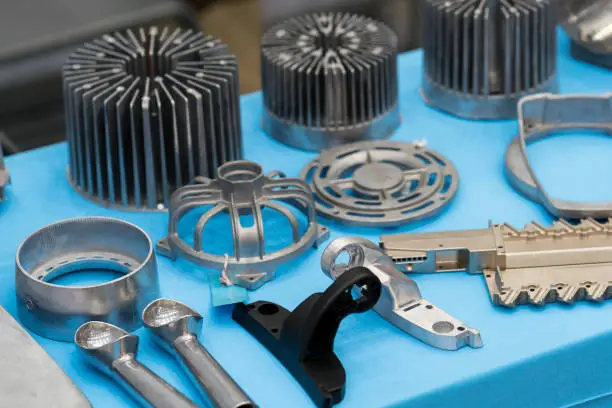
Check with a possible source to see if they have the right tools for the size, complexity, and volume of your part. Die casting operations today use machines with clamping forces ranging from 180 to 4,000 tons. Bigger machines can handle bigger parts, while smaller machines can use multi-cavity tools for smaller parts. With high-speed machining centers, CNC lathes, and finishing equipment, sellers can send parts that are already finished instead of sending them to other vendors for extra work.
Having processes that are integrated across the whole manufacturing process, from melting and casting to finishing and surface treatment, makes it easier to check quality and cuts down on wait times. Fudebao Technology has invested in this full range of equipment, which covers the whole process of "melting-casting-finishing-surface treatment." This vertical integration allows us to deliver blank castings to finished products all in one place, with dimensional accuracy of up to ±0.05mm, meeting the exacting needs of medical equipment shells, automotive precision parts, and industrial components.
Flexibility in Prototyping and Low-Volume Production
Die casting is great for making a lot of things at once, but prototypes of anywhere from a few to several hundred are often needed to test the idea and see how well it sells. If a supplier offers rapid development through soft tooling, CNC cutting from billet, or 3D printing, you can make changes to your design more quickly before investing in production tools.
Some suppliers keep test dies that can be made from aluminum or other lighter tool steels. This lowers the cost of making the first tools while still making parts from alloys that are meant for production. This method lets you test how well the parts work and get feedback from customers using casts that look like the end products. This lowers the chance of having to make expensive changes to the design after hard tooling fabrication.
Communication and Lead Time Management
Misunderstandings that lead to delays and extra costs can be avoided by communicating clearly. Set clear goals for the design review process, the approval of tools, the timing of the first item check, and the production ramp plans. Instead of waiting for customers to find problems, suppliers should report progress, spot possible problems early, and offer answers.
Depending on the complexity of the part, the need for tools, and the quantity of orders placed, aluminum die casting projects typically take between 4 and 12 weeks. For soft tooling production and initial sample, prototypes usually need more time. Building ties with providers that can speed up delivery when needed gives you options for urgent projects while keeping costs low for regular production plans.
Conclusion
Learning the basic rules of aluminum die casting design gives purchasing and engineering teams the power to get big performance and cost savings in areas like automotive, industrial, electrical, and aircraft. Successful buying strategies start with knowing the properties of the material, making sure the geometry of the part is optimized for ease of manufacture, choosing the right methods through comparative analysis, and working with capable sources. The case studies show that careful planning and teamwork can lead to real benefits, such as fewer mistakes, lower unit costs, better product performance, and a shorter time to market.
FAQ
Which aluminum alloys are most commonly used in die casting?
A380, ADC12, A360, and A413 are the aluminum die casting metals that are used the most. The A380 is the best choice for general-purpose uses like automotive parts, industrial housings, and electrical enclosures because it has a great mix of being able to be cast, having good mechanical qualities, and not rusting. ADC12 is similar to A380. A360 has more silicon, which makes it better at flexibility and pressure strength. A413 has better die filling properties for complex shapes.
What are typical lead times for aluminum die casting projects?
Lead times depend on how complicated the job is and how much is being made. After the design is approved, prototype projects usually take two to four weeks. Making production tools usually takes between 6 and 10 weeks. Once the tools are finished, the first article models can be made in one to two weeks. Lead times for repeat orders using current tools are usually between 2 and 6 weeks.
What surface finishing options are available for die cast aluminum parts?
Different finishing methods can be used on aluminum die casts to improve their look or resistance to rust. As-cast surfaces are good enough for many uses. Machining makes the size and shape of a surface better. Anodizing makes a strong oxide layer that makes the metal more resistant to rust. Powder painting is popular for both outdoor and indoor tools because it gives surfaces a decorative look and makes them last a long time. You can also polish, paint, or use chrome plating.
Partner With Fudebao Technology for Your Aluminum Die Casting Needs
It's not enough to understand design principles to be successful with your next aluminum die casting project; you also need to work with a reputable manufacturer who can turn your ideas into high-quality production parts. Fudebao Technology has become a leading company in China's aluminum foundry industry, serving the aerospace, automotive, and industrial equipment industries around the world. Our facility's main machines can achieve measurement accuracy of up to ±0.05mm, which meets the exacting needs of automotive precision parts and medical equipment shells. Our team blends technical know-how with quick communication to make sure your project succeeds. Get in touch with us right away at hank.shen@fdbcasting.com to talk about how our services can improve the performance of your parts while lowering the risks of sourcing.
References
North American Die Casting Association (NADCA). "Product Specification Standards for Die Castings Produced by the Semi-Solid and Squeeze Casting Processes." NADCA Publication, 2019.
Rooy, E.L. "Aluminum and Aluminum Alloys." ASM Specialty Handbook: Aluminum and Aluminum Alloys. ASM International, 1993.
Kaufman, J.G. and Rooy, E.L. "Aluminum Alloy Castings: Properties, Processes, and Applications." ASM International, 2004.
Das, Sujit K. "Design and Manufacture of Die Casting: Innovative Practices for High Pressure Die Casting." Industrial Press Inc., 2017.
Society of Automotive Engineers (SAE). "Special Requirements for High Pressure Die Cast Aluminum Alloys Used in Structural Applications." SAE J1434 Standard, 2020.
Allsop, Donald F. and Kennedy, David. "Pressure Diecasting Part 2: The Technology of the Casting and the Die." Pergamon Materials Advisory Services, 1983.



YOU MAY LIKE
_1756349794241.webp "round belt pulley")
_1756348356531.webp "Automobile engine oil pan")
_1756345858191.webp "Aluminum casting crafts")
_1756344684491.webp "Explosion-proof lamp housing aluminum casting")