Factors to Consider When Selecting a CNC Machine Shop
2026-04-23
Choosing the right CNC machine shop has a big effect on the quality of the finished product, how much it costs, and how quickly it is delivered. CNC machining is a precise subtractive manufacturing method that uses computerized controls and is now essential in many fields, from aircraft to medical devices. The right partner will not only supply the right parts, but they will also become an extension of your technical and purchasing teams. If you know what to look at before choosing a provider, you can avoid production delays, save thousands of dollars on rework, and make sure your parts meet the high standards of current uses.
Understanding Your CNC Machining Needs
Before reaching out to suppliers, you must be clear on exactly what you need for cutting. This first step makes sure that what you need and what possible partners can actually give you are in line with each other.
Defining Machining Scope and Part Complexity
First, write down whether your parts need to be milled for complex shapes, turned for circular shapes, or need special methods like Electrical Discharge Machining for hardened tool steels. Parts with shapes that have more than two sides may need 5-axis cutting instead of standard 3-axis tools. Knowing these technical needs ahead of time will help you weed out sellers who don't have the right machine configurations.
The details of the object are just as important. Aluminum alloys, such as 6061-T6, are easy to machine and work well for automobile brackets. Inconel 718 superalloys, on the other hand, need carbide tools and slower feed rates to work well at high temperatures for aircraft turbine parts. For uses in the energy sector, copper metals are great at conducting electricity, while medical instruments made of stainless steel 316L don't rust.
Production Volume and Timeline Considerations
Which providers can best meet your needs is directly related to how much you buy. Prototype shops are great at quickly making 5–10 sample parts, but they might not be able to handle production runs of more than 500 units per month. On the other hand, high-volume makers may set minimum order amounts that make low-volume projects too expensive to complete because they are optimized for repetitive jobs.
Expectations for timelines must match up with what suppliers can do. For shops to meet rush orders that need to be delivered within two weeks, they need to have open machine time and quick review processes. Lead times for standard orders are usually between three and six weeks, but setting realistic deadlines keeps you from having to pay expensive air freight fees in an emergency.
Industry-Specific Standards and Compliance
Your machine shop has to meet certain regulatory standards that are set by the application setting. Tier-1 suppliers to the automotive industry need partners who can complete the Production Part Approval Process paperwork. This includes material approvals, process capability studies, and validating dimensions. Many aerospace parts need to be certified to AS9100 standards and have full material identification from raw materials to final parts.
Companies that make medical devices need to work with CNC machining shops that know how to follow FDA rules and ISO 13485 quality control systems. Even uses for industrial tools might need certifications related to safety standards or rules for pressure vessels. By checking these skills during the initial screening of suppliers, compliance gaps are avoided later on in the buying process.
Evaluating CNC Machine Shop Capabilities
Technical skills are what set good sellers apart from great partners who can help you with your hardest tasks.
Equipment Range and Condition Assessment
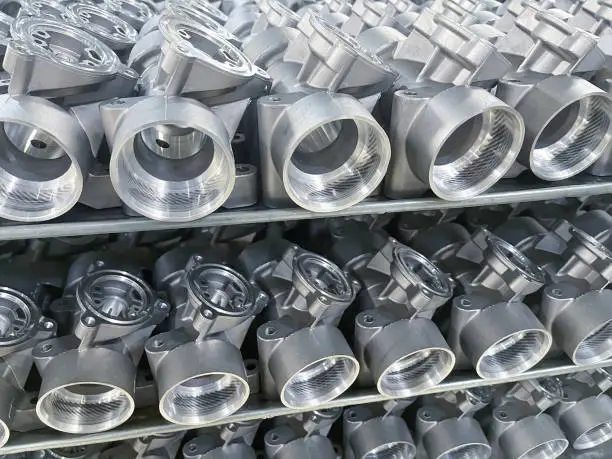
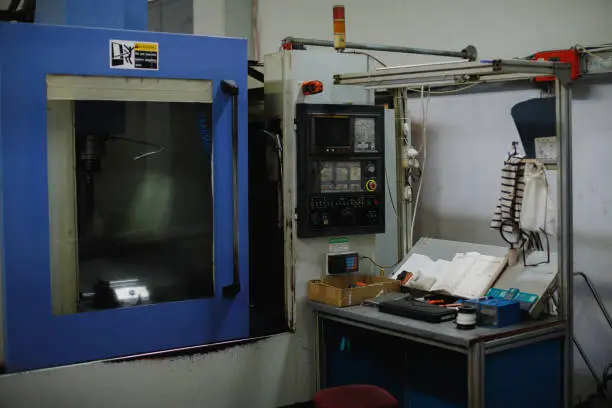
What a shop can make is directly related to the type and age of its machine tools. New machines from companies like Haas, Mazak, and DMG Mori have faster spindles, better heat stability, and more precise control systems than machines that are more than 15 years old. When shops buy new tools, it shows that they care about quality and expanding their capabilities.
In addition to brand names, check to see if the building has tools that are only used for certain types of materials. When shops use the same tools for sharp materials like titanium and softer aluminum, the aluminum will wear out faster, which makes it harder to hold tolerances. Specialized sets for difficult materials show that the process is mature. With horizontal machining centers, it's possible to make a lot of things with little help from a user. Multi-axis turning centers, on the other hand, can make complex rotating parts in just one setup.
How you maintain your tools is just as important as how old it is. Older machines that have written preventative maintenance plans and are well taken care of often work better than newer machines that aren't taken care of. When you do building checks, look at how clean and organized the place is and see if the machines show signs of good care or wear and tear.
Technical Expertise and Programming Proficiency
Equipment alone doesn't ensure results; skilled writers and machinists turn skills into parts that can be provided. Check to see if the shop uses CAM tools like Mastercam or SolidCAM that can work with your design files and reduce translation mistakes. When working with complicated toolpaths for biological surfaces or when trying to get the best cycle times without losing surface finish, you need to know a lot about programming.
A lot depends on how much knowledge an operator has with certain products. To machine PEEK plastic, you need to use different cutting settings than to machine aluminum, and to keep superalloys from work hardening, you have to keep an eye on them all the time. Shops that have workers who are familiar with your material family will have fewer problems during production. Find out how long the average operator has been with the company. When there is a lot of change, quality often goes downhill because people who know the business inside and out leave.
Problem-solving skills are what set good CNC machining shops apart from great ones. When parts of the design make it hard to machine, experienced teams suggest other ways to do things, like changing the order, the way the tools are accessed, or the design of the fixture. These alternatives keep the design's purpose while making it easier to machine. This joint way of thinking makes building easier and speeds up the time it takes to make something.
Quality Control Systems and Inspection Technology
Quality assurance is your last line of defense against getting bad parts into your supply chain. Shops should have quality management systems that are at least in line with ISO 9001, and they should also have industry-specific certifications like AS9100 for aircraft or IATF 16949 for car use.
The limits you need for the inspection tools must be met. Coordinate measuring tools are very accurate and can make tight geometric controls possible. The error in a measurement is usually only a tenth of the range being checked. Optical comparators are good for checking 2D profiles, and laser scanning systems are good at taking good pictures of complex freeform surfaces. Shops that don't have the right testing tools can't make sure the standards are met or have to hire someone else to do the measuring, which costs money and takes time.
Documentation methods show how disciplined a process is. It's easier to trust and track things when there are detailed inspection reports with measured values instead of just pass/fail stamps. Every shipment should come with material certificates that connect mill test records for the raw materials to finished parts. For aerospace and medical uses, where governmental checks need full traceability, this paperwork becomes necessary.
Trustworthiness and Supplier Reliability
Technical knowledge doesn't mean much if a seller can't deliver on time or explain clearly. Partner breakdowns can be avoided by looking at signs of reliability.
Reputation Verification and Reference Checking
A supplier's name in the industry can tell you a lot about how well they do their job. Ask your engineering coworkers, industry groups, or websites where buyers review manufacturing partners for suggestions. Businesses that have been around for a while usually have long-term ties with multiple customers, which shows that they consistently do a good job. It's not always a bad thing when new companies come on the scene, but they don't have the experience that lowers buying risk.
Ask for references from customers who have used similar applications to yours. Talking to a military customer may confirm that you can do tight-tolerance work, but it may not show how well you do on high-volume car projects. Ask about consistent quality, how quickly problems are fixed, and whether the provider proactively spots possible problems during reference calls. These findings show organizational maturity in a way that specs alone can't.
Industry badges and awards for CNC machining show that your skills have been approved by others. When a company is named a benchmark business or a recommended seller to big OEMs, it means that it has passed strict checks. Certifications don't promise perfect performance, but they do show that you know what you're doing and are committed to quality processes.
Communication Responsiveness and Technical Support
How the seller will do during production can be predicted by how well they communicated during the RFQ process. Quick, thorough answers to technical questions show that you have enough expert support and that people are interested in your business. Suppliers who don't answer questions or give unclear answers probably don't have enough capacity, capability, or both.
It's very helpful to have technical help during design reviews. Expert shops can spot problems with manufacturability, like undercuts that need special tools, tolerances that are too tight for the job, or surface finish requirements that are too high for standard cutting to meet. This way of working together cuts down on design changes and production costs while also making the part work better.
English language skills and knowledge of different time zones are important for foreign sources. Even though many foreign providers hire technical staff who speak English, make sure that communication is clear during the first meetings. Costly mistakes happen when people don't understand specs, limits, or surface finishes. Some facilities give foreign customers their own account managers, who help with both culture and technical conversation.
Logistics and Compliance Considerations
The position of a supplier affects shipping prices, lead times, and the difficulty of following the rules. Domestic suppliers may charge more than international sellers because they are easier to work with and don't have to worry about tariffs. International partners can save you money, especially on labor-intensive machining jobs, but you have to deal with longer supply lines and possible trade compliance problems.
Check the way parts are packed to make sure they come undamaged. Precision made parts need to be kept safe from accidents, water, and dirt that come from touching them. Shops that ship goods internationally often use the right foam fillers, desiccants, and protected coatings. Damage in transport is a bad sign for the seller, no matter who is responsible for the freight.
For defense-related things or secret technologies, following export controls and trade rules becomes very important. Make sure that foreign suppliers know about the limits set by ITAR for U.S. defense goods or similar rules in other countries. Both parties could face serious legal penalties if they don't follow the rules, so this due diligence is necessary before sharing controlled technical data.
Conclusion
To find the best precision CNC machining partner, you need to carefully look at their professional skills, quality systems, operating freedom, and cost-effectiveness. It's not enough to just compare prices; you also have to decide if a supplier's tools, knowledge, and way of doing things meet your needs and help you reach your long-term goals.
We've talked about how to make smart choices that reduce risk and maximize value by figuring out what you need, looking at what the shop can do, comparing services, making sure the shop is reliable, and being clear about your machining needs. Spending time and money to carefully evaluate suppliers pays off in the form of fewer quality problems, better delivery times, and relationships that can grow with your business.
Keep in mind that the cheapest option isn't always the best choice in terms of total value. Instead, you should look for sellers who can meet your needs in terms of skill, quality, responsiveness, and cost. These review models help you find partnerships that help you be successful in the market, whether you're looking for structural parts for cars, housings for industrial equipment, or precision parts for spacecraft.
FAQ
What material range can CNC machine shops typically handle?
Most well-known precise machining shops work with standard metals like carbon steel, stainless steels (304 and 316), and aluminum alloys (6061 and 7075). Specialized shops can work with tough materials like Inconel superalloys, titanium alloys, copper alloys for electrical uses, and industrial plastics like PEEK and POM. How versatile a material is depends on how the equipment is set up, what tools are available, and how skilled the person is. If you need parts made of unusual materials, make sure the shop has experience with those materials before thinking they can work with any base.
How do machining tolerances affect cost?
For tighter standards, cutting speeds need to be slowed down, tools need to be changed more often, checking time needs to be increased, and sometimes special measuring tools need to be used. Standard cutting can usually get within ±0.005" to ±0.010" without charging a lot more. Tolerances smaller than ±0.002" make the process much more expensive because they need to be closely monitored. Tolerancing and geometric specifications like perpendicularity or true position below 0.001" need precise fixtures and checks that are done while the part is being made. It's a waste of money to specify tolerances that are tighter than what is needed for functionality. Instead, work with your providers to find the best tolerances based on your real assembly and performance needs.
What are typical lead times for prototype versus production runs?
Getting materials, writing, machining, inspecting, and sending prototypes with between one and ten parts usually takes two to three weeks. For an extra fee, expedited service can cut this time down to one week. Production runs rely on the number of parts and how complicated they are. For example, making 100 parts might take four to six weeks at first, but only two to three weeks for repeat orders once the programs and fixtures are set up. Orders with more than 1,000 parts may take eight weeks or longer. The supply of materials has a big effect on these deadlines. For example, getting specialty metals can take several weeks.
Partner With Fudebao Technology for Precision CNC Machining
For precision machining, you need a provider that knows your technical needs and can consistently offer high-quality work based on proven capabilities. Fudebao Technology has built its name by working with global players in the energy sector, industrial equipment makers, and original equipment manufacturers (OEMs) in the car industry. Precision machining and casting are both done at our plant, which has high-speed machining centers and modern CNC lathes that can achieve tolerances of ±0.05mm. We can do the whole process, from getting the raw materials to making the finished parts, whether you need metal die-cast housings, copper electrical components, or precision parts made of stainless steel. As a leading company in aluminum casting and machining, we offer both professional know-how and quick customer service to make the buying process easier for you. Get in touch with us at hank.shen@fdbcasting.com to talk about your unique needs with our engineering team and find out how working with a dependable CNC machining provider can help your projects get the quality, consistency, and speed they need.
References
Kalpakjian, S., & Schmid, S. R. (2014). Manufacturing Engineering and Technology (7th ed.). Pearson Education.
Groover, M. P. (2020). Fundamentals of Modern Manufacturing: Materials, Processes, and Systems (7th ed.). Wiley.
Society of Manufacturing Engineers. (2018). CNC Machining Handbook: Building, Programming, and Implementation. SME Publishing.
American Society for Quality. (2016). Quality Management Systems for the Aerospace Industry: AS9100D Requirements and Implementation Guide. ASQ Quality Press.
International Organization for Standardization. (2015). ISO 9001:2015 Quality Management Systems—Requirements. ISO Publishing.
Todd, R. H., Allen, D. K., & Alting, L. (1994). Manufacturing Processes Reference Guide. Industrial Press Inc.



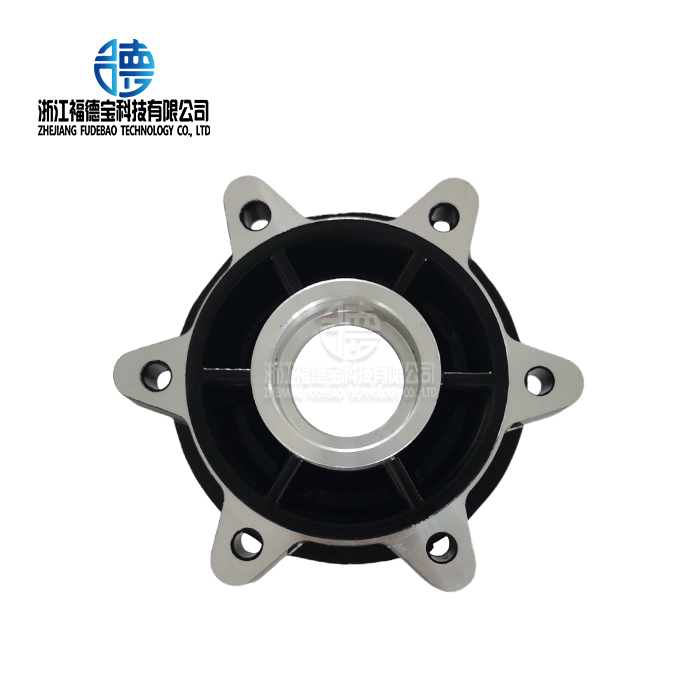
_1756361423150.webp "Cryopump body")
_1756352822273.webp "Stainless steel plugs")
_1756352472762.webp "steel threaded plug")
_1756352340434.webp "Aluminum chassis cover")
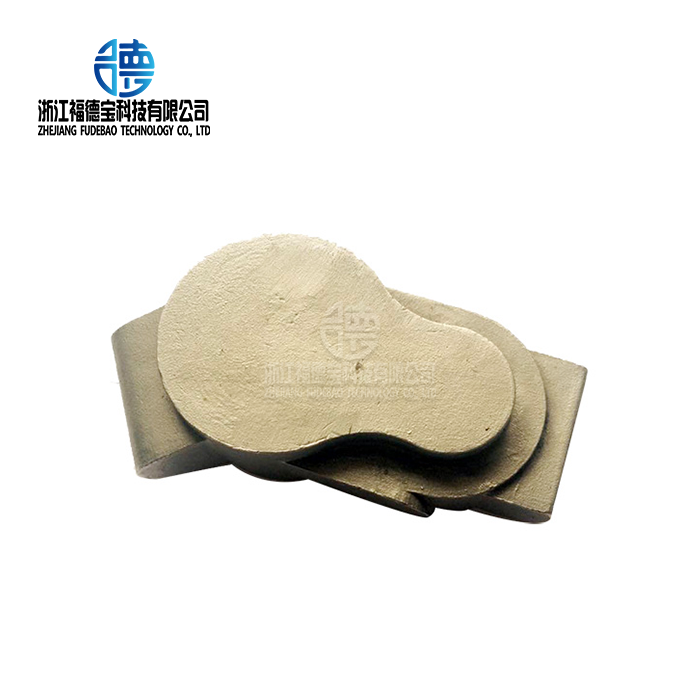
_1756346259673.webp "heavy duty hinges")
_1756346043433.webp "guardrail connecting block")