Differences Between Sand Casting and Precision Casting
2026-02-03
Precision casting and sand casting are mostly different in how accurate their measurements are and how smooth their surfaces can be. Sand casting uses shaped sand to make holes for liquid metal, and it's a cheap way to make bigger, simpler parts with tolerances that are usually between ±2mm and 5mm. Precision casting, which is also called investment casting, uses wax models and ceramic shells to get very accurate measurements (within ±0.5mm) and great surface finishes. Precision casting dominates applications needing complex geometries and minimal post-processing, while sand casting excels in high-volume production and material versatility.
Understanding the Basics of Sand Casting and Precision Casting
Sand Casting Fundamentals
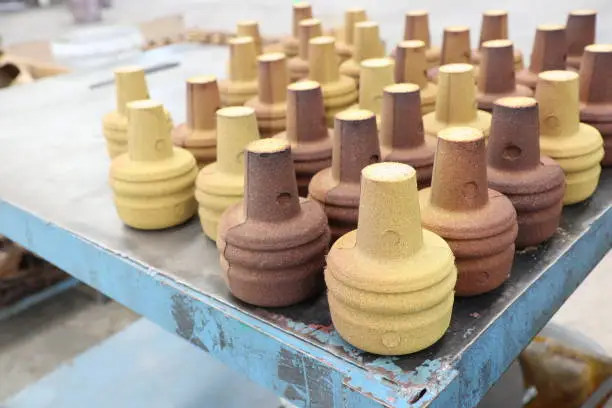
One of the oldest and most flexible ways to shape metal in production is through sand casting. For this method, molds are made from carefully mixed sands, which are usually made up of silica sand, clay binders, and water. The process starts with making the plan, then the mold is put together, metal is poured, it cools, and the job is finished.
Almost any metal that can be cast can be used in the sand casting method. This includes iron, steel, bronze, and copper alloys. Because of this, sand casting is great for a wide range of business uses where different materials are needed. Manufacturing plants can use the same basic sand casting concepts to make everything from small brackets to big engine blocks.
The most common type of sand casting is green sand molding, which uses wet sand mixes that can be used again after the casting is done. Other methods include resin sand casting, which is more accurate in terms of size, and shell molding, which gives better surface finishes than the old green sand methods.
Precision Casting Overview
Precision casting, which is also known as investment casting or lost-wax casting, is a complex process that produces very accurate dimensions and surfaces. The first step in the process is making wax patterns that exactly match the end shape of the part you want to make, including any complex internal passages or external features.
Multiple coatings of ceramic slurry are put on these wax designs to make a strong shell mold that can withstand pouring metal at high temperatures. Once the ceramic shell is hard, the wax melts away during preheating, leaving an exact hole that is ready for molten metal to be poured into. With this method, the parting line problems that often happen with sand casting are gone, and near-net-shape making is possible.
A lot of different metals can be used in investment casting, from common metals like aluminum and stainless steel to rare superalloys that are used in aircraft. This method works especially well with materials that need precise control over their grain structure and mechanical qualities. This makes it an essential tool for making important parts.
Key Differences Between Sand Casting and Precision Casting
Dimensional Accuracy and Tolerances
For uses that need to be very precise, the ability to accommodate tolerances between these casting methods may be the most important difference. Tolerances in sand casting are usually between ±2 and ±5 millimeters, but this depends on the size and complexity of the part. Even though these standards are fine for many industrial uses, they usually need a lot of machining to meet final requirements.
Tolerances are much tighter with precision casting; most features can be made within ±0.5 to ±1.5 millimeters. The stable ceramic shell shapes and controlled cooling conditions that are part of the investment casting process make this more accurate. Better consistency in dimensions means less or no secondary machining is needed. This lowers the cost of finishing processes, which makes up for higher initial casting costs.
Surface Finish Quality
The quality of the surface finish changes a lot between these casting methods, which affects both how they look and how well they work. Surface roughness from sand casting is usually between 6.3 and 25 micrometers Ra, but this depends on the size of the sand grains and the way the mold is shaped. Even though these surfaces are good enough for many uses, they often need extra finishing to make them look better or meet useful needs.
The surface finish from investment casting is usually better, running from 1.6 to 6.3 micrometers Ra right after the casting process. Because the surface is so good, a lot of the time, lengthy finishing steps are not needed. This cuts down on production costs and lead times. In demanding situations, the smooth surfaces also offer better protection to corrosion and wear.
Production Volume Considerations
There are clear benefits to sand casting when it comes to high-volume production, especially for bigger parts. Sand casting is a good option when you need to make more than 1,000 pieces a year because it requires few tools and can be done faster. Even for complicated shapes, pattern costs stay low, and mold preparation can be done automatically to save time and effort.
Investment casting is usually a more cost-effective way to make a medium number of smaller, more complicated parts. The cost of making the tools is higher at first because the patterns are more complicated and the clay shell needs to be prepared, but the better quality and lower finishing requirements usually make up for it. Precision casting methods are often best for making between 100 and 10,000 pieces per year.
Design Complexity Capabilities
The design freedom that each casting method provides affects the chances of combining parts and integrating their functions. Sand casting works well for big, simple geometries but not so well for thin walls, sharp internal corners, and complicated internal passages. Depending on the metal, the minimum wall thickness is usually between 3 and 6 millimeters.
It is possible to make intricate features, thin-walled sections, and complex internal geometries with precision casting, but not with sand casting. The thinnest walls that still support the structure can be 1.5 to 2 millimeters thick. This feature lets you combine parts into one, which lowers the cost of assembly and raises the general reliability of the product.
Evaluating Which Casting Method Fits Your Industry Needs
Automotive Industry Applications
The car industry needs casting solutions that meet the performance and cost needs of a wide range of component types. Due to size requirements and yearly production volumes exceeding 50,000 units, engine blocks, transmission housings, and structural components frequently use sand casting. The process works with the lighter aluminum alloys that are preferred while still keeping a good level of accuracy for machined surfaces.
Precision casting is used in automotive uses that need complex shapes or a smooth surface. The ability of investment casting to make nearly net-shape parts with little machining needs is useful for turbocharger parts, exhaust pipes, and precision brackets. The better surface finish also makes it more resistant to corrosion in harsh automotive conditions.
Aerospace and Defense Requirements
In aerospace uses, performance is more important than cost, so precision casting is the best way to make important parts. Extremely accurate measurements and a smooth surface meet strict military quality standards, and the process can work with the rare alloys needed for high-temperature uses. Investment casting also gives you the records and traceability you need for aerospace approval.
Only a few aircraft parts are made by sand casting. These are usually non-critical parts where cost is more important than performance. When tolerances for size and surface finish are not too strict, sand casting can be used for ground support tools and some structural parts.
Industrial Equipment Considerations
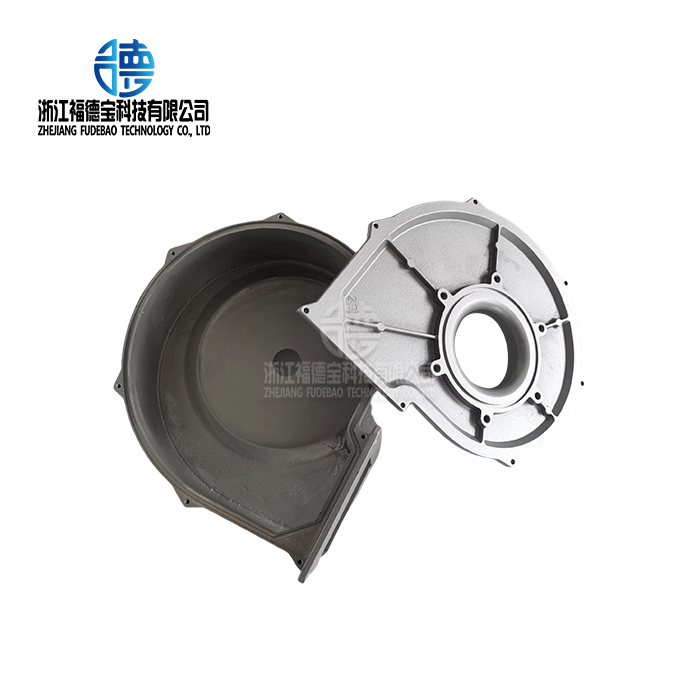
For big parts like pump housings, compressor bodies, and structural elements, sand casting is frequently used in the production of heavy industrial equipment. The process can handle the large component sizes that are needed while keeping production costs low. The different needs of industrial uses are also met by the versatility of the material.
The accuracy and surface finish of investment casting are great for making precise parts for industrial equipment, like valve bodies, precision housings, and complex brackets. Often, the lower amount of cutting needed makes up for the higher cost of casting, especially when production levels stay low.

Real-World Case Studies Demonstrating Casting Method Selection
Automotive Component Manufacturing Success
A big tier-one auto supplier had trouble making aluminum intake manifolds that needed to be both cost-effective and work better. The first attempts at sand casting met their cost goals, but they needed a lot of machining to make sure the parts were the right size, which pushed up total production costs and lead times.
When they switched to precision casting, 60% of the secondary cutting tasks were done away with. This made the sizes of each production batch more consistent. Even though the starting cost of the tools went up, the overall cost of manufacturing went down by 25% because of lower machining costs and better quality metrics. The better surface finish also made the part more resistant to corrosion, which increased its useful life in harsh automotive settings.
Industrial Pump Housing Application
A company that makes industrial pumps wanted to find the best way to make complicated stainless steel housings with lots of small holes and strict tolerances. It was hard to get the needed level of accuracy in dimensions and a good surface finish with traditional sand casting methods. A lot of machining tasks made the manufacturing process more expensive and difficult.
Investment casting produced nearly net-shaped housings that met all standards for dimensions and surface finish. Getting rid of internal cutting operations cut production time by 40% and made the products more reliable overall. Because machining allowances were cut down, a lot more material was used, which balanced out the higher original casting costs by saving material.
Aerospace Bracket Manufacturing Excellence
A company that specializes in aircraft parts had to make complicated titanium brackets with thin walls and complicated mounting holes. Sand casting didn't work because the walls had to be a certain thickness and the surface finish wasn't good. To meet aircraft quality standards, the parts had to go through a lot of post-processing.
Precision casting made it possible to make brackets with a near-net shape that met all the standards for size and surface right from the casting process. Controlled cooling improved the material's properties and made it more resistant to fatigue, going above and beyond what is needed for aircraft performance. Integration into aerospace supply chains went smoothly thanks to certification and traceability documents.
Company Introduction and Our Casting Solutions
Zhejiang Fudebao Technology Co., Ltd. is a top company that specializes in advanced casting solutions for aluminum alloys, copper alloys, and stainless steel. Our wide range of manufacturing skills helps customers around the world in the aerospace, industrial equipment, machinery production, and automotive industries. We have become the leading company in China's aluminum foundry business by forming strategic partnerships with well-known foreign brands, such as American HAAS automation machine tools and ESS energy storage systems.
Our cutting-edge building has high-speed machining centers, CNC lathes, low-pressure casting machines, and precision die casting systems, among other things. Complete "melting-casting-finishing-surface treatment" processes can be done under one roof with this wide range of equipment, allowing for smooth one-stop delivery from raw materials to finished parts. Our precise skills allow us to meet tolerances of up to ±0.05mm, which is high enough for aerospace applications, medical equipment housings, and precision parts for cars.
The advanced technologies at the facility include both sand casting and precision casting. This lets the best process be chosen based on the needs of each component and the amount of work that needs to be done. To make sure that the best casting method is chosen for each job, our experienced engineering team works closely with customers to look at design needs, material requirements, and quality standards.
Quality control is still the most important part of our business, and we have full inspection methods and paperwork to back up PPAP requirements and aerospace certifications. Our dedication to constant improvement and technological progress guarantees that we will always provide better casting solutions that go above and beyond what our clients expect, all while keeping our prices and delivery times competitive.
Conclusion
Choosing between sand casting and precision casting has a big effect on how well products are made in industries like aircraft, automotive, and more. Precision casting is best for tasks that need very accurate measurements and a smooth surface, while sand casting is more cost-effective for bigger, less complicated parts that don't need to be very accurate in their dimensions. By knowing these differences, procurement workers can choose a casting method that meets performance needs, production volumes, and cost goals. In the end, the decision will rest on how well the quality requirements are balanced with the need to meet the delivery schedule.
FAQ
What factors determine whether sand casting or precision casting is more suitable for my project?
Several critical factors influence the optimal casting method selection for specific applications. Component size and complexity represent primary considerations, with sand casting favoring larger, simpler geometries while precision casting excels at intricate details and thin-walled sections. Production volume requirements also play a significant role, as sand casting becomes more economical for higher volumes while precision casting often proves cost-effective for moderate production runs.
Dimensional tolerance and surface finish requirements heavily influence process selection. Applications demanding tight tolerances and superior surface finish typically favor precision casting, while components accepting wider tolerances may benefit from sand casting's cost advantages. Material considerations and post-processing requirements also impact the decision-making process.
How do lead times compare between sand casting and precision casting processes?
Lead times vary significantly based on component complexity, tooling requirements, and production volumes. Sand casting typically offers shorter initial lead times due to simpler tooling and faster mold preparation. Pattern creation and initial sampling often complete within 2-4 weeks for standard applications, with production ramp-up following quickly thereafter.
Precision casting generally requires longer initial development periods due to complex pattern creation and ceramic shell development. Initial sampling may require 4-8 weeks, depending on component complexity and material requirements. However, the reduced finishing requirements often accelerate overall delivery schedules once production begins.
Can both casting methods accommodate environmentally responsible manufacturing practices?
Both sand casting and precision casting support sustainable manufacturing initiatives through various approaches. Sand casting utilizes recyclable sand materials, with proper handling enabling multiple reuse cycles. Modern foundries implement closed-loop water systems and energy-efficient melting technologies to minimize environmental impact.
Investment casting generates minimal waste through precise material utilization and reduced machining requirements. The ceramic shell materials can be recycled for alternative applications, while the near-net-shape capability minimizes material waste throughout the production process. Both methods accommodate recycled metal feedstock, supporting circular economy principles.
What quality certifications and documentation are available for cast components?
Comprehensive quality documentation supports both casting methods across various industry requirements. Automotive applications receive full PPAP documentation including dimensional reports, material certifications, and process validation records. Aerospace components include complete traceability documentation, material test reports, and certification compliance records.
Industrial applications receive appropriate documentation based on specific requirements, including dimensional inspection reports, material certifications, and process control records. Both casting methods support ISO 9001 quality systems and industry-specific certifications as required by client specifications.
Partner with Fudebao Technology for Superior Casting Solutions
Zhejiang Fudebao Technology combines advanced sand casting and precision casting capabilities to deliver optimal solutions for your manufacturing requirements. Our comprehensive facility and experienced engineering team ensure the right casting method selection while maintaining exceptional quality standards. Contact our technical specialists at hank.shen@fdbcasting.com to discuss your specific casting needs and discover how our sand casting manufacturer expertise can optimize your production efficiency and component performance.
References
Campbell, John. "Complete Casting Handbook: Metal Casting Processes, Techniques and Design." Butterworth-Heinemann, 2015.
Beeley, Peter R. "Foundry Technology." Newnes Technical Books, 2001.
American Foundry Society. "Sand Casting Manual: Design and Manufacturing Guidelines." AFS Technical Publication, 2018.
Investment Casting Institute. "Investment Casting Handbook." ICI Technical Standards, 2019.
Brown, John R. "Foseco Foundryman's Handbook: Facts, Figures and Formulae." Butterworth-Heinemann, 2000.
Stefanescu, Doru Michael. "Science and Engineering of Casting Solidification." Springer International Publishing, 2015.



_1756352822273.webp "Stainless steel plugs")
_1756346259673.webp "heavy duty hinges")