Aluminum Die Casting for Structural Automotive Parts
2026-02-03
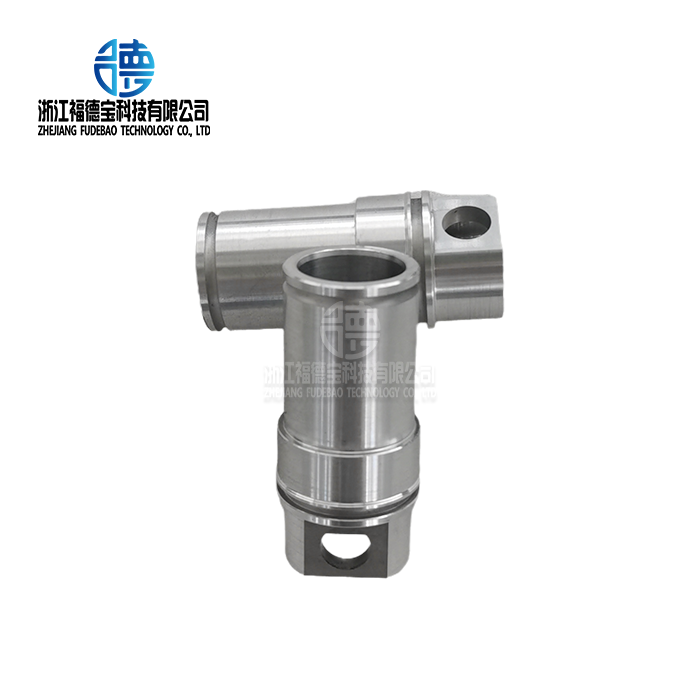
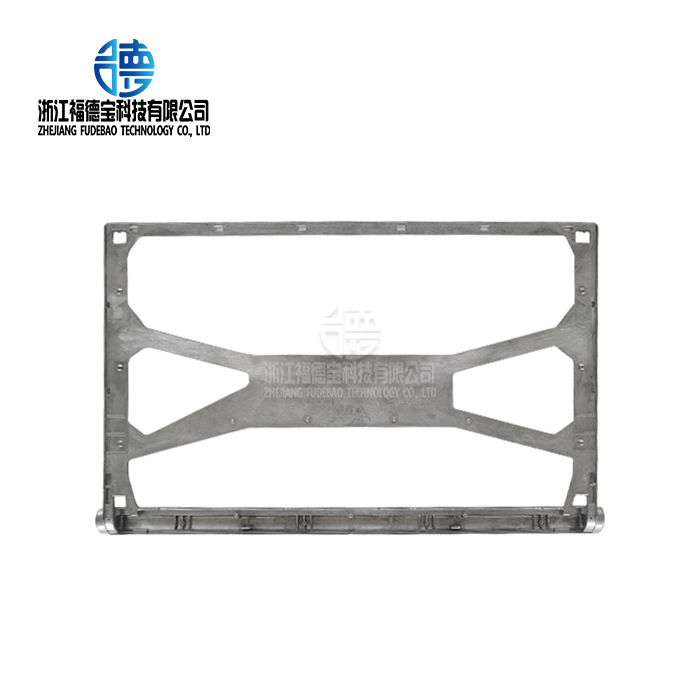
Aluminum die casting is one of the most important technologies used to make cars today. It gives structure parts of cars the accuracy and dependability they need. Aluminum die casting is emerging as the best option for making lightweight, high-strength parts that meet strict safety standards as global automotive OEMs and tier-1 suppliers deal with increasingly complex design requirements. This way of making things lets you make important structure parts like housings, brackets, engine parts, and chassis parts that are what hold modern cars together. Aluminum die casting is now a must-have technology for car engineers who want to strike a balance between performance and environmental responsibility due to the growing focus on fuel economy and reducing emissions.
Understanding Aluminum Die Casting in Automotive Structures
The Fundamentals of Die Casting Technology
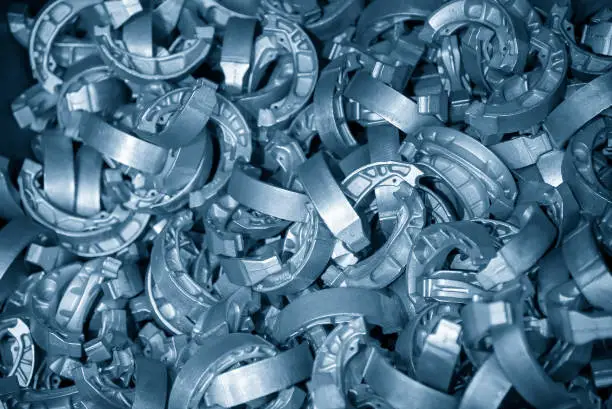
Aluminum die casting is a complicated process that uses high-pressure injection into steel molds to turn molten aluminum alloys into exact structural parts. At temperatures as high as 1,300°F (704°C), aluminum alloys are melted to make a uniform liquid metal that is ready to be injected. Under pressures ranging from 1,500 to 25,000 PSI, the molten aluminum flows into the die hole, making sure that even the most complicated shapes and details are fully filled.
After solidification, there is a very short period of fast cooling. This creates fine-grain microstructures that improve the mechanical properties. The parts made with this controlled cooling method have very accurate measurements, usually within ±0.002 inches (±0.05mm) of the critical dimensions. Modern die casting machines have complex temperature control systems and real-time tracking to make sure that the quality stays the same during production runs.
Why Aluminum Alloys Excel in Structural Applications?
Because they are so strong for how light they are, aluminum alloys are often used as structural materials in cars. This is because they can be up to three times stronger than standard steel parts. Most of the time, metals like A380, A383, and ADC12 are used. Their tensile strengths are between 46,000 and 48,000 PSI, and their densities are about a third that of steel.
Another important benefit is that it doesn't rust, which is especially important in automobile settings where parts are exposed to road salts, water, and changing temperatures. Aluminum naturally creates a protective oxide layer that stops further corrosion. This makes parts last longer and requires less upkeep. This built-in protection is especially useful in structural situations where a broken part could put the safety of the car at risk.
Process Steps and Quality Assurance
There are several important steps in the die casting process that make sure the parts are of the highest quality and stability. Mold creation is the most important part of casting because it includes thinking about how metal will flow, how it will cool, and how it will eject. Engineers can use advanced computer modeling tools to find the best gate locations and runner systems to keep air moving smoothly and avoid getting stuck.
During the whole process, quality control methods include keeping an eye on the injection pressure, temperature profiles, and cycle times in real time. X-ray inspection systems find internal holes, and coordinate measuring tools make sure the sizes are correct. For safety-critical uses, these thorough quality assurance protocols make sure that structural car parts meet or go beyond OEM standards.
Enhancing Quality and Design for Structural Aluminum Die Castings
Common Defect Prevention and Mitigation
In structural aluminum die casting, porosity is the biggest quality problem. In the worst cases, it can lower the mechanical values by up to 40%. Gas porosity is usually caused by trapped air during injection, and shrinking porosity is caused by solidification. Some effective ways to stop this from happening are to increase the speed of injections, follow the right degassing steps, and create good venting systems.
Vacuum-assisted die casting has become a strong option, lowering porosity levels to less than 2% compared to the 5-8% range for traditional casting. This technology creates negative pressure inside the die cavity, which keeps air from getting trapped and lets parts be made that can be used for welding and pressure tests.
Cold shut flaws, which show up as lines on the surface of the part, happen when the metal doesn't reach the right temperature or solidifies too early. To avoid this, filling temperatures should stay between 1,250°F and 1,300°F, and runner systems should be designed so that as little heat as possible is lost during metal transfer.
Design Guidelines for Manufacturing Excellence
Optimizing wall thickness is an important part of design, and the best amounts for most structural uses are between 0.08 and 0.200 inches. Different cooling rates can cause warping or breaking, but walls that are all the same thickness stop that from happening. When changes in thickness are needed, smooth shifts with ratios that don't go over 2:1 help keep the structure strong.
Draft angles help parts come out of the die and make it last longer. The minimum draft angle should be between 1 and 3 degrees, based on the wall height and surface finish needs. Draft angles of 1.5 to 2 degrees should be built into structural ribs to make sure proper release while keeping structural performance. Corner radii between 0.030 and 0.060 inches get rid of stress clusters that could cause cracks to spread when the structure is loaded.
Undercut features need to be carefully thought out because they require complicated tooling systems that raise costs and make upkeep more difficult. For complicated shapes, it's often more cost-effective to use different design methods, like secondary machining processes or assembly techniques.
Heat Treatment and Post-Processing Excellence
The mechanical properties of structural aluminum castings are greatly improved by heat treatment methods. When a solution is heated to 1,000°F and then cooled and aged under controlled conditions, the T6 temper process can boost the yield strength by 50–70% compared to the material's as-cast state. This process works especially well for parts of structures that need to be very strong for safety reasons.
Surface finishing processes improve both how things look and how well they work. By adding helpful compressive stresses, shot peening improves fatigue resistance. Anodizing, on the other hand, improves corrosion protection and wear resistance. In harsh automotive settings, these treatments can add 25 to 40 percent to the useful life of parts.
Precision machining is used to get the very close tolerances needed for important parts that fit together and holes for fasteners. CNC machining centers with high-speed spindles and advanced tools can keep positional errors to within ±0.001 inches and get surface finishes below 32 RMS.

Procurement Considerations for Aluminum Die Casting Automotive Parts
Supplier Evaluation Criteria and Quality Management
To find the best aluminum die casting partner, you need to look at their technical skills, quality systems, and output capacity. ISO/TS 16949 certification is the minimum standard for automotive suppliers, showing that they follow quality management rules specific to the business. Advanced quality planning (APQP) experience shows how well a provider can help with the development of new products from the idea stage to the start of production.
When looking at production capacity, you should look at both what you can do now and what you could do in the future to support market growth. Suppliers with a range of die casting machines, from 400 to 3,000 tons, can make parts of different sizes and provide backup capacity while machines are being serviced. With integrated CNC machining, logistics are simplified and wait times are cut by 20–30%.
Implementing statistical process control (SPC) shows that a supplier is dedicated to providing consistent quality service. Real-time monitoring systems that keep an eye on important process factors and change settings on their own help keep measurements accurate during production runs. For safety-critical parts, suppliers who use advanced inspection tools like CMMs and X-ray systems can provide the necessary checks.
Strategic Sourcing Metrics and Cost Optimization
Minimum order amounts (MOQ) have a big effect on how much it costs to keep inventory and how much cash you need. Flexible minimum order quantities (MOQs), usually 500 to 2,000 pieces for structural parts, allow just-in-time supply strategies while keeping working capital needs to a minimum. Blanket buy orders with scheduled releases guarantee a certain amount of goods, which helps keep prices low while still allowing for flexible delivery.
Managing lead times is very important in automotive supply lines where production schedules change all the time. During program launches, suppliers who keep a strategic inventory of popular alloys and offer fast tooling services have an edge over their competitors. Critical transport needs are met by emergency production capabilities, such as operations on the weekends and during holidays.
When negotiating prices, you should look at the total cost of ownership instead of just the piece price. Suppliers who offer value-added services like design help, prototype development, and inventory management may be able to charge higher unit prices because they save money on program development costs and make the supply chain more efficient.
Global Supplier Landscape and Regional Advantages
The aluminum die casting market in North America is helped by being close to important auto production hubs and having a well-established supply chain infrastructure. Regional suppliers make it easier to communicate, coordinate operations, and lower the risk of currency fluctuations. Quality standards are usually in line with what the car industry needs, and intellectual property protection keeps secret designs safe.
Asian providers, especially those in China, can often offer price cuts of 15 to 30 percent compared to North American options. But the total landed costs must be taken into account, which include shipping, customs duties, and the costs of keeping inventory on hand because of longer wait times. Quality control has gotten a lot better, and now many suppliers meet the norms for automotive certification.
European suppliers are the best at using advanced technology and making special alloys, which is why premium car applications choose to work with them. Their knowledge of environmental rules and lightweight design is very helpful for programs that are making the next wave of vehicles.
Company Introduction and Our Aluminum Die Casting Solutions
Zhejiang Fudebao Technology Co., Ltd. is a top company that makes aluminum die castings. They provide precision-engineered structural parts to global car OEMs and tier-1 suppliers. Our large production facility has cutting-edge machines like high-speed machining centers, CNC lathes, low-pressure casting machines, and advanced die casting machines that can make parts with tolerances as small as ±0.05mm.
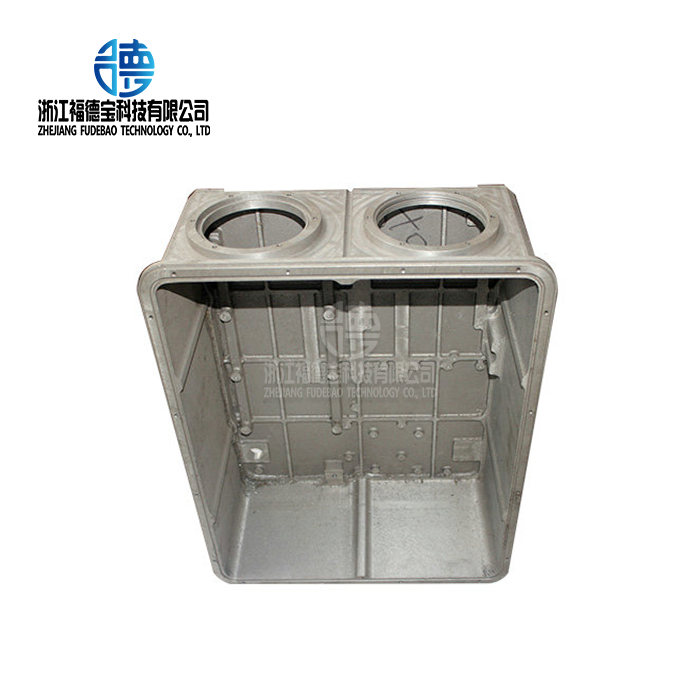
Our integrated approach includes the whole manufacturing process, from melting to treating the surface. This means that we can give the whole product, from the blank to the finished one, all in one place. This vertical integration makes sure that quality is controlled throughout the whole production process. It also cuts down on wait times and gets rid of any quality problems that might come up with having multiple suppliers. Because the facility is so advanced, it can make complicated structure parts for cars, like engine brackets, transmission housings, and chassis parts.
Quality control is an important part of what we do. We use coordinate measuring machines, X-ray detection systems, and statistical process control all the way through production as part of our thorough inspection routines. Our quality management system keeps its ISO/TS 16949 certification, which shows that we follow the rules set by the automotive business. PPAP's documentation tools help with the start of new programs, and continued quality monitoring makes sure that performance stays the same throughout production lifecycles.
Our expert team helps with design and engineering so that part designs are as easy to make as possible while still meeting structural performance standards. This way of working together helps customers reach their goals of cutting costs while also making products better and more reliable. Advanced simulation software lets you find the best casting settings and spot any quality problems before production starts.
Conclusion
Aluminum die casting has become the best way to make structure parts for cars because it gives customers the perfect mix of strength, weight reduction, and accuracy that modern cars need. The process has many benefits, such as very accurate measurements, better mechanical properties, and high production efficiency that meets the needs of high-volume car manufacturing. More electric cars and better gas mileage are coming to the auto business, and aluminum die casting technology is the basis for the next generation of structural parts. To do a good job of procuring things, you need to carefully evaluate suppliers, think about the total cost of ownership, and work with makers who can show they have the technical knowledge, quality commitment, and production capacity to meet the needs of the long-term automotive program.
FAQ
What are the main advantages of aluminum die casting for automotive structural parts?
Aluminum die casting offers several key benefits including exceptional strength-to-weight ratios that can reduce component weight by up to 60% compared to steel alternatives. The process achieves dimensional tolerances of ±0.002 inches while providing excellent surface finishes that often eliminate secondary finishing operations. Corrosion resistance and thermal conductivity properties make aluminum castings ideal for automotive environments where durability and heat management are critical.
How do minimum order quantities and lead times affect procurement decisions?
Typical MOQs for structural automotive parts range from 500-2,000 pieces depending on part complexity and size. Lead times consist of 8-16 weeks for tooling development plus 2-4 weeks for production runs. Higher volume commitments often enable better pricing and priority scheduling, while suppliers offering flexible MOQs provide advantages for prototype development and low-volume specialty applications.
What factors should be prioritized when selecting a die casting manufacturer?
Critical selection criteria include ISO/TS 16949 certification, PPAP documentation capability, and statistical process control implementation. Production capacity should match volume requirements while providing backup capability during peak demand periods. Integrated machining capabilities, quality inspection equipment, and design engineering support represent value-added services that can reduce total program costs and complexity.
Partner with Fudebao Technology for Superior Aluminum Die Casting Solutions
Automotive engineers and procurement teams seeking a reliable aluminum die casting supplier will find comprehensive solutions at Fudebao Technology. Our advanced manufacturing capabilities, stringent quality controls, and automotive industry expertise deliver the precision structural components your projects demand. We invite you to experience our commitment to excellence through sample orders and technical consultations tailored to your specific requirements. Contact our engineering team at hank.shen@fdbcasting.com to discuss your aluminum die casting needs and discover how our integrated manufacturing approach can optimize your supply chain efficiency while maintaining the highest quality standards.
References
American Foundry Society. "Aluminum Die Casting: Process Parameters and Quality Control." Modern Casting Magazine, 2023.
Society of Automotive Engineers. "Material Selection Guidelines for Automotive Structural Components." SAE Technical Paper Series, 2022.
North American Die Casting Association. "Industry Best Practices for Automotive Applications." Technical Bulletin, 2023.
International Journal of Manufacturing Technology. "Advances in Aluminum Alloy Development for Die Casting Applications." Volume 45, Issue 3, 2022.
Automotive Engineering International. "Lightweight Materials and Manufacturing Processes in Modern Vehicle Design." Technical Review, 2023.
Materials Science and Engineering Research. "Mechanical Properties and Performance Characteristics of Die Cast Aluminum Alloys." Academic Publication, 2022.



_1756360265131.webp "Aluminum casting chair legs")
_1756349862928.webp "belts pulleys")
_1756349071334.webp "HAAS mounting bracket")
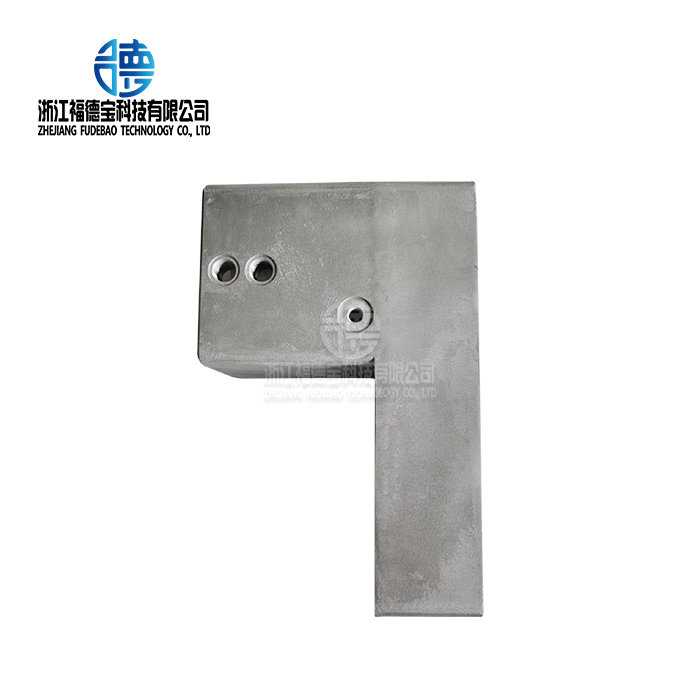
_1756348300182.webp "Aluminum die-cast housing")