Cost Analysis of Low Pressure Casting for OEM Projects
2026-06-12
When you're in charge of OEM projects that need precise metal parts, you need to know how low pressure casting costs in order to make smart purchasing decisions. Using controlled air pressure between 20 and 100 kPa, this casting method pushes molten aluminum or magnesium alloy into molds. Low pressure casting produces parts with better density and mechanical integrity than traditional gravity pouring. The process reduces turbulence, eliminates oxide inclusions, and achieves material yields above 90%. This makes it a good choice for car components that need to be durable and high-quality, such as electrical casings and suspension parts.
Understanding Low Pressure Casting and Its Cost Components
The Fundamental Process Behind Counter-Gravity Casting
This method is different from others because it uses the counter-gravity filling method. A riser tube links a pressurized holding furnace directly to the mold. This lets the metal rise easily without splashing or turbulence. This smooth flow stops the formation of oxide films and trapped air, which are typical problems in gravity pours. During solidification, the holding pressure stays in place, causing thick-walled parts to continue to shrink and fixing problems with porosity that come up with other ways.
Primary Process Steps Influencing Production Costs
Putting refractory coats on fixed dies, which are usually made of H13 tool steel, is the first step in getting a mold ready. Metals are melted in gas or electric ovens that keep the temperature under tight control. For A356 aluminum alloy, the temperature must stay around 720°C. PID-controlled pressure curves are used in the controlled pouring process to keep the gate velocity constant. Cooling takes place inside the die while pressure is kept steady. This is followed by removal and finishing steps like cutting, heat treatment, and machining to meet ISO 8062 CT6–CT7 standards.
Key Cost Drivers in Aluminum Alloy Casting
The choice of raw material has a direct effect on both the cost per unit and the life of the tools. After being heated to T6, the A356 aluminum alloy with a limited iron content below 0.15% and strontium modification has good elongation qualities. Investing in equipment means spending a lot of money on things like fixed mold building, pressure control systems, and furnace infrastructure. Since technology takes care of routine tasks, the need for workers stays about the same. The main things that use energy are keeping furnaces at the right temperature and keeping hydraulic systems running. This method is different from others with a high rejection rate because it manages defects through proper feeding, which gets rid of expensive scrap.
Comparative Cost Analysis: Low Pressure Casting vs Other Casting Methods
Evaluating Setup Costs and Tooling Expenses
Permanent mold equipment for counter-gravity filling costs more to buy up front than sand casting dies but a lot less than high-pressure die casting dies. A normal H13 steel mold can make between 30,000 and 50,000 shots before it needs major repairs, which spreads the purchase cost over a large production volume. Low pressure casting uses similar permanent mold equipment, so its initial investment is higher than sand casting but far lower than high-pressure die casting. Sand casting doesn't need expensive tools, but it does cost a lot for each batch to make the patterns and cores. Investment casting requires complicated wax models and clay shells, increasing the cost per unit. Extreme pressures mean that die casting tools must be made of hardened steel with complex cooling ducts, making mold costs two to three times higher than fixed models used in counter-gravity methods.
Production Speed and Cycle Time Considerations
Die casting is the fastest method, with processes taking 60 to 90 seconds for thin-walled frames. But this method fills at speeds higher than 40 meters per second, trapping gas and making it impossible to heat treat. Counter-gravity filling works at controlled speeds of 0.5 to 2.0 meters per second. This makes cycle times longer, to 5 to 8 minutes, but it allows full T6 treatment for structural stability. The cycle times for gravity casting and sand casting are about the same, but gravity casting has a higher failure rate, which means that it needs more time for quality checking. When inspection, rework, and refusal costs are taken into account, the counter-gravity method, which is slower but more reliable, is often cheaper for safety-critical parts.
Defect Rates and Finishing Cost Implications
The laminar filling property lowers the internal porosity to a level that meets ASTM E155 radiography standards without the need for extra impregnation. Surface finish gets Ra 3.2–6.3 µm right out of the mold, so it doesn't need as much machining afterward as rough sand-cast surfaces do. A material yield of more than 90% is very different from gravity casting's 50–60% yield, which means that less energy and work is needed for remelting. These quality benefits lead to lower inspection costs, fewer scrap write-offs, and fewer finishing operations. These are important factors that are often missed when comparing prices per pound but are very important when figuring out the total cost of ownership.
Factors Affecting Low Pressure Casting Costs in OEM Projects
Material Selection and Alloy Specifications
The choice of alloy goes beyond the price of the raw materials and includes performance qualities that affect costs further down the line. A356 aluminum is easy to cast and responds well to heat treatment. After T6 processing, it can reach tensile forces above 280 MPa. Other metals, such as A380, have lower melting points, which means they use less energy, but they can't be heated and shaped. Copper alloys are better at conducting electricity than other metals, but they need to be poured at higher temperatures, which speeds up die wear. Strategic material selection combines the costs of instant purchases with the regularity of tool upkeep and the performance of components over their entire lifecycle.
Equipment Technology and Automation Levels
These days, counter-gravity devices have adjustable pressure curves, automatic die coating, and robotic part extraction. These advances in technology lower the cost of labor per part while also making them more consistent. For older manual systems to work, skilled workers must watch over the pressure gauges and timing steps, which raises the labor ratio. Different types of equipment are needed for CNC machining machines that do work after casting. Our factory has high-speed machining centers and CNC lathes that can hold tolerances of up to ±0.05mm. This allows us to deliver parts from blank to finished assembly all in one place, which lowers the costs of managing multiple vendors.
Design Complexity and Mold Construction Requirements
Mold complexity and cycle time go up when complicated shapes need sand cores for internal passages. This problem is shown by cylinder heads with cooling lines inside them, which use cold box or shell sand cores that can handle the low 1-bar filling pressure without breaking. Low pressure casting also benefits from careful core design to ensure complete filling and minimize defects. Simpler bracket designs use simple two-part fixed molds that keep the cost of building low. Different wall thicknesses affect how solidification is managed—sections less than 2.5 mm risk not being fully filled, while sections with excessive thickness need longer cooling times. Collaborative design reviews between engineering teams and casting experts make shapes easier to produce, which cuts down on unnecessary costs.
Production Volume and Economies of Scale
Large OEMs spread the cost of their tooling out over thousands of parts, which greatly lowers the cost per unit. A machine that makes 40,000 wheels spreads out its building costs so that each part doesn't cost much. On the other hand, trial runs or small amounts of less than 500 pieces require more tools. Permanent mold methods have a competitive edge because they can change setups more quickly than retooling high-pressure dies and keep the consistency better than sand casting patterns. Most of the time, projects with an output of 1,000 to 10,000 units per year find the best economic zone where quality benefits are enough to cover a modest amount of tooling amortization.
Optimizing Procurement Decisions for Low Pressure Casting Projects
Identifying Trusted Foundry Partners
When evaluating equipment capabilities, it is important to make sure that the accuracy of the pressure control, the capacity of the furnace to meet output schedules, and the inspection infrastructure, which should include X-ray systems that meet ASTM E155 standards. Metallurgical knowledge, such as knowing how to refine grains, change treatments, and follow heat treatment methods, shows technical skill. Systematic quality management is shown by certifications like ISO 9001, IATF 16949 for car suppliers, and AS9100 for aircraft uses. The past of delivery performance, shown by the percentage of on-time shipments and the ability to adapt to changes in engineering, tells you which providers are reliable and which ones aren't.
Structuring Effective Requests for Quotations
Comprehensive RFQs make it clearer what the costs are, not just the price per piece. Costs of raw materials, tooling amortization plans, per-cycle production costs, finishing operations, testing processes, and packing needs should all be broken down in detail. Having different levels of volume and unit prices for each one shows economies of scale and helps you plan your buying strategies. Setting lead times for building the first tool, getting approval for the first product, and starting up production keeps the plan from being surprised. The business system includes payment terms, liability rules, and intellectual property rights. This makes it easy to compare different suppliers.
Evaluating In-House Versus Outsourced Production
Setting up internal low pressure casting processes requires a lot of money to be spent on ovens, mold handling systems, and environmental controls that aren't part of the main business. Specialized foundries have higher employment rates because they serve a wider range of customers, which spreads fixed costs more evenly. But vertical integration gives you better control over quality and protects your own processes. With hybrid methods, important or high-volume parts stay in-house while rare alloys or low-volume versions are outsourced. Decision matrices that take into account available cash, production numbers, technical complexity, and strategic importance help people make smart choices about whether to make or buy something.
Case Studies and Real-World Examples of Cost Reduction
Automotive Suspension Component Optimization
A top-tier car supplier that made control arms had rejection rates of about 12% when they used gravity casting, mostly because of internal porosity that didn't pass X-ray testing. By switching to counter-gravity filling with improved pressure curves, errors dropped to less than 3%, which greatly lowered the cost of scrap. A 8% increase in material output was achieved by redesigning the mold at the same time to include better gating and feeding. The overall process improvements cut costs by 18%, even though they used a little more energy per cycle. This shows that quality changes often have the biggest impact on the economy.
Electrical Housing Supplier Selection Success
A company that makes industrial tools and motor housings merged three gravity casting suppliers into one counter-gravity expert. Standardized methods got rid of quality problems caused by difference that used to need 100% leak testing. The combined machining capabilities of the chosen foundry cut down on transportation costs and lead times by getting rid of the need for shipping between stages. Even though the unit price went up by 6% compared to the lowest seller, the total landing costs went down by 14% because inspection work was cut down, rework was stopped, and inventory turned over faster. This case shows why total cost analysis is more important than just comparing prices.
Lessons for Procurement Professionals
A full review of a supplier's technical skills, quality systems, and level of process control maturity always works better than a pick based only on price. When sellers share performance data and work together on improvements as part of a continuous improvement relationship, small gains add up over the life of the contract. Including suppliers early on in the design process keeps costly problems with making the product from being found after production promises have been made. These tried-and-true methods can be used in many fields, like aircraft, automotive, industrial gear, and electrical equipment, where the quality of a component directly affects the performance and safety of the final product.
Conclusion
A study of the costs of low pressure casting for OEM projects shows that it is more complicated than just figuring out the cost per pound of material. The process gives better metallurgical integrity by controlling filling, allowing heat treatment, and getting mechanical qualities that can't be reached with high-speed methods. Even though cycle times are longer than with die casting and equipment costs are higher than with sand casting, the high material output, low defect rates, and low need for finishing often make the total cost of ownership more favorable. Instead of chasing the lowest initial quotes, strategic procurement choices that take into account quality standards, output volumes, and source skills maximize value. Through a deep knowledge of the cost structure, successful OEM relationships find a balance between technical performance and cost-effectiveness.
FAQ
What are the main cost influencers in counter-gravity casting?
The main things that affect costs are the choice of material combination, the difficulty of building tools, the amount of output, and how to handle defects. Levels of automation and how complex the equipment is have a big effect on worker rates. Mold prices and cycle times go up when design features need sand cores or complicated shapes.
How does counter-gravity casting compare economically to high-pressure die casting?
Die casting has shorter processes, but it costs more for the tools and the parts it makes can't be heated because the gas inside them gets stuck. Even though they take longer to make, counter-gravity methods allow full T6 stiffening for structural parts. Total costs make die casting better for making a lot of thin-walled boxes, but counter-gravity works better for making safety-critical parts that can be heated.
What supplier qualifications should procurement teams prioritize?
Supplier credibility is based on their equipment capabilities, such as accurate pressure control, metallurgical expertise shown through knowledge of alloys, relevant quality certifications (IATF 16949, AS9100), inspection infrastructure that meets radiographic standards, and a history of on-time deliveries. Integrated machining skills that offer one-stop solutions make transportation easier.
Partner with Fudebao Technology for Your Casting Needs
Because we've been making specialized aluminum alloy castings for decades, we can give you great value for your OEM projects. Our factory has a combined production line that includes modern pressure-controlled casting machines, high-speed machining centers, and CNC lathes that can keep tolerances as tight as ±0.05mm. We provide parts to the electrical, industrial equipment, and car industries that meet PPAP documentation needs and quality standards around the world. During the planning process, our engineering team works together to make sure that the product can be made easily and cheaply without sacrificing performance. Email our technical expert at hank.shen@fdbcasting.com to talk about your unique needs and ask for a cost estimate that is tailored to your application. We give clear quotes that break down the costs of materials, tools, processing, and finishing. This lets you make smart buying choices and trust us to deliver on time.
References
American Foundry Society. (2021). Permanent Mold Casting Handbook: Principles and Best Practices. Schaumburg, IL: AFS Publications.
Campbell, J. (2015). Complete Casting Handbook: Metal Casting Processes, Metallurgy, Techniques and Design (2nd ed.). Oxford: Butterworth-Heinemann.
ASM International Handbook Committee. (2018). ASM Handbook Volume 15: Casting. Materials Park, OH: ASM International.
Kaufman, J.G. & Rooy, E.L. (2004). Aluminum Alloy Castings: Properties, Processes, and Applications. Materials Park, OH: ASM International.
Bonollo, F., Urban, J., Bonatto, B., & Botter, M. (2005). Gravity and Low Pressure Die Casting of Aluminium Alloys: A Technical and Economical Benchmark. La Metallurgia Italiana, 97(6), 23-32.
Ravi, B. (2005). Metal Casting: Computer-Aided Design and Analysis. New Delhi: Prentice-Hall of India.



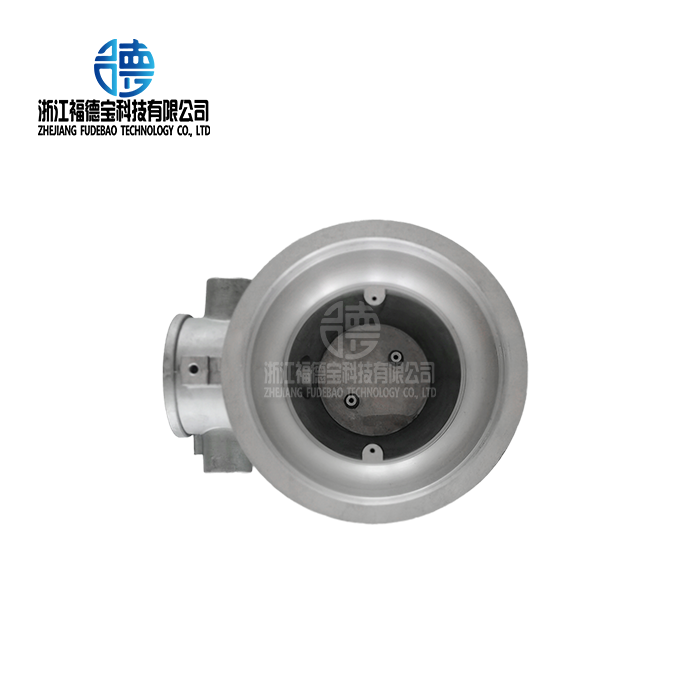
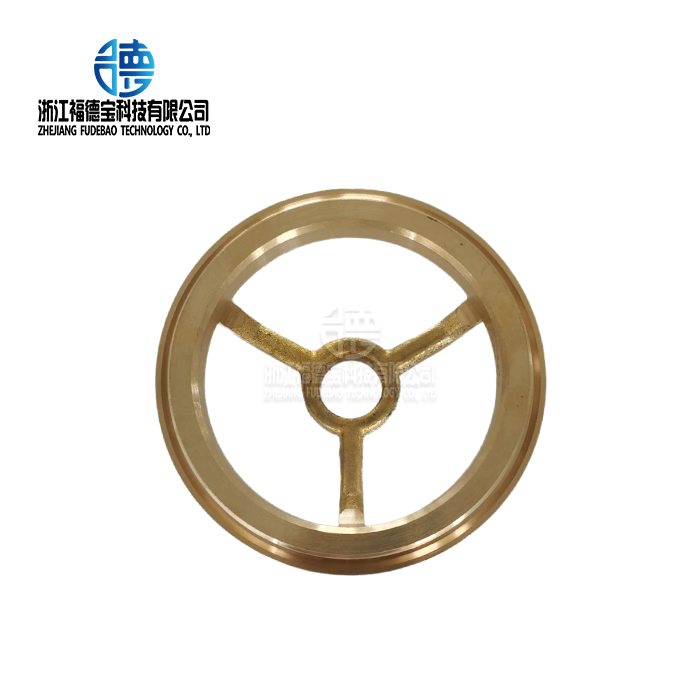
_1756361423150.webp "Cryopump body")
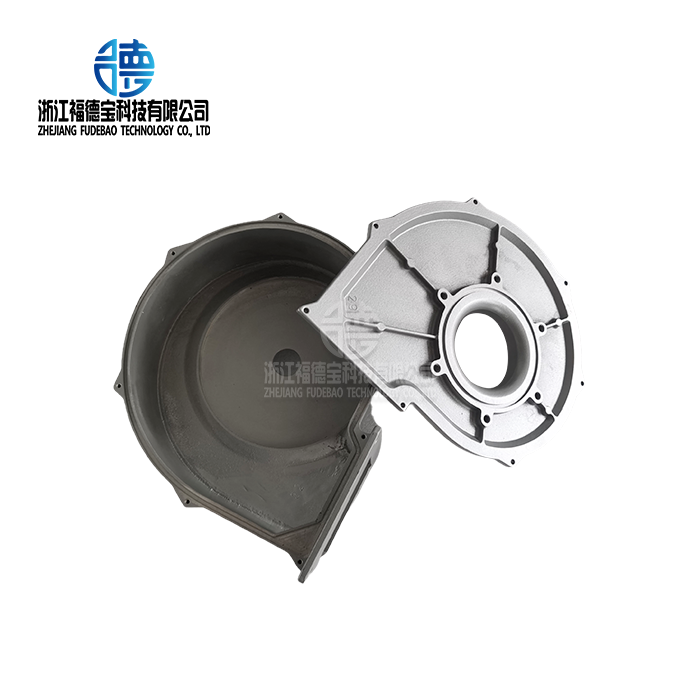
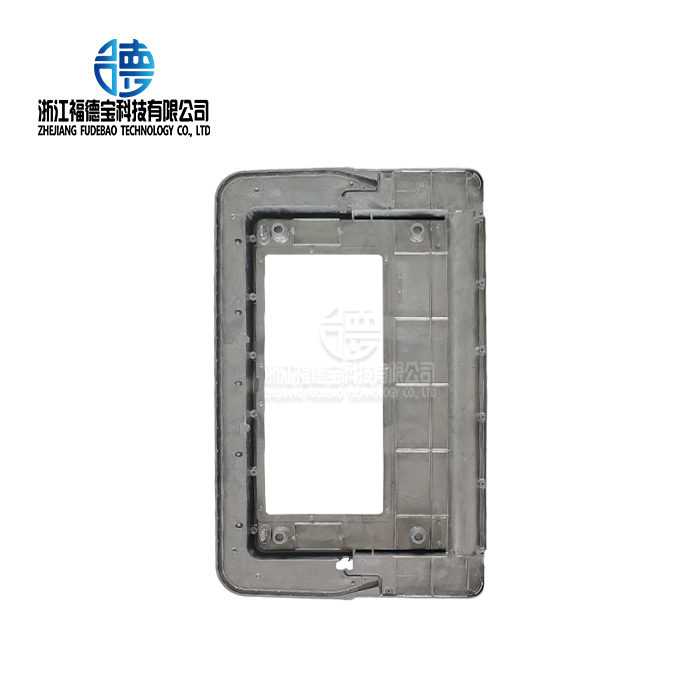
_1756348300182.webp "Aluminum die-cast housing")