
Copper Crafts Casting for Custom Architectural Ornaments and Decorative Fixtures
2026-11-25
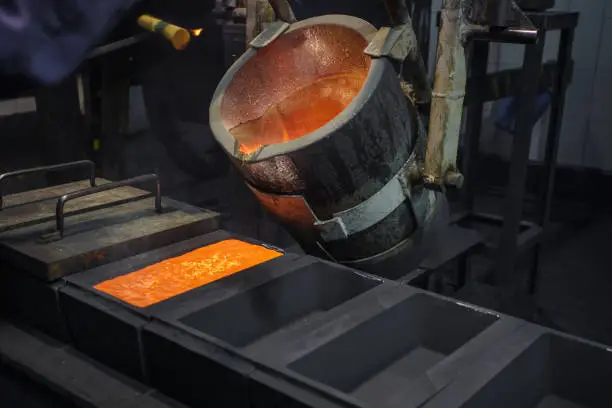
Copper Crafts Casting: To make finished parts, melted copper or copper alloy is poured into molds. These pieces are used to make ornaments and decorations for buildings. This is often seen on door knobs, fence decorations, light fixtures, signs, and wall art. It doesn't rust, has a bright color that changes, and can be shaped in strange ways, so people buy it. Four things can make a difference: the metal, how it was cast, the finish, and the check. From the planning stage to the delivery, this book tells architects, OEM project teams, and buying managers what they need to do.
Why Copper Crafts Casting Suits Architectural Ornaments and Decorative Fixtures
Where Cast Copper Works Best
Cast copper can be used to make unique home decor items like door hardware, wall panels, lighting parts, curtain rod ends, fence decorations, plaques, sculptures, and more. Many artists like this color because it makes them feel like they are in the outdoors. Over time, the surface might stay bright or lose some of its brightness. Copper doesn't rust either, and this is true on the outside too. This is shown very well by the Statue of Liberty, whose copper skin turned green over time. On top of that metal is a thin layer of metal that keeps it safe. People who buy things should know that things can look old or new and still last for years.
Copper Compared with Brass and Bronze
Copper and zinc are what make brass. Bronze is often made by mixing tin and copper. But some bronzes made now might also have other things added to them. Copper is the only metal that has its own color. At room temperature, it moves 400 W/m³K of heat around. Things made of brass look better and last longer because they are golden. Brass is good for things that get touched a lot because of this. Bronze is often used for outdoor sculptures and public art because it keeps its color and detail over time. Some people who plan public projects are interested in the U.S. In 2008, the EPA asked to look again at some copper metals that were said to kill germs. I believe you should check the metal to make sure it fits the shape, the setting, and the way it looks before you ask for a price.
Project Risks to Plan For
It can be hard to hire the right people and make things go wrong when you're not clear on what you need. In Copper Crafts Casting, the most common problems are porosity, different measures, uneven surface finishes, unclear specs, and export paperwork that isn't full. Small holes may show up on the metal's surface while it is being cleaned and shined. The casting may have shrunk or gas may be trapped inside. These flaws are called holes, and the item needs to be carefully checked for them before it is sent out. At Copper Crafts Casting, accurate measurements are just as important as accuracy when it comes to how far apart parts are and how well they fit together when they are put together on-site. Each new batch of goods should have the same colors and surface finishes as the last one. This way, the look will stay the same. Before they start making it, they should be very clear about what kind of metal they want, how much they need, the end size, how they want it to be treated, and how they want it packed. A clear plan not only helps buyers and sellers understand each other, but it also makes it simple for inspectors to make sure the quality. Before Copper Crafts Casting projects begin, these rules should be made. This will help them get more consistent results, lower production risks, and make sure that the finished goods meet the needs of the buyer.
Copper Crafts Casting Process and Method Selection
From Drawing Review to Finished Part
Every job starts with a careful look over the models, CAD files, examples, and the design goal. Engineers think about the wall width, draft angles, undercuts, tolerances, and how the parts will be put together before they choose a design and casting method. It takes a lot of care to melt and pour the metal after everything is ready. Copper will melt at 1085°C, so keep it away from heat. After being cleaned, gates are ground off, small flaws are fixed, and it's looked over, it's finished. People who buy something from Fudebao Technology can work with the same team from the start to finish. That's why they melt, cast, finish, and treat the surface.
Choosing Between Lost Wax, Sand, and Permanent Molds
"Investment casting," which is another name for casting in lost wax, can be used to make figures, ornaments with lots of small details, and finely raised shapes. People have used this method for a long time because it works well. This method works well for parts that are thick, big, or simple to make. Also, it doesn't cost as much. When the shape stays the same and the amount is right for the tool, it makes sense to use casts that stay in place. A machine speeds up the process and makes it easy to make something again. But steps that are done by hand make the surface look different. When someone wants to buy something, they should think about the size, number, range, finish, amount of detail, and how likely it is that they will buy it again. When getting quotes, compare different methods quickly. This way, you won't have to buy new tools that will cost a lot over time.
Prototypes and Tooling Approval
You can use a sample to check the size, weight, color, surface detail, and how well it fits in the frame before you make the real tools. It takes more tools to make early samples when the patterns are hard than when they are soft. Check out the copy next to the picture. Then, if you can, test it where it will be used. See how copper looks in different lights by going to the lit up part of the site. As soon as you give the maker the go-ahead, the model can be used to help them shine, patina, lacquer, protect, or coat the piece. Keep the signed copy and the new picture together in case you want to place another order.
Choosing the Right Copper Alloy for Decorative Casting
Pure Copper for Authentic Color
Copper is a unique rose-brown color, and it moves both electricity and heat very well thanks to its 8.96 g/cm³ mass. That's why it can be used for both pretty things and parts that need to move heat or power quickly. For Copper Crafts Casting, a person needs to choose whether they need pure copper or a copper alloy. It is very important to keep an eye on the temperature and make sure the mold is built right when melting or pouring. If you don't, gas buildup and solidification shrinkage can lead to holes or other flaws in the solidification. With Copper Crafts Casting, it's simple shapes that stay the same are easy to make. For parts that are thinner or smaller, the casting method and process control may need to be more exact. Before you place your order, you should also think about how hard the pattern is, what kind of finish you want on the outside, and how accurate you want the measurements to be. There should be clear models or color charts for people who sell things so that people can be sure of the look they want before they buy. What kinds of materials can be used, how much can be made, how the products can be finished, and the rules for quality control should a good Copper Crafts Casting supplier know? This way, the finished goods will meet the needs of the buyer.
Brass and Bronze for Detail and Durability
Things made from copper can flow better, be stronger, stay the same size, and show more detail. Brass is a good choice for something that needs to be bright yellow and will be used a lot. After being patinated, bronze is often used to make surfaces that will last for a long time and furniture. Copper metal sand casts that can be used for many things are talked about in ASTM B584. It tells you a lot of different kinds and how much they can hold. People who want to buy something can write down a number in that range on the drawing. They won't have to guess this way. Before you work on projects that will splash or touch water, find out what the rules are in your area. There is a range of lead levels in each grade.
Questions to Settle Before Quotation
They should check the alloy's make-up, how well it resists rust, how easy it is to machine, how well the finish fits, whether it meets your needs, and how much is available before giving you a price. Make sure that the part can be machined before you use it. Threaded holes or flat fixing faces are important for many parts. It's important that the finish works with the metal because shine and patina look different on metals. This method can be used on copper alloy, stainless steel, aluminum alloy, or copper alloy. It can make things with an accuracy of ±0.05mm, which helps them line up the places where they will put the things on the job site. You could also write down the pieces and batch numbers so that a second order can match the first lot that was accepted.
Quality Control and Common Defects in Cast Copper Ornaments
Defects That Start Early
Plan ahead, get everything ready, make the mold, or finish. These plans might not all come together. Weak spots, walls that are too thin or uneven, undercuts that are too deep, gating that isn't done right, or not enough shrinkage room are all things that can go wrong. The surface could have holes, inclusions, or flaws if the metal isn't mixed properly, the temperature at which it is poured is too low, there is oxidation or contamination, the metal cools unevenly, or there isn't enough air flow. During a design-for-casting review, most of these issues are found before any metal is added. I believe you should write it down and make clear changes to the wall width, corner radiuses, and splitting lines in order to get this review.
Inspection Steps Buyers Should Expect
When quality control checks something, they should look at the size, shape, function, appearance, packaging, and how well the casting is put together. Both visual and numerical checks can find flaws such as cold shuts, cracks, misruns, pinholes, shrinking voids, inclusions, warping, and a patina that isn't even. You can use liquid penetrant tests, which are talked about in ASTM E165, to find cracks that go through the surface. Teams should also look at the weight, the space between pieces, the threads, the joints, the nuts and bolts, and the holes for fitting. It works because acids are used to test the metal. If you know the batch number and the material, it's easy to find the lot of parts that were broken.
Finish Standards and Protective Packaging
For Copper Crafts Casting, outside weather, paint, and paint can change the look of a copper color over time. For this reason, buyers should set a standard finish guide with accepted pictures or real samples and clear advice on what color variations are okay. This helps make sure that each batch of things made gives the same results. Also, tests should be done on copper crafts that will be used outside or in damp places. The ASTM B117 salt spray test can help find out how resistant protective coats are to rust when done in a controlled method. A reliable Copper Crafts Casting supplier should make sure that everyone knows what needs to be done for testing, coating, and service conditions before production starts. It's important to make sure something is packed well when you send it internationally so it doesn't break, rust, or get scratched on the way. For Copper Crafts Casting, strong boxes or crates made of wood, safe foam, and dividers inside to keep things from touching each other could be good protection. A part number or batch code should be clearly written on every package so that buyers can quickly find their orders and make sure they are correct. Also, suppliers should keep full records of quality checks, packing lists, and shipping papers. With these papers, the teams that receive the goods can make sure that they match the approved samples, confirmed specifications, and purchase orders. Customers can make Copper Crafts Casting projects more uniform, dependable, and easy to track from production to delivery by making testing, packing, finishing, and paperwork clear.
Cost, Supplier Selection, and Procurement Workflow
What Drives Casting Cost
What kind of metal is used, how heavy it is, how complicated the design is, what tools are used, how the metal is cast, how much work needs to be done, and how it is finished, checked, packed, and sent. Parts are priced by how much they weigh because copper is heavy. It takes more work to design, make the mold, set up, and do technical work on a small order with few parts than you might think. Standards, tools that are used over and over, and better ways to use materials can help you get more done for less money. Send pictures, numbers, finish samples, tolerances, packing needs, where the goods are going, certificates, and a rough idea of how much you will need each year to get a correct price.
How to Choose a Dependable Manufacturer
You should look for someone who has made art tools, statues, gifts, hardware, and OEM parts before. Learn about the casting methods, metals that can be used, finishing, testing systems, sample support, shipping experience, amount of space, and how to talk to them. Find out what happens to parts that don't meet standards, how molds are made, and if private-label packaging is available. A full-service OEM partner is one kind of partner. Direct companies, shippers, and neighborhood foundries are some of the other types. Each has good and bad points. How much does it cost to land? What about the scientific know-how, the wait time, the communication, and the long-term supply? Not often do as many handoffs happen when the same company does both the melting and the surface treatment.
A Practical Procurement Workflow
Once the process is set up, there is less technical, business, and service risk. First, you should talk about the product's purpose, style, number, placement location, and service conditions. Also, send pictures, drawings, CAD files, and finish samples so that the price, quality, ability to cast, and tools can be checked. Second, make one first. If you like the first one, make a lot more. Fourth, tell the company how to follow the plan, when to file claims and paperwork, how to pack, Incoterms, payment goals, and inspection points. If you need to make changes to accepted molds, process records, specs, or orders that come back, you should always keep them. That record helps make new lines of goods and makes sure that the next runs are the same.
Conclusion
Copper Crafts Casting makes pictures into building parts and decorations that will last for a long time. But the outcomes depend on choices that are linked. When picking a metal for a part, you should think about what it will be used for and how it will be used. There are different ways that copper, brass, and bronze show wear and tear. The weight, form, size, and limits should all be the same, no matter if it's lost wax, sand, or a clear mold. Before the tools are made, make sure that the props fit and look good. As part of quality control, you must keep records on metals, look for flaws, measure, get approved end samples, and safely pack them. The price changes based on the tools used, the finish, the type of material, how heavy it is, how hard it is to work with, and the number of items that are bought. If the specs are clear, the process is clear, and the person making the parts is skilled, you can get the same parts every time.
FAQ
What is Copper Crafts Casting?
At Copper Crafts Casting, melted copper or copper alloy is poured into a mold to make art. Once the metal is hard, the foundry cleans, shapes, polishes, and checks the part.
Is small-batch production practical?
Yes. Molds made of sand and shapes that can be bent work well for early tests and small amounts. Because there aren't as many tools and parts to set up, it costs more per unit than for big runs.
How can I keep color and patina consistent?
Approve a physical finish sample, define acceptable color variation, and control finishing steps. Also agree on tolerances in the drawing, and keep the approved sample for every repeat order.
Start Your Copper Crafts Casting Project with Fudebao Technology
Looking for a Copper Crafts Casting manufacturer? Fudebao Technology offers one-stop work from melting and casting to finishing and surface treatment, with machining accuracy up to ±0.05mm. Send drawings, CAD files, sketches, or samples with quantities and finish references to hank.shen@fdbcasting.com. Our team will review feasibility, alloy options, and production steps. Visit fdbcasting.com for details about our metal casting and precision machining services.
References
1. ASM Handbook, Volume 15: Casting, ASM International, 2008
2. Copper and Copper Alloys, ASM Specialty Handbook, ASM International, 2001
3. ASTM B584 Standard Specification for Copper Alloy Sand Castings for General Applications, ASTM International, 2014
4. ASTM B117 Standard Practice for Operating Salt Spray (Fog) Apparatus, ASTM International, 2019
5. EPA Registers Copper Alloys for Public Health Benefit, U.S. Environmental Protection Agency, 2008
6. Complete Casting Handbook, Butterworth-Heinemann, 2015



YOU MAY LIKE