
Copper Fabrication for HVAC Systems: Processing Methods and Supplier Selection
2026-11-25
Copper fabrication for HVAC systems tools cut, join, clean, and check copper tube, sheet, bar, plate, and foil to make sturdy parts. Pick the right process for each part, make sure the grade and temper are right for the amount of stress and bending, and only set limits when the job calls for them. Then you need a service provider who can show you records of inspections, tell you how to look for leaks, and give you good ways to talk to them. It was made so that engineers and buying teams could compare different ways of processing, stay away from big shocks that cost a lot of money, and feel good about getting quotes.
What Copper Fabrication Means for HVAC Systems
Definition and Scope
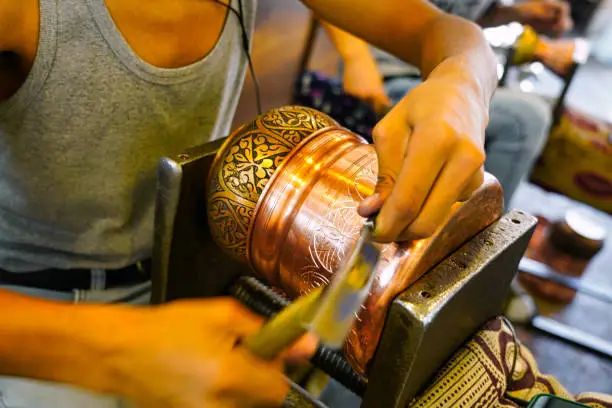
Copper fabrication refers to the controlled process of creating finished HVAC parts from raw copper. As part of your job, you have to cut, shape, machine, join, finish, and check. Each part can be made three different ways. It is possible to use normal parts, such as catalog fittings, for normal connections. For your model, parts like headers, brackets, and bent tube systems are made just for you. Parts that are cast or carefully carved, like manifold blocks and connecting bodies, can be made in shapes that are hard to make when they are formed. People whose job it is to buy things can get more accurate quotes and not have to redesign after models come if they choose the right path early on.
Why Copper Stays in HVAC Designs
For every gram of copper that is moved, 205 to 235 W/m·K of heat is lost. There are many types of refrigerant that don't rust and can be bent without breaking. Because of these qualities, it is used in heat sinks, headers, condensation tubes, and heat transfers. Copper can also be used to make electric boxes and busbars. The pure types can carry energy at about 100% IACS. People often look for compressors, power cabinets, and heat management units when they need to buy tools for making electricity, moving things, or in the workplace.
Core Requirements Buyers Should Set
For each HVAC copper part, there should be a short list of clear things that are needed. Before you ask for a price, write down the following: the same size between batches, clean on the inside and out, joints that don't leak, resistance to pressure at the recommended working state, and rust protection that fits the installation. If you use any standards, like ASTM tube specifications or ASME B31.5 for refrigeration piping, include the new drawing along with them. Providers can't meet a need that wasn't written down, so being clear saves time for everyone.
Copper Materials, Grades, and Tempers
Commonly Specified Copper Grades
It's made of at least 99.9% copper and has an IACS conductivity of about 100%, so it can be used for both flat parts and busbars. To keep things strong when it's hot, use C10200 oxygen-free copper and C10100 oxygen-free electronic copper. Hydrogen doesn't weaken them. ASTM B75, B88, and B280 all talk about copper that has been stripped of phosphorus, or C12200. It is used a lot in water tanks and fridges. Pick the grade based on how well it works in different temperatures, pressures, and rust conditions, as well as how well it holds electricity. It doesn't make sense to pay more for more purity than the program needs.
Tube Tempers and Bending Behavior
Temper doesn't do the same thing to a tube that is being bent. It's easy to bend O60 annealed tube because it's not very springy. You can make tight routes with coils. Durable tempers and drawing tube (H58) don't dent or change shape, which is good for open lines and straight runs. The third level is half-hard, also known as light-drawn. CNC tools that bend tubes have to take into account the fact that harder tubes need bigger bend radiuses and more springback. If you need to decide, look at the number of pressures, the sound, and the wear and tear. It is not as strong as drawn tube for the same wall thickness.
Sheet, Plate, Bar, and Foil Selection
Heat-transfer plates, frames, and other components can be made from copper fabrication sheets and plates. Rods and bars can also be cut and shaped with CNC machines. You can also use copper foil to hold up tiny pieces of material that help heat move around better. When picking materials for copper fabrication, you should make sure you know the width, thickness, flatness, surface condition, and ability to be machined for each product shape. Find out what chemicals are in the material and how it works by asking the seller for mill test papers. For brazing to work well, the edges of thin sheets should be smooth and flat. It should be easy to cut and shape machined blocks because they should have enough stock tolerance. A professional copper fabrication supplier shouldn't just look at the prices of raw materials; they should also think about how much it will cost to process the materials and make the whole thing. You might not have to clean things as much if you pick the right surface finish. This saves time and money on work. Buyers can make production more efficient, make sure quality is consistent, and keep project costs low by keeping these things in mind during Copper fabrication.
Copper Fabrication Processing Methods
Sheet Metal Processes
When making sheet items, the first step is often to cut them with a laser or CNC. Press, bend, or deep draw is the next step. Copper lets laser light spread out, so the width of the plate needs to match the cutting tool and how it's set up. Very thick plates might need to be cut with a waterjet or a machine. Sharp edges hurt seals and brazed joints, so the job is finally done. Most of the time, it's best to stamp for return sales. For test pieces and small runs, laser cutting and press brake making are better because they don't need pricey tools. It's easy to scratch soft copper, so put a film over it and be careful not to scratch it.
Tube Fabrication Steps
Cutting and cleaning the ends is the first thing you need to do when working with tubes. If there is a connection, the next step is CNC bending, flaring, swaging, expanding, contracting, or coiling. It needs to be cleaned and dried next. Last, cover it with a lid to keep water and dust out. If you want to bend things better than by hand, use a rotary draw. It can handle thin walls and oval shapes better. You can use mandrels to make curves that are tighter. Leads and coolant lines don't change from one release to the next because of bend programs that can be used over and over. For me, cleaning and finishing are steps in the process, not specifics of packing. This is because once the valves and compressors are clean on the inside, they change how well they work.
Machining and Joining Methods
Bars or made pieces can be turned into pipes, joints, heat sinks, and blocks by a CNC machine. To avoid getting stuck, make sure your tools are sharp and that you have good control over the burrs. Copper is soft and sticky. Most of the time, parts in refrigerant circuits are still brazed together to connect them. The American Welding Society says that to join two pieces, you should use a filler metal that melts above 450°C (840°F) while the base metal stays solid. Copper and phosphorus copper filling can be joined together without flux. Copper is used for busbars and frames. To TIG weld it, you need a lot of heat. When you don't need to heat something, press fitting and mechanical fixing are good ways to connect them.
Design Requirements, Tolerances, and Quality Control
Design for Manufacturability and Tolerances
A good plan lowers costs before the whole thing is built. Leave enough space for the tool to reach and don't make parts with sharp corners on the inside. The tube should be able to be shaped without getting wrinkly. Don't get too specific about things that are useful, like the shape of the link, the bend, or the closing faces. Use the same limits everyplace else. Add support points and check the wall thickness to account for changes in temperature, refrigerant pressure, shaking, pulsing, and normal wear and tear. Things that can be reached by a single fixture should be put together during setup to speed up the process.
Cleanliness and Packaging
The cleaner the inside of the compressor and valves, the longer they will last. Things that can go wrong are water, dust, acid scale, and soldering waste. When you braze with a nitrogen purge going, the amount of oxide scale inside stays low. Also, when you dry to clean, the water and dust are gone. Plugs or closed ends keep the inside of something clean when you ship it. There should also be packing. Screens protect the tubes from damage, and boxes should be strong enough to hold bent tubes. The seller can pick a good way to do it and be sure it's done right by writing "must be clean" on the drawing.
Standards and Inspection Methods
The part should have the same pressure, temperature, and thermal load as part of the test. You can start with Asme B31.5 for refrigeration pipes, ISO 9001 for quality systems, and RoHS and REACH for substances that are not allowed. One rule won't work for everything. The rules are written on the drawing and the purchase order. Gages, optical systems, and coordinate measure tools are some of the tools that people use to find out how big something is. A number of tests, such as pressure and air-under-water tests, helium leak detection, and vacuum decay, are used to find leaks. We also check out joints that have been brazed. As each lot ships, make sure you can keep track of it and see proof that it has been inspected.
Supplier Selection, Cost Factors, and RFQ Preparation
How to Evaluate a Copper Fabrication Supplier
There are other things besides price per unit that should be used to judge suppliers. You should also look at how well they work technically, how much they can do, how well they communicate, and how ready they are to export. Check to see if the shop can punch holes, braze, join, cut sheets, and bend tubes, which are all things your part needs. Learn about the rules for the process, the steps for corrective action, the review tools, the wait times, and the minimum order amounts. Many people who buy prototypes want technical feedback, while many people who buy a lot of them want to keep an eye on capacity and process. Before you work with a source, you should always make sure you understand the trade terms, export papers, and how to handle changes.
Cost Factors Beyond the Copper Price
But copper's price isn't the only factor to consider when calculating the total cost of copper fabrication. Materials may cost different amounts depending on the type of copper, the heat number, the width of the sheet, and the size of the tube. Material nesting and trash recovery that work well can help cut down on waste and keep costs low during the copper manufacturing process. The cost of processing may go up if you need to clean, shape, cut, grind, braze, make tools, check fits and gages, or do quality tests. People who want to buy something should add up the total landed cost and then think about shipping, customs duties, insurance, and the terms of delivery. To cut down on the cost of copper fabrication, set useful limits, standardize component sizes, and combine parts that work with each other as much as possible. It's also important to talk to the supplier about how many units you plan to order and how much demand there will be in the future. This is because the number of units made can change how much it costs to buy materials, set up, and sell each one. Finally, send a full RFQ that includes drawings, detail specs for the materials, tolerances, surface needs, expected numbers, and details on how the goods will be shipped. Suppliers don't have to guess or miss important costs when they make a quote for Copper fabrication because they have all the information they need.
RFQ Checklist and Supplier Scorecard
There are no wait times when there is a full RFQ. Name of the copper, its temper, the thickness or length of the tube, the shape of the bend, information on how to connect it, the joining requirements, the surface treatment, how clean it is, the annual demand, the batch size, the inspection needs, and the location. You should add drawings and 3D models too. Then, ask about the different kinds of materials, how to make samples, the rules for soldering, testing for leaks, keeping track of things, and any changes that need to be made to the wiring. A simple scorecard can help you compare things like technical know-how, inventory, clear pricing, contact, papers, shipping, and help after the sale. Use the same scale to rate each service provider so that the choice is based on facts.
Alternatives, Production Scaling, and Fudebao Technology Capabilities
Copper Compared With Aluminum, Brass, and Casting
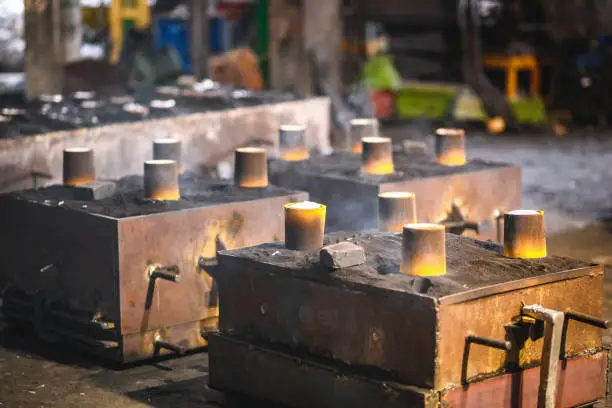
Copper isn't always the best choice. If you need something light, iron is a good choice because it is only about 2.7 g/cm³ thick. Copper has a density of 8.96 g/cm³. When it comes to strength and ease of use, metal is sometimes better. You can make prototypes, custom shapes, and built-in assemblies out of fabricated copper. On the other hand, casting is a less expensive way to make complicated forms with lots of holes in them. At the same time, look at performance, lead time, tools, and total cost. Pick more than one.
From Prototype to High-Volume Production
To keep production steady, it's important to write down approval. Usually, the first things are made, then prototypes that work, pilot runs, and finally mass production. This is done after going over the plans and making sure the materials are correct. Before letting go, make sure the joint fits well, works well at high temperatures, can withstand pressure, and is of good quality. To make sure that the tools, instructions, inspection plans, and packing are all right, test runs are done. As more are made, things get better over time. It is helpful to have dedicated fixtures, automated forming, in-process inspection, and keep track of defects, scrap, cycle time, and delivery performance.
What Fudebao Technology Offers
Zhejiang Fudebao Technology Co., Ltd. casts and cuts stainless steel, copper alloy, and aluminum alloy very precisely as one of its main jobs. We sell cars, power tools, and other things to people all over the world. Our shop has CNC lathes, high-speed machining centers, low-pressure casting machines, and die casting machines. They melt the metal, cast it, polish it, and do something to the outside. We can machine items to within 0.05 mm of accuracy and give you anything from a blank to a final part. This will work if you clean copper-alloy parts like housings, plug bodies, and parts that get rid of heat. We'll let you know if your plans to bend tubes or join parts with braze are possible if you send them to us.
Conclusion
Copper fabrication needs to be done with the right materials, in the right order, and then tested to make sure it functions properly in HVAC units. There are different types of grades, such as C11000, C10200, and C12200, that can be used for different things in tubes and have different conductivities. The temper determines how the tube bends and how well it keeps pressure on it. To make different types of parts, you can work with sheets, tubes, CNC machines, and braze. In order for an assembly to be safe, it must have useful limits, be clean on the inside, and pass the right leak tests. People who want to buy something should look at a supplier's skills, as well as their past inspections, capacity, and how they run their business. Along with the price of copper, you should also look at the cost, which includes testing, shipping, and tools. Copper is the best metal for brazed parts because it is strong, easy to shape, and good at moving electricity. Casting, aluminum, or brass are sometimes better. To keep output steady, test runs and making sure prototypes work well are important.
FAQ
Which copper grades are common for HVAC parts?
It says in ASTM B75, B88, and B280 that C12200 is the best type for water and fridge tubes. C11000 and oxygen-free types are better for busbars and machining parts.
How should I assign tolerances?
If it's not necessary, don't use very close standards for flatness, link geometry, closing faces, or bend position. For the rest of the tools, you should use general limits.
How do I assess a fabrication company?
Check out their skills, tools, history of inspections, tracking skills, exporting help, and capacity. Learn how to do leak tests and see examples of reports.
What drives pricing?
Pricing follows material, part complexity, order volume, testing, packaging, and logistics. Complete drawings and demand forecasts help the supplier quote accurately.
Request Custom Copper Fabrication From Fudebao Technology
Looking for a copper fabrication supplier that reads drawings carefully? Fudebao Technology offers casting, CNC machining, and surface treatment under one roof, with accuracy up to ±0.05 mm. Send your drawings, CAD files, quantities, tolerances, and delivery destination to hank.shen@fdbcasting.com, and we will review manufacturability before quoting. Visit fdbcasting.com for more details.
References
1. ASTM International, Standard Specification for Seamless Copper Tube for Air Conditioning and Refrigeration Field Service (ASTM B280), 2020
2. ASTM International, Standard Specification for Seamless Copper Water Tube (ASTM B88), 2020
3. Copper Development Association, Copper Tube Handbook, 2019
4. American Welding Society, Brazing Handbook, 2007
5. ASHRAE, ASHRAE Handbook: HVAC Systems and Equipment, 2020
6. ASME, Refrigeration Piping and Heat Transfer Components (ASME B31.5), 2022



YOU MAY LIKE