Copper Castings Guide: Alloys, Methods & Performance
2026-01-15
One of the most important and adaptable production processes in the automotive, electrical, industrial equipment, and aerospace industries is copper casting. The essential elements of copper alloy selection, casting techniques, and performance traits that support effective component manufacture are examined in this thorough handbook. Engineers may make well-informed judgments that maximize cost-effectiveness and technical performance for their particular applications by comprehending the interactions among material qualities, manufacturing methods, and quality criteria.
Understanding Copper Alloys for Casting Applications
Choosing the right alloy composition for your particular application needs is the cornerstone of effective copper casting. Although pure copper has good thermal and electrical conductivity, it lacks the mechanical strength required for structural elements. This restriction motivates the creation of specific copper alloys that strike a compromise between improved mechanical qualities and conductivity.
Superior strength and resistance to corrosion are provided by bronze alloys, which combine copper with silicon, tin, or aluminum. Silicon bronze is perfect for pump housings and marine components because of its outstanding performance in the marine environment. Excellent strength and resistance to wear make aluminum bronze ideal for demanding industrial applications such as valve bodies and gear components.
Copper-zinc combinations in brass castings provide good machinability and moderate strength properties. Precision instrument parts, ornamental hardware, and electrical connections all benefit greatly from the remarkable performance of these metals. Engineers may customize performance to meet particular needs by adjusting the zinc concentration, which affects both castability and final mechanical qualities.
The top class of copper alloys is represented by beryllium copper, which offers exceptional electrical conductivity along with spring-like qualities. For specialized electrical components where weight reduction and performance dependability are still crucial, aerospace applications usually call for beryllium copper.
Essential Casting Methods for Copper Components
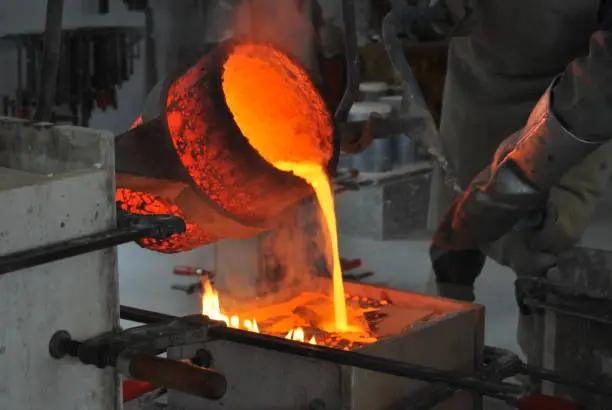
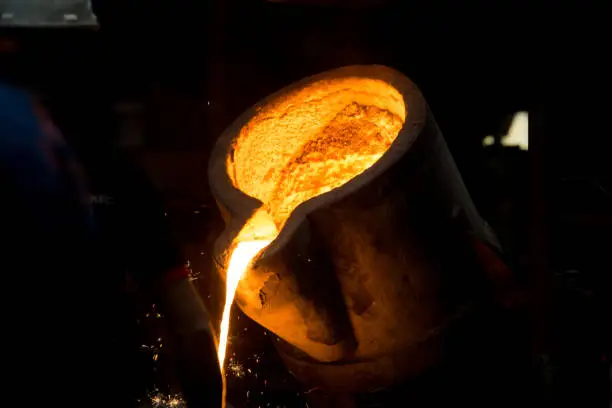
The most practical and affordable way to make copper castings is still sand casting, especially for bigger components and prototype development. This method preserves a respectable level of dimensional precision while accommodating complicated geometries. While resin-bonded sands provide improved surface smoothness and dimensional control, green sand solutions are effective for broad applications.
Superior surface quality and precise dimensional tolerances are provided by investment casting, which is crucial for precision applications. When creating elaborate geometries, thin walls, or complicated interior pathways that would be difficult to achieve with conventional casting techniques, this technology performs very well. The ceramic shell method works with a variety of copper alloys and guarantees a high-quality surface finish.
Zinc-based alloys are the main focus of die casting applications, however copper alloy die casting is possible for high-volume manufacturing situations thanks to specialist processes. Permanent mold casting is appealing for medium-volume production runs because it fills the gap between die casting accuracy and sand casting economies. It is often used for repetitive manufacture of items like gears, housings, and certain automobile parts because it provides greater surface quality and dimensional consistency than sand casting, as well as a longer mold life.
Centrifugal casting uses centrifugal force during solidification to create very dense, premium copper components. For cylindrical parts where consistent density and mechanical qualities are crucial, such as bushings, bearings, and pipe fittings, this technique performs very well. By removing impurities and porosity, the centrifugal force produces a fine-grained structure that is stronger and more resistant to wear. Because of this, it is the go-to option for high-performance rotating components in power transmission, maritime, and industrial applications.
Performance Characteristics and Quality Standards
One of copper's most useful qualities is its thermal conductivity, which makes copper alloys essential for thermal management systems, electrical components, and heat exchangers. Silicon bronze offers far greater mechanical strength while retaining around 7% of the thermal conductivity of pure copper. It is perfect for applications needing both structural integrity and heat dissipation because of this balancing.
The criteria for electrical conductivity vary greatly depending on the application. Although pure copper has the highest conductivity, many applications may tolerate a minor decrease in conductivity in exchange for improved mechanical qualities. Phosphor bronze provides good spring properties for electrical switches and connections while maintaining a respectable electrical performance.
There are significant differences in corrosion resistance for copper castings between various copper alloys and environmental factors. While aluminum bronze is resistant to stress corrosion cracking and ordinary corrosion, naval brass performs very well in maritime settings. The choice of alloy and possible preventive measures are influenced by knowledge of the particular corrosive environment.
Heat treatment and alloy composition have a significant impact on mechanical qualities such as elongation, yield strength, and tensile strength. In order to maximize strength and ductility balance, many applications benefit from solution heat treatment followed by aging, since as-cast qualities vary greatly from heat-treated conditions.
Critical Casting Defects and Prevention Strategies
The most prevalent flaw in copper castings is porosity, which may be caused by gas entrapment, shrinkage, or insufficient feeding during solidification. Whereas shrinkage porosity accumulates in heavier parts or places with insufficient risering, gas porosity usually manifests as spherical voids dispersed throughout the casting. Optimizing gating and riser design, using degassing agents, making sure mold venting is done correctly, and keeping the pouring temperature high enough to guarantee directed solidification toward the feeders are all examples of effective preventative techniques.
When the casting material is unable to withstand shrinkage forces after solidification, hot ripping occurs. This flaw manifests as asymmetrical fissures, especially when contraction is limited. Hot tearing susceptibility is reduced by suitable alloy selection, regulated cooling rates, and proper gating design. Properly constructed molds that permit contraction while cooling are crucial, and maintaining consistent section thickness and avoiding sudden geometry changes also aid in reducing localized stress accumulation.
Both surface quality and mechanical qualities may be significantly impacted by inclusions. When molten copper combines with oxygen, oxide inclusions are created, highlighting the need of appropriate melting procedures and protective environments. Usually, refractory erosion or improper mold preparation are the causes of ceramic inclusions. Using clean charge materials, maintaining ladle and furnace linings, regulating the melting environment using flux covers or inert gas, and making sure molds are properly cleaned and prepared are all examples of preventative actions.
Incomplete fusion of metal streams during filling causes cold closes, which weaken the casting structure's planes. In order to avoid cold shut development and guarantee full cavity filling, proper gating design, an appropriate pouring temperature, and an optimal mold design are necessary. Preheating molds, increasing the pouring speed, and steering clear of geometries with thin walls or excessive complexity all aid in preserving metal fluidity and encouraging full fusion prior to solidification.
Advanced Processing and Finishing Techniques
Many copper alloys' ultimate characteristics for copper castings are greatly influenced by heat treatment. Strengthening phases are dissolved by solution heat treatment, and the alloy is subsequently hardened for improved mechanical characteristics by aging precipitation. Remaining tensions are removed by stress reduction procedures without appreciably altering mechanical characteristics. To get the ideal balance of strength, ductility, and dimensional stability, carefully regulated heat treatment cycles are necessary for copper-beryllium, aluminum bronze, and other age-hardenable alloys.
Tight tolerances and superior surface finishes on cast copper components are made possible by precision machining capabilities. With the right tools and coolant systems, CNC machining centers can sustain productivity needs while achieving tolerances of ±0.05mm. Dimensional precision is ensured and distortion is avoided using appropriate workholding and cutting settings. Turning, milling, and drilling are examples of machining techniques that are often used to add threads or other functional features, produce sealing surfaces, and fulfill precise interface parameters that are not possible with casting alone.
Surface treatments improve performance qualities as well as attractiveness. While specialized coatings might boost wear characteristics or electrical attributes, protective plating solutions provide improved corrosion resistance. For aesthetic purposes, patination treatments provide controlled surface oxidation. Additional treatments include organic or metallic coatings suited to certain functional or environmental requirements, electropolishing for a smooth, clean surface, and passivation for corrosion protection.
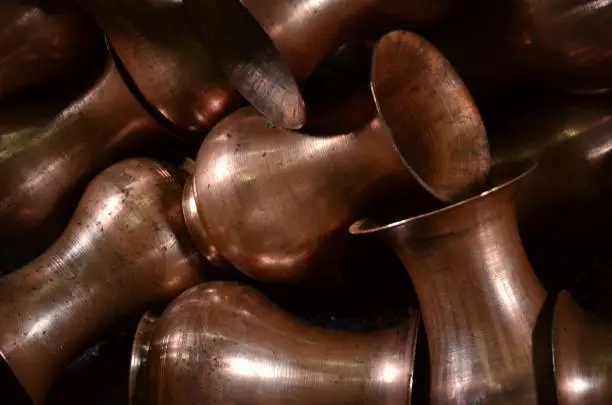
While eliminating casting skin and small surface defects, metal finishing techniques including shot blasting, vibratory finishing, and tumbling enhance surface quality. While preparing surfaces for further treatments, these procedures may greatly improve the look of ornamental copper castings. These mechanical finishing procedures are often followed by polishing, buffing, or hand detailing to obtain the required visual and tactile quality for components that need a smooth, uniform texture or a particular aesthetic finish.
Industry Applications and Material Selection Guidelines
Copper castings are used more and more in automotive applications for heat exchangers, specialist engine parts, and electrical components. The need for high-performance copper alloys that provide dependable service under challenging circumstances is driven by the automobile industry's focus on lightweighting and electrical system efficiency.
Bronze alloys are preferred for wear-resistant parts, bushings, and bearings in industrial equipment applications. Manufacturers of heavy machinery value bronze's resistance to wear and corrosion and its ability to function in boundary lubrication conditions. Bronze impellers and housings are specified by pump manufacturers due to their strength and resistance to corrosion.
Copper alloys are used by makers of electrical equipment for connections, bus bars, and motor components when mechanical strength and electrical conductivity are necessary. Copper alloys are especially valued in the expanding renewable energy industry for use in solar installation and wind turbine components. Because of their superior fatigue resistance and steady electrical characteristics, phosphor bronze and beryllium copper are often used for spring contacts and high-reliability connections.
The highest quality requirements are required for aerospace applications, which often call for premium alloys like beryllium copper for specialist electrical components. In crucial applications, consistent quality and performance are guaranteed by traceability requirements and stringent testing procedures. Where high strength, consistent conductivity, and stability at high temperatures are critical, other high-performance alloys including zirconium copper and chromium copper are also used.
Conclusion
Careful consideration of alloy selection, casting technique, and application-specific quality criteria are necessary for successful copper casting. Engineers may maximize performance and cost-effectiveness by comprehending the connection between material qualities and processing factors. Copper castings that fulfill the strictest requirements for automotive, industrial, electrical, and aerospace applications may be reliably produced in modern casting facilities outfitted with cutting-edge process control and quality systems.
Partner with Fudebao Technology for Premium Copper Casting Solutions
Fudebao Technology produces outstanding copper castings that satisfy your most exacting requirements by fusing cutting-edge machinery with decades of foundry experience. For your copper castings projects, our extensive capabilities cover every step of the manufacturing process, from alloy selection to precision machining and surface treatment, guaranteeing single-source ease. For more information on how our track record of successfully servicing automotive, industrial, and aerospace clients may help your next project, get in touch with hank.shen@fdbcasting.com.
References
Campbell, John. "Complete Casting Handbook: Metal Casting Processes, Metallurgy, Techniques and Design." Second Edition, Butterworth-Heinemann, 2015.
Davis, Joseph R. "Copper and Copper Alloys: ASM Specialty Handbook." ASM International Materials Engineering, 2001.
Beeley, Peter. "Foundry Technology." Second Edition, Butterworth-Heinemann Manufacturing Engineering, 2001.
American Foundry Society. "Copper-Base Alloys Foundry Practice." AFS Technical Publication, 2018.
Brown, John R. "Foseco Non-Ferrous Foundryman's Handbook." Eleventh Edition, Butterworth-Heinemann, 1999.
Copper Development Association. "Standards Handbook: Cast Copper and Copper Alloy Products." CDA Publication A4050-09, 2019.



YOU MAY LIKE
_1756350092126.webp "radiator cover")
_1756350046757.webp "Heat sink aluminum casting")
_1756348780785.webp "porting turbo compressor housing")
_1756346421748.webp "Aluminum casting telescopic bracket Parts")