Copper Casting Alloys Explained: Which Grade Is Right for Your Project?
2026-06-23
To choose the best copper casting metal, you need to make sure that the material's properties match the needs of your project. Copper alloys include pure copper types like C101 and C110, which are valued for their ability to carry electricity, and aluminum bronzes like C954, which are very strong and don't rust in salt water. Bronze types like C932 keep joints and bearings from wearing out. Your choice will depend on the motor loads, the climate, the temperature needs, and the way the product is made. This guide makes the differences between grades clear so that engineering managers and buying teams can make smart, cost-effective choices.
Understanding Copper Casting Alloys
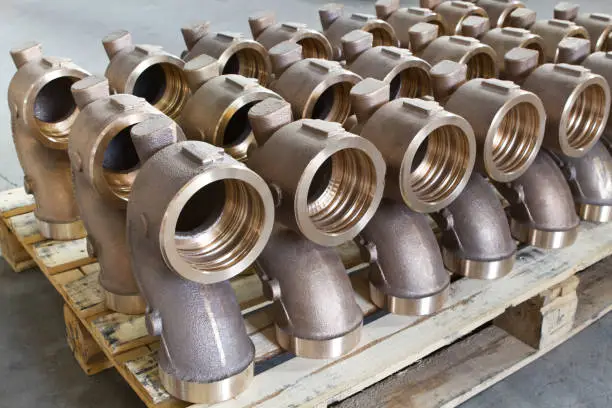
By putting liquid copper or copper-based alloys into molds with complicated shapes, copper casting turns the metal into precise parts. This method is very different from wrought casting because it makes things that are almost exactly the same shape, which cuts down on the time and cost of cutting. This method solves some of the most important problems: it makes it easier to machine complex internal holes in hard metals; it stops galvanic corrosion in marine settings; and it combines high thermal and electrical conductivity with mechanical strength. Copper base casting is the usual way to make wear parts that don't rub against each other and would cause galling or seizure if they did.
Why Alloy Selection Matters
The longevity, machinability, corrosion resistance, and heat transfer are all directly affected by the grade you choose. Copper grades like C110 are the best when it comes to electrical performance. This is why they are used for switchgear connections and grounding clamps in power distribution lines. Tensile strengths of aluminum bronzes like C954 are higher than 750 MPa, making them perfect for marine blades and underwater valves that are subject to cavitation and chlorine attack. Tin bronzes like C932 work great in heavy-load bushings and worm gears because they can handle both border lubrication and high compression loads. By knowing these differences, buying managers can be sure that the metals they choose will meet all of their operations' needs, resulting in long-lasting performance and low costs.
Casting Process Fundamentals
The steps in the making process include melting, filling, solidifying, and finishing. Gas porosity is a typical problem that is caused by hydrogen absorption. We control it by using strict melting methods, degassing with nitrogen or argon, and deoxidizers like Phosphor Copper. Gating systems made for directed solidification reduce flaws even more. We have high-speed machining centers, CNC lathes, low-pressure casting machines, and die-casting tools all in one place. This means that we can handle the whole process, from melting to finishing the surface. This all-around method allows for one-stop delivery of the blank to the finished product, with tolerances as tight as ±0.05mm, which meets the high standards for medical equipment housings and precision parts for cars.
Criteria for Choosing the Right Copper Alloy for Your Project
To choose the right copper metal, you need to carefully look at the needs of the project and the factors of the area. This choice is based on a lot of technical and economic factors that work together to make sure the end part works well for its whole life.
Mechanical Strength and Load Requirements
Copper metals have very different tensile strengths. Unleaded red brass has a strength of 220 MPa, while high-strength manganese bronze and aluminum bronze have strengths of over 750 MPa. For big industrial machinery projects like mining equipment bushings and construction vehicle wear plates, you need casts made of leaded tin that can handle loads greater than 500 MPa. On the other hand, electrical housings and connections put ductility ahead of ultimate strength so they are easier to install and can handle temperature expansion. By looking at the stress profile of your part, you can narrow down the metal options to those that have the right mechanical properties without being over-engineered or costing too much.
Thermal and Electrical Conductivity Needs
For uses in electrical systems, copper casting with high-conductivity copper alloys is a must. Pure copper types, such as C101, have a thermal conductivity of about 390 W/m·K and an electrical conductivity of close to 100% IACS. This means that circuit breaker arms and transformer parts will have very little resistance loss. Even though aluminum bronze isn't as good at conducting electricity as copper, it's still good enough for heat exchangers and motor housings in green energy systems. When building parts that need to get rid of heat while also supporting weight, like electrical busbars in power distribution networks, the choice between conductivity and mechanical strength becomes very important.
Corrosion and Wear Resistance
The environment determines the level of rust protection that is needed. Nickel-aluminum bronze molds create a protective oxide layer that is better at withstanding high-velocity seawater flow, cavitation damage, and chloride attack than stainless steel. This is why they are the best choice for underwater valves and ship blades. Tin bronze and leaded tin bronze are very resistant to wear and can work in situations where oil films are thin or not present at all. In gears and compressors, these metals keep the shafts from wearing out. Chemical contact adds to the complexity: acidic environments are better for cupronickel metals, while alkaline environments are better for aluminum bronze. Extreme temps are also important. For example, aluminum bronze stays strong at temperatures up to 400°C, making it a good choice for burner parts and systems that handle fluids at high temperatures.
Casting Method Compatibility
The choice of alloy can't ignore the limitations of the industrial process. Sand casting can handle complicated forms with inside holes, which makes it useful for making valves and fittings out of a range of alloys. When centrifugal casting, the mold is spun to create high G-forces. This makes thicker, impurity-free circular parts like bushings and cylinder liners. However, this method works best with tin bronze and aluminum bronze because of how they solidify. Die-casting lets you choose from alloys with lower melting points, but the tolerances are tight and the surfaces are smooth. Knowing how these process-alloy relationships work can help you avoid expensive design changes and make sure that the first time you make something, it works perfectly.
Comparing Copper Casting Alloys Against Other Metal Options
When compared to other materials, copper alloys have clear benefits, but the best choice relies on the needs of the application. This comparison makes it clear when the better performance of copper metals justifies their higher material costs.
Copper Alloys Versus Bronze and Brass
Bronze is an alloy of copper and tin, and brass is an alloy of copper and zinc. Both are types of copper alloys, but they have different features. Aluminum bronze is stronger and more resistant to corrosion than tin bronze, which is why it is better for naval engine parts. Because they contain zinc, brass metals are easier to machine, which speeds up the production of large quantities of electrical connections. Leaded bronzes use lead to make them easier to work with and smoother, but new rules about the environment are pushing manufacturers to use bismuth-bronze and selenium-brass instead, which meet RoHS standards and standards for drinkable water like NSF/ANSI 61. By changing the chemicals in the bronze, different performance levels can be made. For example, silicon bronze is very resistant to corrosion and is used for architectural hardware, while manganese bronze is very strong and is used for structural naval fittings.
Copper Versus Aluminum Castings
Lightweight aluminum castings are used a lot in aircraft and cars because aluminum has a density of only 2.7 g/cm³, while copper has a density of 8.9 g/cm³. Die-cast metal housings and brackets are usually better for projects that need to be light. Copper metals compete by being better at conducting heat and electricity, not sparking, which is necessary in dangerous ATEX settings, and naturally not biofouling, which stops marine growth on submerged parts. Copper alloys naturally form protective patinas, while aluminum needs to be anodized or coated to protect it from rust. A lot of the time, the choice comes down to whether the benefits of electrical performance and corrosion protection are greater than the drawbacks of weight in the given case.
Hand Casting Versus Machine Casting Precision
The process of lost wax casting, which is done by hand, is great for making small to medium-sized parts with intricate, complicated shapes and high levels of detail in copper casting. The surface finishes can be used for copper art and artistic hardware. Because it has a rougher texture and costs less, sand casting can be done by hand or by a machine. It is best for bigger, simpler shapes and architectural pieces. Centrifugal and die-casting methods use machines to make parts with uniform dimensions and large production numbers that are needed for car and industrial tools. We keep cutting limits that are usually between 1.5 mm and 6 mm. These are chosen during pattern design to find the best balance between saving material and making sure that the as-cast surfaces are cleaned up to a bright metal finish. With this machining power, we can turn sand-cast blanks into precise parts that meet ±0.05mm standards.
Best Practices and Tips for Working with Copper Casting Alloys
To get the best casting results, you need to pay attention to the safety rules, the tools you choose, and the quality control procedures you follow throughout the production process. These practices reduce common flaws and make sure that the quality of each component is always the same.
Selecting Suitable Molds and Equipment
The choice of mold material has a big impact on the finish of the casting and the number of defects. To keep gases from getting trapped, the permeability of sand molds must be controlled so that they can hold most copper alloys and complex shapes. Permanent models made of steel or graphite are best for making a lot of simple forms because they keep the dimensions more consistent. Using ceramic plates in investment casting lets you get the most accurate details for complicated parts. Our factory has American HAAS automatic machine tools, as well as low-pressure casting machines and die-casting equipment. This lets us choose the right process for each part based on its needs. We can tell customers about the most cost-effective way to make things during talks by comparing the cost of tools to the amount of work that needs to be done and the level of accuracy that is needed.
Mitigating Common Casting Defects
The most common problems with casting are porosity, shrinking, and hot tears. When we melt metal, hydrogen is absorbed, which causes gas porosity. We can control this by following strict melting procedures and using nitrogen or argon degassing and phosphor copper deoxidizers. If you don't feed the solidification process enough, it can cause shrinkage gaps. These holes can be filled with the right riser design and directional solidification methods. Too much restraint leads to hot tears, which are cracks that form during cooling. These problems can be avoided by using efficient gating systems and controlling the cooling rate. Keeping the wall width the same, which is usually between 4 and 6 mm, stops interior stress fractures and lowers the shipping weight without affecting the structure's strength. Our engineering team can predict possible problems and build safety features into mold designs by knowing how different alloys behave.
Safety and Environmental Considerations
Optimizing Procurement of Copper Casting Alloys and Supplies
A good procurement strategy gets you solid materials and factory partnerships that offer uniform quality, keep costs low, and keep the supply chain stable. These things help procurement managers make choices about where to source goods in global B2B markets.
Evaluating Suppliers and Certifications
The first step in evaluating a vendor is to look at their manufacturing licenses and quality control systems. Standardized quality processes are shown by ISO 9001 certification, while IATF 16949 covers the unique needs of car suppliers, such as the PPAP documentation that OEMs and tier-1 suppliers require. Material approvals that show chemical makeup meets ASTM B584 standards for general copper alloy sand castings, ASTM B148 standards for aluminum-bronze sand castings, and EN 1982 standards make sure that the microstructure is dense and the chemicals are consistent. Client reviews and case studies show that work is delivered on time and that technical help is quick to respond. We suggest asking for sample castings before placing big orders. This way, you can check the surface finish, accuracy of the dimensions, and internal strength without damaging the casts.
Partnering with Custom Foundries
For specialized projects, alloys often need to be changed or given special heat treatments that normal providers don't offer. Custom foundries that offer metallurgical engineering help can make products that are specifically designed to meet the needs of each customer. Our experience includes making precise parts for cars, parts for industrial equipment, and housings for green energy sources, showing that we are flexible across a wide range of application areas. Looking at a provider's portfolio shows that they know a lot about the casting process and the businesses that are important. In technical talks, mold creation, prototype iteration support, and the ability to go from small runs to high volumes should all be talked about. Long-term relationships encourage working together to solve problems. For example, casting engineers can help with design-for-manufacturability, which lowers costs and raises the performance of parts.
These benefits make it easier to buy things in global supply chains, making sure that engineering teams get parts that exactly match their needs while staying on budget and on schedule for projects.
Conclusion
To pick the right copper casting alloy, you have to weigh the needs of the project against the alloy's mechanical strength, conductivity, rust resistance, and compatibility with the production process. Pure copper grades are good for electrical uses that need good conductivity, while aluminum bronzes are strong and won't rust in naval gear. Wear-intensive machinery parts are great places for tin bronzes to be used. To be a good buyer, you need to look at the licenses of suppliers, form partnerships with custom foundries, and know what the casting method means. At Fudebao Technology, we have integrated manufacturing skills and metallurgical knowledge that help you choose the right alloy. This way, you can be sure that your parts meet working standards while keeping costs low during production.
FAQ
Which Copper Alloy Suits High-Temperature Applications?
Aluminum bronze metals, like C954, are strong even at temperatures as high as 400°C. This makes them perfect for furnace parts, high-temperature valves, and heat transfer tubes. These metals don't rust and keep their shape even when heated and cooled many times. Pure copper types are good for parts that get rid of heat and where conductivity is more important than strength. Nickel-aluminum bronze can handle higher temperatures and is good for parts of diesel engines and industrial burners that are exposed to high temperatures for long periods of time.
How Does Corrosion Resistance Compare Between Copper Alloys and Brass?
Copper metals make oxide patinas that protect against further corrosion. This is especially true in naval settings, where aluminum bronze is better at resisting chloride attack than stainless steel. Brass metals with zinc are more likely to lose their zinc in acidic or chlorinated water, so it's important to make sure the climate is right for them. Compared to brass, cupronickel metals are better at resisting biofouling and rust from seawater. Which of these materials to use depends on how they will be exposed. For example, in saltwater, aluminum bronze or cupronickel mixtures work better than normal brass ones.
Can Copper Alloys Be Welded After Casting?
Weldability changes a lot depending on the type of metal. When using TIG welding with metal filling rods that match, aluminum bronzes and cupronickels can be easily fixed or made into new things. Due to the lead presence, most welded bronzes used for bearings can't be joined together. Silicon bronze is great for welding, and it is often used as a filler material to join copper metals that are not the same. In high-strength metals, it may be necessary to do a heat treatment after the welding process to recover their mechanical qualities and ease any residual stresses.
Partner with Fudebao Technology for Precision Copper Casting Solutions
Zhejiang Fudebao Technology is an expert in precision machining and casting copper alloys. They work with companies around the world in the automobile, industrial equipment, and green energy fields. Our factory has low-pressure casting machines, die-casting equipment, and American HAAS automatic machine tools. This means that we can make any part from a blank to a finished product with an accuracy of ±0.05mm. We keep our ISO 9001 certification and help car providers with PPAP paperwork. Our metallurgical engineers are there to help you with any part of your project, from making aluminum bronze blades to electrical box casts and custom alloy development. Get in touch with our team at hank.shen@fdbcasting.com to talk about your copper casting needs, get advice on materials, or get full quotes from a reliable and trusted copper casting provider.
References
Davis, J.R. (2001). Copper and Copper Alloys: ASM Specialty Handbook. ASM International, Materials Park, Ohio.
American Society for Testing and Materials. (2019). ASTM B584-19: Standard Specification for Copper Alloy Sand Castings for General Applications. West Conshohocken, Pennsylvania.
American Society for Testing and Materials. (2018). ASTM B148-18: Standard Specification for Aluminum-Bronze Sand Castings. West Conshohocken, Pennsylvania.
European Committee for Standardization. (2017). EN 1982:2017: Copper and Copper Alloys - Ingots and Castings. Brussels, Belgium.
Brezina, P. (1982). Heat Treatment of Complex Aluminum Bronzes. International Metals Reviews, Volume 27, Issue 1, pages 77-120.
Hatch, J.E. (1984). Aluminum: Properties and Physical Metallurgy. American Society for Metals, Metals Park, Ohio.



YOU MAY LIKE
_1756347888208.webp "New energy motor shell")
_1756361323684.webp "column guide sleeve")
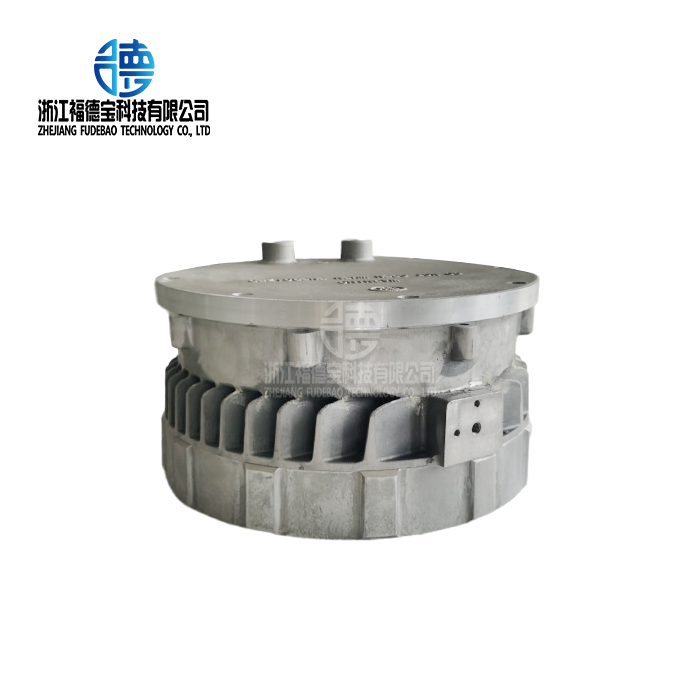
_1756349002499.webp "Aluminum alloy clamp casting")
_1756348227989.webp "Aluminum casting movable U frame")