Aerospace Aluminum Casting vs Forging: Which Process Delivers Better Performance?
2026-06-23
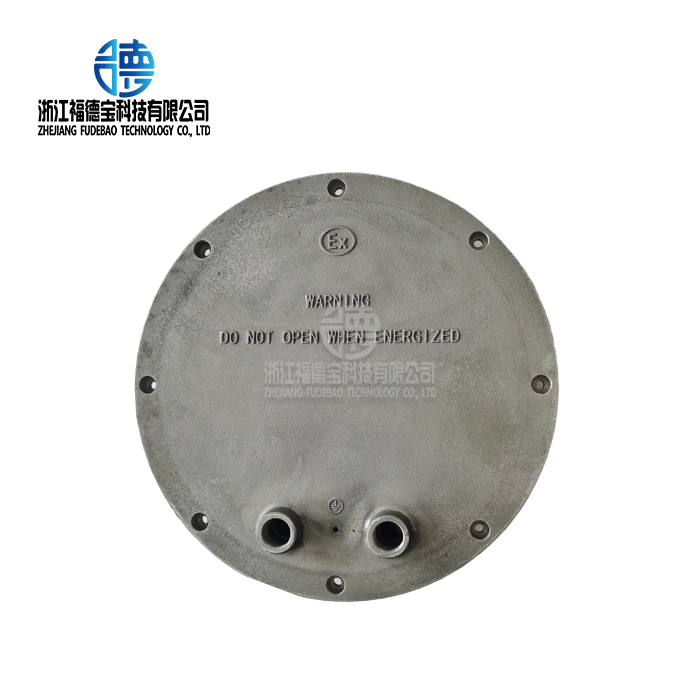
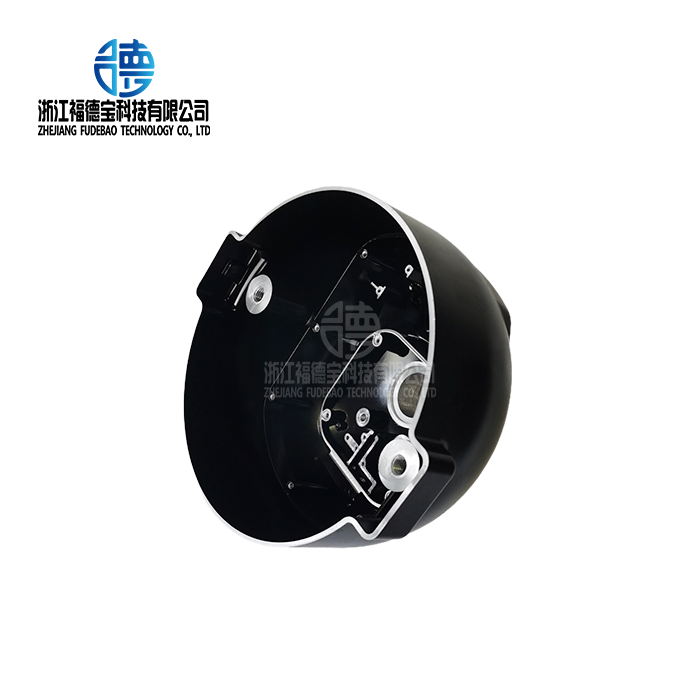
When selecting manufacturing processes for aerospace components, the choice between aluminum die casting and forging significantly impacts performance outcomes. Aluminum die casting excels in producing complex geometries with tight tolerances, ideal for housings and structural brackets where weight reduction meets design flexibility. Conversely, forging delivers superior grain structure alignment, enhancing fatigue resistance in high-stress applications like landing gear components. Neither process universally outperforms the other; instead, optimal selection depends on specific performance requirements, production volumes, and component functionality within aerospace assemblies.
Understanding Aluminum Casting and Forging in Aerospace Applications
How Aluminum Die Casting Works in Aerospace Manufacturing
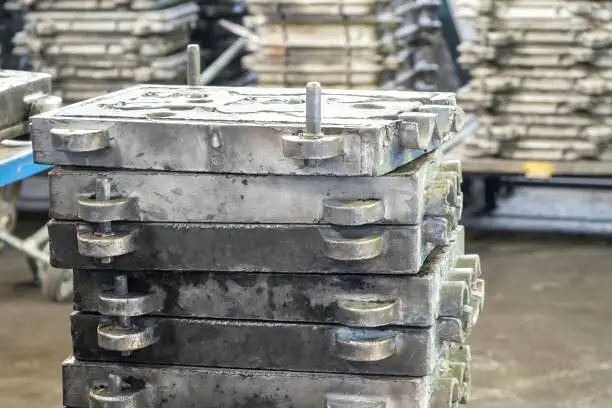
In aluminum die casting, molten aluminum alloy (usually A356, A380, or ADC12) is pushed into precise steel forms at pressures higher than 10,000 psi. This High-Pressure Die Casting (HPDC) method makes parts that are almost net-shaped and have smooth surfaces and stable dimensions. This method is used in aerospace to make electrical housings, valve bodies, and structural frames with complex internal shapes that cut down on the number of steps needed to put them together. Because aluminum die casting hardens quickly, it creates microstructures with fine grains, though linear grain flow is still not as strong as in forging options.
The Forging Process and Its Aerospace Applications
Forging uses hammers or hydraulic presses to reshape hot aluminum billets by applying compressive forces that line up the metal's grain structure along stress lines. Forged parts can be used for important aircraft parts like wing ribs, fuselage frames, and engine mounts because they have better material qualities because of this mechanical working. Aerospace uses closed-die forging a lot because it can make complicated forms and keep better mechanical properties than open-die methods. After forging, heat treatment called precipitation hardening for 7075 or 6061 metals improves strength and resistance to wear even more.
Aluminum Alloy Selection for Aerospace Components
The choice of material has a direct effect on how well the part works and how easy it is to make. A356 (AlSi7Mg) is often used in aluminum die casting because it is easy to shape and has a modest level of strength, making it a good choice for non-structural aircraft parts. Forging works best with 7075 (AlZnMgCu) and 2024 (AlCuMg) metals, which can reach tensile strengths of more than 500 MPa with the right heat treatment. These high-strength metals meet strict flight standards like AMS 4049 and AMS 4037, making sure that safety and traceability rules are followed. The chemistry of an alloy affects its resistance to corrosion, thermal stability, and ability to be machined. Procurement teams have to look at these factors while taking into account operating conditions that can range from high humidity at sea level to extreme temperature changes at high elevation.
Performance Comparison: Aluminum Casting vs Forging for Aerospace Components
Mechanical Properties and Structural Integrity
Cast and forged aluminum parts have completely different microstructures, which has a direct effect on performance measures. Forged parts have tensile values that are 15–25% higher than cast parts because the grains flow continuously along the shape of the part. This directional grain structure makes fatigue life longer, especially when pressure goes back and forth, which is very important for aircraft parts that go through repeated stress cycles during flight operations. Cast aluminum parts have more uniform but less aligned grain structures, but they still have good mechanical qualities when they are made with controlled solidification methods and T6 heat treatment processes.
Testing information from aircraft sources shows that forged 7075-T6 aluminum has a maximum tensile strength of about 570 MPa and an elongation value of about 11%. On the other hand, aluminum die casting A356-T6 has a maximum tensile strength of about 280 MPa and an elongation value of 5%. These differences are very important when a loss of a component could put safety at risk. When aerospace engineers do stress analyses, they have to take these changes in material behavior into account when they choose manufacturing processes during the design phase.
Design Flexibility and Geometric Complexity
When designing parts that need complex features, thin walls (less than 2 mm), or built-in fastening points, aluminum die casting clearly shines. The process makes parts with draft angles as low as 1-2 degrees and can handle complicated internal spaces without the need for extra work. This feature cuts down on assembly steps—a single cast housing can be used instead of welded structures made up of many machined parts, getting rid of possible weak spots and lightening the whole system.
When material flows during making, it limits the shapes that can be forged. Forging can make strong structural forms, but it needs simpler geometries with smooth changes and usually needs more machining to get to the finished size. Draft angles are usually between 3 and 7 degrees, and features like deep pockets or undercuts need to be forged more than once or have a lot of work done afterward. When choosing methods, aerospace acquisition teams that are looking at part designs have to weigh these geometric limits against the need for strength.
Quality Considerations and Defect Management
Both processes have different quality problems that need to be checked using different methods. If the process conditions change from what was planned, cast aluminum parts could get holes, shrinkage voids, or cold shuts. To cut down on these flaws, modern aluminum die casting facilities keep an eye on the filling speed, melt temperature, and die temperature in real time. Before parts get into aircraft supply chains, non-destructive testing methods like computed tomography, ultrasonic testing, and radiography screening make sure they are internally sound.
Forged parts don't usually have holes in them, but they can get surface cracks, laps, or partial filling if the press forces or temperatures used aren't right. Magnetic particle inspection and dye penetrant tests find cracks on the surface, while ultrasonic inspection finds problems inside the material. Precision is needed for the heat treatment that comes after forging; solution treatment or aging processes that aren't done right can damage the mechanical qualities. Aerospace companies that have AS9100 certification use statistical process control at all stages of production to make sure that the quality is the same no matter which method is used.
Cost, Lead Time, and Scalability: What Aerospace Procurement Needs to Know
Cost Structure Analysis for Decision-Making
Understanding what causes costs helps procurement managers make the most of their budgets without lowering the quality of the parts they buy. Aluminum die casting has higher starting costs for the tools used—precision steel dies for complicated aircraft parts can cost more than $50,000—but lower costs per unit when more than 5,000 pieces are made. 85 to 90 percent of the materials are used, and any extra metal from runners and gates is turned into new batches. Because it has a near-net form, it requires less additional machining, which cuts down on labor costs and production time.
Forging usually doesn't need as expensive of tools as aluminum die casting does, but closed-die forging models still cost a lot of money. More material is wasted because machining takes away 40–60% of the cast blank's mass when the final measurements are reached. The cost of materials goes up because of this waste, especially when working with expensive aerospace-grade aluminum metals. Forging is still a cost-effective way to make low to medium-sized parts, but it requires more work because it needs to be machined a lot. This is because the better mechanical qualities support the higher price.
Production Lead Times and Supplier Flexibility
Lead time issues have a big effect on the plans of aircraft projects, especially when there are tight approval deadlines to meet. Aluminum die casting equipment development usually takes 10 to 14 weeks. After that, samples are made and PPAP paperwork is completed before production can begin. Once the design has been approved, production runs go quickly—today's automatic cells make hundreds of parts every day with little help from humans. Fudebao Technology's integrated manufacturing method cuts down on wait times by 20–30% compared to multi-vendor ways. It does this by combining in-house tool creation, casting operations, and CNC finishing.
Forging wait times depend on how complicated the part is and how much work needs to be done. Forgings that are easier to make may be finished as a first article in 8–10 weeks, but aircraft parts that are more complicated and need a lot of post-machining can take 16–20 weeks. Flexible batch production from providers is helpful for procurement teams because it lets them make 50–500 pieces cheaply, which helps with prototype testing and the first stages of production before investing in high-volume equipment.
Scalability Across Production Phases
Usually, aerospace projects go through different stages of production, and each stage has its own volume needs. For prototype development, which needs to be flexible and iterate quickly, machining from plate or casting is best because it requires less investment to tools. Low-rate initial production (LRIP) numbers between 100 and 1,000 units set decision points. Aluminum die casting is cost-effective when the design is stable enough to justify investing in tools, while forging with limited cutting works for programs that expect the design to change.
Full-rate production of more than 5,000 pieces per year greatly supports aluminum die casting economics. With statistical process control, automated manufacturing cells, and few secondary activities, the cost per unit is lower than forging options while still meeting aerospace quality standards. Vendors that can do everything under one roof, like melting, casting, heat treatment, machining, and surface finishing, provide uniform quality and make supply chain management easier, which is very important for aircraft OEMs that have to deal with many component vendors.
Decision Criteria for Aerospace Procurement Managers
Matching Process Selection to Component Requirements
A thorough study of all the parts is the first step in choosing the right process. Forging is usually the best option, even though it costs more, for structural parts that are subject to high cyclic loads, impact forces, or need to be as resistant to wear as possible. Some examples are actuator housings, landing gear parts, and main structural pieces that need the best material performance possible in case they fail. Forging's linear grain structure lines up with main stress directions, which makes the strength-to-weight ratios best for these important uses.
Aluminum die casting is useful for making parts with a lot of physical complexity, tight tolerances, or a lot of different features that need to work together. Ideal casting uses include electrical cases that need EMI shielding, complicated cooling paths, or built-in fixing bosses. Casting's ability to make near-net-shape shapes cheaply is also used for valve bodies, pump housings, and non-structural braces. When weight reduction is the goal, casting is often the best option for parts that can handle the mechanical qualities of cast aluminum within safety ranges.
Supplier Evaluation and Certification Requirements
When buying aerospace products, suppliers must be carefully screened in ways that go beyond their normal making abilities. AS9100 approval makes sure that quality management systems meet aerospace-specific needs like controlling configurations, tracing parts, and preventing fake parts. Suppliers who show they are Nadcap-accredited for heat treatment and non-destructive tests give you even more confidence in the process's ability and stability.
When geographical sourcing is used, cost benefits and supply chain stability are balanced. Vertical integration and economies of scale help Asian sellers offer reasonable prices. However, buying teams must look at the total landed costs, which include freight, tariffs, and the cost of keeping goods. Along with professional skills, a supplier's financial security, ability to protect intellectual property, and communication skills should also be looked at. Long-term relationships with responsive suppliers that can help with design optimization and quick prototyping give aircraft programs a competitive edge over their entire lifecycles.
Balancing Performance, Cost, and Schedule Constraints
Instead of optimizing just one variable, the best buying choices take into account a number of different factors. Investment casting is a combination process that offers better properties than aluminum die casting while still being able to handle complex geometric shapes. It could be useful for a part that needs forging-level mechanical properties but has a complicated shape. Forging could also be possible by making changes to the design that make the shape simpler, or stress analysis could show that aluminum die casting meets performance standards with the right safety factors.
When procurement managers work together with engineering teams during the design phase, the results are better than when they only get finished specifications. Getting suppliers involved early on helps find ways to make things easier to make, cut costs, and reduce supply chain risks. Fudebao Technology's engineering support helps aerospace customers make designs that work best with certain production methods. This makes sure that parts meet performance standards while keeping costs and schedules under control.
Future Trends and Innovations in Aerospace Aluminum Manufacturing
Advanced Alloy Development and Process Integration
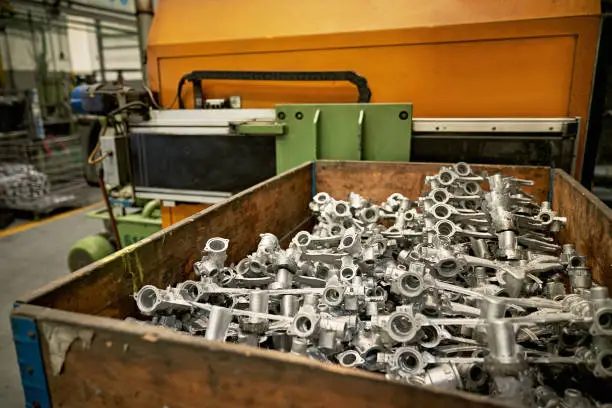
New discoveries in materials science keep making aluminum alloys better for both casting and forging. Adding scandium to new aluminum die casting metals makes them stronger, almost as strong as formed material, while still being easy to cast. These new alloys make it possible for aluminum die casting to be used in situations where forging was needed before. This gives aircraft engineers more design choices. Vacuum-assisted aluminum die casting methods reduce porosity to almost nothing, which helps with important aircraft uses that need the highest level of dependability.
Forging improvements rely on near-net-shape methods that reduce the need for further machining. Isothermal forging keeps the dies at high temperatures, which makes it easier for the material to move and lowers the forging loads needed for complicated forms. This makes it possible to make bigger, more complicated parts with less waste. Adding additive manufacturing to forging—making preforms out of metal through 3D printing and then solidifying them through forging—offers more design options and better mechanical qualities, but aircraft isn't using it yet because it's too expensive.
Digital Transformation and Flexibility in the Supply Chain
Digital tools for quotes and automated design-for-manufacturing research shorten the time it takes to buy something. When suppliers offer fast quotes based on posted CAD models, it's easy to compare costs quickly during design iteration. Engineers can improve designs before making the tools by using simulation software that predicts the fill patterns for aluminum die casting or the flow of material during forging. This lowers the risks and time needed for development.
Real-time monitoring of output and planned repairs help keep schedules as stable as possible. IoT-enabled production equipment sends constant process data to quality teams, which lets them know when parameters change before defects happen. Blockchain-based traceability systems keep permanent records of the history of materials, process parameters, and inspection results. This is very important for aircraft uses that need to be able to track parts back decades. With these digital tools, connections with suppliers can go from being transactional to being collaborative, which helps aircraft innovation.
Conclusion
When choosing between casting and forging aluminum for aircraft parts, you need to weigh the mechanical performance against cost, shape, and production volume. Forging is better for making strong structures because it doesn't wear down easily, while aluminum die casting is better for making complex shapes quickly and cheaply on a large scale. Aerospace procurement managers gain when suppliers can do both. This lets them choose the best process based on the needs of each component instead of the supplier's limits. Digital manufacturing improvements and the creation of new alloys are blurring the lines between standard performance categories. This makes it easier to build next-generation aircraft systems. Successful projects use supplier knowledge early on in the design process, matching technical needs with business facts to deliver reliable parts on time and on budget.
FAQ
What are the main advantages of aluminum die casting for aerospace components?
Aluminum die casting makes complicated shapes with perfect dimensions and a smooth surface in just one step, which cuts down on the need for assembly. The process makes it possible to make pieces with thin walls and complex internal features that would be hard or impossible to make by forging. Over 85% of the materials are used, so expensive military metals are not wasted. When you make more than a few thousand pieces, high production rates lower the cost per unit. This makes aluminum die casting a good choice for long-term aircraft production. Modern aluminum die casting facilities use controlled solidification and heat treatment methods to make sure the mechanical qualities meet the needs of many aerospace uses.
How do lead times compare between casting and forging for aerospace parts?
Usually, it takes 10 to 14 weeks to build aluminum die casting tools before production starts. However, high production rates make it possible to deliver large amounts more quickly once the tools are proven to work. It may take 8–12 weeks shorter for easier shapes for forging tooling to finish, but long lead times are caused by a lot of post-machining. When a supplier has their own tools, casting or forging, machining, and finishing, they can cut down on lead times by removing the need for multiple companies to work together. When comparing suppliers, aerospace buying teams should ask for specific project schedules that include when the tools will be made, when the first product will be inspected, and when production will start up.
Partner with Fudebao Technology for Precision Aerospace Aluminum Manufacturing
Zhejiang Fudebao Technology makes aerospace-grade aluminum parts by combining the skills of aluminum die casting, forging, and precise milling. Our AS9100-compliant center oversees the whole production process, from melting the metal to checking it for quality at the end. Tolerances of ±0.05mm can be reached with high-tech tools like high-speed machining machines and low-pressure casting systems, which meets strict flight requirements. Our engineering team makes sure that plans are cost-effective and easy to make, whether your program needs die-cast electrical housings or machined structure parts. Contact hank.shen@fdbcasting.com to talk about your aircraft aluminum needs with a seasoned aluminum die casting company that is dedicated to meeting your critical application needs for performance, quality, and competitive lead times.
References
Anderson, K.R. (2021). Aerospace Materials Selection: A Comprehensive Guide to Aluminum Alloys. Society of Automotive Engineers International.
Campbell, J. (2015). Complete Casting Handbook: Metal Casting Processes, Metallurgy, Techniques and Design (2nd ed.). Butterworth-Heinemann.
Kaufman, J.G. & Rooy, E.L. (2004). Aluminum Alloy Castings: Properties, Processes, and Applications. ASM International.
Saha, P.K. (2000). Aluminum Extrusion Technology. ASM International.
Starke, E.A. & Staley, J.T. (1996). "Application of Modern Aluminum Alloys to Aircraft." Progress in Aerospace Sciences, 32(2-3), 131-172.
Thomas, D.S. & Gilbert, S.W. (2014). Costs and Cost Effectiveness of Additive Manufacturing: A Literature Review. National Institute of Standards and Technology Special Publication 1176.



YOU MAY LIKE
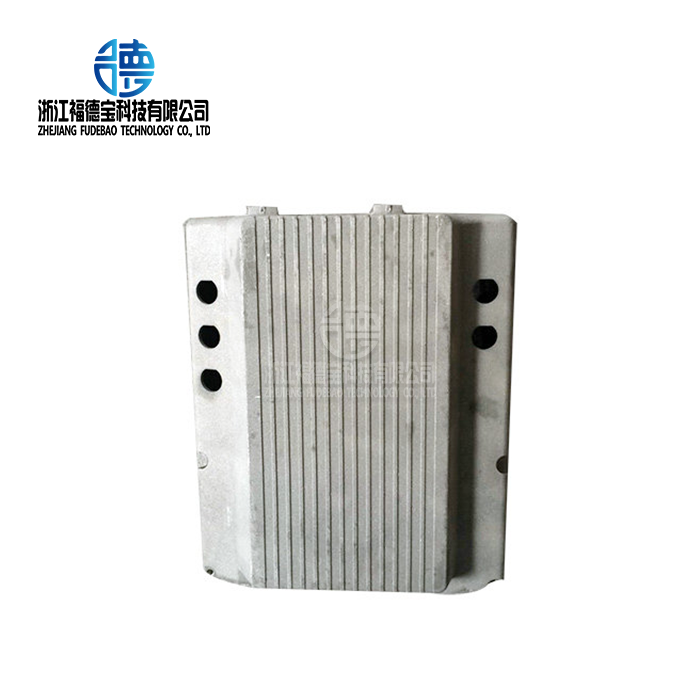
_1756352340434.webp "Aluminum chassis cover")
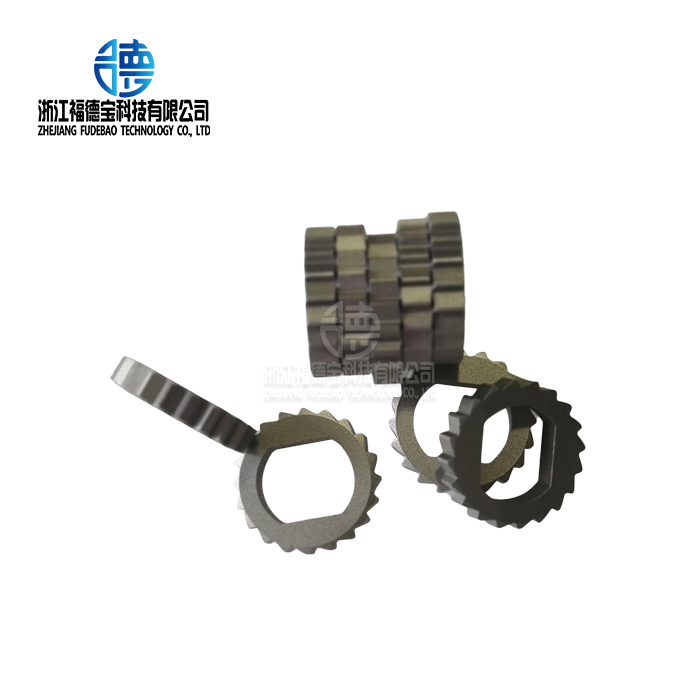
_1756349071334.webp "HAAS mounting bracket")
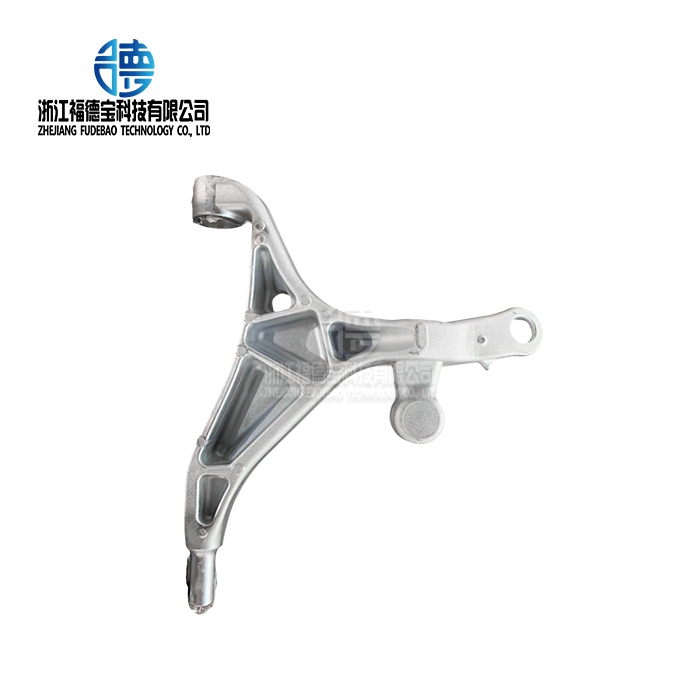
_1756346043433.webp "guardrail connecting block")