Copper Alloy Casting in Aerospace: Benefits, Challenges, and Applications
2026-06-10
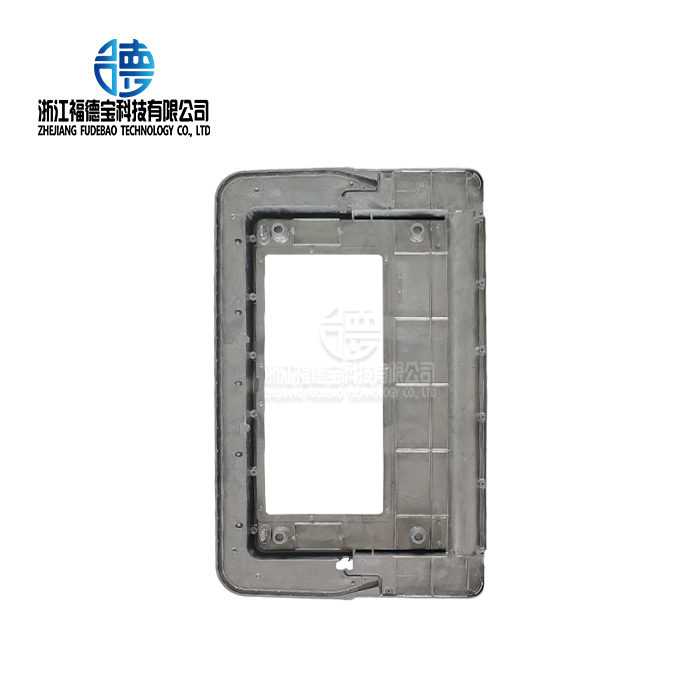
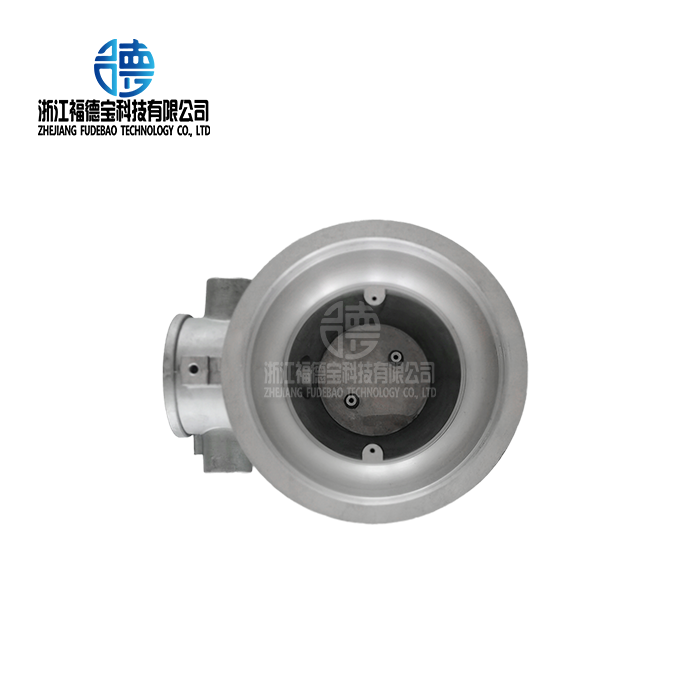
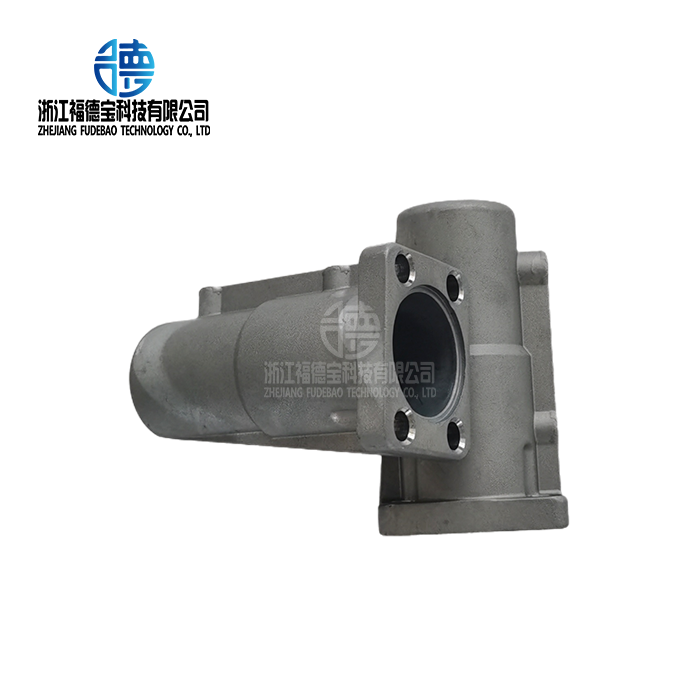
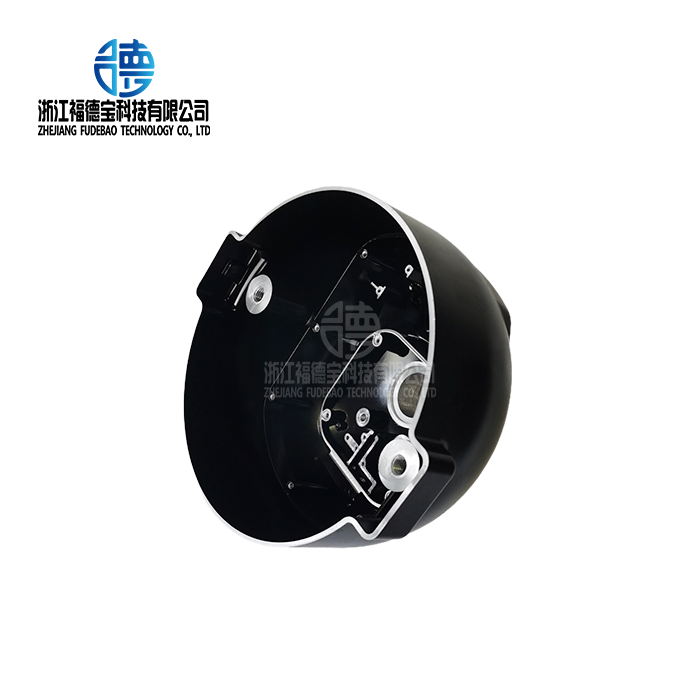
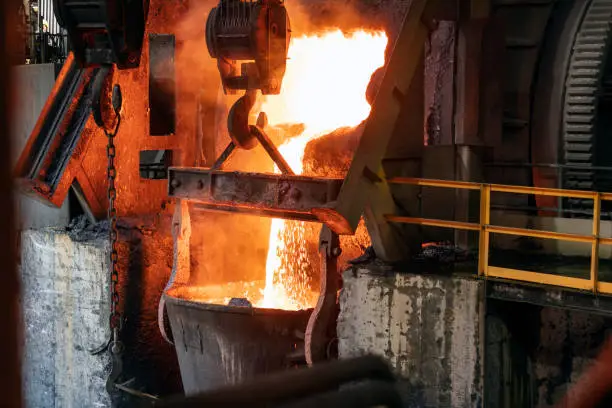
Copper alloy casting in aerospace involves pouring molten copper-based alloys into accurate molds to make aircraft and spacecraft components. Copper casting lets producers make complicated structures with interior voids that would be too expensive or difficult to machine. This process meets aerospace needs for advanced thermal and electrical conductivity for avionics, corrosion-resistant materials for harsh flight environments, and wear-resistant components that prevent metal-on-metal galling in high-stress mechanical systems where reliability is crucial.
Understanding Copper Alloy Casting for Aerospace Applications
What Defines Copper Alloy Casting?
Molten copper-based metals are poured into molds to match component requirements in copper alloy casting. Near-net-shape production reduces secondary machining and material waste, distinguishing copper casting from wrought manufacturing. To improve characteristics, aerospace-grade copper alloys contain beryllium, aluminum, tin, or nickel. Beryllium copper preserves copper's conductivity while providing steel-like strength. Phosphor bronze is ideal for electrical contacts and connections that undergo repeated stress cycles because to its spring properties and fatigue resistance. In marine and atmospheric flying situations, aluminum bronze resists corrosion better.
Primary Casting Methods for Aerospace Components
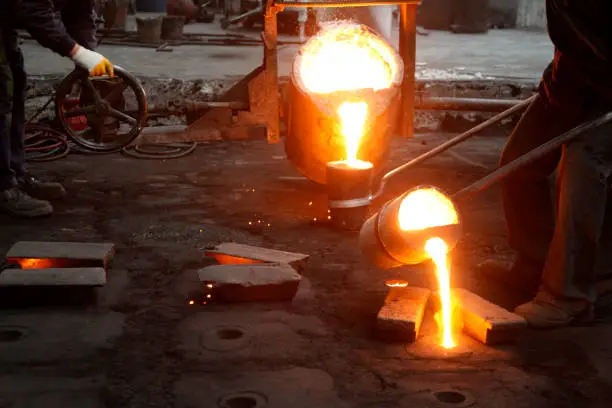
Aerospace copper alloy manufacture has three main casting methods. Lost wax investment casting creates components with precise surface polish and dimensional precision, with tolerances of ±0.05mm. Complex brackets and housings with several mounting points and internal channels benefit from this technology. Sand casting allows for bigger components and lower-volume manufacturing runs, but surface quality requires additional post-processing. Die casting uses reusable metal molds to produce medium-sized components efficiently and consistently across thousands of pieces. Procurement teams must weigh initial tooling investment, manufacturing volume economics, and accuracy levels against project needs for each approach.
Comparison with Alternative Manufacturing Approaches
Copper casting has benefits over machining from solid billet material for intricate interior components. Machining a solid copper housing with internal coolant pipes demands long tool paths, cycle durations, and trash material. A single casting procedure gives the same shape with little waste. Copper alloys provide better electrical conductivity and thermal management than aluminum casting for power distribution and heat dissipation. Brass is easy to machine but lacks the strength and fatigue resistance of aerospace-grade bronzes. The performance requirements of each aircraft system component determine material selection.
Benefits of Using Copper Alloy Casting in Aerospace
Superior Material Properties for Critical Functions
Copper alloys are essential for aircraft applications due to their properties. Pure copper and some copper alloys have electrical conductivity up to 100% IACS (International Annealed Copper Standard), reducing power loss in electrical distribution systems. Thermal conductivity helps heat exchangers and cooling systems transport heat efficiently, reducing thermal buildup that may damage sensitive avionics. Aluminum bronze and cupronickel resist air corrosion and stress-corrosion cracking better. Aluminum bronze castings have tensile strength of 750 MPa, rivaling many steel alloys, but are lighter, helping aerospace designers save weight.
These features address aerospace engineering issues. Electrical components benefit from copper's conductivity, lowering resistance heating and enhancing efficiency. Copper's thermal characteristics keep engine and electrical system heat exchangers running smoothly. Bronze alloy bushings and bearings withstand galling and seizing under boundary lubrication circumstances where steel components would fail catastrophically.
Design Flexibility and Complex Geometries
Engineers can combine machined pieces into one cast component, simplifying assembly and decreasing failure spots. Weld joints that cause stress concentrations and leak pathways can be eliminated by casting six machined plates into a housing. Casting fluid flow or electrical routing passageways into the component avoids costly secondary drilling and allows optimum flow pathways that cannot be machined. Variable wall thickness design optimizes weight by inserting material where structural analysis requires. Casting integrates ribs, bosses, and mounting characteristics without fabrication or attachment.
This design freedom boosts aeronautical innovation. Future aircraft must balance strength, weight, and functionality. Copper casting meets these competing needs through geometric optimization that subtractive manufacturing cannot afford.
Cost-Effectiveness Across Production Scales
Casting tooling is expensive, but per-unit costs drop as production volume grows. Medium to high-volume manufacturing is economically viable after mold creation since castings only cost material and processing. Sand casting's cheaper tooling costs enable design validation before permanent mold tooling. Copper casting generates less waste than milling, which can remove 70–80% of the beginning material as chips, saving money. Limiting secondary machining to crucial mating surfaces and threaded features reduces cycle time and labor costs.
Lifecycle expenses boost the economic case. Integrated cast components simplify assembly, inventory, and quality control. Fewer parts reduce assembly mistakes and simplify supply chain operations throughout the production lifecycle.
Key Challenges of Copper Alloy Casting in Aerospace
Quality Control and Casting Defects
Most copper casting problems include porosity, which occurs when dissolved gasses precipitate after solidification or shrinkage generates spaces. Copper alloys are especially affected by hydrogen porosity because molten copper quickly absorbs hydrogen from air or mold moisture. Gas porosity weakens mechanical characteristics and causes pressure-containing component leaks. To control porosity, melts must be degassed with nitrogen or argon and deoxidizers like phosphorous added to react with dissolved oxygen before gas production. Misruns occur when molten metal hardens before filling the mold chamber, leaving castings unfinished. Low pouring temperature, poor gating, or excessive mold heat extraction cause this problem. Tin and aluminum bronze alloys solidify differently than pure copper, necessitating customized production conditions to prevent flaws.
Regulatory Compliance and Certification Requirements
Aerospace quality standards need extensive manufacturing-process documentation and traceability. Suppliers must maintain AS9100 quality management system certification to fulfill aerospace sector criteria beyond ISO 9001. Material traceability requires chemical composition analysis and mechanical property verification to link each casting to the metal heat. Radiography, ultrasonic, and fluorescence penetrant inspections check internal and external integrity. Before production permission, PPAP paperwork packages include dimensional inspection findings, material certifications, and process capability studies. These criteria involve significant investment in quality infrastructure, qualified staff, and inspection equipment.
Environmental and Safety Considerations
Due to high temperatures above 1100°C and rapid reactions if moisture touches molten copper alloys, handling them is dangerous. Foundries need PPE, metal fume ventilation, and emergency response methods. Inhaling beryllium dust or fumes during machining or grinding might be dangerous in some copper alloys. Aerospace vendors using beryllium copper must follow OSHA exposure controls and worker monitoring systems. Waste disposal of wasted molding materials, metal dross, and process chemicals must comply with environmental laws. Bismuth or selenium can replace lead in applications that need machinability increase without environmental effect to meet RoHS compliance.
Applications of Copper Alloy Casting in Aerospace Industry
Electrical System Components
Copper casting is essential for aviation electrical infrastructure conductivity and dependability. Beryllium copper electrical connections sustain contact pressure over thousands of mating cycles and resist relaxation that decreases performance. Cast bus bars and terminal blocks allow mounting features and strain relief devices to be included to deliver power across aircraft systems with minimum resistive losses. Copper's conductivity and mechanical robustness allow circuit breaker components to interrupt current without contact wear.
Another important use is electromagnetic interference shielding. High conductivity makes copper useful in reflecting and absorbing electromagnetic radiation that might harm sensitive avionics. With mounting bosses and connecting channels sculpted into cast housings, electrical equipment is shielded seamlessly. Grounding straps and bonding jumpers limit static accumulation and safeguard lightning strike protection channels throughout aircraft structures.
Thermal Management Systems
Copper alloy heat exchangers control engine, hydraulic, and electronic thermal loads. Copper's strong thermal conductivity allows smaller heat exchangers with fewer cooling fins and less weight than aluminum ones. Optimized internal channels in investment cast manifolds balance flow resistance and heat transfer efficiency. Aluminium bronze heat exchangers withstand condensation and atmospheric corrosion during ground and flight operations, ensuring aircraft performance throughout its life.
Wear-Resistant Mechanical Components
Classic bronze casting uses include bearings and bushings. Landing gear actuators, control surface hinges, and engine accessories use phosphor bronze and aluminum bronze bushings for wear resistance and reduced friction. Bronze alloys self-lubricate reliably under boundary lubrication conditions with little oil film thickness. Unlike steel-on-steel interfaces that gall and seize, bronze-on-steel combinations operate well throughout contamination or lubrication interruptions. In oscillating or vibrating areas, thrust washers and wear plates prevent fretting and abrasion damage to expensive basic structures.
Emerging Innovation and Future Trends
Adding additive manufacturing to casting provides interesting possibilities. Hybrid approaches employ 3D-printed templates to speed prototype development and increase geometric complexity. Copper alloy composites enhanced with ceramic particles are being studied for next-generation aerospace applications to improve strength and wear resistance. To accommodate changing aircraft designs and operational circumstances, new alloys increase conductivity, strength, and environmental resistance.
Choosing the Right Copper Alloy Casting Solution for Aerospace Procurement
Evaluating Casting Method Suitability
Procurement must match casting technique choice with component needs and production planning. Investment casting is ideal for delicate components under 10 kg with tight tolerances and great surface polish. Tooling cost amortization across fewer units makes sense for sand casting bigger components and smaller production quantities. Die casting optimizes high-volume manufacture of standardized components, justifying equipment investment. Part complexity, dimensional tolerance, surface polish, and yearly volume projections influence technique selection.
Supplier Qualification Criteria
Supplier capability checks guarantee aerospace quality meets requirements. Quality management systems certified by AS9100 fulfill aerospace-specific risk management, configuration control, and continuous improvement standards. NADCAP (National Aerospace and Defense Contractors Accreditation Program) accreditation for heat treatment or non-destructive testing verifies technical expertise through independent audit. Request aerospace project experience, client references, and knowledge of AMS and MIL-STD specifications. To provide process control without subcontractors, evaluate in-house pattern making, tooling design, metallurgical testing, and dimensional inspection equipment.
Supplier facilities might be inspected for equipment, cleanliness, and staff skills. Watch furnace settings, degassing, and pouring practices that affect casting quality. Review quality records, remedial action documents, and continuous improvement activities that demonstrate excellence beyond compliance.
Cost Management and Lead Time Optimization
Cost, quality, and delivery must be balanced strategically. Complex investment casting patterns or permanent die casting molds need large upfront tooling expenses. Per-unit cost is calculated by amortizing tooling expenditure across expected production quantities. Tooling ownership negotiations determine whether molds stay supplier property or shift to buyer, influencing future sourcing flexibility. Even though free-machining alloys cost more, they save downstream machining costs.
Schedule realistically for pattern creation, first article inspection, and revision cycles to manage lead time. Blanket purchase orders with planned releases stabilize source planning and may gain bulk discounts. Strategic long-lead component inventories protects against supply chain interruptions and balances carrying costs and stockout risks.
Conclusion
Copper alloy casting provides electrical conductivity, temperature management, and wear resistance for aircraft applications. Making effective procurement decisions requires understanding the benefits and drawbacks of design flexibility, material qualities, quality control, and obeying regulatory requirements. The aircraft sector uses copper casting for electrical systems, thermal management components, and mechanical wear parts while exploring new ideas. Selecting vendors with certifications, aerospace experience, and strong quality processes ensures components satisfy strict aerospace requirements throughout manufacture.
FAQ
How is copper casting porosity controlled?
Multiple methods reduce gas porosity, mostly via hydrogen absorption. Nitrogen or argon-protected melting inhibits gas pickup. Phosphorus deoxidizes dissolved oxygen before hydrogen production. Gating system design allows gasses to escape through risers before metal freezes, ensuring directed solidification. To avoid hydrogen production from molten copper, mold materials are properly dried to remove the water that becomes hydrogen when heated copper touches them.
What distinguishes sand casting from investment casting for aerospace copper components?
Sand casting can handle bigger parts and has reduced tooling costs for low-volume manufacturing. The procedure generates a rougher surface polish and requires more machining yet handles sizes beyond investment casting equipment capabilities. Investment casting yields superior surface quality and precise measurements, with ±0.05mm inaccuracies. The approach works well for complex forms with internal channels, but it costs more to generate patterns due to precision and labor requirements.
Can copper alloy castings be welded for repairs?
Alloy composition greatly affects welding. Aluminum bronze and cupronickel can be TIG welded with matched filler materials to fix cracks and corrosion. Proper phosphor bronze welding works. Leaded bronze alloys with lead for machinability are unweldable owing to hot cracking from lead's low melting point. Due to hazardous fumes, beryllium copper requires specialized procedures and cautious handling. Repair feasibility should be established by metallurgical examination before welding.
Partner with Fudebao Technology for Precision Copper Casting Solutions
Aerospace projects demanding exceptional quality and reliability require manufacturing partners with established knowledge and broad capabilities. Fudebao Technology casts copper alloy, aluminum, and stainless steel for aerospace, automotive, and industrial equipment worldwide. We have high-speed machining centers, CNC lathes, low-pressure casting machines, and die casting systems for melting to surface treatment. We offer accuracy tolerances of ±0.05mm and complete PPAP paperwork for aeronautical certification. We offer complete prototype and production services as a reputable copper casting company. Talk to us at hank.shen@fdbcasting.com about your aircraft component needs and how our technical experience can help you succeed.
References
Anderson, M. & Roberts, K. (2021). Advanced Copper Alloys for Aerospace Applications: Material Selection and Processing. Aerospace Materials Journal, Volume 18, Issue 4, pp. 234-251.
Chen, L., Thompson, R. & Davis, P. (2020). Quality Control in Precision Metal Casting for Aerospace Components. Journal of Manufacturing Processes, Volume 56, pp. 892-908.
National Aerospace Standards Committee. (2022). Aerospace Material Specifications: Copper and Copper Alloy Castings. SAE International, Warrendale, Pennsylvania.
Peterson, D. & Williams, S. (2019). Thermal Management Systems in Modern Aircraft: Materials and Design Considerations. International Journal of Aerospace Engineering, Article ID 7845123.
Rodriguez, A., Mitchell, J. & Zhao, Y. (2023). Emerging Trends in Metal Casting Technology for Aerospace Manufacturing. Aerospace Science and Technology, Volume 134, pp. 108-126.
Wright, T. & Kumar, v. (2020). Copper Alloy Selection for Electrical and Electronic Applications in Aviation. Journal of Electronic Materials, Volume 49, Issue 7, pp. 4123-4139.



YOU MAY LIKE
_1756348623524.webp "Turbine compressor housing")
_1756346043433.webp "guardrail connecting block")