What Surface Finishes Are Available for Aluminum Die Cast Parts?
2026-06-12
Engineering managers and purchasing directors quickly learn that as-cast surfaces seldom meet final specifications when inspecting aluminum die casting components for automotive housings, industrial equipment, or electrical enclosures. High-pressure injection of molten aluminum into steel molds produces near-net-shape die-cast components with excellent strength-to-weight ratios and complex geometries. However, these surfaces often exhibit inherent defects, such as porosity, visible parting lines, and surface oxidation, which require specialized post-casting finishing treatments. Surface finishing processes convert rough castings into components that comply with corrosion protection, dimensional tolerance, and aesthetic standards. They also enhance durability in demanding operational environments. This guide outlines common finishing options, key selection criteria, and best practices for collaboration between procurement and quality engineers to make informed decisions.

Understanding Aluminum Die Casting Surface Finishes
High-Pressure Die Casting (HPDC) presses liquid aluminum alloys like A380 or ADC12 into precise molds at pressures higher than 10,000 psi. This makes parts with smooth surfaces and precise measurements. Even with this level of accuracy, the rapid cooling process and mold release methods cause tiny surface flaws. These flaws include tiny holes caused by trapped gases, some roughness from the mold's surface, and flash from the splitting line surfaces.
Why Surface Finishing Matters for Die Cast Components
Three important performance needs are met by surface processes. They guard against oxidation and galvanic corrosion, which is especially important for car parts that are subjected to road salt and industrial machinery that works in damp places. Finishing steps also get rid of any flaws on the surface that could cause stress clusters or fatigue cracks when the structure is loaded and unloaded over and over again. Finishes not only protect, but also look good, which is important for consumer-facing items like high-end appliance housings and building gear that needs to keep looking good after years of use.
Common Surface Imperfections in Raw Castings
Aluminum die casting casts that are still raw usually look dull gray and have flow lines that can be seen from the drilling process. There may be tool marks and ejector pin impressions, as well as small differences in size at the lines where the two halves of the mold meet. The natural layer of aluminum oxide that forms in just a few hours doesn't do much to stop rusting, but it also isn't uniform and doesn't last long. Knowing these basic features helps buying teams set the right finishing standards based on how the product will be used, instead of over-specifying treatments that add to costs without adding any value.
Top 5 Surface Finishing Options for Aluminum Die Cast Parts
The best way to finish something relies on how resistant it is to rust, how long it lasts, how it looks, and your budget. Each method has its own benefits that make it better for certain business uses and working conditions. The most common ways to finish things in the aircraft, automobile, industrial machinery, and electrical equipment industries are listed below.
Anodizing: Enhanced Corrosion Protection and Aesthetic Appeal
Anodizing uses electricity to change the surface of the metal into a strong layer of aluminum oxide that is usually 5 to 25 microns thick. Parts are put in an acid electrolyte bath while an electric current flows through them. This controls oxidation so that it goes through the base material instead of just covering it. This makes a very strong bond that won't peel or break like coats that are applied. The normal protected finish is made by Type II anodizing (sulfuric acid method), and Type III hard anodizing makes surfaces that are thicker and harder to resist wear. The porous oxide structure lets dyes pass through, so the color can be changed from clear to black, brown, or any other shade you want. Anodized finishes work great on outdoor gear, in architecture, and on electrical housings where UV resistance and insulating qualities are important. Since there isn't much material growth, the method keeps the dimensions accurate. This makes it good for making fine parts that need to be within very tight tolerances.
Powder Coating: Robust Protection for Harsh Environments
Powder coating uses static electricity to stick dry polymer particles to the surface of the part. The particles then harden in ovens at temperatures around 200°C to make a continuous film that protects the part. This way of finishing is better than liquid paints because it is more resistant to chemicals, impacts, and UV light. The layer is usually between 50 and 100 microns thick, which makes it a strong shield against corrosion and water getting in. It's possible to get powder coats in almost any color and finish type, from high-gloss to matte or patterned. Since there are no solvents, the method is safe for the environment and only releases small amounts of toxic organic compounds. Powder coating is often used for industrial machinery housings, outdoor electrical covers, and automobile brackets because it can withstand high and low temperatures and being exposed to hydraulic fluids, oils, and cleaning chemicals. It is possible to measure how thick the coating is, and quality teams must take that into account when they list key measurements and surfaces that must fit together.
Liquid Painting: Versatility and Aesthetic Refinement
Liquid painting can be applied in a number of ways, such as by spray, dip, or electrostatic coating, and can use solvent-based or liquid formulas. Modern painting methods for cars use primer, basecoat, and clearcoat, which are all different layers, to get better chip protection and color depth. Liquid paints can make surfaces look smoother and more polished than powder coatings. This makes them better for consumer goods and high-end car parts where the way the surface looks affects how people think of the brand. Liquid paints usually don't resist contact as well as powder paints, but the thinner coating profile makes it easier to control the dimensions. Newer formulas include rust inhibitors and UV protectors to make things last longer outside. To make sure the process sticks, the surface needs to be carefully prepared by degreasing and applying a conversion layer. This is why provider process controls are so important for long-term performance in aluminum die casting applications.
Electroplating: Functional Performance Enhancement
Through electrochemical deposition, electroplating adds metal layers to aluminum bases, making surfaces with unique qualities. Chrome plating makes moving parts very hard and reduces friction, while nickel plating makes electrical connections very resistant to rust and easy to solder. To make the naturally protective aluminum oxide surface conduct electricity, the process needs a lot of complicated preparation, such as zinc immersion treatment (zincating). Because coating widths are usually between 5 and 20 microns, electroplated finishes keep tight limits on sizes. These treatments are used on electrical parts that need to have certain conductivity qualities, on decorative trim that needs to have a mirror-like shine, and on wear surfaces in mechanical systems. Environmental rules are making it harder to use hexavalent chromium plating, which is pushing sites that follow the rules to use trivalent chrome and other hard finishes instead.
Mechanical Finishing: Precision Surface Preparation
Instead of using chemicals, mechanical finishing methods change the appearance of the surface through physical processes. Fine glass or ceramic particles are blasted at the surface by bead blasting. This creates a uniform matte appearance and gets rid of small flaws and flash. Abrasive media are used in tumbling or mechanical finishing to smooth out edges and round off sharp points. This makes the piece safer to handle and helps paint stick better. Polishing with finer and finer abrasives makes surfaces look like mirrors for artistic purposes or lowers surface roughness to make structural parts more resistant to stress. These mechanical processes are often used to get surfaces ready for coatings. However, some parts only need blast finishes for situations where accuracy in look is less important than functionality. Mechanical finishing keeps the dimensions more accurately than chemical processes, but the media needs to be carefully chosen so that bits don't get embedded and make it harder for the next covering to stick.
How to Choose the Right Surface Finish for Your Aluminum Die Cast Parts
To choose the right surface treatments, you need to carefully think about how they will work, how they will be exposed to the world, and how much they will cost. Engineering teams have to find a mix between technical performance and the available budget, while also making sure that the supplier's skills match the quality standards and delivery dates.
Evaluating Environmental Exposure and Mechanical Demands
Parts that work outside near the coast are very likely to rust because of the salt spray, so they need strong protection like anodizing or powder coating with the right preparation. For looks and a little corrosion protection, indoor electrical boxes may only need a basic powder finish. Hard anodizing or chrome plating parts that are likely to run out or get damaged by friction or wear can make them last longer between services and lower the cost of upkeep. Changing temperatures affects the choice of finish. Powder coats can usually handle temperatures between -40°C and 150°C, while special high-temperature formulas can handle even wider ranges. To help them talk about finish specifications with suppliers, procurement teams should write down practical factors like humidity ranges, chemical exposures, UV radiation levels, and types of mechanical stress.
Aligning Finish Specifications with Industry Standards
When defining finishes, quality assurance teams must look to relevant standards to make sure that results are the same across providers and production batches. Powder coating specifications use ASTM D523 to measure gloss and ASTM D3359 to test adhesion. Anodizing standards use MIL-A-8625 to describe the type of finish and its thickness. Automotive makers have to follow strict OEM standards that spell out things like how to fight salt spray (ASTM B117), how to expose parts to humidity, and how to keep their look after being exposed to different environments. AS9100 quality management standards say that traceability documents and process controls are needed for aerospace uses. Request-for-quotation papers with clear specification references get rid of confusion, allow accurate quotes from suppliers, and set objective acceptance criteria for incoming review.
Balancing Cost, Lead Time, and Supplier Capabilities
Finishing the surface of an aluminum die casting part increases both the cost and the time it takes to make. The effects are very different depending on the complexity of the process and the shape of the part. Anodizing usually costs less than electroplating because the chemicals used and the way the waste is handled are easier. Powder finishing is a good way to save money when you make more than 500 pieces, because the setup costs are spread out over the batch. Complex shapes with deep depressions make it hard to get even covering coverage, which could mean using different application angles or special tools that raise the cost of processing. To find ways to save money, procurement teams should ask for specific cost estimates that separate material, processing, and masking costs. It doesn't matter what the lead time is—standard finishes like clear anodizing or black powder coat ship faster than custom color matching or specialty paints that need formula development. Checking a supplier's equipment makes sure they have the right tank sizes, oven capacities, and quality control tools to meet your production needs without sacrificing quality by using facilities that are too full.
Comparing Aluminum Die Casting Surface Finishes With Other Manufacturing Methods
Knowing how the surface properties and finishing needs of die casting are different from other production processes helps OEMs make better decisions about where to get parts and what processing they will need later.
Die Casting versus Sand Casting Surface Quality
It takes a lot of machining or heavy coating buildups to get smooth surfaces from sand casting, which uses sand mold prints that are rough and wrinkled. The loose sand makes the surface porous and changes the sizes of the pieces, which means that more material stock is needed for the finishing steps that come after. Aluminum die casting makes surfaces that are much smoother as they are made and gives you better control over the dimensions, which lowers the cost of finishing and the amount of material that needs to be removed. Die casting is better when finish look and coating adhesion are important for product success than sand casting, even though sand casting can handle larger part sizes and requires less expensive equipment. When procurement teams compare these processes, they shouldn't just compare the costs of raw casting; they should also look at the total costs of finishing.
Machined Parts versus Cast-Then-Finished Components
When CNC cutting is done on a solid workpiece, the surface finish is very smooth, and the roughness level is usually between 1.6 and 3.2 microns, which can be predicted. Coatings stick evenly to machined surfaces because they don't have any pores that could get in the way. But cutting wastes a lot of material and needs more than one setup step for complicated shapes, which makes unit costs higher than die casting when making more than a few hundred pieces. When die-cast parts are finished properly, they have the same end quality as other parts, but they use materials more efficiently and have near-net-shape economics. The choice depends on how many will be made, how complicated the geometry is, and whether the design can work with common die casting limitations like draft angles and even wall thickness.

Best Practices for Working with Aluminum Die Casting Suppliers on Surface Finishes
Successful procurement outcomes depend on clear communication of needs, careful screening of suppliers, and effective quality control throughout the production cycle.
Communicating Finish Specifications in RFQ Documents
Request-for-quotation packages should include detailed finish specifications using industry-standard terms instead of subjective ones like "smooth" or "durable." List the type of coating, the thickness ranges, color standards using Pantone or RAL numbers, and measurement standards for gloss levels. Include criteria for accepting common flaws like scratches, color changes, and paint holidays. When it comes to look matching, give example samples or photographic standards. It is easier to get accurate quotes from suppliers when the requirements are clear. It is also cheaper to make changes when requirements are unclear. Include details about surfaces that need to be mated or areas that need to be masked off so that coating doesn't build up and get in the way of assembly standards.
Verifying Supplier Process Controls and Certifications
Suppliers who care about quality keep written records of all the process controls they use, such as keeping an eye on the aluminum die casting bath chemistry, keeping track of the temperature, and checking the coating thickness on every production batch. Ask for proof of quality management system certifications like ISO 9001 or IATF 16949 for car equipment, as well as testing programs for measuring tools. Visit finishing plants to see how the tanks are maintained, how waste is handled, and what environmental controls are in place to show that the business is run professionally. Make sure that after finishing, providers test for adhesion, salt spray strength, and dimensions to find problems before they are shipped. Suppliers who do their own finishing are more accountable and better at integrating the process than casting vendors who use outside finishing suppliers.
Managing Sample Approvals and Production Quality
The quality standard for production runs is set by the approval of the first sample. Test examples with salt spray, thermal cycle, or rapid weathering that is right for the purpose. Use color measurements and gloss readings instead of subjective eye evaluation to record how something looks. Use approved samples as gold standards for incoming inspection, and teach the people who are getting the goods how to find acceptable levels of difference. Set up regular audit sampling during production runs to find process drift before it affects large amounts of work. When quality problems happen, don't just reject and fix; instead, get sources to help you figure out why they happened. This will help you understand the process better so that it doesn't happen again.
Conclusion
Surface finishes turn raw aluminum die casting parts into parts that meet the strict requirements for performance, longevity, and good looks in car assemblies, industrial equipment, electrical systems, and precision machinery. Anodizing, powder coating, liquid painting, electroplating, and mechanical finishing are all different processes that have their own benefits that make them better for different work settings and needs. The best results are reached when procurement managers and engineering teams carefully weigh the supplier's skills and the cost of the project against factors like weather exposure, mechanical needs, and aesthetic preferences. For a design to work, there needs to be clear communication using standard examples from the industry, careful screening of suppliers to make sure they can maintain process controls, and aggressive quality management throughout production. OEM decision-makers can choose processes that improve part performance while keeping costs and delivery times under control in global supply chains by learning about the technical features and application issues of each finishing method.
FAQ
What is the typical lead time for applying surface finishes to aluminum die cast parts?
Lead times depend on how complicated the finishing is and how much is being made. After the aluminum die casting is done, normal steps like clear anodizing or common powder coat colors usually take an extra three to seven days. It could take two to three weeks for custom color matching, multi-layer coating systems, or specialty processes like hard anodizing. The number of items being made affects the schedule; specific finishing runs that handle bigger batches more efficiently than small prototype quantities mixed with other tasks. Because they don't have to coordinate as much with third-party finishers, suppliers who do their own finishing usually deliver faster than suppliers who send jobs to third-party finishers.
Can all aluminum die casting alloys accept anodizing treatment?
Most popular die casting alloys can be anodized, such as A380, ADC12, and AlSi9Cu3. However, the effects depend on the alloy's makeup. When compared to worked alloys, high-silicon alloys used in die casting have darker, less uniform anodized looks because silicon particles change how the oxide layer forms. Copper levels above 2% can be unsightly because they cause dark spots. When designing parts that need to have a uniform anodized look, the metal may need to be chosen in a way that balances how easy it is to cast with how well it finishes.
How do surface finishes influence corrosion resistance in outdoor applications?
When finishes are put correctly, they create moisture shields that make things last a lot longer in surroundings that are corrosive. Anodizing is very good at protecting against rust because it has an oxide structure built in that can fix itself for small scratches. Powder coating and liquid paint systems depend on the consistency of the coating. Any crack that lets water in can cause rust to start in one area. Good preparation with conversion coats or primers makes the contact between the substrate and the covering more resistant to adhesion and corrosion. Testing finishes with salt spray according to ASTM B117 is a fair way to compare how long they last. High-quality systems can go over 1,000 hours without red rust formation.
Partner with Fudebao Technology for Precision Aluminum Die Casting and Expert Surface Finishing
To get around the complicated surface finishes for aluminum die casting components, you need a production partner that can do casting, cutting, and finishing all at the same time and has a track record of doing these things well. Zhejiang Fudebao Technology is a leading aluminum die casting company that has modern high-pressure die casting machines, CNC milling centers, and full in-house facilities for surface treatment. Our unified workflow includes everything from freezing to finishing, so we can control the whole process from the raw materials to the finished parts and make sure the dimensions are accurate to ±0.05mm. We offer ISO-certified quality management and full tracking documents to car tier-1 providers, companies that make industrial equipment, and companies that make electrical systems. Our engineering team works with your sourcing and quality departments to make sure that specs are met and deliveries are on time, whether your application needs anodized electrical housings, powder-coated machinery parts, or precisely finished car brackets. Get in touch with hank.shen@fdbcasting.com to talk about your aluminum die casting needs, ask for samples that show how we can finish your castings, and learn how our one-stop production method simplifies your supply chain while still meeting your performance and timeline needs.
References
American Foundry Society. (2021). Aluminum Casting Technology Handbook. Des Plaines: AFS Publication.
North American Die Casting Association. (2020). Product Specification Standards for Die Castings: Aluminum and Magnesium. Wheeling: NADCA Standards.
Kaufman, J.G. & Rooy, E.L. (2004). Aluminum Alloy Castings: Properties, Processes, and Applications. Materials Park: ASM International.
Wernick, S., Pinner, R., & Sheasby, P.G. (2020). The Surface Treatment and Finishing of Aluminum and Its Alloys (6th ed.). Metals Park: ASM International.
Society of Automotive Engineers. (2019). SAE J2334: Cosmetic Corrosion Lab Test. Warrendale: SAE International Standards.
Aluminum Association. (2018). Aluminum Standards and Data: Surface Treatments and Finishes for Aluminum. Arlington: The Aluminum Association Technical Publications.



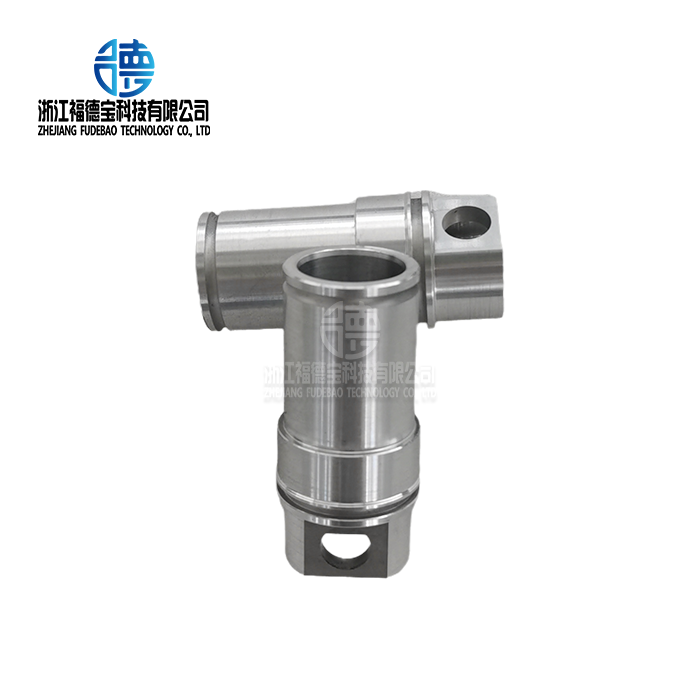
_1756352472762.webp "steel threaded plug")
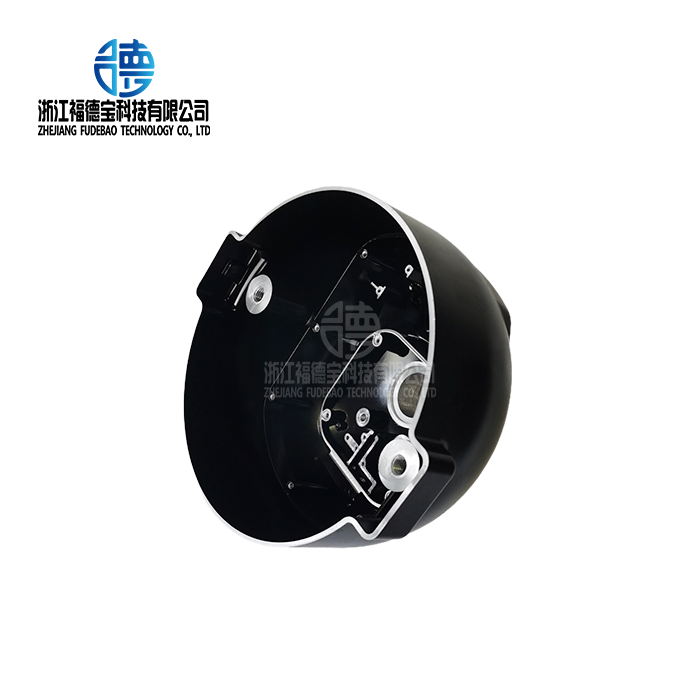
_1756348356531.webp "Automobile engine oil pan")
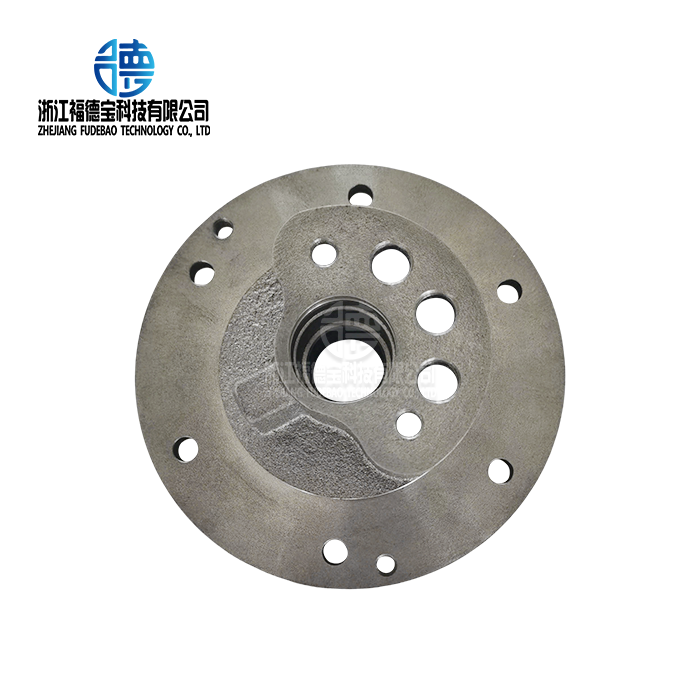
_1756346043433.webp "guardrail connecting block")
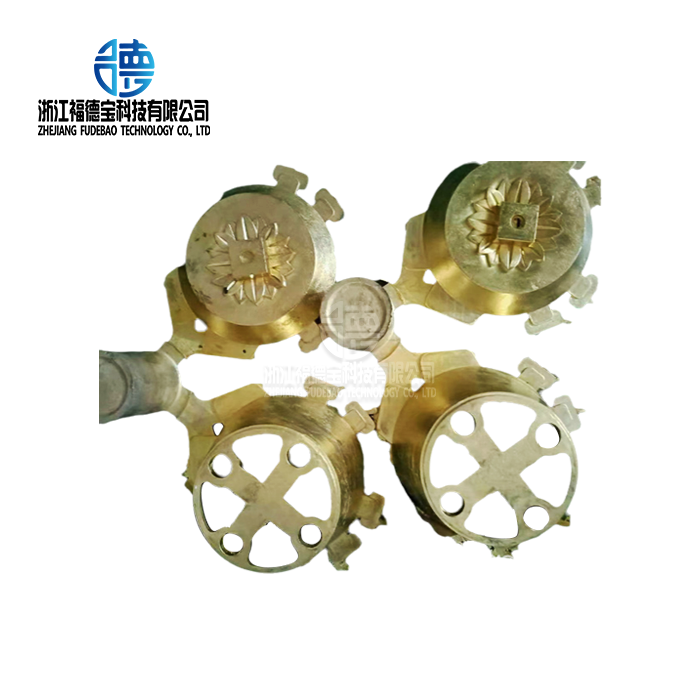
_1756345858191.webp "Aluminum casting crafts")