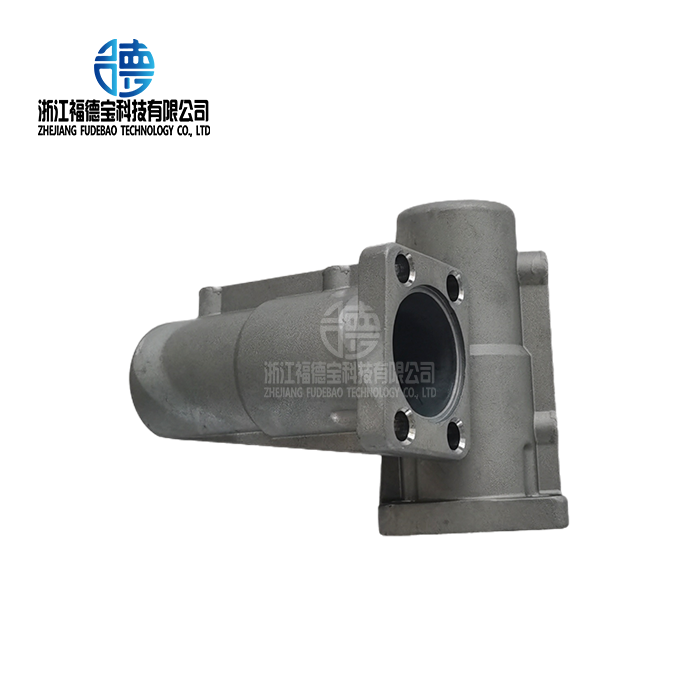
Common Applications for Low Pressure Die Casting
2026-04-10
One unique way that metal is shaped that has changed the way businesses make high-integrity parts is called low pressure casting. With this counter-gravity method, molten magnesium or aluminum metals are poured into permanent molds while controlled air pressure, usually between 20 and 100 kPa, is applied. The process gets rid of turbulence during filling, which means that there are fewer oxide inclusions and the inside is more stable than with standard gravity ways. By using a riser tube to connect a pressurized holding furnace directly to the mold, makers can get material returns of over 90%, which drastically cuts down on trash and remelting costs. This technology is used by industries that need safety-critical parts with zero-defect tolerances, like aircraft structural brackets and wheel systems for cars. It meets strict performance standards while keeping costs low.
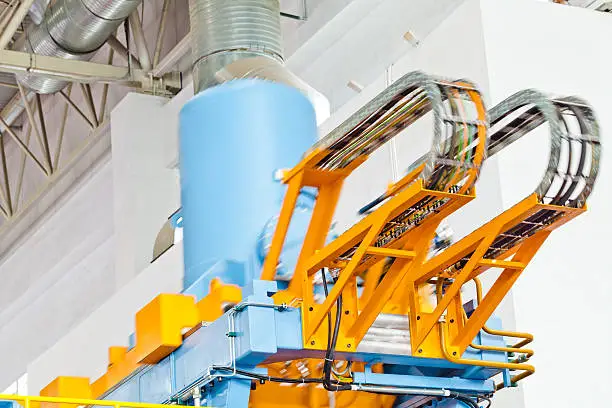
Understanding Low Pressure Die Casting and Its Key Advantages
Today's industry needs methods that combine quality, efficiency, and getting the most out of the materials used. These needs can be met by low pressure casting, which uses a controlled filling method that is very different from other methods.
How the Process Works
This technology works with a covered furnace system that keeps liquid metal safe from outside contaminants. The burner is linked to the mold space above by a riser tube lined with refractory. When the furnace chamber is gently pushed by compressed air, liquid metal rises through the tube and flows into the die hole without any problems. This smooth flow stops the splashes and turbulence that happen with gravity pours. Since the pressure stays the same during solidification, the liquid container can keep causing the casting to shrink as it cools. When the solidification is done, the system lets go of its pressure, and the metal that isn't filled in the riser tube runs back into the burner to be used again.
Technical Advantages Over Traditional Methods
When manufacturers choose this method, they get a number of measured benefits. Controlled pressure feeding makes sure that the material solidifies in a certain way, from thin parts toward gates. This gets rid of any internal holes that would weaken the structure. In contrast to high-pressure die casting, which traps gas through fast pumping rates, the soft filling keeps the metal clean. This feature lets parts be fully heat-treated to T6 conditions, where they can reach yield strengths of more than 240 MPa and elongation values higher than 8% in A356 metal. This isn't possible with gas-filled casts that blister during solution treatment.
Efficient use of materials is another strong benefit. In traditional gravity casting, big feeders and steps are needed, and 40 to 50 percent of the metal that is poured is often wasted as scrap. The closed-loop furnace method instantly gets back metal that isn't being used, which raises material outputs to 92–95%. Over the course of a year's output, this saves a lot of raw materials and has less of an effect on the earth because less energy is used for melting.
Economic and Environmental Benefits
High material outputs, less waste, and energy-efficient operation are all things that are in line with today's environmental goals. When procurement teams look at the total cost of ownership, they find that the cost per part goes down a lot at middle to high production rates, even though the initial investment in tools is higher than with sand casting. The process also helps with efforts to make electric vehicles lighter, which is important for progress because every kilogram saved increases range and speed without lowering safety standards.
Core Applications of Low Pressure Die Casting in Key Industries
This flexible technology is used in many areas where the dependability of parts affects the safety and performance of operations. Knowing about specific uses helps procurement pros match skills with the needs of a project.
Automotive Manufacturing Excellence
Most low pressure casting parts used in the world are used in the automobile industry. The most obvious use is in alloy wheels, where the process makes it possible to have complicated spoke designs that still have the same mechanical qualities. The thick matrix can withstand impact tests according to SAE J2530 standards and keeps the air tightness even when the tire pressure changes. Major wheel makers choose this method because it consistently makes parts that pass X-ray inspection at ASTM E155 severity level 3. This makes sure that no customer gets a wheel with secret holes that could fail in a catastrophic way.
This technology is being used more and more in parts of electric vehicles' powertrains, not just the wheels. Sand cores are used to make the complex cooling channels inside motor housings. The gentle filling pressure works with these channels without damaging or moving the cores. These housings need to keep the seals tight under pressure while also getting rid of the heat from motors with a high power density. The controlled solidification process creates a fine-grained lattice that is strong enough and good at conducting heat for demanding EV thermal management systems.
Another important area of use is for suspension parts like control arms and steering knuckles. These parts are very important for safety and have to withstand millions of load cycles and dynamic stress. The process makes molds with few flaws, which lets the T6 heat treatment add the 10-15% extension needed to absorb impact energy without breaking easily. Tier-1 suppliers mention this way when a broken part could make it harder to control the car or put people in danger.
Aerospace and Defense Applications
Aerospace uses lighter materials like aluminum casts instead of heavy steel fabrications whenever possible to save weight. The process can make net-shape shapes with little machining, which is useful for making structural brackets, actuator housings, and electronics boxes. Full traceability and approval are required by the aerospace industry. Suppliers must show process control using statistical methods and keep samples from each batch for study of possible failures.
For defense purposes, structures often have complicated shapes and walls of different sizes. The pressure-fed solidification makes sure that even thick parts don't have any shrinking holes that could cause cracks when the material is heated or cooled or vibrated. The military has strict rules about the material features of parts. To make sure the data is accurate, mechanical tests are done on samples cut straight from castings instead of separately cast test bars.
Electrical and Energy Sector Components
Power transfer equipment needs housings that are both electrically conductive and strong mechanically. Aluminum alloys cast through this method provide excellent electromagnetic shielding while resisting corrosion in outdoor installations. The smooth surface finish helps motor end shields and junction boxes because it cuts down on secondary cutting and speeds up assembly.
Cast aluminum parts are being asked for more and more in the green energy field for wind turbine systems and solar tracking mechanisms. For these systems to work, the parts must be able to withstand decades of weather without breaking down. The thick, pore-free structure stops water from getting in and starting corrosion, so it lasts longer than sand casts can safely do.
Industrial Machinery and Equipment
Heavy machine makers need strong casts for parts like pump bodies, compressor housings, and gearboxes. Near-net-shape casting is a good way to make these parts because they often have complicated mounting connections and internal tunnels. It cuts down on end cutting time and tool wear when tolerances of ±0.3mm can be kept across medium-batch production runs. In this industry, buyers like being able to change the amount of goods being made without having to pay a lot of money for setup. Permanent mold processes make this possible by using long-lasting tools that can be used 30,000 to 50,000 times before they need to be fixed up.
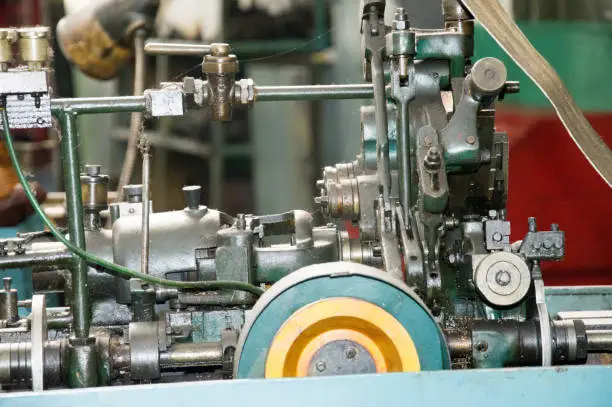
How to Optimize Procurement of Low Pressure Die Casting Services and Equipment?
For strategic sourcing to work, sellers need to be judged on their professional skills, quality processes, and ability to work with others. Because low pressure casting technology is so complicated, choosing the right provider is a key factor in determining the success of a project.
Supplier Qualification Criteria
The first step in evaluating a provider well is to look at their production system. When you visit a foundry, you can see if it uses new, PLC-controlled casting tools with customizable pressure curves or older, manual systems that are easy for operators to mess up. Spectroscopic analysis tools for checking the quality of arriving materials, watching furnace temperatures in real time, and automating die temperature control are all signs of a mature process. Companies like Zhejiang Fudebao Technology show their dedication by putting money into full production chains that include melting and finishing. This way, they can keep quality under control at every step of the process.
Certification systems give clear proof of the ability to control quality. ISO 9001 is the minimum standard, but providers to the car industry should also have IATF 16949 certification to show they meet the needs of that industry. Special methods need to be certified to AS9100 or NADCAP for use in aerospace uses. Looking at real production control plans and FMEAs, along with certificates, shows how well providers understand and deal with failure modes that are unique to casting.
Design Communication and PPAP Requirements
For casting projects to go well, the design purpose needs to be communicated in more than just basic models. Procurement engineers should give 3D CAD models that can be used for moldflow modeling to find the best place for the gate and see where it might shrink. Using the right GD&T formula to describe inspection traits keeps things clear during the first article inspection. Material needs shouldn't just say "high strength" or "good quality." Instead, they should refer to industry standards like ASTM B618.
The Production Part Approval Process paperwork shows that suppliers can always meet standards in an organized way. There are dimensional inspection records, material certificates, process capability studies (Ppk values), and accepted appearance standards in the PPAP package. If you look over these papers before the production starts, you can find problems early on, when it is still possible to fix them, instead of waiting until thousands of broken parts get to the assembly lines.
Pricing Evaluation and Total Cost Analysis
To compare quotes, you need to know more about the cost drivers than just the piece price. Tooling amortization has a big effect on the costs of each part, especially for smaller numbers. Suppliers may offer good deals for pieces but charge too much for tools, or the other way around. To make an accurate comparison, you should ask for specific cost details that show the parts of the price that relate to material, processing, tooling, and profit.
A full cost study should include quality-related costs like the time and effort needed for new inspections, the risk of not being able to honor a warranty, and the cost of moving goods. When you take into account longer wait times, minimum order quantities, customs complications, and quality risk, a foreign provider with 8% lower prices may actually raise the total cost. Most of the time, regional providers offer better overall value because they are more flexible, communicate more clearly, and keep the supply chain strong.
Conclusion
Modern production needs parts that are strong mechanically, precisely sized, and cost-effective. Low pressure casting meets these needs. The controlled filling process makes parts that are more internally sound than those made with gravity methods. At the same time, it keeps the heat treatability that isn't possible with high-pressure methods. From the auto industry to the aircraft industry, this technology is used for safety-critical parts that can't fail for any reason. As technology gets better and alloys keep getting better, the process can be used for more things that need higher and higher performance standards. When procurement workers work with experienced suppliers, they can get these new ideas. This helps their goods stay competitive by making them better quality and more cost-effective to make.
FAQ
Which industries benefit most from low pressure die casting?
The biggest market for low pressure casting components is the automotive industry, especially for wheels, chassis parts, and motor housings for electric vehicles. The aerospace and defense industries lay out the steps for making lightweight structure parts that meet strict approval requirements. Industrial equipment makers use the technology to make pump housings, gearbox parts, and machine frames that need to be the same size across middle production levels. Cast aluminum housings are used in the electrical industry for motor end shields, junction boxes, and power distribution equipment. These housings need to be able to handle heat and prevent corrosion.
How does the cost compare to other casting methods?
To figure out the cost, you have to look at both the investment in tools and the economics of each part across the predicted output volumes. The cost of tools is somewhere between sand casting patterns and high-pressure die casting dies, and they can usually handle between 5,000 and 100,000 units per year. Gravity casting only gets 50–60% of the material, but this method gets 90–95%, which saves money on raw materials. Even though the cycle times are longer than with high-pressure methods, the total cost of making structural parts that need mechanical properties is often cheaper because there are fewer limits on heat treatment and a lower rate of scrap. By asking for thorough quotes that include information about the materials, handling, and tools needed, you can accurately compare one process to another.
What defects occur in low pressure casting and how are they prevented?
Porosity is still the biggest problem with defects, but with good process control, they happen less often than 2% to 3% of the time. Shrinkage porosity happens when the feeding pressure drops too soon or when thick parts don't have enough gates. Optimizing pressure curves to keep liquid metal in touch during solidification and strategic gate placement shown by moldflow modeling are needed for prevention. Oxide inclusions happen when there is too much movement or the filling temperature is too low. This flaw cause can be taken care of by keeping the flow smooth by controlling the pressure rise and making sure there is enough superheat. When hydrogen that was taken from a wet furnace environment crystallizes during cooling, this is called gas porosity. Using rotating fluxing or nitrogen purging to remove gas from a mixture lowers the amount of dissolved gas to a safe level below 0.15 mL/100g.
Partner with Fudebao Technology for Superior Low Pressure Casting Solutions
To get through the complicated process of precision metal casting, you need a production partner with cutting-edge tools, years of experience, and a dedication to customer satisfaction. Zhejiang Fudebao Technology is a leading aluminum foundry that serves the automobile, aircraft, industrial equipment, and electrical industries around the world. Its full range of services covers the whole production cycle. Our building has up-to-date low pressure casting machines, high-speed CNC machining centers, and surface treatment systems that are all built in. This means that we can deliver everything from raw materials to finished parts with tolerances of up to ±0.05mm all in one place. Our engineering team works with your design and buying teams to make sure that the parts you need are easy to make and don't cost too much. This is true whether you need PPAP-compliant car brackets, pressure-tight motor housings, or heat-treated structural components. Email hank.shen@fdbcasting.com to talk about your project needs and find out how our fully integrated method can give your applications the quality, reliability, and supply chain flexibility they need.
References
American Foundry Society (2021). Permanent Mold Casting Handbook: Processes, Materials, and Design Guidelines. Des Plaines, IL: American Foundry Society Technical Publications.
Campbell, J. (2015). Complete Casting Handbook: Metal Casting Processes, Metallurgy, Techniques and Design (2nd ed.). Oxford: Butterworth-Heinemann.
ASM International (2018). Casting Design and Performance. Materials Park, OH: ASM International Handbook Committee.
Kaufman, J.G. & Rooy, E.L. (2004). Aluminum Alloy Castings: Properties, Processes, and Applications. Materials Park, OH: ASM International.
Society of Automotive Engineers (2019). SAE J2530: Performance Requirements for Aluminum Alloy Wheels. Warrendale, PA: SAE International Standards.
Bonollo, F., Urban, J., Bonatto, B., & Botter, M. (2005). Gravity and Low Pressure Die Casting of Aluminium Alloys: A Technical and Economical Benchmark. La Metallurgia Italiana, 97(6), 23-32.



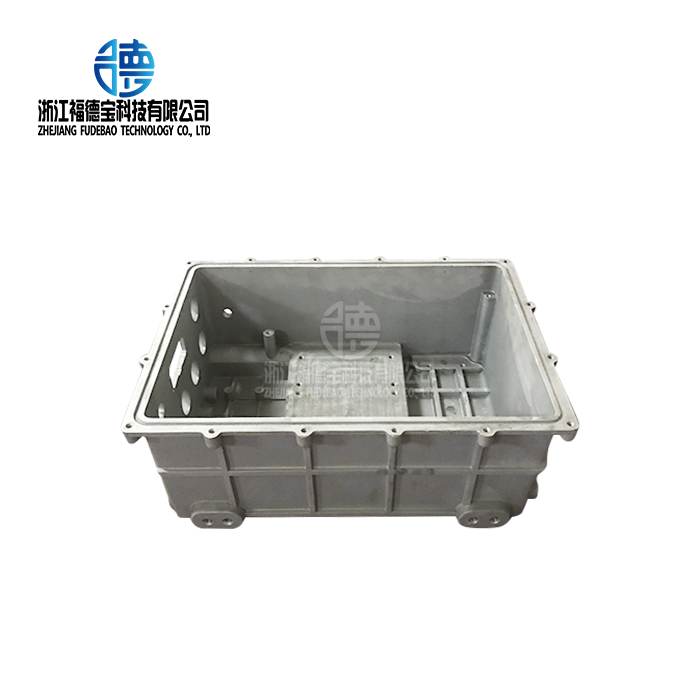
_1756352400994.webp "chassis enclosure")
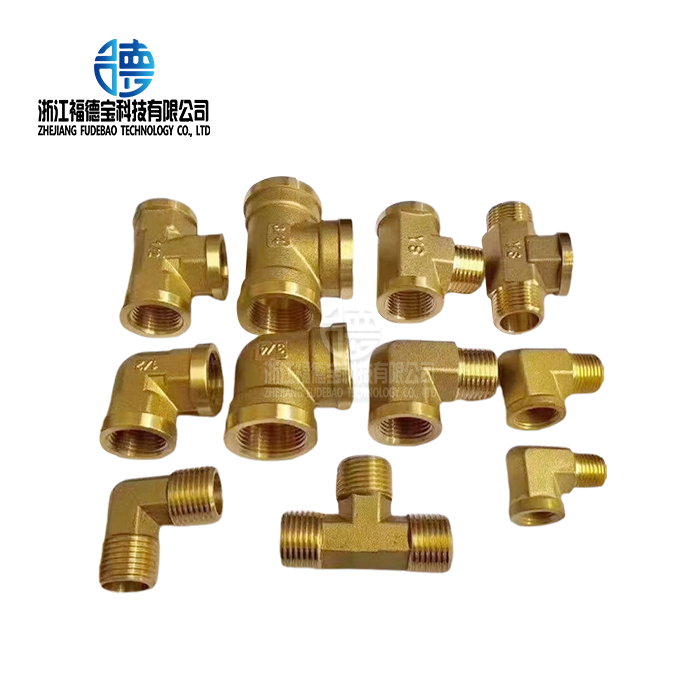
_1756348780785.webp "porting turbo compressor housing")
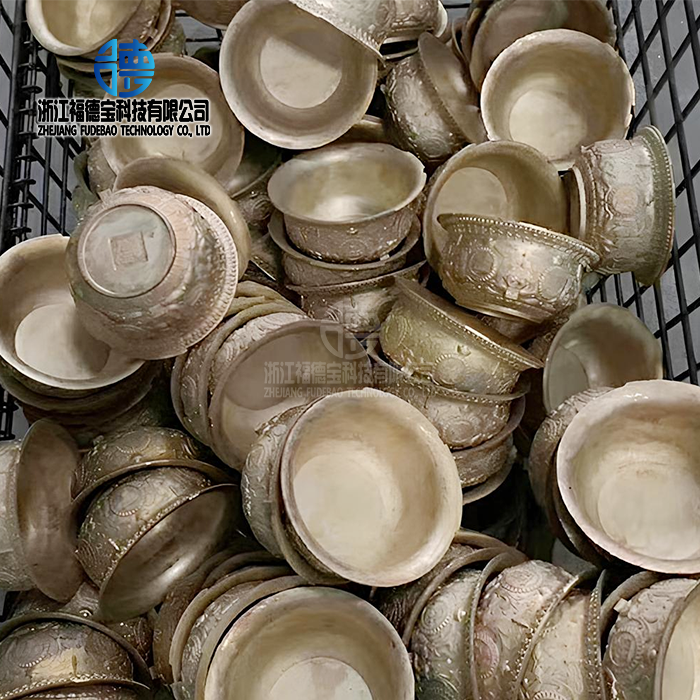
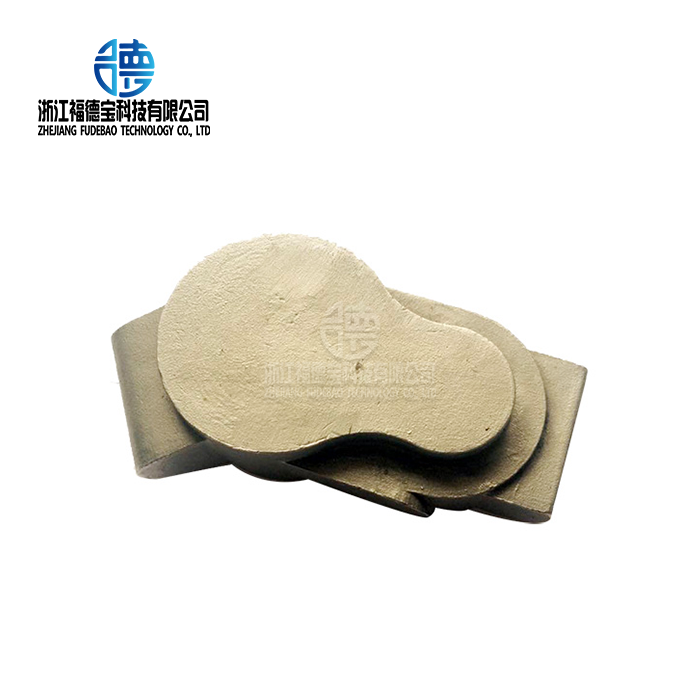
_1756345858191.webp "Aluminum casting crafts")