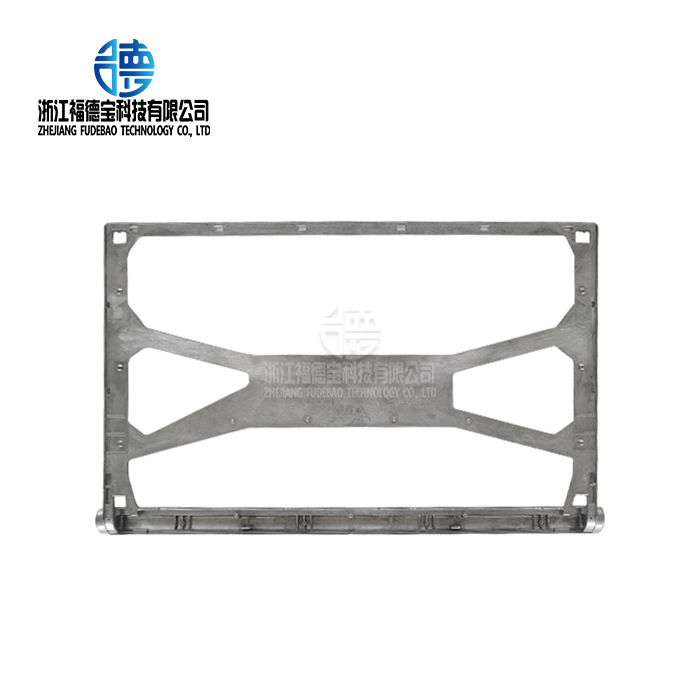
Aluminum Die Casting Wall Thickness Guidelines
2026-03-13
Aluminum die casting wall thickness guidelines set important factors that ensure the best flow characteristics, mechanical soundness, and cost-effectiveness for efficient metal part production. For aluminum die casting, the right wall thickness is generally between 1.5 mm and 6 mm, but it depends on the part's shape. Flaws like holes, warping, and partial filling can't happen with a consistent spread. These rules have a direct effect on how much material is used, how long cycles take, and how accurate measurements are in high-volume manufacturing in the car, aerospace, and industrial sectors.
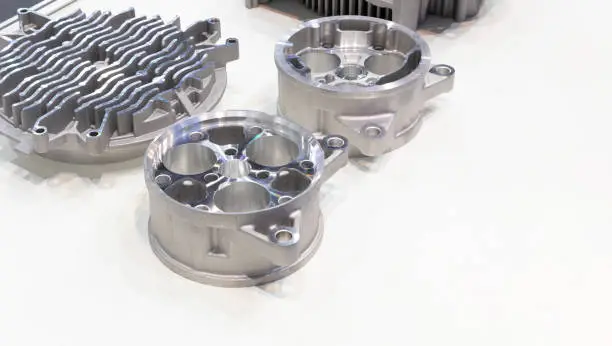
Understanding Aluminum Die Casting and Wall Thickness Fundamentals
The connection between the features of an aluminum alloy and the width of the wall is what makes die casting work. Different aluminum metals have different flow properties, rates of solidification, and thermal conductivity qualities, all of which affect the ranges of wall thickness that can be used. The minimum wall thickness that can be cast for the A356 aluminum alloy, which is often used in car applications, is 2 mm. On the other hand, the minimum wall thickness that can be cast for the ADC12 alloy, which is often used in electronic housings, is 1.5 mm under ideal conditions.
Material Properties Affecting Wall Thickness Design
Controlling the temperature during the casting process has a big effect on how thick the walls can be and how good the end part is. Temperatures of molten aluminum between 650°C and 720°C allow for the best flow properties for thin-wall uses while still keeping enough heat energy to keep the metal from solidifying too soon. The rate of cooling is very different depending on the thickness of the wall. Thinner parts of the wall solidify about three to four times faster than thicker parts, which could lead to stress concentration points if they are not handled properly.
Industry Standards and Recommended Thickness Ranges
Different types of engineering standards set specific wall thickness requirements based on how the structure is meant to work and how it can be made. For automotive parts, the wall thickness should be between 2.5mm and 4.0mm so that weight loss doesn't affect the structural integrity. For aircraft parts, the wall thickness should be between 3.0mm and 6.0mm so that strict strength standards can be met. Parts of industrial machines often use thicknesses between 2.0 mm and 5 mm, based on how much weight they need to hold and how they will be exposed to the environment.
Core Guidelines for Determining Optimal Wall Thickness
In order to get a balanced wall thickness distribution in aluminum die casting, the shape of the part, its role, and the limitations of its production must all be carefully considered. The general idea is that the thickness of a part should remain consistent throughout its design. This way, there are no abrupt changes in thickness that could cause turbulence during metal filling or stress buildup during service. If changes in thickness are necessary, smooth flow patterns can be maintained, and defects can be avoided by using gentle shifts with maximum slope ratios of 1:3.
Design Strategies for Enhanced Performance
To effectively optimize wall thickness, ribs, bosses, and other support features must be placed so that the structure stays strong without using too much material. Because they are geometrically better, these design elements let engineers lower the thickness of the main wall while still meeting the needed strength standards. Rib thickness should be between 60 and 80% of the thickness of the wall next to it to avoid sink marks and make sure the filling is correct. There should also be enough space between the ribs so that heat doesn't build up during solidification.
Alloy Selection Impact on Thickness Requirements
When it comes to minimum wall thickness and mechanical features, different aluminum metals show different strengths. For popular die casting metals, here are the most important things to keep in mind:
- A380 Alloy: Its excellent fluidity lets the minimum wall thickness be 1.8 mm, and its surface finish quality is the best. This makes it perfect for artistic and useful parts that need thin sections.
- ADC12 Alloy: It has great dimensional stability and can handle wall thicknesses as low as 1.5 mm while still keeping tight standards. This makes it perfect for electronic housings and precision parts.
- A356 Alloy: Better mechanical qualities let you get the best thickness-to-strength ratios, so it can be used for structural uses in cars with walls between 2 mm and 4 mm thick.
- AlSi9Cu3 Alloy: Very good thermal conductivity needs careful thickness management, usually keeping walls at least 2.2 mm thick to avoid problems with rapid cooling.
These metal properties have a direct effect on how parts are designed and how they are made. To get the best results for each application, selection factors must take into account the costs of materials, the needs of the machine, and the amount that needs to be made.
Common Wall Thickness Challenges and How to Overcome Them
Specifying the wrong wall width often leads to casting flaws that lower the quality of the part and raise the cost of production. When wall thickness changes a lot across a part, different solidification rates trap gases and make internal voids. This is called porosity development. Hot tears happen when thin parts harden and shrink while bigger parts stay liquid, putting too much stress on the material and breaking it.
Advanced Prevention Strategies
Modern modeling software can predict problems with wall thickness so that they can be fixed before investing in new tools. Solidification modeling shows how things cool and finds places where they might shrink, and flow analysis finds places where the walls aren't thick enough, which could lead to incomplete filling. These tools allow design improvement during the development phase, which cuts down on the number of prototypes needed and speeds up the time it takes for new goods to reach the market.
Real-World Application Examples
Automotive gearbox housing projects show how improved wall thickness design can be useful in real life. A recent case study about a big OEM provider showed that adding strategic support ribs and lowering the wall thickness from 4.5 mm to 3.2 mm could cut weight by 18% without affecting the structure's performance. The improvement cut cycle time by 12% and material costs by 15%, which saved a lot of money over the life of the product.
A similar success story happened in flight, where careful control of wall thickness helped a company that makes satellite parts meet the needed strength-to-weight ratios while keeping the dimensions within ±0.05mm tolerances. Design engineers and casting experts had to work together a lot on this project to meet approval standards and balance different needs.
Comparing Aluminum Die Casting Wall Thickness with Alternative Methods
Procurement workers can make better choices based on project needs when they know the pros and cons of aluminum die casting compared to other methods of production. Due to slower cooling rates and a rougher finish, sand casting usually needs a minimum wall thickness of 3.0mm to 4.0mm. Investment casting, on the other hand, can reach the same thickness limits as die casting but costs a lot more per part.
Process Comparison Analysis
When it comes to strength-to-weight ratio, magnesium die casting is better, and it can handle walls as thin as 1.2 mm. However, aluminum die casting is cheaper and easier to work with for large tasks. Zinc die casting can make parts with walls as thin as 0.8 mm and a great finish on the outside, but it can only make low-stress parts because it isn't very strong. Each method has pros and cons when it comes to the quality of the material, the cost of production, and the amount that can be made, which changes which method is the best.
Cost and Lead Time Implications
For various casting methods, the wall thickness standards have a direct effect on the complexity of the tools, cycle times, and rates of material utilization. Die casting tools for aluminum are usually more expensive than sand casting tools, but they allow for faster production rates and more accurate measurements. Die casting is best for medium to high-volume uses where consistent quality and tight tolerances make the original investment worth it. The break-even point usually happens around 1,000 to 2,000 pieces, based on how complicated the part is.
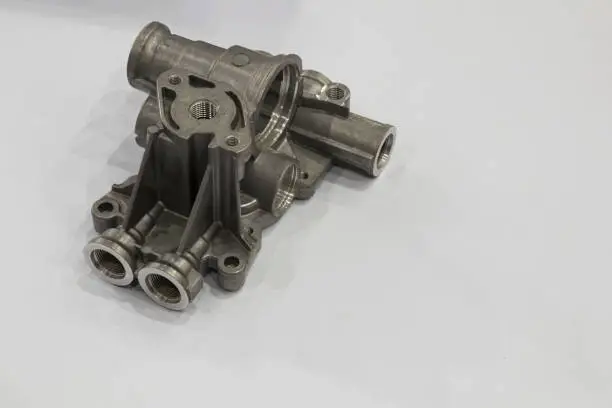
How to Choose the Right Aluminum Die Casting Supplier for Your Wall Thickness Needs?
When looking for an aluminum die casting supplier, you should look for scientific know-how on how to make the walls as thick as possible, the ability to work together on designs, and quality system certifications. Suppliers with a lot of experience are very helpful during the design phase because they can spot problems that could make the part hard to make and suggest ways to fix them that improve performance while also cutting costs. Certifications like ISO 9001, TS 16949, and AS9100 show that the supplier can handle processes and quality in a structured way, which is very important for keeping wall thickness stable.
Technical Collaboration Benefits
The best source ties start early in the design development phase, letting the casting experts have a say in the part's shape and the materials that are chosen. Suppliers that offer full modeling tools can check wall thickness designs before making the tools, which lowers development risks and makes sure the designs can be made. Advanced providers also offer fast prototyping services that let you test and confirm the performance of wall thickness in real-life business conditions.
Geographic Considerations and Service Capabilities
The location of a supplier affects how well they can communicate, how long it takes to get things, and how much the whole job costs. However, technical skills and high standards should always come first. Asian suppliers often have better prices and more advanced production skills, while North American and European sellers may be better at logistics, communication, and following the rules. The best option relies on the needs of the project, the expected traffic, and strategic business concerns, not just where it is located.
Conclusion
The standards for wall thickness in aluminum die casting are very important for making parts that work well in industry, aerospace, and automotive settings. To choose the right thickness, you need to think about the properties of the material, the shape of the part, and what it will be used for to find a good mix between strength, weight, and cost of production. Engineers and procurement teams can make smart decisions that improve part performance and make sure designs can be made if they understand these links. When you work with experienced providers during the planning phase, you can get useful information that can help you avoid problems that will cost a lot of money and speed up the project's success.
FAQ
What is the minimum wall thickness for aluminum die casting?
For aluminum die casting, the minimum wall thickness is usually between 1.5 mm and 2 mm, but this can change based on the metal and the shape of the part. In ideal situations, ADC12 alloy walls can be as thin as 1.5 mm, but A380 alloy walls usually need to be at least 1.8 mm thick. The smallest width that can be achieved is also affected by the complexity of the part and the flow distance from the gate.
How does wall thickness affect aluminum die casting quality?
In aluminum molds, wall width has a direct effect on how the metal fills, how fast it solidifies, and how many defects form. A constant thickness helps the metal move smoothly and cool evenly, which lowers porosity, warping, and changes in size. Too many changes in thickness cause stress clusters and uneven shrinking, which damage the material's mechanical qualities and surface finish quality.
What factors determine optimal wall thickness in aluminum die casting?
The best wall thickness relies on how the part is supposed to work, the properties of the material, and the limitations of the production process. Some important things to think about are the structure loads, the weight goals, the need for precise measurements, the flow properties of the metal, and the production volume. To find cost-effective answers, design optimization means combining these different needs.
How can I prevent defects related to improper wall thickness?
To avoid problems with wall thickness, you need to carefully plan the design, make sure the simulations are correct, and keep an eye on the process. Keep the thickness the same as much as possible, make the changes between parts smooth, and use ribs for support instead of making the main wall thicker. Advanced modeling software helps find problems before the tools are made.
What wall thickness tolerances are achievable with aluminum die casting?
Under controlled conditions, aluminum die casting can keep wall thickness tolerances of ±0.1mm to ±0.2mm if the right tools are used and the process is managed well. Tighter standards might need extra grinding steps, but it depends on how complicated the part is and what it needs to do.
Partner with Fudebao Technology for Your Aluminum Die Casting Projects
Fudebao Technology blends advanced manufacturing skills with a wide range of technical knowledge to give you the best wall thickness options for your aluminum die casting needs. Our modern building has high-speed machining centers, precision die casting equipment, and cutting-edge modeling software that makes sure plans can be made and quality is always the same. We support automobile, aircraft, and industrial uses that need exact wall thickness management. Our accuracy is ±0.05mm, and we have full control over the whole process, from melting to surface treatment. Get in touch with our technical team at hank.shen@fdbcasting.com to talk about your needs for an aluminum die casting source and find out how our unified approach solves difficult production problems more effectively.
References
American Foundry Society. "Aluminum Die Casting Design Guidelines and Best Practices." Technical Publication Series, 2023.
International Journal of Advanced Manufacturing Technology. "Wall Thickness Optimization in Aluminum Die Casting Processes." Volume 127, 2023.
Society of Automotive Engineers. "SAE J1434: Recommended Practice for Aluminum Die Casting Design." SAE International Standards, 2022.
North American Die Casting Association. "Product Design for Die Casting: Wall Thickness Considerations." Technical Bulletin NADCA-207, 2023.
Materials Science and Engineering Reports. "Influence of Wall Thickness on Mechanical Properties of Die Cast Aluminum Alloys." Volume 89, 2023.
Foundry Management & Technology. "Advanced Simulation Techniques for Die Casting Wall Thickness Optimization." Industry Research Report, 2023.



YOU MAY LIKE
_1756345939856.webp "Aluminum casting chassis")
_1756348543350.webp "Automotive Turbine Casting")
_1756349146076.webp "Lawn mower case casting")